

Lempira Region, Honduras Travel Guide
Discover the Lempira Region in Honduras: A blend of colonial charm, natural beauty, and rich indigenous culture, nestled in the heart of the western highlands.
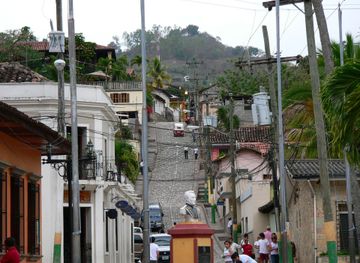
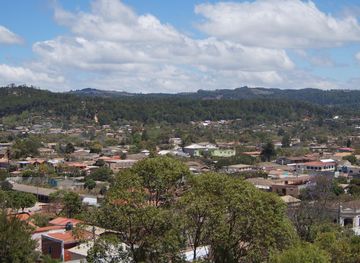
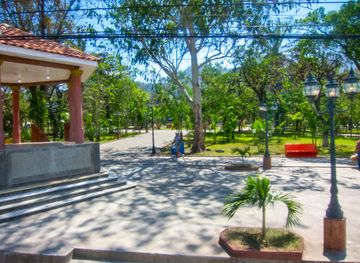
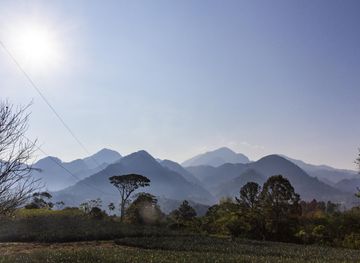
Nestled in the western highlands of Honduras, the Lempira Region is a land where history, culture, and natural beauty converge. Named after the indigenous Lenca leader, Lempira, who valiantly resisted Spanish conquest, this region is a testament to the rich heritage and resilience of its people. Visitors will find themselves captivated by the charming colonial towns, lush landscapes, and the warm hospitality of the locals. The town of Gracias, once the capital of Spanish Honduras, offers a glimpse into the colonial past with its cobbled streets, historic churches, and well-preserved architecture. Don't miss the opportunity to visit the Fort of San Cristobal, which provides panoramic views of the surrounding mountains and valleys. The Aguas Termales hot springs nearby are perfect for relaxation after a day of exploration. Nature enthusiasts will be delighted by the Celaque National Park, home to the highest peak in Honduras, Cerro Las Minas. The park's cloud forests are teeming with diverse flora and fauna, making it a paradise for hikers and bird watchers. For a deeper cultural experience, visit the indigenous Lenca communities, where you can learn about traditional crafts, taste local cuisine, and immerse yourself in the vibrant Lenca culture. Whether you're an adventurer, a history buff, or simply seeking a tranquil getaway, the Lempira Region offers a unique and unforgettable travel experience. With its scenic beauty, cultural richness, and historical significance, it is a destination that promises to enchant and inspire.

Know before you go
Hi, I'm Eve. Here are a few practical things to know before exploring Lempira Region.
- Wear comfortable walking shoes for exploring the cobbled streets of Gracias and hiking in Celaque National Park.
- Bring a reusable water bottle to stay hydrated, especially when hiking.
- Visit local markets to purchase handmade Lenca crafts and support the community.
- Try the traditional Lenca dish 'Atol Chuco' for an authentic taste of the region.
- Learn a few basic Spanish phrases to enhance your interactions with the friendly locals.
Top City Travel Guides in Lempira Region
The cities of Lempira Region, and the easiest places to base yourself.


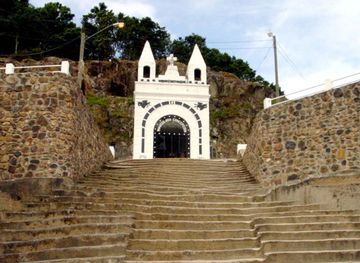
Explore Lempira Region: Things to Do, Places to Eat, Hotels & More
Handpicked recommendations for top attractions, local dining, accommodations, and more

Top Attractions & Sightseeing in Lempira Region
Top-rated picks
Best Attractions

Copán Ruins
Explore the breathtaking Copán Ruins, a UNESCO World Heritage Site, showcasing the ancient Maya civilization's exquisite architecture and rich history.

El Patio
Experience the rich flavors of Honduran cuisine at El Patio in Tegucigalpa, a must-visit restaurant for food lovers and cultural explorers.
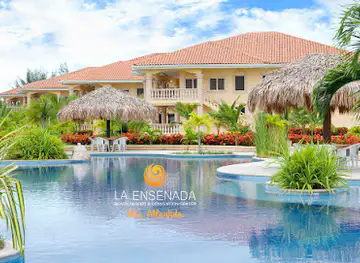
La Ensenada Beach Resort & Convention Center
Discover the ultimate beach getaway at La Ensenada Beach Resort & Convention Center, where relaxation meets adventure in beautiful Tela, Honduras.

Parque de Aves
Discover the breathtaking beauty of Parque de Aves in Copán, a paradise for bird lovers and nature enthusiasts alike, featuring over 600 bird species.

Best landmarks in Lempira Region
Top-rated picks
Best Landmarks

Fortaleza de San Fernando
Explore the historic Fortaleza de San Fernando in Omoa, Honduras: a magnificent 18th-century Spanish fortress offering stunning views and a captivating journey into the colonial past.

Aguas Termales Presidente
Discover the therapeutic warmth of Aguas Termales Presidente in Lempira, Honduras, where natural hot springs offer relaxation and rejuvenation amidst stunning scenery and rich culture.

Parque Cerro Juana Lainez
Experience the lush landscapes and panoramic views of Tegucigalpa at Parque Cerro Juana Lainez, a serene urban oasis perfect for relaxation and cultural immersion.

Parque Nacional Celaque
Discover the untamed beauty of Celaque National Park, home to Honduras' highest peak, lush cloud forests, and diverse wildlife, offering an unforgettable adventure for nature lovers and hikers.

Best restaurants in Lempira Region
Top-rated picks
Best Restaurants

El Patio
Experience authentic Honduran flavors at El Patio in Tegucigalpa - a culinary delight for every traveler seeking local tastes.

Asados Típicos Las Tejas
Experience authentic Honduran grilling at Asados Típicos Las Tejas in El Progreso – where every bite tells a story.

Kandil | Pizza y Café
Experience the best pizza and coffee at Kandil in Gracias – where culinary excellence meets local charm.
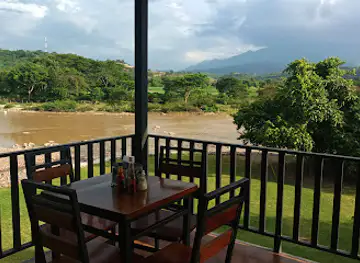
Vista al Rio
Discover culinary bliss at Vista al Rio: Enjoy exquisite dining with stunning river views in Las Flores, Honduras.

Best bars in Lempira Region
Top-rated picks
Best Bars

Mc Allister's Irish Pub
Discover the vibrant atmosphere and authentic flavors of Mc Allister's Irish Pub in Tegucigalpa, where every visit feels like a trip to Ireland.

Kandil | Pizza y Café
Experience authentic Italian flavors at Kandil | Pizza y Café, a must-visit dining destination for tourists in Gracias, Lempira.

Vista al Rio
Experience the flavors of Honduras at Vista al Rio, where every meal is a scenic adventure surrounded by nature's beauty.

Jardín Café
Indulge in the authentic tastes of Honduras at Jardín Café, your gateway to local flavors and cultural experiences in Gracias.

Best nightclubs in Lempira Region
Top-rated picks
Best Nightclubs

Le Queen
Discover the electrifying nightlife at Le Queen, San Pedro Sula's iconic disco club, where music and dancing create unforgettable experiences.

Karao's
Experience the vibrant nightlife at Karao's, Trujillo's premier disco club, where music, dance, and unforgettable memories await.

FARAONES DISCOTEC
Experience the vibrant nightlife of Choluteca at Faraones Discotec, the ultimate destination for music, dance, and unforgettable memories.

1301 Lounge Bar
Experience the vibrant nightlife of Gracias at 1301 Lounge Bar, your go-to destination for refreshing drinks and local music.

Best shops in Lempira Region
Top-rated picks
Best Shops

City Mall
Discover a vibrant shopping experience at City Mall in Tegucigalpa, featuring diverse retail, delicious dining, and exciting entertainment options.

Multiplaza
Discover the ultimate shopping experience at Multiplaza in Tegucigalpa, where retail, dining, and entertainment converge for an unforgettable visit.

Mall Galerías del Valle
Explore the vibrant Mall Galerías del Valle in San Pedro Sula, where shopping, dining, and entertainment come together for an unforgettable experience.

CityMall San Pedro Sula
Discover a shopping paradise at CityMall San Pedro Sula, where retail, dining, and entertainment come together in one vibrant location.

Explore Lempira Region on the Map
A handpicked selection of must-see spots in Lempira Region, mapped for you.
Lempira Region Essentials
-
To reach the Lempira Region, you can fly into the Ramón Villeda Morales International Airport in San Pedro Sula, which is the closest major airport. From there, you can take a bus or hire a car to travel to the region. The journey by road typically takes about 3 to 4 hours, depending on your final destination within the region. Alternatively, you can also fly into Toncontín International Airport in Tegucigalpa and make the road trip to Lempira, which takes around 5 to 6 hours.
-
Within the Lempira Region, public transport options include buses and minibuses (locally known as 'rapiditos'). These are inexpensive and connect most towns and villages. Taxis are available in larger towns like Gracias and La Esperanza. For more flexibility, consider renting a car, but be aware that road conditions can vary, and driving at night is not recommended due to poor lighting and road maintenance.
-
The official currency is the Honduran Lempira (HNL). While credit cards are accepted in some hotels, restaurants, and larger stores, cash is necessary for smaller establishments and rural areas. ATMs are available in larger towns, but it's wise to carry enough cash when traveling to more remote areas. US dollars are sometimes accepted, but it's best to use the local currency for convenience.
-
Lempira Region is generally safe for tourists, but standard precautions should be taken. Avoid visiting unfamiliar areas alone at night, and keep an eye on your belongings, especially in crowded places. Areas with higher crime rates targeting tourists include the outskirts of major towns, so stay within well-populated and well-lit areas. Always use reputable transport services and accommodations.
-
In case of an emergency, dial 911 for immediate assistance. Major towns like Gracias have police stations and medical facilities. It's advisable to carry a basic first aid kit and have travel insurance that covers medical emergencies. For minor health issues, pharmacies are available in larger towns. Always keep emergency contact numbers handy, including your country's embassy or consulate.
-
Fashion: Do dress modestly, especially in rural areas and religious sites. Avoid overly revealing clothing. Religion: Do respect local customs. Always act with reverence in churches and during religious ceremonies. Public Transport: Do be courteous and give up your seat to elderly passengers. Don’t eat or drink on public transport. Greetings: Do greet people with a handshake or a polite nod. A warm 'buenos días' or 'buenas tardes' goes a long way. Eating & Drinking: Do try local foods and accept food offerings graciously. Don't refuse hospitality, as it is considered impolite.
-
To experience Lempira Region like a local, visit the weekly markets where you can buy fresh produce and traditional crafts. Engage with locals, who are often friendly and eager to share their culture. Don't miss exploring the colonial town of Gracias and visiting the Lenca Trail, which highlights the indigenous heritage of the region. For a unique experience, hike in the Celaque National Park, home to Honduras' highest peak.
When is the best time to visit Lempira Region?
Useful Local Phrases for Lempira Region
You don't need to speak the language perfectly. Even learning a few simple words can make conversations warmer—and locals usually appreciate the effort.
— Eve

Here are the phrases I use most often in Lempira Region. Try a few—you'll be surprised how far they go! 😊
❤️
-
- HelloHola
[O-la] - GoodbyeAdiós
[A-dee-os] - YesSí
[See] - NoNo
[No] - Please/You're welcomePor favor
[Por fa-vor] - Thank youGracias
[Gra-cee-as] - Excuse me/SorryPerdón
[Per-don] - How are you?¿Cómo estás?
[Co-mo es-tas] - Fine. And you?Bien. ¿Y tú?
[Bee-en. Ee tu] - Do you speak English?¿Hablas inglés?
[A-blas in-glez] - I don't understandNo entiendo
[No en-tee-en-do]
- HelloHola
-
- I'd like to see the menu, pleaseMe gustaría ver el menú, por favor
[Me gus-ta-ree-a ver el me-nu, por fa-vor] - I don't eat meatNo como carne
[No co-mo car-ne] - Cheers!¡Salud!
[Sa-lud] - I would like to pay, pleaseMe gustaría pagar, por favor
[Me gus-ta-ree-a pa-gar, por fa-vor]
- I'd like to see the menu, pleaseMe gustaría ver el menú, por favor
-
- Help!¡Ayuda!
[A-yu-da] - Go away!¡Vete!
[Ve-te] - Call the Police!¡Llama a la policía!
[Ya-ma a la po-li-cia] - Call a doctor!¡Llama a un doctor!
[Ya-ma a un doc-tor] - I'm lostEstoy perdido
[Es-toy per-di-do] - I'm illEstoy enfermo/a
[Es-toy en-fer-mo/a]
- Help!¡Ayuda!
-
- I'd like to buy...Me gustaría comprar...
[Me gus-ta-ree-a com-prar] - I'm just lookingSolo estoy mirando
[So-lo es-toy mi-ran-do] - How much is it?¿Cuánto cuesta?
[Cuan-to ques-ta] - That's too expensiveEso es muy caro
[E-so es muy ca-ro] - Can you lower the price?¿Puedes bajar el precio?
[Pwe-des ba-har el pre-cio]
- I'd like to buy...Me gustaría comprar...
-
- What time is it?¿Qué hora es?
[Ke o-ra es] - It's one o'clockEs la una
[Es la u-na] - Half past (10)Y media (10)
[Ee me-dia] - MorningMañana
[Ma-nya-na] - AfternoonTarde
[Tar-de] - EveningNoche
[No-che] - YesterdayAyer
[A-yer] - TodayHoy
[Oy] - TomorrowMañana
[Ma-nya-na] - 1Uno
[Oo-no] - 2Dos
[Dos] - 3Tres
[Tres] - 4Cuatro
[Cua-tro] - 5Cinco
[Cin-co] - 6Seis
[Seis] - 7Siete
[Sye-te] - 8Ocho
[O-cho] - 9Nueve
[Nwe-ve] - 10Diez
[Dyez]
- What time is it?¿Qué hora es?
-
- Where's a/the...?¿Dónde está...?
[Don-de es-ta] - What's the address?¿Cuál es la dirección?
[Cual es la di-rec-cion] - Can you show me (on the map)?¿Puedes mostrarme (en el mapa)?
[Pwe-des mos-trar-me (en el ma-pa)] - When's the next (bus)?¿Cuándo es el próximo (bus)?
[Cuan-do es el pro-xi-mo (bus)] - A ticket (to ....)Un boleto (a ....)
[Un bo-le-to (a ....)]
- Where's a/the...?¿Dónde está...?
History of Lempira Region
-
Lempira, the region's namesake, was a significant indigenous leader of the Lenca people who valiantly fought against Spanish colonization in the 1530s. His resistance is celebrated annually on July 20th, known as 'Día de Lempira.' The region's historical identity is deeply intertwined with his legacy, symbolizing bravery and the fight for independence.
-
The Spanish colonization left a lasting impact on Lempira Region, evident in its colonial architecture and the establishment of several towns. Gracias, one of the oldest towns in the region, served as a pivotal administrative center during the colonial period. The influence of Spanish culture, architecture, and religion remains prominent in the region.
-
Founded in 1536, Gracias played a crucial role during the colonial era as the capital of the Audiencia de los Confines, which governed Central America. The town's historical significance is highlighted by its well-preserved colonial buildings, such as the San Marcos Church and the Fortaleza de San Cristóbal, both of which attract numerous visitors.
-
The Lempira Region is home to a rich tapestry of indigenous cultures, particularly the Lenca people. Their traditions, language, and craftsmanship are integral to the region's cultural identity. Handcrafted pottery, textiles, and traditional dances are still practiced, offering a glimpse into the region's pre-colonial past.
-
In the late 19th and early 20th centuries, the Lempira Region experienced a coffee boom that significantly influenced its economy and landscape. Coffee plantations spread across the region, leading to the development of infrastructure and the establishment of new communities. Today, coffee production remains a vital part of the local economy and culture.
-
The Lempira Region is renowned for its stunning natural landscapes, including cloud forests, waterfalls, and the Celaque National Park, home to the highest peak in Honduras. The region's biodiversity is impressive, with numerous endemic species of flora and fauna. These natural wonders attract eco-tourists and nature enthusiasts from around the world.
-
In recent decades, the Lempira Region has seen significant developments in infrastructure and tourism. Efforts to preserve its historical sites and natural beauty have made it a popular destination for travelers seeking cultural and eco-tourism experiences. Festivals, guided tours, and community projects have helped promote sustainable tourism while honoring the region's rich heritage.
Neighbouring Regions of Lempira Region
The closest regions to Lempira Region, if you have time for more than one.


Your all‑in‑one travel companion app
Explore expert travel guides, compare and book tours, experiences, hotels, and more—all from the palm of your hand. Download now for seamless trip planning wherever your wanderlust takes you.


Explore More of Honduras

Looking beyond Lempira Region? Discover Honduras for broader travel guides, local hot-spots, and regional highlights.
Explore HondurasLempira Region in Photos
Browse through our photo collection highlighting the charm and character of the destination.


The Enchanting Lempira Region: A Hidden Gem in Honduras
Nestled in the western highlands of Honduras, the Lempira Region is a land where history, culture, and natural beauty converge. Named after the indigenous Lenca leader, Lempira, who valiantly resisted Spanish conquest, this region is a testament to the rich heritage and resilience of its people. Visitors will find themselves captivated by the charming colonial towns, lush landscapes, and the warm hospitality of the locals. The town of Gracias, once the capital of Spanish Honduras, offers a glimpse into the colonial past with its cobbled streets, historic churches, and well-preserved architecture. Don't miss the opportunity to visit the Fort of San Cristobal, which provides panoramic views of the surrounding mountains and valleys. The Aguas Termales hot springs nearby are perfect for relaxation after a day of exploration. Nature enthusiasts will be delighted by the Celaque National Park, home to the highest peak in Honduras, Cerro Las Minas. The park's cloud forests are teeming with diverse flora and fauna, making it a paradise for hikers and bird watchers. For a deeper cultural experience, visit the indigenous Lenca communities, where you can learn about traditional crafts, taste local cuisine, and immerse yourself in the vibrant Lenca culture. Whether you're an adventurer, a history buff, or simply seeking a tranquil getaway, the Lempira Region offers a unique and unforgettable travel experience. With its scenic beauty, cultural richness, and historical significance, it is a destination that promises to enchant and inspire.