

Free Santa Rosa de Copán Travel Guide & Mobile App
Plan your Santa Rosa de Copán trip with Evendo. Get free guides to top attractions, restaurants, hotels, and bars. Web access or download the mobile app.


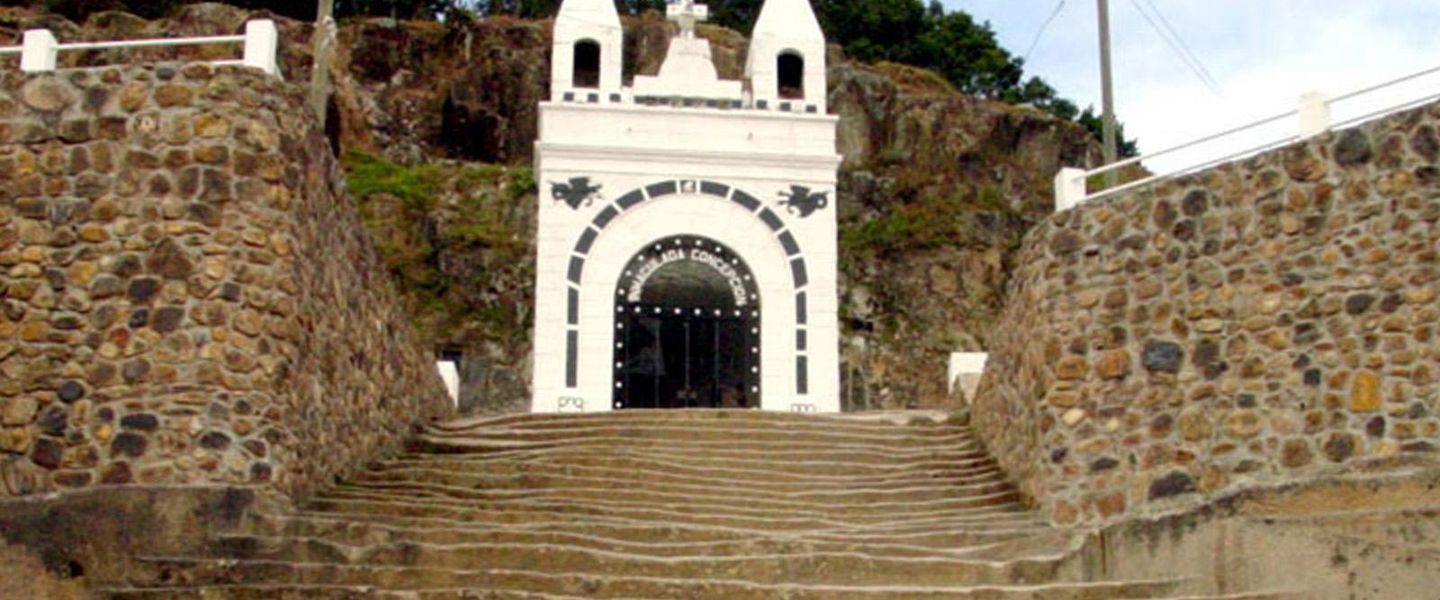


Discover Santa Rosa de Copán: A blend of colonial charm, rich cultural heritage, and natural beauty in the highlands of western Honduras.
Read more about Santa Rosa de Copán
When is the best time to visit Santa Rosa de Copán?
Best: October–December · 25–26°C| Month | High (°C) | Rainfall (mm) |
|---|---|---|
| January | 25 | 10 |
| February | 26 | 9 |
| March | 26 | 8 |
| April | 26 | 6 |
| May | 26 | 5 |
| June | 27 | 4 |
| July | 27 | 3 |
| August | 26 | 3 |
| September | 26 | 3 |
| October (best) | 26 | 4 |
| November (best) | 26 | 5 |
| December (best) | 25 | 7 |
Getting to and around Santa Rosa de Copán
How to get there
Transportation
Best attractions in Santa Rosa de Copán
Santa Rosa de Copán offers a unique blend of colonial architecture, archaeological sites, and stunning natural landscapes. Visitors can explore the historic center with its charming cobblestone streets and colorful buildings, visit the archaeological park of El Puente where ancient Mayan ruins are preserved, and hike through the lush cloud forests of Celaque National Park, home to the highest peak in Honduras. Don't miss the chance to sample the local cuisine and coffee, or visit the nearby town of Gracias to relax in hot springs and learn about the region's indigenous Lenca culture.
-
Tourist attraction
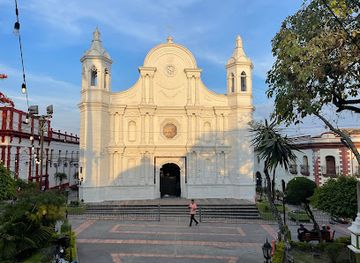
St. Rose Cathedral, Santa Rosa de Copán
Discover the architectural beauty and rich cultural significance of St. Rose Cathedral in Santa Rosa de Copán, a must-see destination for every traveler.
18 min walk · 1.4 km from city centre
-
Historical landmark
Centro Histórico de Santa Rosa de Copán
Explore the historical heart of Santa Rosa de Copán, where colonial charm meets vibrant local culture in a captivating travel destination.
17 min walk · 1.3 km from city centre
-
Tourist attraction
Plan grande Santa Rosa de Copán
Explore the breathtaking landscapes and rich cultural heritage at Plan Grande Santa Rosa de Copán, a must-visit tourist attraction in Honduras.
19 min drive · 6.2 km from city centre
-
 Tourist attraction
Maicupa Santa Rosa de Copán
Experience the natural beauty and cultural richness of Maicupa Santa Rosa de Copán, a captivating tourist attraction in Honduras.
21 min drive · 6.8 km from city centre
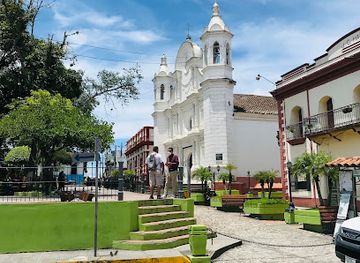
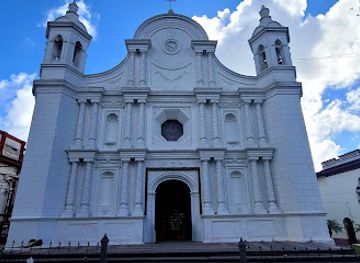
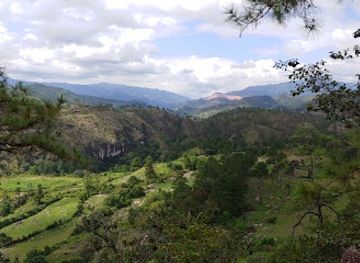
Best landmarks in Santa Rosa de Copán
Santa Rosa de Copán offers visitors a rich historical experience with its well-preserved colonial architecture, including the iconic Cathedral of Santa Rosa, the Municipal Palace, and the historic La Caridad Theater. Explore the ancient ruins of Copán, a UNESCO World Heritage site known for its intricate Mayan carvings and hieroglyphics. Enjoy the vibrant local market, where you can sample traditional Honduran cuisine and shop for handmade crafts. Take a leisurely stroll through the picturesque Parque Central and soak in the charming atmosphere of this colonial gem in the heart of Honduras.
-
Monument
El Cerrito
Explore the rich history and breathtaking views at El Cerrito in Santa Rosa de Copán, a monumental site reflecting the glory of the ancient Maya civilization.
6 min walk · 0.4 km from city centre
-
Hotel
Hotel Casa Real
Experience the charm and comfort of Hotel Casa Real in Santa Rosa de Copán, your gateway to exploring Honduras' rich cultural heritage.
14 min walk · 1.1 km from city centre
-
Catholic cathedral
St. Rose Cathedral, Santa Rosa de Copán
Explore the historical St. Rose Cathedral in Santa Rosa de Copán, a masterpiece of colonial architecture and a vital cultural landmark in Honduras.
18 min walk · 1.4 km from city centre
-
Hotel
Hotel San Jorge
Discover comfort and local charm at Hotel San Jorge in Santa Rosa de Copan, your perfect base for exploring the beauty of Honduras.
15 min walk · 1.2 km from city centre
Explore Santa Rosa de Copán on the map
Plan your Santa Rosa de Copán trip on one map. See where the top attractions, landmarks, restaurants, bars and hotels are, find what's near where you're staying, and book hotels and experiences in a few clicks.
Best hotels in Santa Rosa de Copán
Best restaurants in Santa Rosa de Copán
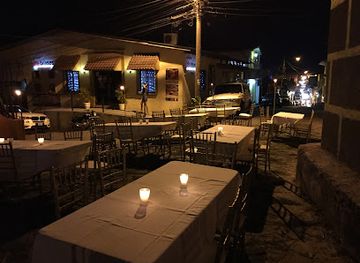
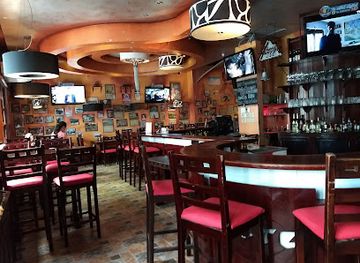
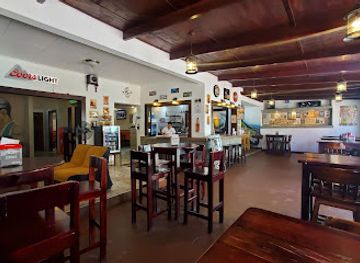
Santa Rosa de Copán boasts a vibrant dining scene that offers a taste of traditional Honduran cuisine mixed with international flavors. From cozy cafes serving up local delicacies to upscale restaurants offering gourmet dishes, visitors can expect a culinary adventure in this charming city. Whether you're craving baleadas, pupusas, or a juicy baleada, Santa Rosa de Copán has something to satisfy every palate. Be sure to try the local coffee and indulge in decadent desserts made with fresh fruits. With warm hospitality and delicious food, dining in Santa Rosa de Copán is a memorable experience for any traveler.
-
Honduran
Lenca-Maya Restaurant
Discover authentic Honduran cuisine at Lenca-Maya Restaurant in Santa Rosa de Copán—where tradition meets taste in every dish.
17 min walk · 1.4 km from city centre
-
Restaurant
Las Brasas Steak House
Discover Las Brasas Steak House in Santa Rosa de Copán - where exquisite chophouse dining meets vibrant local culture.
17 min walk · 1.4 km from city centre
-
Restaurant
ZOTZ
Discover ZOTZ in Santa Rosa de Copán: A vibrant restaurant offering a fusion of local flavors and international cuisine in an inviting atmosphere.
5 min drive · 1.5 km from city centre
-
Restaurant
Pronto Alegre Resto Café Bar
Discover delightful Honduran flavors at Pronto Alegre Resto Café Bar in Santa Rosa de Copán - where every meal is a celebration!
14 min walk · 1.2 km from city centre
Best bars in Santa Rosa de Copán
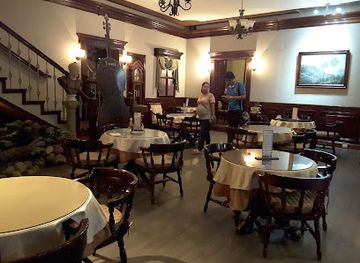
Santa Rosa de Copán offers a vibrant nightlife scene with a variety of bars and nightclubs to cater to different tastes. From trendy cocktail lounges to lively dance clubs, visitors can enjoy a mix of local and international music, delicious drinks, and a lively atmosphere. Whether you're looking to unwind after a day of exploring the city or dance the night away, Santa Rosa de Copán has something for everyone to enjoy well into the night.
-
Restaurant
Jireth Delicias Alimentarias
Experience the rich flavors of local and international cuisine at Jireth Delicias Alimentarias in Santa Rosa de Copán.
18 min walk · 1.5 km from city centre
-
Restaurant
Las Brasas Steak House
Savor the rich flavors of expertly grilled meats at Las Brasas Steak House in Santa Rosa de Copán, a must-visit destination for food lovers.
17 min walk · 1.4 km from city centre
-
Bar
ZOTZ
Discover the vibrant flavors and lively atmosphere at ZOTZ, Santa Rosa de Copan's premier bar and restaurant offering local delicacies and refreshing drinks.
5 min drive · 1.5 km from city centre
-
Bar
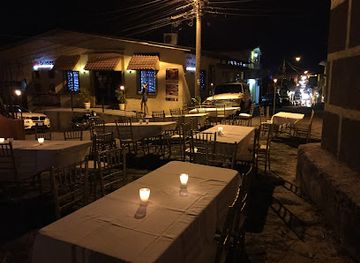
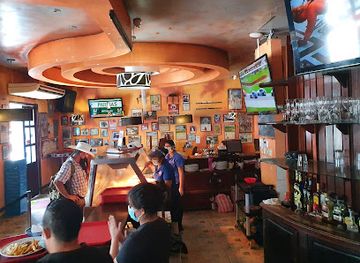
La Madre Popular De Santa Rosa Copan
Experience the vibrant atmosphere and local culture at La Madre Popular De Santa Rosa Copan - a must-visit bar in Santa Rosa de Copan.
5 min drive · 1.6 km from city centre
Best nightclubs in Santa Rosa de Copán
Santa Rosa de Copán offers a vibrant nightlife scene with a variety of bars and nightclubs to cater to different tastes. From trendy cocktail lounges to lively dance clubs, visitors can enjoy a mix of local and international music, delicious drinks, and a lively atmosphere. Whether you're looking to unwind after a day of exploring the city or dance the night away, Santa Rosa de Copán has something for everyone to enjoy well into the night.
-
Bar
La Madre Popular De Santa Rosa Copan
Discover the vibrant atmosphere and local flavors at La Madre Popular De Santa Rosa Copan, the perfect bar for an authentic experience in Copán.
5 min drive · 1.6 km from city centre
-
Bar
Bar Hijo de la Madre
Experience the lively atmosphere and local flavors at Bar Hijo de la Madre in Santa Rosa de Copán, a must-visit bar for tourists.
17 min walk · 1.4 km from city centre
-
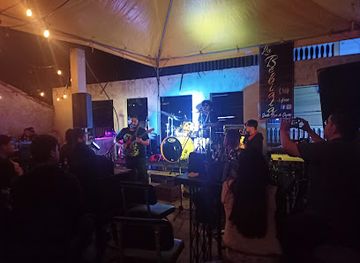
Grill
La Bebiata b4bar
Indulge in authentic Honduran flavors at La Bebiata b4bar, a vibrant grill restaurant in Santa Rosa de Copán, where every meal is a celebration of local culture.
16 min walk · 1.3 km from city centre
-
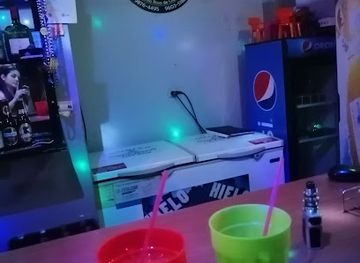
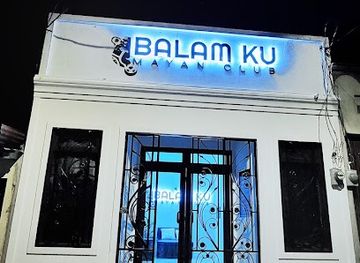
Disco club
BALAMKU (Mayan Club)
Experience the vibrant nightlife at Balamku, the top disco club in Santa Rosa de Copan, where music, dance, and fun come alive!
15 min walk · 1.2 km from city centre
Best shops in Santa Rosa de Copán
Santa Rosa de Copán offers a unique shopping experience for visitors, with a variety of local artisan shops selling handcrafted pottery, textiles, and woodwork. Visitors can also explore the bustling marketplaces filled with fresh produce, spices, and handmade goods. Don't miss the opportunity to sample local delicacies and pick up souvenirs to remember your trip by.
-
Shopping mall
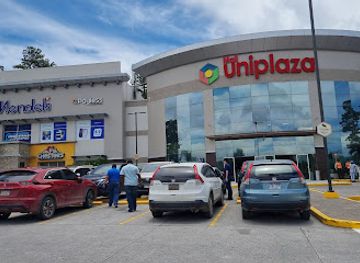
Mall Uniplaza
Discover a shopping oasis at Mall Uniplaza in Santa Rosa de Copan, where diverse shopping, dining, and entertainment await every visitor.
6 min drive · 2.0 km from city centre
-
Coffee store
Kaldi´s Koffee Shop
Discover the rich coffee culture at Kaldi's Koffee Shop, where every cup tells a story in the heart of Santa Rosa de Copán.
17 min walk · 1.4 km from city centre
-
General store
Casa Bueso
Discover unique local treasures at Casa Bueso, the charming general store in Santa Rosa de Copan, where culture meets shopping.
17 min walk · 1.4 km from city centre
-
Electronics store
Jetstereo Santa Rosa de Copán
Discover the premier electronics store in Santa Rosa de Copán, offering a wide range of gadgets and appliances for all your tech needs.
6 min drive · 2.0 km from city centre

Get your free copy of our complete guide to Santa Rosa de Copán, delivered straight to you.
Everything on this page, from attractions and restaurants to essentials and local phrases, in one PDF you can read offline, print or share.
Already have an account? Sign in
Your Santa Rosa de Copán guide is ready.
We'll send it to · Not you? Sign out

Getting your guide ready…
We are putting together a fresh copy of the Santa Rosa de Copán guide. This can take up to a minute.
This can take a few moments. If your browser asks, choose Allow so the download can start. You'll find the guide in your Downloads folder.
Nothing happened? Download it again
Sorry, the guide is taking longer than usual. Please try again in a minute, or get it by email instead.
Santa Rosa de Copán essentials
Currency and Payment
Safety
Emergency Situations
Do's and Don'ts
Local Tips
From Eve
Local phrases worth knowing
You don't need to get them perfect. A few words go a long way, and locals appreciate the effort.
Basics
| English | Local | Say it |
|---|---|---|
| Hello | Hola | [oh-la] |
| Goodbye | Adiós | [ah-dee-ohs] |
| Yes | Sí | [see] |
| No | No | [noh] |
| Please/You're welcome | Por favor/De nada | [por fah-vor/de nah-dah] |
| Thank you | Gracias | [grah-see-ahs] |
| Excuse me/Sorry | Disculpe/Lo siento | [dees-kool-pe/lo see-en-toh] |
| How are you? | ¿Cómo estás? | [koh-moh ehs-tahs] |
| Fine. And you? | Bien. ¿Y tú? | [bee-en. ee too] |
| Do you speak English? | ¿Hablas inglés? | [ah-blahs een-glehs] |
| I don't understand | No entiendo | [noh ehn-tee-ehn-doh] |
Eating & Drinking
| English | Local | Say it |
|---|---|---|
| I'd like to see the menu, please | Me gustaría ver el menú, por favor | [meh goo-stah-ree-ah behr ehl meh-noo, por fah-vor] |
| I don't eat meat | No como carne | [noh koh-moh kahr-neh] |
| Cheers! | ¡Salud! | [sah-lood] |
| I would like to pay, please | Me gustaría pagar, por favor | [meh goo-stah-ree-ah pah-gahr, por fah-vor] |
Emergencies
| English | Local | Say it |
|---|---|---|
| Help! | ¡Ayuda! | [ah-yoo-dah] |
| Go away! | ¡Vete! | [veh-teh] |
| Call the Police! | ¡Llama a la policía! | [yah-mah ah lah poh-lee-see-ah] |
| Call a doctor! | ¡Llama a un doctor! | [yah-mah ah oon dohk-tohr] |
| I'm lost | Estoy perdido | [ehs-toy pehr-dee-doh] |
| I'm ill | Estoy enfermo | [ehs-toy ehn-fehr-moh] |
Shopping
| English | Local | Say it |
|---|---|---|
| I'd like to buy... | Me gustaría comprar... | [meh goo-stah-ree-ah kohm-prahr...] |
| I'm just looking | Solo estoy mirando | [soh-loh ehs-toy mee-rahn-doh] |
| How much is it? | ¿Cuánto cuesta? | [kwan-toh kwehs-tah] |
| That's too expensive | Eso es muy caro | [eh-soh ehs mwee kah-roh] |
| Can you lower the price? | ¿Puedes bajar el precio? | [pweh-dehs bah-hahr ehl pree-syoh] |
Time & Numbers
| English | Local | Say it |
|---|---|---|
| What time is it? | ¿Qué hora es? | [keh oh-rah ehs] |
| It's one o'clock | Es la una | [ehs lah oo-nah] |
| Half past (10) | Media (10) | [meh-dee-ah (deez)] |
| Morning | Mañana | [mah-nyah-nah] |
| Afternoon | Tarde | [tahr-deh] |
| Evening | Noche | [noh-cheh] |
| Yesterday | Ayer | [ah-yehr] |
| Today | Hoy | [oy] |
| Tomorrow | Mañana | [mah-nyah-nah] |
| 1 | Uno | [oo-noh] |
| 2 | Dos | [dohs] |
| 3 | Tres | [trehs] |
| 4 | Cuatro | [kwah-troh] |
| 5 | Cinco | [seen-koh] |
| 6 | Seis | [sehs] |
| 7 | Siete | [see-eh-teh] |
| 8 | Ocho | [oh-choh] |
| 9 | Nueve | [nweh-veh] |
| 10 | Diez | [dyehs] |
Transport & Directions
| English | Local | Say it |
|---|---|---|
| Where's a/the...? | ¿Dónde está el/la...? | [dohn-deh ehs-tah ehl/lah] |
| What's the address? | ¿Cuál es la dirección? | [kwahl ehs lah dee-rehk-syohn] |
| Can you show me (on the map)? | ¿Puedes mostrarme (en el mapa)? | [pweh-dehs mohs-trar-meh (ehn ehl mah-pah)] |
| When's the next (bus)? | ¿Cuándo es el próximo (autobús)? | [kwan-doh ehs ehl proh-ksee-moh (ow-toh-boos)] |
| A ticket (to ....) | Un boleto (a ....) | [oon boh-leh-toh (ah)] |
History of Santa Rosa de Copán
Founding and Early Development
Santa Rosa de Copán, originally known as Los Llanos, was founded in the early 18th century. Initially, it served as a small settlement for Spanish settlers and local indigenous people. The town's location in the highlands provided a strategic advantage for agriculture and trade. Over time, Santa Rosa de Copán grew into a significant commercial hub, particularly known for its tobacco production.
Tobacco Industry Boom
The 19th century marked a period of significant growth for Santa Rosa de Copán, largely due to the booming tobacco industry. The town became renowned for its high-quality tobacco, which was exported to various parts of the world. This economic prosperity attracted a diverse population, including European immigrants, who contributed to the town's cultural and architectural development. The legacy of this era is still evident today in the beautifully preserved colonial buildings and the continued prominence of tobacco in the local economy.
Role in the Honduran Independence Movement
Santa Rosa de Copán played a crucial role in the Honduran independence movement of the early 19th century. The town's strategic location made it a key site for organizing and mobilizing revolutionary activities. Local leaders and residents actively participated in the struggle against Spanish colonial rule, contributing to Honduras' eventual independence in 1821. The town's historical significance in this movement is commemorated by various monuments and annual celebrations.
Religious and Cultural Significance
The religious and cultural life of Santa Rosa de Copán is deeply rooted in its history. The town is home to several historic churches, including the Cathedral of Santa Rosa, which dates back to the 18th century. These religious institutions have been central to the community's spiritual life and social activities. Traditional festivals, such as the annual Feria de Santa Rosa, celebrate the town's patron saint and showcase local music, dance, and cuisine. These events highlight the rich cultural heritage and strong community bonds that characterize Santa Rosa de Copán.
Modern Development and Tourism
In recent decades, Santa Rosa de Copán has experienced significant modernization while maintaining its historical charm. The town has become a popular destination for tourists seeking to explore its colonial architecture, vibrant culture, and scenic landscapes. Efforts to preserve historical sites and promote cultural tourism have brought economic benefits and increased global recognition. Visitors can enjoy a blend of historical exploration and contemporary amenities, making Santa Rosa de Copán a unique and dynamic destination.
Santa Rosa de Copán in Photos
Browse through our photo collection highlighting the charm and character of the destination.
Cities near Santa Rosa de Copán
The closest cities to Santa Rosa de Copán, if you have time for more than one stop.
-

-

-

-

-


Swipe for more cities
Explore more

Explore more of Honduras
Discover Honduras: From ancient Maya ruins and vibrant cities to stunning beaches and lush rainforests, this Central American gem offers something for every traveler.
Explore Honduras