

Free Puerto Cortés Travel Guide & Mobile App
Plan your Puerto Cortés trip with Evendo. Get free guides to top attractions, restaurants, hotels, and bars. Web access or download the mobile app.


Puerto Cortés, Honduras, combines Caribbean beaches, lagoon landscapes, port history, seafood, Garífuna culture and access to the northern coast.
A Port Shaped by the Caribbean
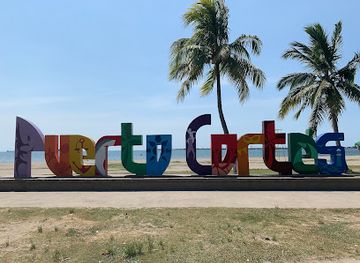
Puerto Cortés occupies a low-lying peninsula on Honduras’s north coast, where the Caribbean Sea meets the broad waters of Laguna de Alvarado. Although its modern identity is closely tied to shipping and commerce, the city also has a distinctly coastal rhythm: palms line the waterfront, small boats work the lagoon, and beaches extend towards the bay. Puerto Cortés is the country’s principal Caribbean port and an important urban centre in the Cortés department, yet its atmosphere remains more local and practical than resort-oriented.Read more about Puerto Cortés
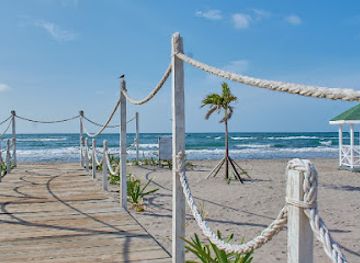
Beaches, Lagoon and Coastal Life
Gateway to the Northern Coast
When is the best time to visit Puerto Cortés?
Best: July–September · 29–30°C| Month | High (°C) | Rainfall (mm) |
|---|---|---|
| January | 28 | 31 |
| February | 29 | 26 |
| March | 29 | 21 |
| April | 29 | 13 |
| May | 30 | 11 |
| June | 30 | 8 |
| July (best) | 30 | 8 |
| August (best) | 30 | 7 |
| September (best) | 29 | 8 |
| October | 29 | 15 |
| November | 29 | 21 |
| December | 28 | 28 |
Getting to and around Puerto Cortés
How to get there
Transportation
Best attractions in Puerto Cortés
Puerto Cortés offers a quieter form of Caribbean sightseeing centred on water, coastal scenery and everyday city life. Laguna de Alvarado is the defining natural feature, with calm waters, mangrove-fringed edges and opportunities to observe the relationship between the lagoon and the sea. The waterfront and beach areas around El Faro provide open views across the bay, while Cienaguita offers another stretch of coast associated with local recreation. In the urban centre, markets, modest civic buildings and streets leading towards the port reveal the commercial character of northern Honduras. Visitors interested in wider regional history can travel west to Omoa, where the Fortaleza de San Fernando de Omoa stands beside the Caribbean, although it is outside Puerto Cortés. The city also works as a base for exploring the northern coast, including Garífuna communities and the landscapes around Tela, but these are separate excursions rather than attractions within the municipal centre.
-
Museum
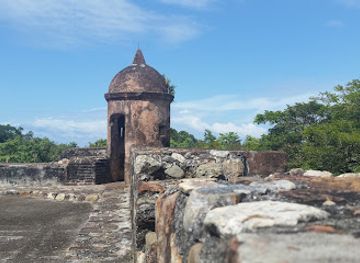
Fortaleza de San Fernando
Discover the historic Fortaleza de San Fernando in Omoa, a stunning 18th-century fortress offering a glimpse into Honduras's colonial past and breathtaking views.
33 min drive · 13 km from city centre
-
Tourist attraction
Museo San Fernando de Omoa
Discover the rich culture and history of Honduras at Museo San Fernando de Omoa, where every exhibit tells a story.
33 min drive · 13 km from city centre

Best landmarks in Puerto Cortés
Puerto Cortés’s most meaningful landmarks are connected to its maritime history and coastal setting. The city’s harbour is its defining civic and economic landmark, although the working port is not simply an open-air attraction and some areas are restricted. The waterfront and El Faro area provide recognisable points of orientation, linking the urban settlement with the bay and the city’s long relationship with shipping. Laguna de Alvarado is a natural landmark whose waters and wetland edges explain the city’s geography better than a single monument could. The name Puerto Cortés itself is a historical marker, recalling the 1869 renaming of the older Puerto Caballos settlement. For colonial military architecture, the Fortaleza de San Fernando de Omoa is the major nearby landmark, but it stands in Omoa, west of the city, and should not be presented as part of Puerto Cortés’s urban fabric.
-
Museum
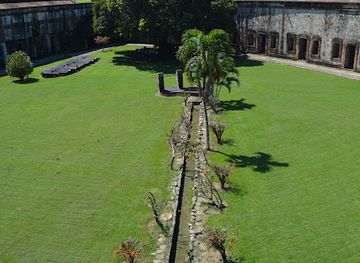
Fortaleza de San Fernando
Explore the Fortaleza de San Fernando in Omoa, Honduras: a historic Spanish fortress with stunning Caribbean views, offering a captivating glimpse into colonial life and maritime defense.
33 min drive · 13 km from city centre
-
Supermarket
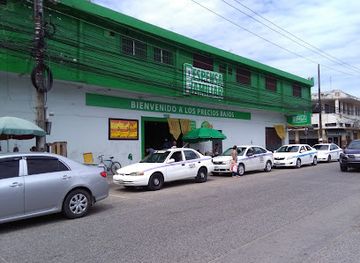
Maxi Despensa • Puerto Cortés
Discover the vibrant flavors of Honduras at Maxi Despensa, your go-to supermarket in Puerto Cortés for essentials and local products.
15 min walk · 1.2 km from city centre
-
Hotel
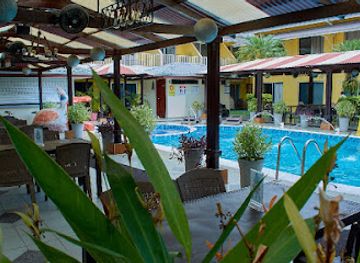
Hotel Costa Azul County Beach
Experience beachfront bliss at Hotel Costa Azul County Beach in Puerto Cortés, Honduras. Enjoy comfortable accommodations, on-site dining, and easy access to local attractions for an unforgettable getaway.
10 min drive · 3.3 km from city centre
-
Hotel
Hotel Costa Azul Faro Marejada
Discover the charm of Hotel Costa Azul in Puerto Cortés, where comfort meets local culture in a serene coastal haven.
5 min drive · 1.6 km from city centre
Explore Puerto Cortés on the map
Plan your Puerto Cortés trip on one map. See where the top attractions, landmarks, restaurants, bars and hotels are, find what's near where you're staying, and book hotels and experiences in a few clicks.
Best hotels in Puerto Cortés
Best restaurants in Puerto Cortés
Puerto Cortés’s food culture reflects its Caribbean setting and its links with the wider Honduran north. Seafood is central, with fish, prawns and other coastal catches appearing in fried, grilled and soup-based dishes, while coconut and plantain add flavours associated with the shoreline. In local cafés and informal eateries, visitors will also encounter Honduran staples such as baleadas, pastelitos, rice, beans and grilled meats. The market area and central streets are useful places to find inexpensive breakfasts, snacks and everyday cooking, whereas seafood restaurants near the coast offer a more leisurely setting. Coastal culinary traditions also reflect the presence of Garífuna communities across the region, whose cuisine is known for combinations of fish, coconut, plantain and cassava. Availability varies by season and establishment, so asking locally about the day’s catch is often more useful than relying on fixed menus.
-
Restaurant
Long Beach Restaurante
Experience authentic Honduran cuisine with stunning ocean views at Long Beach Restaurante in Puerto Cortés.
15 min drive · 4.9 km from city centre
-
 Restaurant
Little Caesars • Puerto Cortés
Experience delicious pizzas at Little Caesars in Puerto Cortés – where flavor meets affordability in a vibrant coastal setting.
9 min walk · 0.7 km from city centre
-
Restaurant
El Delfín
Discover authentic Honduran flavors at El Delfín in Puerto Cortes - where fresh seafood meets warm hospitality.
9 min drive · 3.0 km from city centre
-
Restaurant
Restaurante El Crucero
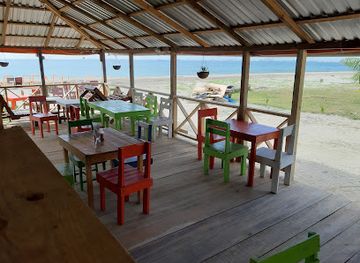
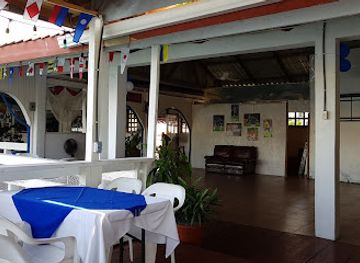
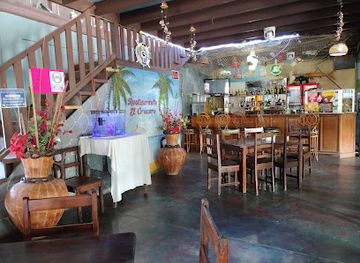
Experience authentic Honduran cuisine at Restaurante El Crucero in Puerto Cortés - where flavor meets culture by the sea.
11 min drive · 3.6 km from city centre
Best bars in Puerto Cortés
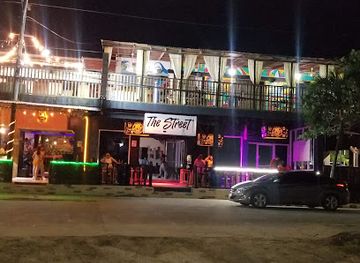
Evenings in Puerto Cortés are generally social and low-key rather than built around a large club scene. Restaurants, informal bars and cafés provide places to meet after work, especially around central commercial areas and the waterfront, while beachside venues may become busier on weekends and holidays. Music is part of the northern coastal atmosphere, with Caribbean and Honduran styles heard alongside popular Latin repertoire, although entertainment varies considerably between establishments. Visitors seeking a quiet evening can focus on a meal or a walk in a populated waterfront area, while those looking for dancing should ask locally about current venues rather than relying on outdated listings. Caution is advisable after dark: use trusted transport, avoid isolated shoreline areas and keep valuables discreet. Larger nightlife circuits and cultural performances are more developed in San Pedro Sula than in Puerto Cortés.
-
Restaurant
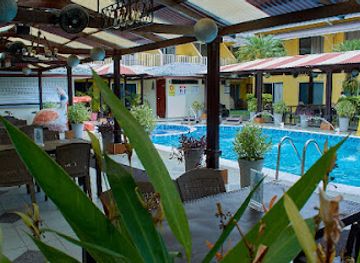
Hotel Costa Azul County Beach
Discover the perfect blend of relaxation and adventure at Hotel Costa Azul County Beach, where stunning views and local cuisine await.
10 min drive · 3.3 km from city centre
-
Gastropub
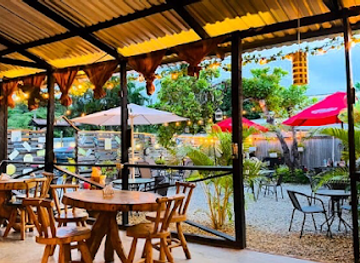
Hookah House & Grill
Discover the lively atmosphere and delicious flavors at Hookah House & Grill, a top gastropub in Cieneguita, Cortés offering a unique hookah experience.
15 min drive · 5.2 km from city centre
-
Hotel
Velomares del Caribe
Discover Velomares del Caribe: A family-friendly hotel offering thrilling canoe adventures and delightful dining in the heart of Puerto Cortés.
13 min drive · 4.2 km from city centre
-
Espresso bar
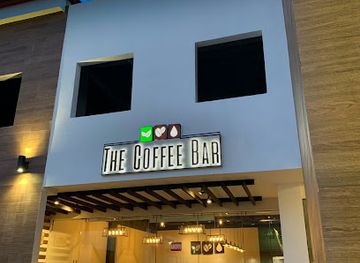
The Coffee Bar - Plaza del Puerto
Discover the essence of Puerto Cortés at The Coffee Bar - where espresso meets local charm in a vibrant community setting.
9 min walk · 0.7 km from city centre
Best nightclubs in Puerto Cortés
Evenings in Puerto Cortés are generally social and low-key rather than built around a large club scene. Restaurants, informal bars and cafés provide places to meet after work, especially around central commercial areas and the waterfront, while beachside venues may become busier on weekends and holidays. Music is part of the northern coastal atmosphere, with Caribbean and Honduran styles heard alongside popular Latin repertoire, although entertainment varies considerably between establishments. Visitors seeking a quiet evening can focus on a meal or a walk in a populated waterfront area, while those looking for dancing should ask locally about current venues rather than relying on outdated listings. Caution is advisable after dark: use trusted transport, avoid isolated shoreline areas and keep valuables discreet. Larger nightlife circuits and cultural performances are more developed in San Pedro Sula than in Puerto Cortés.
-
Night club
LA TERRAZA GRILL
Discover the lively charm of La Terraza Grill in Puerto Cortés, where delicious food meets vibrant nightlife in a unique dining experience.
11 min drive · 3.6 km from city centre
-
Night club
Playa Municipal
Discover the vibrant nightlife of Playa Municipal, a premier night club in Puerto Cortes, where music, dance, and fun come together for an unforgettable experience.
10 min drive · 3.4 km from city centre
-
Bar
MDIveKa
Discover the vibrant nightlife of Puerto Cortés at MDIveKa, where great drinks and a lively atmosphere come together for an unforgettable experience.
12 min drive · 3.9 km from city centre
-
Bar
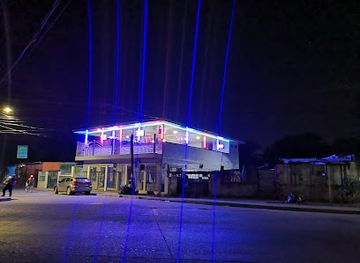
KARAOKE BAR LIGHTS AT NIGHT
Experience the vibrant nightlife of Puerto Cortes at Karaoke Bar Lights at Night, where music, laughter, and unforgettable memories await.
10 min walk · 0.8 km from city centre

Best shops in Puerto Cortés
Shopping in Puerto Cortés is practical and local, with everyday commerce concentrated around central streets, markets, small supermarkets and independent shops rather than a specialised luxury retail district. The municipal market area is the best setting for observing ordinary trade and searching for produce, snacks, household goods and inexpensive souvenirs, while small food shops offer Honduran coffee, sweets and packaged regional products. Visitors may also find woven goods, carved items and coastal crafts through local vendors or community-based sellers, but product selection changes and should be assessed for genuine local origin. Garífuna-influenced crafts and foods are more closely associated with communities across the wider Caribbean coast than with a single Puerto Cortés shopping quarter. Bargaining is not universal, so ask the price politely and accept that many established shops operate at fixed prices.
-
Shopping mall
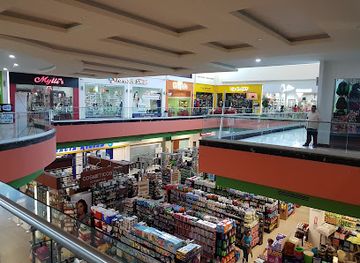
Super Mall
Explore the diverse shopping, dining, and entertainment offerings at Super Mall in Puerto Cortes, a vibrant hub for tourists seeking a memorable experience.
9 min walk · 0.7 km from city centre
-
Dress store
Titi Madrid Boutique
Discover unique fashion at Titi Madrid Boutique in Puerto Cortes, offering stylish dresses that blend local artistry with contemporary trends.
9 min walk · 0.8 km from city centre
-
Clothing store
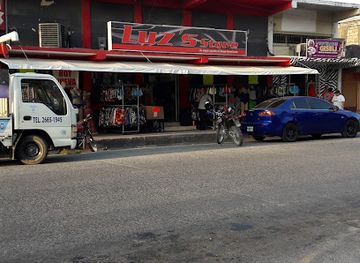
luz store
Explore Luz Store in Puerto Cortes for trendy clothing at affordable prices, capturing the essence of local fashion and style.
10 min walk · 0.8 km from city centre
-
Department store
Tiendas Carrion
Explore Tiendas Carrion in Puerto Cortes for a unique shopping experience filled with local charm and diverse product offerings.
9 min walk · 0.7 km from city centre
Get your free copy of our complete guide to Puerto Cortés, delivered straight to you.
Everything on this page, from attractions and restaurants to essentials and local phrases, in one PDF you can read offline, print or share.
Already have an account? Sign in
Your Puerto Cortés guide is ready.
We'll send it to · Not you? Sign out

Getting your guide ready…
We are putting together a fresh copy of the Puerto Cortés guide. This can take up to a minute.
This can take a few moments. If your browser asks, choose Allow so the download can start. You'll find the guide in your Downloads folder.
Nothing happened? Download it again
Sorry, the guide is taking longer than usual. Please try again in a minute, or get it by email instead.
Puerto Cortés essentials
Currency and Payment
Safety
Emergency Situations
Do's and Don'ts
Local Tips
From Eve
Local phrases worth knowing
You don't need to get them perfect. A few words go a long way, and locals appreciate the effort.
Basics
| English | Local | Say it |
|---|---|---|
| Hello | Hola | [oh-lah] |
| Goodbye | Adiós | [ah-dee-ohs] |
| Yes | Sí | [see] |
| No | No | [noh] |
| Please/You're welcome | Por favor/De nada | [por fah-vor/deh nah-dah] |
| Thank you | Gracias | [grah-see-ahs] |
| Excuse me/Sorry | Disculpe/Lo siento | [dee-skool-pe/loh see-en-toh] |
| How are you? | ¿Cómo estás? | [koh-moh ehs-tahs] |
| Fine. And you? | Bien. ¿Y tú? | [byen. ee too] |
| Do you speak English? | ¿Hablas inglés? | [ah-blahs een-glays] |
| I don't understand | No entiendo | [noh ehn-tee-ehn-doh] |
Eating & Drinking
| English | Local | Say it |
|---|---|---|
| I'd like to see the menu, please | Me gustaría ver el menú, por favor | [meh goos-tah-ree-ah behr ehl meh-noo, por fah-vor] |
| I don't eat meat | No como carne | [noh koh-moh kahr-neh] |
| Cheers! | ¡Salud! | [sah-loohd] |
| I would like to pay, please | Me gustaría pagar, por favor | [meh goos-tah-ree-ah pah-gahr, por fah-vor] |
Emergencies
| English | Local | Say it |
|---|---|---|
| Help! | ¡Ayuda! | [ah-yoo-dah] |
| Go away! | ¡Vete! | [veh-teh] |
| Call the Police! | ¡Llama a la policía! | [yah-mah ah lah poh-lee-see-ah] |
| Call a doctor! | ¡Llama a un médico! | [yah-mah ah oon meh-dee-koh] |
| I'm lost | Estoy perdido | [ehs-toy pehr-dee-doh] |
| I'm ill | Estoy enfermo | [ehs-toy ehn-fehr-moh] |
Shopping
| English | Local | Say it |
|---|---|---|
| I'd like to buy... | Me gustaría comprar... | [meh goos-tah-ree-ah kohm-prahr...] |
| I'm just looking | Solo estoy mirando | [soh-loh ehs-toy mee-rahn-doh] |
| How much is it? | ¿Cuánto cuesta? | [kwan-toh kwehs-tah] |
| That's too expensive | Eso es muy caro | [eh-soh ehs mwee kah-roh] |
| Can you lower the price? | ¿Puedes bajar el precio? | [pweh-dehs bah-hahr ehl pree-syoh] |
Time & Numbers
| English | Local | Say it |
|---|---|---|
| What time is it? | ¿Qué hora es? | [keh oh-rah ehs] |
| It's one o'clock | Es la una | [ehs lah oo-nah] |
| Half past (10) | Media (10) | [meh-dee-ah (diez)] |
| Morning | Mañana | [mah-nyah-nah] |
| Afternoon | Tarde | [tahr-deh] |
| Evening | Noche | [noh-cheh] |
| Yesterday | Ayer | [ah-yehr] |
| Today | Hoy | [oy] |
| Tomorrow | Mañana | [mah-nyah-nah] |
| 1 | Uno | [oo-noh] |
| 2 | Dos | [dohs] |
| 3 | Tres | [trehs] |
| 4 | Cuatro | [kwah-troh] |
| 5 | Cinco | [seen-koh] |
| 6 | Seis | [says] |
| 7 | Siete | [syeh-teh] |
| 8 | Ocho | [oh-choh] |
| 9 | Nueve | [nweh-veh] |
| 10 | Diez | [diez] |
Transport & Directions
| English | Local | Say it |
|---|---|---|
| Where's a/the...? | ¿Dónde está...? | [dohn-deh ehs-tah] |
| What's the address? | ¿Cuál es la dirección? | [kwal ehs lah dee-rehk-syohn] |
| Can you show me (on the map)? | ¿Puedes mostrarme (en el mapa)? | [pweh-dehs mohs-trar-meh (ehn ehl mah-pah)] |
| When's the next (bus)? | ¿Cuándo es el próximo (autobús)? | [kwan-doh ehs ehl prohk-see-moh (ow-toh-booce)] |
| A ticket (to ....) | Un boleto (a ....) | [oon boh-leh-toh (ah)] |
History of Puerto Cortés
Spanish Arrival at Puerto Caballos
The harbour now known as Puerto Cortés entered Spanish colonial history in the sixteenth century. Hernán Cortés established a settlement on the bay in 1525, and the place became known as Puerto Caballos, a name associated with the story that horses were put ashore after a difficult sea crossing. Its position on the Caribbean made it a useful point of communication between the Honduran interior and wider Spanish imperial routes, although colonial settlement along the coast remained vulnerable to disease, difficult terrain and attacks. The bay’s maritime advantages would continue to shape the settlement long after its early colonial beginnings.
A Strategic Caribbean Harbour
During the colonial period, the harbour connected northern Honduras with the movement of people, provisions and goods along the Caribbean coast. Its importance was partly geographical: the bay offered sheltered waters while routes inland led towards the valleys and commercial centres of the region. As elsewhere in Spanish Central America, coastal settlements were influenced by imperial rivalries and the threat of raids, which encouraged defensive planning and shaped patterns of trade. The larger fortifications at Omoa, west of Puerto Cortés, belong to this same coastal history but are not located within the city itself.
From Puerto Caballos to Puerto Cortés
The settlement was renamed Puerto Cortés in 1869, linking its modern identity directly with Hernán Cortés and replacing the older colonial name Puerto Caballos. The change occurred during a period when independent Honduras was seeking to develop transport, commerce and stronger links between its interior and Caribbean coast. A reliable port was central to those ambitions. The bay became increasingly important for the export and import economy, while roads, commercial services and communications gradually expanded around it. This transition helped turn a colonial harbour into a modern Honduran port town.
Railways, Exports and Urban Growth
In the late nineteenth and early twentieth centuries, efforts to connect the Caribbean port with the Honduran interior encouraged railway construction and commercial expansion. Puerto Cortés became closely associated with the export economy of northern Honduras, especially the movement of agricultural products through the port. Banana companies and related infrastructure transformed the wider coastal plain, bringing workers, migrants, new commercial practices and international business interests. The resulting growth was uneven, and the city’s development was shaped as much by port logistics as by civic planning. Warehousing, transport links and waterfront activity remain part of its historical character.
The Contemporary Port City
Puerto Cortés developed into Honduras’s leading maritime gateway and an important centre for national and regional trade. Modern port operations have brought industrial infrastructure and economic significance, while the surrounding urban area has continued to accommodate neighbourhoods, markets, schools and coastal recreation. The city’s present identity therefore combines several layers: a colonial harbour remembered through its name, a nineteenth-century effort to connect coast and interior, the export-driven growth of the northern plain and a contemporary port economy. Nearby beaches, the lagoon and coastal communities provide a social and environmental counterpoint to the working harbour.
Puerto Cortés in Photos
Browse through our photo collection highlighting the charm and character of the destination.
Cities near Puerto Cortés
The closest cities to Puerto Cortés, if you have time for more than one stop.
-
-

-

-

-


Swipe for more cities
Explore more

Explore more of Honduras
Discover Honduras: From ancient Maya ruins and vibrant cities to stunning beaches and lush rainforests, this Central American gem offers something for every traveler.
Explore Honduras