

Kőszeg Mountains Travel Guide - Free Web & App
Your ultimate guide to Kőszeg Mountains. Discover top landmarks, proposed trips, and local tips. Free on the web or via the Evendo companion app.


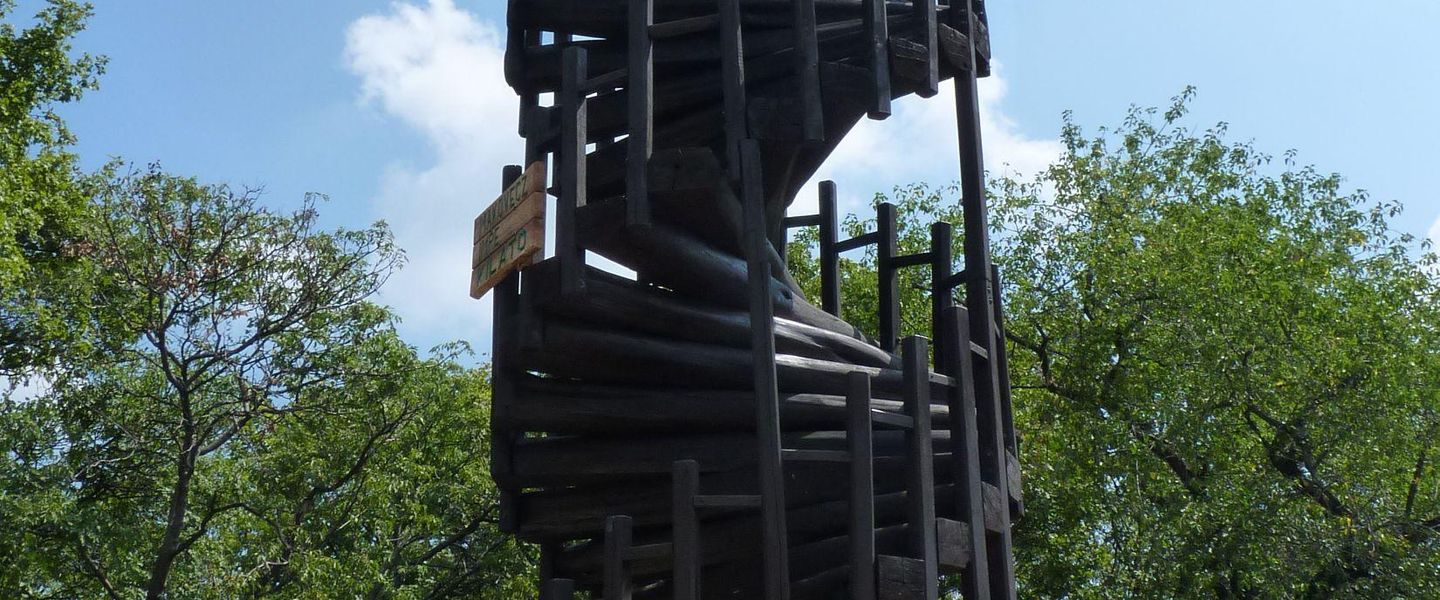


Kőszeg Mountains in Hungary offer forest trails, Írott-kő, borderland views, springs, historic Kőszeg and peaceful walks through the western uplands.
Landscape and Location
The Kőszeg Mountains, or Kőszegi-hegység, form a wooded upland in western Hungary along the Austrian border. Geographically associated with the Eastern Alps, the range rises above the historic town of Kőszeg and continues westwards into Austria, where the highest summit is known as Geschriebenstein. On the Hungarian side, Írott-kő reaches 884 metres and is crowned by a distinctive lookout tower standing close to the frontier. Beech, oak and mixed forests cover much of the slopes, while narrow valleys, springs and open clearings create a landscape suited to walking rather than large-scale resort tourism.Read more about Kőszeg Mountains
Forests, Springs and Border Trails
Kőszeg and the Mountain Foothills
When is the best time to visit Kőszeg Mountains?
Best: June–August · 26–28°C| Month | High (°C) | Rainfall (mm) |
|---|---|---|
| January | 3 | 30 |
| February | 6 | 25 |
| March | 10 | 20 |
| April | 16 | 16 |
| May | 21 | 12 |
| June (best) | 26 | 10 |
| July (best) | 28 | 10 |
| August (best) | 26 | 11 |
| September | 22 | 16 |
| October | 17 | 20 |
| November | 10 | 25 |
| December | 3 | 30 |
Getting to and around Kőszeg Mountains
How to get there
Transportation
Best attractions in Kőszeg Mountains
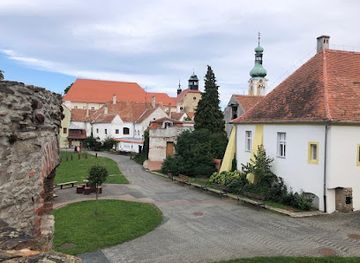
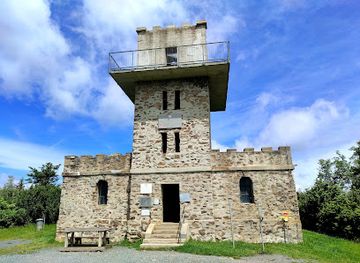
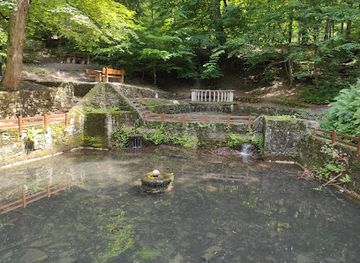
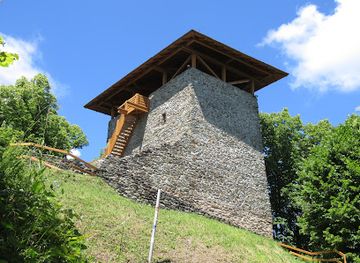
The principal attraction of the Kőszeg Mountains is their network of forest paths, which rises from the foothill villages towards Írott-kő, the Hungarian side’s highest summit at 884 metres. A lookout near the summit provides a memorable borderland setting, while the Hétforrás, or Seven Springs, is a popular woodland destination associated with a group of springs and a picnic area. The Hörmann Spring offers another named point on the higher slopes. Velem is a useful starting point for several mountain excursions and for visiting the nearby St Vid Chapel, while Cák is known for its preserved cellar row, where rural wine-making traditions are presented within a wooded foothill landscape. In Kőszeg itself, Jurisics Castle and the compact historic centre provide a cultural counterpoint to the hills. The Austrian continuation of the range, including the Geschriebenstein area, adds cross-border walking possibilities but should be treated as a neighbouring landscape rather than as part of Hungary.
-
Tourist attraction
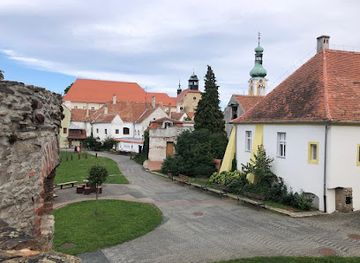
Jurisics Castle
Discover the enchanting Jurisics Castle in Kőszeg, Hungary—a historical landmark that combines rich heritage with stunning architecture.
-
Tourist attraction
Hétforrás
Discover the serene beauty of Hétforrás in Kőszeg, Hungary, where nature and tranquility combine for an unforgettable outdoor experience.
-
Tourist attraction
Óház-kilátó
Discover the stunning beauty of Óház-kilátó, a scenic lookout in Kőszeg offering breathtaking views of the Alps and surrounding landscapes.
-
Tourist attraction
Kincs-pihenő
Discover the serene beauty of Kincs-pihenő in Kőszeg, Hungary—a perfect scenic spot for relaxation and cultural exploration in nature.
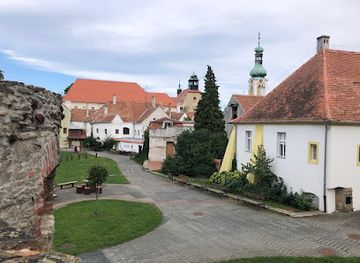
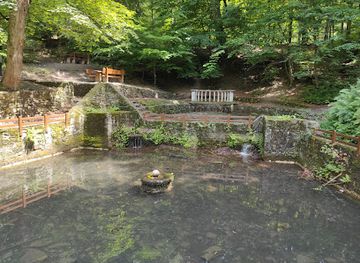
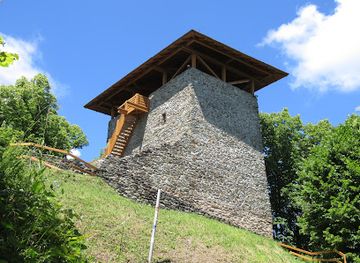
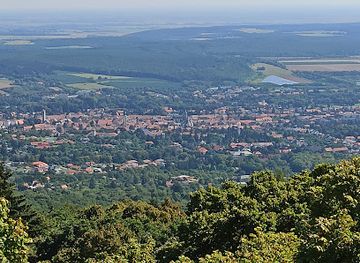
Best landmarks in Kőszeg Mountains
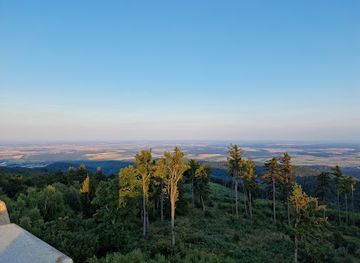
Írott-kő is the defining natural landmark of the Kőszeg Mountains, rising to 884 metres beside the Hungarian-Austrian border and marked by a distinctive lookout tower. The summit represents both the range’s highest point on the Hungarian side and its shared borderland identity, since the mountain continues into Austria as Geschriebenstein. Lower in the forest, the Hétforrás is a recognised spring landmark, while the Hörmann Spring reflects the abundance of named water sources in the uplands. The St Vid Chapel above Velem adds a religious and historical marker to the wooded slopes, and Cák’s traditional cellar row records the region’s viticultural past. Below the mountains, Jurisics Castle in Kőszeg is the most important built landmark, linking the forested border range with the town’s medieval fortifications and the memory of the 1532 Ottoman siege.
-
Castle
Jurisics Castle
Explore Jurisics Castle in Kőszeg, a historical gem showcasing stunning architecture and rich cultural heritage amidst beautiful gardens.
-
Tourist attraction
Aussichtsturm Geschriebenstein
Discover breathtaking views and hiking adventures at Aussichtsturm Geschriebenstein, the scenic lookout tower in Lockenhaus, Austria.
-
Tourist attraction
Hétforrás
Explore Hétforrás in Kőszeg, Hungary - a serene tourist attraction offering stunning natural beauty and a peaceful escape.
-
Scenic spot
Óház-kilátó
Discover the breathtaking beauty of Óház-kilátó in Kőszeg, where panoramic views of the Alps and serene landscapes await your exploration.
Explore Kőszeg Mountains on the map
Plan your trip on one map. See where the top attractions, landmarks, restaurants and hotels are, and book hotels and experiences in a few clicks.
Best hotels in Kőszeg Mountains
Best restaurants in Kőszeg Mountains
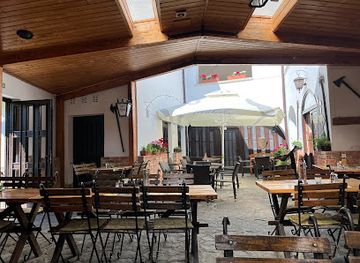
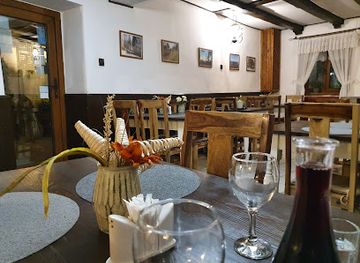
Dining is concentrated in Kőszeg and the surrounding villages rather than deep in the mountain forests. The town provides the broadest choice of restaurants, cafés, bakeries and traditional Hungarian cooking, with menus commonly drawing on regional styles such as soups, stews, paprika-seasoned dishes and seasonal produce. Around Velem, Cák and other foothill settlements, visitors may find village restaurants, guesthouse kitchens or small country establishments, although opening patterns can be seasonal and advance checking is sensible. Local wine has a long association with the Kőszeg area, and the cellar heritage at Cák helps explain the connection between vineyards, rural buildings and regional hospitality. Hikers should not assume that food or drink will be available beside every trailhead, spring or lookout, so provisions from Kőszeg or a nearby village are useful for longer walks.
-
Supermarket
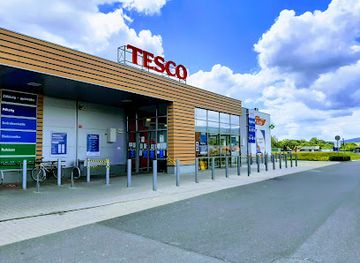
TESCO Kőszeg Hipermarket
Experience shopping like never before at TESCO Kőszeg Hipermarket - where local flavors meet global convenience.
-
Restaurant
Bécsikapu Étterem
Savor authentic Hungarian cuisine at Bécsikapu Étterem in Kőszeg—where tradition meets flavor in every dish.
-
Eastern European
Kék Huszár Vendéglő
Experience authentic Hungarian flavors at Kék Huszár Vendéglő in Kőszeg – a must-visit destination for food lovers.
-
Restaurant
Portré - Étterem, Pizzéria és Panzió
Discover authentic Hungarian flavors at Portré - Étterem, Pizzéria és Panzió in Kőszeg; where tradition meets culinary innovation.
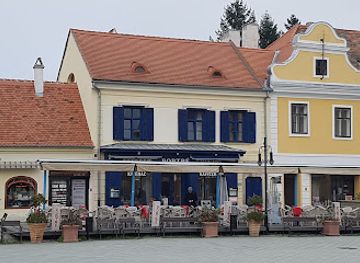
Best bars in Kőszeg Mountains
The Kőszeg Mountains do not have a developed nightlife scene, and evenings are generally quiet once visitors leave Kőszeg. The town’s historic centre offers the most reliable setting for a drink, with cafés, restaurants, wine-focused venues and traditional pubs providing a low-key evening atmosphere rather than club culture. In Velem, Cák and other small settlements, evening options are likely to centre on accommodation providers, village hospitality and occasional local events rather than permanent bars or nightclubs. The region’s character suits a meal, a glass of western Hungarian wine or an early night before walking, while visitors seeking a larger choice of entertainment would need to look beyond the mountain area in a bigger regional centre. Events and opening arrangements can vary, particularly outside the main season.
-
Hotel
Hotel Írottkő Kőszeg
Experience the elegance and charm of Hotel Írottkő, your perfect base to explore Kőszeg, a hidden gem in Hungary, filled with rich history and natural beauty.
-
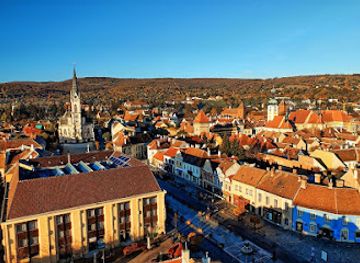
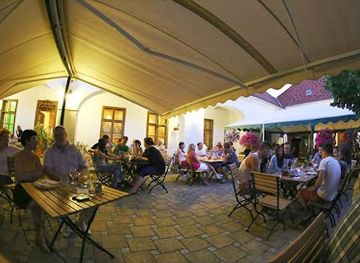
Wine bar
Toth Wine Cellars
Experience the essence of Hungarian wine culture at Toth Wine Cellars in Kőszeg, a perfect blend of tradition and modern taste.
-
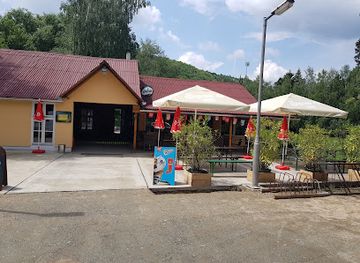
Night club
Kőszegi Csónakázó Tó Hattyú Büfé
Discover tranquility at Kőszegi Csónakázó Tó Hattyú Büfé, where nature meets relaxation and delightful refreshments await.
Best nightclubs in Kőszeg Mountains
The Kőszeg Mountains do not have a developed nightlife scene, and evenings are generally quiet once visitors leave Kőszeg. The town’s historic centre offers the most reliable setting for a drink, with cafés, restaurants, wine-focused venues and traditional pubs providing a low-key evening atmosphere rather than club culture. In Velem, Cák and other small settlements, evening options are likely to centre on accommodation providers, village hospitality and occasional local events rather than permanent bars or nightclubs. The region’s character suits a meal, a glass of western Hungarian wine or an early night before walking, while visitors seeking a larger choice of entertainment would need to look beyond the mountain area in a bigger regional centre. Events and opening arrangements can vary, particularly outside the main season.
-
Night club
Eleven Music Garden
Discover Kőszeg's nightlife at Eleven Music Garden, where electrifying music and vibrant energy create unforgettable nights.
-
Night club
Kőszegi Csónakázó Tó Hattyú Büfé
Experience tranquility at Kőszegi Csónakázó Tó Hattyú Büfé, where nature meets delightful refreshments in a serene Hungarian setting.
Best shops in Kőszeg Mountains
Shopping in the Kőszeg Mountains is modest and locally focused, with the main choice found in Kőszeg rather than at remote viewpoints or forest attractions. The town provides everyday provisions, bakeries, cafés and small independent businesses, while visitors may also encounter regional wine, honey, preserves, craft foods and other products associated with western Hungarian rural life. Cák’s cellar heritage and the vineyards around Kőszeg give local wine a particular cultural presence, although the availability of individual producers varies. Velem and other villages have limited retail services, so walkers should buy food, water and practical supplies in Kőszeg or another larger settlement before heading into the hills. The area is better suited to purchasing regional produce and heritage-related items than to extensive commercial or designer shopping.
-
Castle
Jurisics Castle
Discover Jurisics Castle, Kőszeg: A historical gem blending architecture, culture, and stunning landscapes in Hungary's vibrant heritage.
-
Tourist attraction
Aussichtsturm Geschriebenstein
Discover panoramic views and breathtaking hikes at Aussichtsturm Geschriebenstein, Austria's stunning lookout tower.
-
Tourist attraction
Hétforrás
Experience the serene beauty of Hétforrás in Kőszeg, Hungary, where nature's tranquility and enchanting springs await every traveler.
-
Supermarket
TESCO Kőszeg Hipermarket
Discover local flavors and essentials at TESCO Kőszeg Hipermarket, the perfect shopping spot for tourists in Hungary.
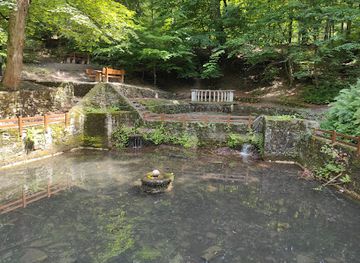
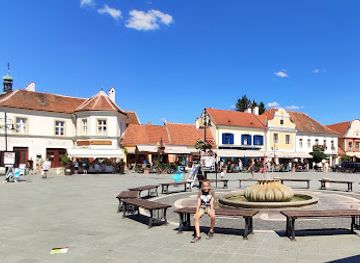
Get your free copy of our complete guide to Kőszeg Mountains, delivered straight to you.
Everything on this page, from attractions and restaurants to essentials and local phrases, in one PDF you can read offline, print or share.
Already have an account? Sign in
Your Kőszeg Mountains guide is ready.
We'll send it to · Not you? Sign out

Getting your guide ready…
We are putting together a fresh copy of the Kőszeg Mountains guide. This can take up to a minute.
This can take a few moments. If your browser asks, choose Allow so the download can start. You'll find the guide in your Downloads folder.
Nothing happened? Download it again
Sorry, the guide is taking longer than usual. Please try again in a minute, or get it by email instead.
Kőszeg Mountains essentials
Currency and Payment
Safety
Emergency Situations
Do's and Don'ts
Local Tips
From Eve
Local phrases worth knowing
You don't need to get them perfect. A few words go a long way, and locals appreciate the effort.
Basics
| English | Local | Say it |
|---|---|---|
| Hello | Szia | [see-yah] |
| Goodbye | Viszontlátásra | [vee-sont-la-taash-ra] |
| Yes | Igen | [ee-gen] |
| No | Nem | [nem] |
| Please/You're welcome | Kérem | [kay-rem] |
| Thank you | Köszönöm | [kur-soe-nurm] |
| Excuse me/Sorry | Elnézést | [el-nay-zayst] |
| How are you? | Hogy vagy? | [ho-dj vodj] |
| Fine. And you? | Jól vagyok. És te? | [yol vod-yok. ays teh] |
| Do you speak English? | Beszélsz angolul? | [be-sails on-go-lool] |
| I don't understand | Nem értem | [nem air-tem] |
Eating & Drinking
| English | Local | Say it |
|---|---|---|
| I'd like to see the menu, please | Szeretnék látni a menüt, kérem | [ser-et-nayk laht-nee ah men-yoot, kay-rem] |
| I don't eat meat | Nem eszem húst | [nem es-em hoost] |
| Cheers! | Egészségedre! | [eg-esh-sayg-ed-reh] |
| I would like to pay, please | Szeretnék fizetni, kérem | [ser-et-nayk fee-zeht-nee, kay-rem] |
Emergencies
| English | Local | Say it |
|---|---|---|
| Help! | Segítség! | [she-geet-sayg] |
| Go away! | Menj el! | [men-y el] |
| Call the Police! | Hívj rendőrt! | [heev rend-urrt] |
| Call a doctor! | Hívj orvost! | [heev or-vosst] |
| I'm lost | Elvesztettem az utat | [el-vest-eh-tem oz oo-taht] |
| I'm ill | Beteg vagyok | [beh-teg vod-yok] |
Shopping
| English | Local | Say it |
|---|---|---|
| I'd like to buy... | Szeretnék vásárolni... | [ser-et-nayk vah-sha-rohl-nee] |
| I'm just looking | Csak nézelődöm | [chak nay-zeh-lur-durhm] |
| How much is it? | Mennyibe kerül? | [men-nyee-beh keh-rool] |
| That's too expensive | Túl drága | [tool dra-gah] |
| Can you lower the price? | Le tudnád engedni az árat? | [leh tud-naad eng-ehd-nee oz ah-raht] |
Time & Numbers
| English | Local | Say it |
|---|---|---|
| What time is it? | Mennyi az idő? | [men-nyee oz ee-dur] |
| It's one o'clock | Egy óra van | [edj o-ra von] |
| Half past (10) | Fél tizenegy | [fayl tee-zen-ayg] |
| Morning | Reggel | [red-jel] |
| Afternoon | Délután | [day-loo-tahn] |
| Evening | Este | [es-teh] |
| Yesterday | Tegnap | [teg-nap] |
| Today | Ma | [mah] |
| Tomorrow | Holnap | [hol-nap] |
| 1 | Egy | [edj] |
| 2 | Kettő | [ket-toe] |
| 3 | Három | [ha-rom] |
| 4 | Négy | [nayg] |
| 5 | Öt | [oet] |
| 6 | Hat | [haht] |
| 7 | Hét | [hayt] |
| 8 | Nyolc | [nyoltz] |
| 9 | Kilenc | [kee-lentz] |
| 10 | Tíz | [teaz] |
Transport & Directions
| English | Local | Say it |
|---|---|---|
| Where's a/the...? | Hol van a... | [hol von ah] |
| What's the address? | Mi a cím? | [mee ah cheem] |
| Can you show me (on the map)? | Megmutatnád (a térképen)? | [meg-moo-tat-naad ah tayr-kay-pen] |
| When's the next (bus)? | Mikor jön a következő (busz)? | [mee-kor yern ah kuh-vet-keh-zoo (boos)] |
| A ticket (to ....) | Egy jegyet (....-ra) | [edj yeg-yet (...-rah)] |
History of Kőszeg Mountains
An Alpine Foothill Landscape
The Kőszeg Mountains belong to the western Hungarian uplands and are geologically connected with the Eastern Alps. Their rounded, forested ridges differ from Hungary’s extensive lowland landscapes and have long shaped settlement, agriculture and movement in the surrounding area. The range’s highest point, Írott-kő at 884 metres, lies close to the modern Hungarian-Austrian frontier, reflecting the mountains’ position at the meeting point of Central European geographical regions.
Early Settlement and Borderland Communities
Human settlement developed mainly around the lower valleys and foothills, where a more manageable climate and cultivable land supported villages and small-scale agriculture. Kőszeg became the principal urban centre, while settlements such as Velem and Cák retained close links with woodland, vineyards and mountain resources. The area’s historic identity was shaped by its position in western Hungary, where local communities lived near changing political boundaries and maintained connections across the wider Alpine borderland.
Kőszeg and the Jurisics Legacy
The history of the mountains is closely connected with Kőszeg, whose castle and fortified town were important in the medieval and early modern periods. Kőszeg Castle is associated with the 1532 Ottoman siege, when defenders led by Nikola Jurišić, known in Hungarian as Jurisics Miklós, resisted the advancing army. Although the battle occurred in the town rather than on the mountain ridges, the event helped define the region’s historical reputation and explains the prominence of Jurisics Castle in the cultural landscape below the range.
Forests, Vineyards and Rural Industry
For centuries, communities around the Kőszeg Mountains combined farming and viticulture with the use of woodland resources. The cellar rows at Cák preserve a visible reminder of traditional rural wine culture, with small timber-and-stone buildings associated with vineyard work and storage. Forests supplied materials and supported local livelihoods, while the valleys and sheltered slopes retained a distinct village character. These land uses gradually became part of the region’s heritage as industrial and agricultural patterns changed.
A Divided Frontier and Protected Landscape
During the twentieth century, the Hungarian-Austrian border restricted movement across the mountain area and left many frontier paths outside ordinary public travel. The political changes of the late twentieth century transformed the mountains into a more accessible cross-border landscape, although visitors should still observe current border requirements. Protection of the Hungarian side as the Kőszeg Landscape Protection Area reflects the importance of its forests, springs, habitats and traditional settlements, while modern tourism is centred on walking, heritage and responsible landscape access.
Kőszeg Mountains in Photos
Browse through our photo collection highlighting the charm and character of the destination.
Neighbouring destination travel guides
The closest destinations to Kőszeg Mountains, if you have time for more than one.
-

-
-
-

-


Swipe for more destinations
Explore more

Explore more of Western Transdanubia
Western Transdanubia combines historic Hungarian towns, Alpine-border landscapes, thermal spas, vineyards and the western shores of Lake Balaton.
Explore Western Transdanubia
Explore more of Hungary
Discover Hungary: A land of historic cities, scenic landscapes, thermal baths, and rich culinary traditions in the heart of Europe.
Explore Hungary