

Sopron Wine Region, Hungary Travel Guide
Discover Sopron Wine Region: Hungary's historic heart of Kékfrankos, offering scenic vineyards, medieval charm, and unforgettable wine tasting experiences.
Nestled in the northwest corner of Hungary, the Sopron Wine Region is a delightful blend of historical charm and vinicultural excellence. Known as the 'Capital of Kékfrankos,' this region offers a unique experience for wine lovers and history enthusiasts alike. The rolling vineyards, picturesque landscapes, and centuries-old cellars create a serene and inviting atmosphere for visitors. The town of Sopron itself is a treasure trove of medieval architecture, with cobblestone streets and beautifully preserved buildings. The Firewatch Tower, a symbol of the town, offers panoramic views of the surrounding vineyards and the Austrian border. The region's rich history is reflected in its wine-making traditions, which date back to Roman times. Wine tasting in Sopron is a journey through time and flavor. Local wineries often host tours and tastings, providing insights into the production process and the distinct characteristics of the region's wines. The star of the show is undoubtedly the Kékfrankos, a robust red wine that has gained international acclaim. However, the region also produces excellent whites and rosés, catering to diverse palates. Pair your wine with traditional Hungarian dishes for an authentic culinary experience.

Know before you go
Hi, I'm Eve. Here are a few practical things to know before exploring Sopron Wine Region.
- Visit during the autumn harvest season to experience the vibrant wine festivals and grape picking activities.
- Don't miss the chance to climb the Firewatch Tower for breathtaking views of Sopron and its surrounding vineyards.
- Plan a visit to the Sopron Museum to learn about the region's rich history and wine-making heritage.
- Make reservations in advance for winery tours and tastings, as they can be popular, especially during peak seasons.
- Explore the local cuisine by dining at traditional Hungarian restaurants that offer wine pairings with regional dishes.
Explore Sopron Wine Region: Things to Do, Places to Eat, Hotels & More
Handpicked recommendations for top attractions, local dining, accommodations, and more

Best attractions in Sopron Wine Region
Top-rated picks
Best Attractions

Károly-kilátó
Discover Károly-kilátó, a mesmerizing scenic viewpoint in Sopron, Hungary, where breathtaking landscapes and rich history await every traveler.

Taródi vár
Discover the enchanting Taródi Vár in Sopron, Hungary – a fairy tale castle steeped in history and surrounded by stunning natural beauty.

Sörházdombi-kilátó
Experience the stunning views and serene atmosphere at Sörházdombi-kilátó, a must-visit lookout point in Sopron, Hungary.

Sopron Botanical Garden
Discover the tranquil beauty of the Sopron Botanical Garden, a lush haven of diverse flora and serene landscapes in Hungary’s historic town of Sopron.

Best landmarks in Sopron Wine Region
Top-rated picks
Best Landmarks

Fire Tower
Explore the Fire Tower in Sopron, a historic landmark offering breathtaking views and a journey through the city's rich architectural heritage.
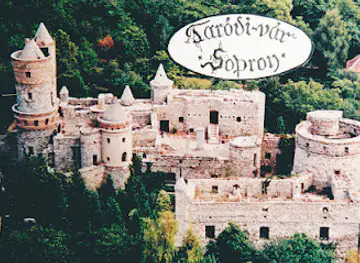
Taródi vár
Explore the enchanting Taródi Vár in Sopron, a captivating castle ruin offering stunning views and a glimpse into Hungary's medieval past.

Hotel Siesta
Experience the charm of Sopron at Hotel Siesta, where comfort meets local culture in a delightful Hungarian setting.

Main Square
Discover the charm of Sopron's Main Square, a vibrant historical hub filled with stunning architecture and local culture.

Best restaurants in Sopron Wine Region
Top-rated picks
Best Restaurants

Papa Joe's Saloon & Steakhouse
Experience authentic American cuisine at Papa Joe's Saloon & Steakhouse in Sopron—where great steaks meet lively hospitality.

Tercia Hubertus Étterem és Panzió
Discover authentic Hungarian cuisine in a serene woodland setting at Tercia Hubertus Étterem és Panzió near Sopron.

Tercia Kópháza
Experience authentic Hungarian cuisine at Tercia Kópháza - where tradition meets taste in a cozy setting.

White Rose
Experience authentic Hungarian cuisine and fine wines at White Rose Restaurant in Sopron - where every meal is a celebration of flavor.

Best bars in Sopron Wine Region
Top-rated picks
Best Bars

Papa Joe's Saloon & Steakhouse
Experience the best of American cuisine at Papa Joe's Saloon & Steakhouse in Sopron, renowned for its succulent steaks and vibrant atmosphere.

Harrer-Chocolat Ltd.
Experience the sweet symphony of flavors at Harrer-Chocolat Ltd., a chocolate artisan and café in Sopron, Hungary, offering delightful pastries and exquisite chocolates.

Tercia Hubertus Étterem és Panzió
Experience the flavors of Hungary at Tercia Hubertus Étterem és Panzió, a hidden gem in the woods of Sopron, where culinary tradition meets natural beauty.

Ottimo Burger kebab bár
Experience the best burgers and kebabs in Sopron at Ottimo Burger Kebab Bár, where fresh ingredients meet exceptional flavors.

Best nightclubs in Sopron Wine Region
Top-rated picks
Best Nightclubs

CNTRL Sopron
Dive into the electrifying nightlife of Sopron at CNTRL, where music, dance, and vibrant energy collide for an unforgettable experience.

Club Ibiza
Dive into the heart of Sopron's nightlife at Club Ibiza, where music and dance create unforgettable memories under the dazzling lights.

Central Palace
Unleash your spirit at Central Palace, Sopron's premier night club, where the beats are fresh and the energy is contagious.

Smau Garden&Pub
Discover the vibrant nightlife at Smau Garden&Pub in Sopron, a perfect blend of music, drinks, and a welcoming atmosphere for tourists.

Best shops in Sopron Wine Region
Top-rated picks
Best Shops

TESCO Sopron Hipermarket
Explore TESCO Sopron Hipermarket for a taste of local flavors and a diverse shopping experience in Sopron, Hungary.

Tercia Hubertus Étterem és Panzió
Experience exquisite dining and cozy accommodations at Tercia Hubertus Étterem és Panzió in Sopron, Hungary, where culinary delights await.

Interspar
Discover local flavors and everyday essentials at Interspar, Sopron's premier hypermarket, perfect for tourists and locals alike.

OBI
Explore OBI in Sopron for all your home improvement needs, offering quality products and expert advice for every DIY project.

Explore Sopron Wine Region on the Map
A handpicked selection of must-see spots in Sopron Wine Region, mapped for you.
Sopron Wine Region Essentials
-
Sopron Wine Region is located in the western part of Hungary, near the Austrian border. The nearest international airport is Vienna International Airport, approximately 70 kilometers away. From Vienna, you can take a direct train to Sopron, which takes around 1.5 hours. Alternatively, you can fly into Budapest Ferenc Liszt International Airport and take a train or bus to Sopron. The train journey from Budapest to Sopron takes about 2.5 hours.
-
Sopron is well-connected by public transportation. Local buses and taxis are readily available, and the town itself is quite walkable. For exploring the wine region, renting a car is recommended, as it provides the flexibility to visit numerous vineyards and scenic spots at your own pace. Bicycle rentals are also available for those who prefer an eco-friendly mode of transportation.
-
The official currency in Hungary is the Hungarian Forint (HUF). Credit and debit cards are widely accepted in hotels, restaurants, and larger shops in Sopron. However, it's advisable to carry some cash, especially when visiting smaller establishments and rural areas. ATMs are available throughout Sopron for cash withdrawals.
-
Sopron is generally a safe destination for tourists. As with any travel destination, it is advisable to remain vigilant and take standard precautions. Avoid isolated areas at night and keep an eye on your belongings in crowded places. There are no specific areas in Sopron known for high crime rates targeting tourists. However, always stay aware of your surroundings and exercise common sense.
-
In case of an emergency, dial 112 for immediate assistance. This number works for police, fire, and medical emergencies. Sopron has a well-equipped hospital and several pharmacies where you can purchase over-the-counter medications. It is recommended to have travel insurance that covers medical emergencies during your stay.
-
Fashion: Do dress comfortably and appropriately for the weather, but avoid overly casual attire when dining in upscale restaurants. Religion: Do be respectful when visiting churches and religious sites, and dress modestly. Public Transport: Do validate your ticket before boarding trains and buses. Don't eat or drink on public transport. Greetings: Do greet people with a firm handshake and maintain eye contact. Eating & Drinking: Do try local wines and traditional dishes. Don't refuse food or drink offerings, as it may be considered impolite.
-
To experience Sopron Wine Region like a local, visit the local markets where you can buy fresh produce and regional specialties. Engage with the vineyard owners and winemakers, who are often eager to share their knowledge and passion for wine. Don't miss the annual Sopron Wine Festival, where you can taste a variety of local wines and enjoy traditional Hungarian music and dance. Exploring the nearby Lövér Hills offers beautiful hiking opportunities and stunning views of the region.
When is the best time to visit Sopron Wine Region?
Useful Local Phrases for Sopron Wine Region
You don't need to speak the language perfectly. Even learning a few simple words can make conversations warmer—and locals usually appreciate the effort.
— Eve

Here are the phrases I use most often in Sopron Wine Region. Try a few—you'll be surprised how far they go! 😊
❤️
-
- HelloSzia
[See-ah] - GoodbyeViszlát
[Vee-slaht] - YesIgen
[Ee-gen] - NoNem
[Nem] - Please/You're welcomeKérem
[Kay-rem] - Thank youKöszönöm
[Ker-suh-nuhm] - Excuse me/SorryElnézést
[El-nay-zayst] - How are you?Hogy vagy?
[Hodj vahdj] - Fine. And you?Jól vagyok. És te?
[Yol vahdj-ok. Aysh teh] - Do you speak English?Beszélsz angolul?
[Beh-sayl-s ang-oh-lool] - I don't understandNem értem
[Nem air-tem]
- HelloSzia
-
- I'd like to see the menu, pleaseSzeretnék látni az étlapot, kérem
[Seh-reht-nayk laht-nee az ay-tlah-poht, kay-rem] - I don't eat meatNem eszek húst
[Nem es-ek hoost] - Cheers!Egészségedre!
[Eh-gay-shayg-ed-reh] - I would like to pay, pleaseSzeretnék fizetni, kérem
[Seh-reht-nayk fee-zeht-nee, kay-rem]
- I'd like to see the menu, pleaseSzeretnék látni az étlapot, kérem
-
- Help!Segítség!
[Sheh-geet-sayg] - Go away!Menj el!
[Mehn yel] - Call the Police!Hívj rendőrt!
[Heev rayn-durt] - Call a doctor!Hívj orvost!
[Heev or-vosht] - I'm lostElvesztem
[El-veh-stem] - I'm illBeteg vagyok
[Beh-tehg vahdj-ok]
- Help!Segítség!
-
- I'd like to buy...Szeretnék vásárolni...
[Seh-reht-nayk vah-shar-ol-nee] - I'm just lookingCsak nézelődöm
[Chak nay-zeh-loh-dohm] - How much is it?Mennyibe kerül?
[Men-yee-beh ker-ool] - That's too expensiveEz túl drága
[Ehz tool drah-gah] - Can you lower the price?Le tudnád engedni az árat?
[Leh too-dnahd eng-ed-nee az ah-raht]
- I'd like to buy...Szeretnék vásárolni...
-
- What time is it?Mennyi az idő?
[Men-yee ahz ee-deh] - It's one o'clockEgy óra van
[Edge oh-rah vahn] - Half past (10)Fél (tíz)kor
[Fayl (tease) kohr] - MorningReggel
[Reh-gel] - AfternoonDélután
[Day-loo-tahn] - EveningEste
[Esh-teh] - YesterdayTegnap
[Teg-nap] - TodayMa
[Mah] - TomorrowHolnap
[Hohl-nap] - 1Egy
[Edge] - 2Kettő
[Ket-toh] - 3Három
[Ha-rom] - 4Négy
[Nayg] - 5Öt
[Oht] - 6Hat
[Haht] - 7Hét
[Hayt] - 8Nyolc
[Nyoltz] - 9Kilenc
[Kee-lents] - 10Tíz
[Tease]
- What time is it?Mennyi az idő?
-
- Where's a/the...?Hol van a...
[Hohl vahn ah] - What's the address?Mi a cím?
[Mee ah cheem] - Can you show me (on the map)?Megmutatnád (a térképen)?
[Meg-moo-taht-nahd (ah tair-kay-pen)] - When's the next (bus)?Mikor jön a következő (busz)?
[Mee-kor yern ah koh-vet-kay-zoh (boos)] - A ticket (to ....)Egy jegy (....-ra)
[Edge yedj (rah)]
- Where's a/the...?Hol van a...
History of Sopron Wine Region
-
The history of viticulture in the Sopron Wine Region dates back to Roman times. The Romans recognized the potential of the region's unique microclimate and fertile soil, and they established vineyards to cultivate grapes for wine production. Archaeological findings, including wine presses and amphorae, have provided evidence of this early viticultural activity.
-
During the medieval period, Sopron became a significant center for wine trade. The town's strategic location along major trade routes facilitated the export of its renowned wines to various parts of Europe. Historical records from the 13th century mention the quality of Sopron wines, which were highly sought after by merchants and nobility alike.
-
The Ottoman occupation of Hungary in the 16th and 17th centuries had a profound impact on the Sopron Wine Region. While many vineyards were destroyed during the conflicts, some managed to survive and even thrive under Ottoman rule. The Ottomans introduced new grape varieties and viticultural techniques, which contributed to the diversity of wines produced in the region.
-
The 18th and 19th centuries marked the golden age of Sopron wines. This period saw the establishment of several prominent wine estates and the introduction of advanced winemaking techniques. Sopron wines gained international acclaim, winning numerous awards at prestigious wine competitions. The region's wines were favored by the Habsburg court and other European aristocracy.
-
In the late 19th century, the Sopron Wine Region, like many other European wine regions, was devastated by the phylloxera epidemic. The tiny aphid-like insect attacked the roots of grapevines, leading to widespread destruction of vineyards. The crisis forced local winemakers to replant their vineyards with phylloxera-resistant rootstocks, a process that took several decades.
-
After World War II, the Sopron Wine Region underwent significant reconstruction. The socialist regime nationalized many of the vineyards and established state-run cooperatives. Despite the challenges of this period, winemakers continued to produce high-quality wines. The region's wine industry began to recover and modernize, laying the groundwork for future success.
-
The fall of communism in 1989 brought about a renaissance for the Sopron Wine Region. Privatization of vineyards and the influx of investment led to a revival of traditional winemaking practices and the adoption of modern technologies. Today, Sopron is celebrated for its diverse range of wines, from elegant reds to crisp whites, and its vibrant wine tourism industry attracts visitors from around the world.
Cities in Sopron Wine Region
Browse our curated selection of top destinations, scenic points, and must-visit spots in the area.

Neighbouring destination travel guides
Browse our curated selection of top destinations, scenic points, and must-visit spots in the area.



Your all‑in‑one travel companion app
Explore expert travel guides, compare and book tours, experiences, hotels, and more—all from the palm of your hand. Download now for seamless trip planning wherever your wanderlust takes you.


Explore More of Sopron region

Looking beyond Sopron Wine Region? Discover Sopron region for broader travel guides, local hot-spots, and regional highlights.
Explore Sopron regionExplore More of Hungary

Looking beyond Sopron Wine Region? Discover Hungary for broader travel guides, local hot-spots, and regional highlights.
Explore HungarySopron Wine Region in Photos
Browse through our photo collection highlighting the charm and character of the destination.


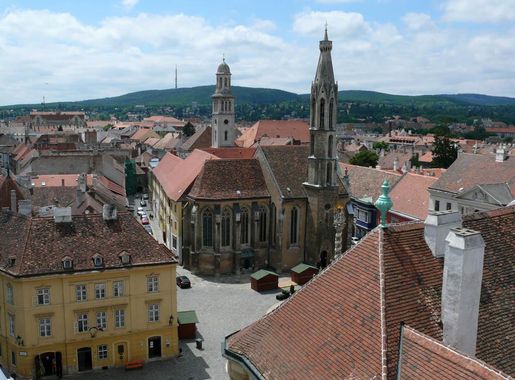


Sopron Wine Region: Hungary's Hidden Gem of Viniculture
Nestled in the northwest corner of Hungary, the Sopron Wine Region is a delightful blend of historical charm and vinicultural excellence. Known as the 'Capital of Kékfrankos,' this region offers a unique experience for wine lovers and history enthusiasts alike. The rolling vineyards, picturesque landscapes, and centuries-old cellars create a serene and inviting atmosphere for visitors. The town of Sopron itself is a treasure trove of medieval architecture, with cobblestone streets and beautifully preserved buildings. The Firewatch Tower, a symbol of the town, offers panoramic views of the surrounding vineyards and the Austrian border. The region's rich history is reflected in its wine-making traditions, which date back to Roman times. Wine tasting in Sopron is a journey through time and flavor. Local wineries often host tours and tastings, providing insights into the production process and the distinct characteristics of the region's wines. The star of the show is undoubtedly the Kékfrankos, a robust red wine that has gained international acclaim. However, the region also produces excellent whites and rosés, catering to diverse palates. Pair your wine with traditional Hungarian dishes for an authentic culinary experience.