
Palouse, Idaho Travel Guide
Discover the serene beauty and unique topography of the Palouse, Idaho's rolling hills region, perfect for outdoor adventures and tranquil escapes.
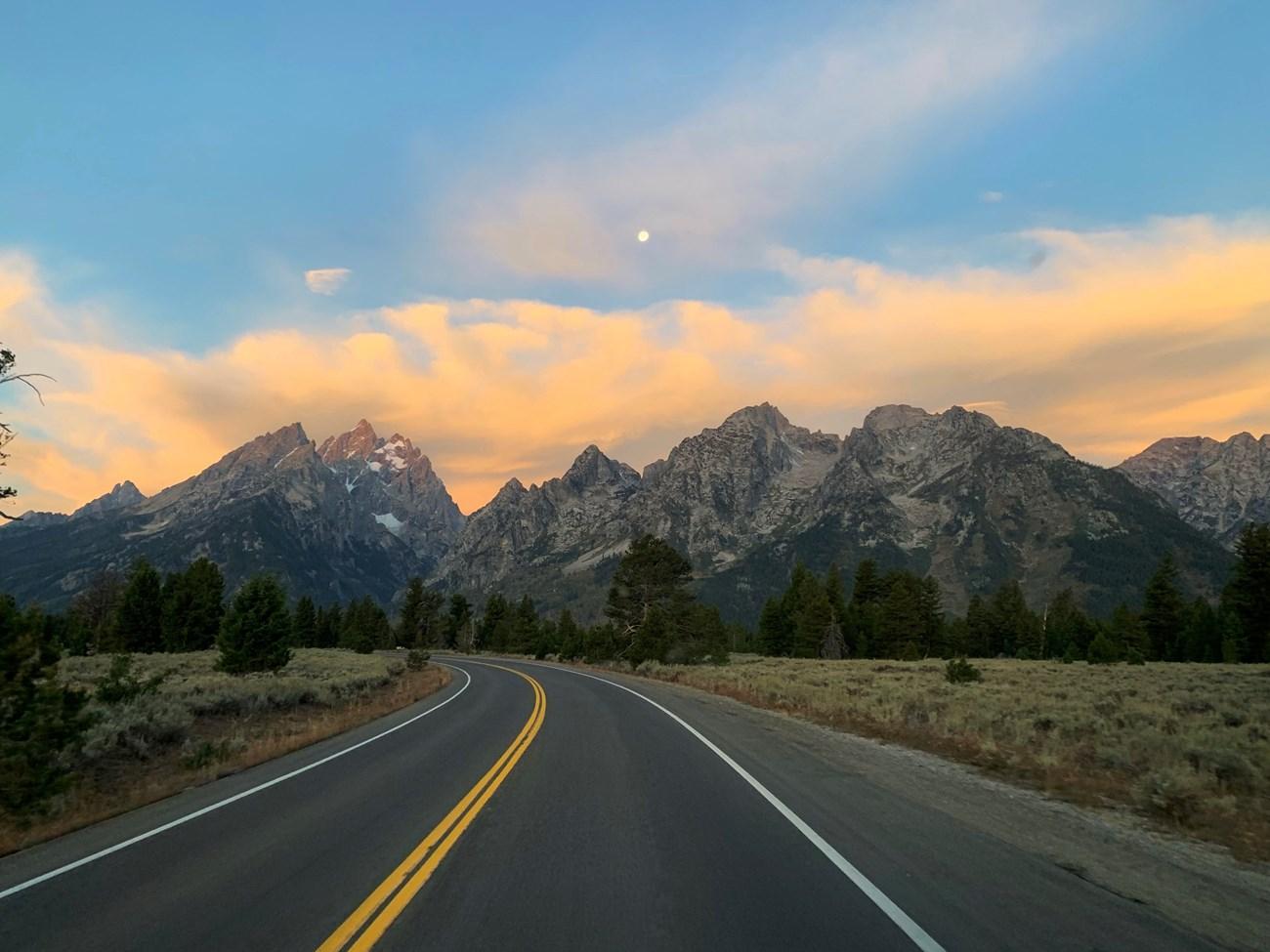
Nestled in the northern region of Idaho, the Palouse is a picturesque landscape of rolling hills and lush farmland. Known for its unique topography, the region offers a tranquil escape into nature's beauty. The hills are covered in a patchwork of crops, creating a stunning mosaic of colors that change with the seasons. In spring, the fields burst into vibrant greens, while autumn brings a warm palette of golds and browns. The Palouse is not just about scenic drives and breathtaking views. The area is rich in outdoor activities, from hiking and biking to birdwatching and photography. The Kamiak Butte and Steptoe Butte offer some of the best vantage points for panoramic views of the landscape. For those interested in local culture, the small towns of Moscow and Pullman provide a charming glimpse into rural life, complete with local markets, cafes, and festivals. Whether you're an avid photographer looking to capture the perfect shot, a nature enthusiast eager to explore the trails, or simply someone looking to unwind in a peaceful setting, the Palouse offers something for everyone. Its serene beauty and welcoming communities make it a must-visit destination in Idaho.

Know before you go
Hi, I'm Eve. Here are a few practical things to know before exploring Palouse.
- Best time to visit is late spring to early summer for the greenest landscapes.
- Bring a good camera; the views are incredibly photogenic.
- Visit Kamiak Butte and Steptoe Butte for panoramic views.
- Check out local farmers' markets in Moscow for fresh produce.
- Wear comfortable hiking shoes for exploring trails.
Top City Travel Guides in Palouse
The cities of Palouse, and the easiest places to base yourself.
Explore Palouse: Things to Do, Places to Eat, Hotels & More
Handpicked recommendations for top attractions, local dining, accommodations, and more

Top Attractions & Sightseeing in Palouse
Top-rated picks
Best Attractions

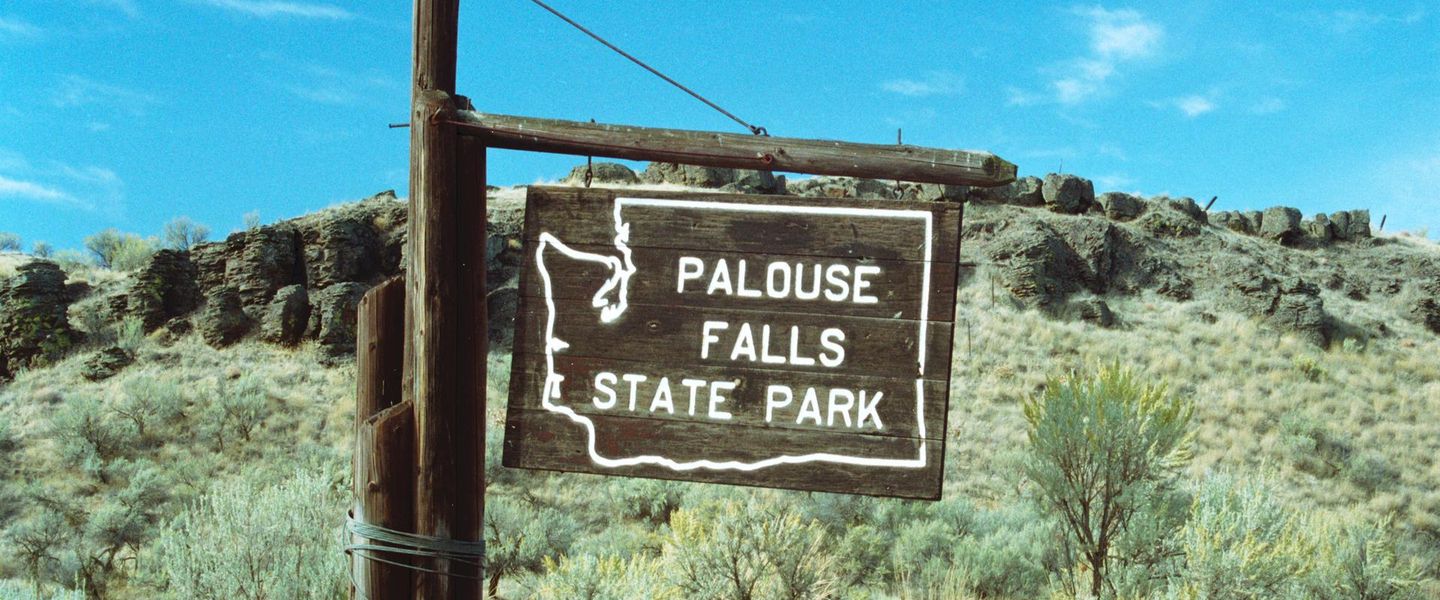
Palouse Falls State Park
Explore the captivating Palouse Falls State Park, a stunning natural wonder in Washington State, featuring breathtaking waterfalls and scenic landscapes.

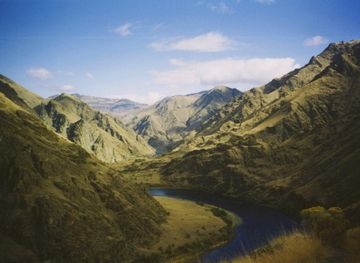
Hells Gate State Park
Explore Hells Gate State Park: A Scenic Retreat for Nature Lovers and Adventure Seekers in Lewiston, Idaho.

Steptoe Butte State Park
Explore the breathtaking panoramic views and serene landscapes of Steptoe Butte State Park in Washington's iconic Palouse region.

Arboretum & Botanical Garden
Discover the beauty of nature at the Arboretum & Botanical Garden in Moscow, Idaho, a tranquil escape for relaxation and education in horticulture.


Best restaurants in Palouse
Top-rated picks
Best Restaurants

South Fork Public House
Discover the heart of American cuisine at South Fork Public House in Pullman - where comfort food meets lively atmosphere.

Tapped - Taphouse & Kitchen
Discover Tapped - A Gastropub Experience Blending Craft Beer and Gourmet Dining in Moscow's Heart.

Palouse Caboose Bar And Grill
Experience delightful dining at Palouse Caboose Bar And Grill - where local flavors meet warm hospitality in every bite.

Lodgepole
Experience exquisite New American cuisine at Lodgepole in Moscow, Idaho – where local flavors meet culinary creativity.

Best bars in Palouse
Top-rated picks
Best Bars

The Breakfast Club
Experience delightful breakfasts and cozy ambiance at The Breakfast Club, a top-rated family restaurant in Moscow, Idaho.

The Old European Restaurant
Delight in the flavors of Europe at Pullman's favorite breakfast destination, The Old European Restaurant, where every bite tells a story.

South Fork Public House
Discover the flavors of America at South Fork Public House, Pullman's vibrant restaurant featuring a diverse menu and lively bar.

Birch and Barley
Experience the best of American cuisine at Birch and Barley in Pullman, WA, where fresh ingredients meet culinary creativity.

Best nightclubs in Palouse
Top-rated picks
Best Nightclubs

Alibi/Sports Edition
Discover the vibrant nightlife at Alibi/Sports Edition, a top night club and bar in Lewiston, Idaho, offering great drinks and lively entertainment.

Boomtown American Saloon
Discover the dynamic nightlife of Lewiston at Boomtown American Saloon, a lively night club with great music and a welcoming atmosphere.

Palouse Waves
Discover the vibrant nightlife at Palouse Waves, a dance club where music and energy come alive for an unforgettable experience.

Souvenir Swing LLC
Unleash your inner dancer at Souvenir Swing LLC, the ultimate dance club experience for lively nights and unforgettable memories.

Best shops in Palouse
Top-rated picks
Best Shops

Palouse Mall
Discover shopping, dining, and family fun at Palouse Mall in Moscow, Idaho – your ultimate retail destination!

Walmart Supercenter
Discover unbeatable value and variety at Walmart Supercenter in Moscow, Idaho, your ultimate shopping destination for all your travel needs.

Tri-State Outfitters
Discover quality outdoor gear at Tri-State Outfitters, the ultimate destination for outdoor sports enthusiasts in Moscow, Idaho.

Michaels
Discover your creative spirit at Michaels Moscow, the ultimate craft store for art supplies, seasonal decor, and DIY inspiration.

Explore Palouse on the Map
A handpicked selection of must-see spots in Palouse, mapped for you.
Palouse Essentials
-
Palouse is located in the southeastern part of Washington State, close to the Idaho border. The nearest major airport is Spokane International Airport (GEG), approximately 90 miles north of Palouse. From the airport, you can rent a car, take a shuttle, or use a rideshare service to reach Palouse. Alternatively, you can fly into Pullman-Moscow Regional Airport (PUW), which is about 30 miles south of Palouse and offers limited regional flights. Public transportation options are limited, so renting a car is recommended for flexibility and convenience.
-
In Palouse, the best way to get around is by car. The region is known for its scenic drives, and having your own vehicle allows you to explore at your own pace. There are several car rental agencies available at Spokane International Airport and Pullman-Moscow Regional Airport. While public transportation is limited, it is possible to use local taxis or rideshare services for short trips. Biking is also a popular option, especially for those looking to enjoy the picturesque landscapes and mild weather.
-
The official currency in Palouse, Idaho, is the US Dollar (USD). Credit and debit cards are widely accepted in most establishments, including hotels, restaurants, and shops. However, it is advisable to carry some cash for small purchases or for use in rural areas where card facilities may be limited. ATMs are available in the town, but make sure to inform your bank of your travel plans to avoid any issues with card transactions.
-
Palouse is generally a safe destination for tourists. However, as with any travel destination, it's important to take standard precautions. Avoid leaving valuables in your car and always lock your doors. While there are no specific high-crime areas targeting tourists, it's advisable to stay vigilant, especially in less populated areas. Be cautious when exploring rural roads, as they can be narrow and winding.
-
In case of emergency, dial 911 for immediate assistance. Palouse has a local police department and medical facilities to handle emergencies. It is recommended to have travel insurance that includes medical coverage. For minor health issues, there are pharmacies in the town where you can purchase over-the-counter medications. Keep a list of emergency contacts and the address of your accommodation handy.
-
Fashion: Do wear comfortable clothing and sturdy footwear, especially if you plan to explore the outdoors. Layers are recommended due to changing weather conditions. Religion: Do respect local customs and traditions. If visiting religious sites, dress modestly. Public Transport: Do plan ahead, as public transportation options are limited. Renting a car is the best way to get around. Greetings: Do greet people with a friendly hello or a handshake. Locals are known for their hospitality. Eating & Drinking: Do try local delicacies and support local eateries. Don't forget to tip, as it is customary in the United States.
-
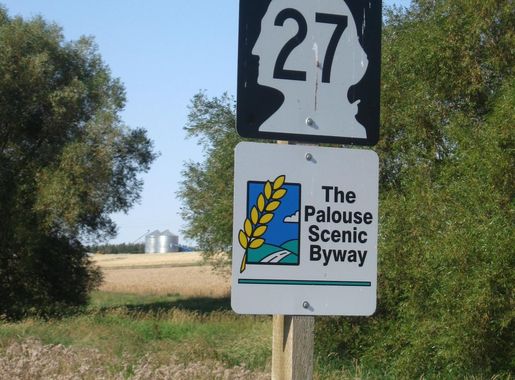
To experience Palouse like a local, visit the local farmers' markets where you can purchase fresh produce and handmade goods. Engage with locals, as they are often friendly and willing to share stories about the area's history and culture. Don't miss the Palouse Scenic Byway, which offers stunning views of the rolling hills and farmlands. For a unique experience, visit during the harvest season to see the vibrant colors of the wheat fields.
When is the best time to visit Palouse?
Useful Local Phrases for Palouse
You don't need to speak the language perfectly. Even learning a few simple words can make conversations warmer—and locals usually appreciate the effort.
— Eve

Here are the phrases I use most often in Palouse. Try a few—you'll be surprised how far they go! 😊
❤️
-
- HelloHowdy
[haʊdi] - GoodbyeSee ya later
[siː jə ˈleɪtər] - YesYep
[jɛp] - NoNah
[nɑː] - Please/You're welcomeSure thing
[ʃʊr θɪŋ] - Thank youThanks a lot
[θæŋks ə lɑt] - Excuse me/SorryPardon me
[ˈpɑrdən mi] - How are you?How’s it going?
[haʊz ɪt ˈɡoʊɪŋ] - Fine. And you?Good. You?
[ɡʊd ju] - Do you speak English?Do ya speak English?
[du jə spiːk ˈɪŋɡlɪʃ] - I don't understandI don’t get it
[aɪ doʊnt ɡɛt ɪt]
- HelloHowdy
-
- I'd like to see the menu, pleaseCan I see the menu?
[kæn aɪ siː ðə ˈmɛnju] - I don't eat meatI’m a vegetarian
[aɪm ə ˌvɛdʒəˈtɛriən] - Cheers!Cheers!
[tʃɪrz] - I would like to pay, pleaseCheck, please
[tʃɛk pliz]
- I'd like to see the menu, pleaseCan I see the menu?
-
- Help!Help!
[hɛlp] - Go away!Leave me alone!
[liːv mi əˈloʊn] - Call the Police!Call the cops!
[kɔl ðə kɑps] - Call a doctor!Get a doctor!
[ɡɛt ə ˈdɑktər] - I'm lostI’m lost
[aɪm lɔst] - I'm illI feel sick
[aɪ fiːl sɪk]
- Help!Help!
-
- I'd like to buy...I wanna buy...
[aɪ ˈwɑnə baɪ] - I'm just lookingJust browsing
[dʒʌst ˈbraʊzɪŋ] - How much is it?What’s the price?
[wʌts ðə praɪs] - That's too expensiveThat costs too much
[ðæt kɔsts tu mʌʧ] - Can you lower the price?Can ya give me a better price?
[kæn jə ɡɪv mi ə ˈbɛtər praɪs]
- I'd like to buy...I wanna buy...
-
- What time is it?What time is it?
[wʌt taɪm ɪt] - It's one o'clockIt’s one o’clock
[ɪts wʌn əˈklɑk] - Half past (10)Half past ten
[hæf pæst tɛn] - MorningMorning
[ˈmɔrnɪŋ] - AfternoonAfternoon
[ˌæftərˈnun] - EveningEvening
[ˈivnɪŋ] - YesterdayYesterday
[ˈjɛstərdeɪ] - TodayToday
[təˈdeɪ] - TomorrowTomorrow
[təˈmɔroʊ] - 1One
[wʌn] - 2Two
[tu] - 3Three
[θri] - 4Four
[fɔr] - 5Five
[faɪv] - 6Six
[sɪks] - 7Seven
[ˈsɛvən] - 8Eight
[eɪt] - 9Nine
[naɪn] - 10Ten
[tɛn]
- What time is it?What time is it?
-
- Where's a/the...?Where's the...?
[wɛrz ðə] - What's the address?What’s the address?
[wʌts ði əˈdrɛs] - Can you show me (on the map)?Can you point it out?
[kæn jə pɔɪnt ɪt aʊt] - When's the next (bus)?When's the next bus?
[wɛnəz ðə nɛkst bʌs] - A ticket (to ....)One ticket to...
[wʌn ˈtɪkɪt tu]
- Where's a/the...?Where's the...?
History of Palouse
-
Long before human settlers arrived, the Palouse region was shaped by dramatic geological events, including volcanic activity and glacial movements. The rolling hills and fertile soil, characteristic of the Palouse, were primarily formed during the last Ice Age. These natural features created an ideal environment for diverse flora and fauna, setting the stage for future human habitation.
-
The Palouse region was originally inhabited by the Palus (or Palouse) tribe, a group of Native Americans who lived in the area for thousands of years. They were skilled horsemen and farmers, cultivating crops such as camas roots and engaging in trade with neighboring tribes. The Palus people had a rich cultural heritage, with traditions and stories deeply tied to the land.
-
In the early 19th century, European explorers and fur traders began to venture into the Palouse region. Notably, the Lewis and Clark Expedition passed through the area in 1805, documenting the landscape and its resources. By the mid-1800s, homesteaders began to settle in the Palouse, drawn by the promise of fertile farmland. The establishment of towns and communities soon followed.
-
The late 19th and early 20th centuries saw an agricultural boom in the Palouse region. The fertile loess soil and favorable climate made it an ideal location for wheat farming. The introduction of advanced farming techniques and machinery transformed the landscape into a patchwork of productive farmland. The Palouse quickly became one of the leading wheat-producing regions in the United States.
-
Education became a cornerstone of the Palouse region's development with the founding of the University of Idaho in 1889 and Washington State University in 1890. These institutions attracted students, faculty, and researchers, contributing to the region's cultural and intellectual growth. The universities also played a crucial role in agricultural research, further enhancing the productivity and sustainability of local farming practices.
-
The Palouse region is rich in cultural heritage, celebrated through various festivals and events. The annual Lentil Festival in Pullman, Washington, showcases the region's agricultural bounty, particularly its production of lentils and other legumes. The Palouse also hosts art and music festivals, highlighting the creativity and talents of local artists and musicians. These events provide a glimpse into the vibrant community spirit of the Palouse.
-
In recent years, there has been a growing emphasis on conservation and sustainability in the Palouse region. Efforts to preserve the unique landscape and protect native species have led to the establishment of nature reserves and conservation programs. Sustainable farming practices are being promoted to ensure the long-term health of the soil and environment. These initiatives reflect the community's commitment to balancing agricultural productivity with ecological stewardship.
Neighbouring Regions of Palouse
The closest regions to Palouse, if you have time for more than one.


Your all‑in‑one travel companion app
Explore expert travel guides, compare and book tours, experiences, hotels, and more—all from the palm of your hand. Download now for seamless trip planning wherever your wanderlust takes you.


Explore More of Idaho

Looking beyond Palouse? Discover Idaho for broader travel guides, local hot-spots, and regional highlights.
Explore IdahoPalouse in Photos
Browse through our photo collection highlighting the charm and character of the destination.





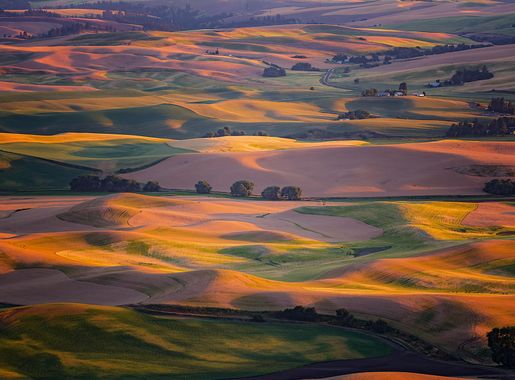
The Rolling Hills of Palouse: Nature's Tapestry in Idaho
Nestled in the northern region of Idaho, the Palouse is a picturesque landscape of rolling hills and lush farmland. Known for its unique topography, the region offers a tranquil escape into nature's beauty. The hills are covered in a patchwork of crops, creating a stunning mosaic of colors that change with the seasons. In spring, the fields burst into vibrant greens, while autumn brings a warm palette of golds and browns. The Palouse is not just about scenic drives and breathtaking views. The area is rich in outdoor activities, from hiking and biking to birdwatching and photography. The Kamiak Butte and Steptoe Butte offer some of the best vantage points for panoramic views of the landscape. For those interested in local culture, the small towns of Moscow and Pullman provide a charming glimpse into rural life, complete with local markets, cafes, and festivals. Whether you're an avid photographer looking to capture the perfect shot, a nature enthusiast eager to explore the trails, or simply someone looking to unwind in a peaceful setting, the Palouse offers something for everyone. Its serene beauty and welcoming communities make it a must-visit destination in Idaho.