

Free Silver Valley Travel Guide & Mobile App
Explore Silver Valley with free travel guides. Discover regional history, expert tips, proposed trips, and audio guides on web or mobile app.


Explore Silver Valley, Idaho, for mining heritage, historic Wallace, forested mountains, cycling trails, skiing and authentic northern Rocky Mountain scenery.
Read more about Silver Valley
Getting to and around Silver Valley
How to get there
Transportation
Top city travel guides in Silver Valley
The cities of Silver Valley, and the easiest places to base yourself.

Swipe for more cities
Best attractions in Silver Valley
Silver Valley’s attractions bring together mining history and mountain recreation rather than concentrating on a single monumental sight. Wallace’s historic centre, museums and former mining-related buildings explain how a remote mineral district became a prosperous industrial community. Kellogg adds the Silver Mountain Resort, with winter skiing and warmer-season mountain activities, while nearby trailheads lead into heavily forested country. The Trail of the Coeur d’Alenes follows a former railway line and provides an accessible route for cycling and walking through the valley and surrounding landscapes. The Pulaski Tunnel Trail near Wallace combines a moderate forest walk with interpretation of the Great Fire of 1910. Farther east, the Mullan and Lookout Pass area offers snow sports, hiking and access to the mountain environment around the Idaho-Montana boundary. Visitors interested in industrial heritage can explore museums, historic streets and surviving structures, but should distinguish preserved sites from active or restricted mining land. The region’s appeal lies in the contrast between close-set valley towns and the broad network of steep, quiet forests beyond them.
-
Theme park
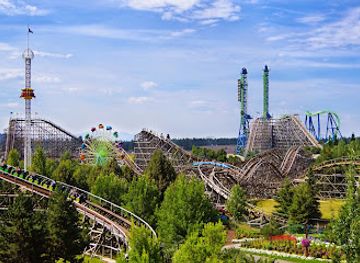
Silverwood Theme Park
Experience endless fun at Silverwood Theme Park, Idaho's premier amusement attraction with thrilling rides, water adventures, and family-friendly entertainment.
-
Park
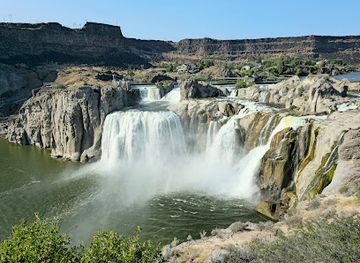
Shoshone Falls Park
Discover the awe-inspiring Shoshone Falls Park in Twin Falls, Idaho, with breathtaking views, outdoor adventures, and rich natural beauty.
-
Park
McEuen Park
Explore McEuen Park, an urban oasis in Coeur d'Alene, offering scenic views, recreational activities, and family-friendly fun in the heart of Idaho.
-
Park
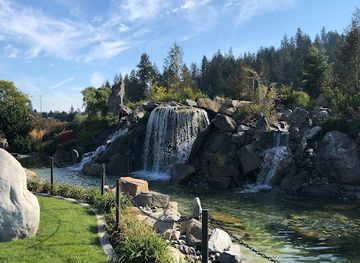
Falls Park
Explore the beauty of Falls Park in Post Falls, Idaho, where nature meets relaxation in a stunning outdoor setting filled with trails and picnic areas.

Best landmarks in Silver Valley
Wallace’s historic downtown is Silver Valley’s most recognisable architectural landmark, with a compact ensemble of brick commercial buildings that recalls the town’s importance as a mining and railway centre. The restored Wallace mining and business district is especially effective when read as a complete streetscape rather than as isolated façades. Kellogg’s Bunker Hill Mine and Mill is a prominent reminder of the industrial scale that once defined the valley, although visitors should observe current access arrangements and restrictions around industrial property. The Pulaski Tunnel near Wallace has both geographical and historical significance: the old prospect became a refuge during the Great Fire of 1910 and now anchors a memorial trail. The valley itself is also a landmark landscape, with Interstate 90, the river corridor and historic settlements compressed between steep forested mountains. At the eastern end, Lookout Pass marks a significant route across the Bitterroot Range and connects Silver Valley’s mining geography with the broader interior Northwest.
-
Ski resort
Silver Mountain Resort
Explore the breathtaking landscapes and thrilling activities at Silver Mountain Resort, Idaho's premier ski destination for all seasons.
-
Water park
Silver Rapids Waterpark
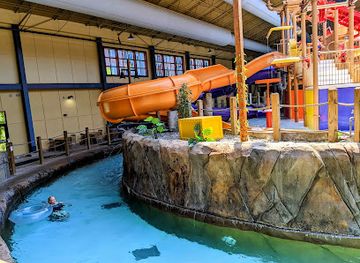
Experience the ultimate indoor water fun at Silver Rapids Waterpark, where family-friendly attractions and thrilling slides await in Kellogg, Idaho.
-
Park
Coeur d’Alene’s Old Mission State Park
Explore the rich history and stunning scenery at Coeur d’Alene’s Old Mission State Park, a cultural and natural treasure in Idaho.
-
Historical landmark
Yankee Fork Gold Dredge
Explore the Yankee Fork Gold Dredge, an iconic historical landmark in Idaho, revealing the rich heritage of gold mining amidst breathtaking mountain scenery.


Explore Silver Valley on the map
Plan your trip on one map. See where the top cities, national parks and sights are, and book hotels and experiences in a few clicks.
Best hotels in Silver Valley
Best restaurants in Silver Valley
Dining in Silver Valley reflects its working-town roots, mountain setting and modest but varied visitor economy. Wallace has the broadest choice of restaurants, cafés, bakeries and traditional American dining, while Kellogg and the other communities provide additional casual options, cafés and places suited to visitors heading for the trails or ski areas. Menus commonly draw on familiar Idaho and Pacific Northwest ingredients, including potatoes, trout, locally sourced meat where available, seasonal produce and hearty soups or sandwiches suited to a cool mountain climate. Historic pubs and inns often provide an informal setting for dinner, while breakfast cafés are useful before an early trail or ski day. Craft beer and regional wines may appear alongside standard American drinks, but Silver Valley is not primarily a destination for a specialised regional cuisine. Food shops and small markets are practical for stocking up before travelling along longer trails or into the mountains, where dining and grocery services become scarce.
-
Steak
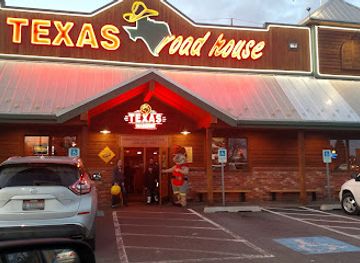
Texas Roadhouse
Discover the authentic taste of America at Texas Roadhouse in Coeur d'Alene - where every meal is an unforgettable celebration of flavor.
-
American
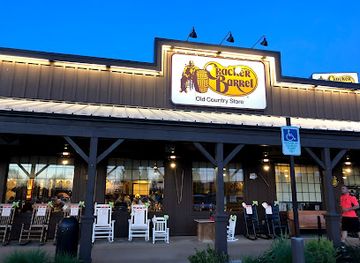
Cracker Barrel Old Country Store
Discover the charm of Cracker Barrel Old Country Store in Coeur d'Alene—where delicious Southern comfort food meets unique shopping experiences.
-
American
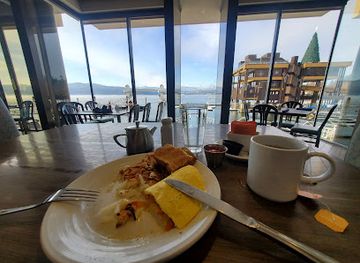
Dockside Restaurant
Experience breathtaking views and delectable American cuisine at Dockside Restaurant in Coeur d'Alene – where every meal is a celebration of flavor.
-
American
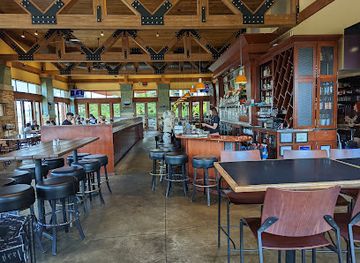
Bardenay Restaurant & Distillery - Coeur d'Alene
Experience the fusion of craft distilling and American cuisine at Bardenay Restaurant & Distillery in scenic Coeur d'Alene.
Best bars in Silver Valley
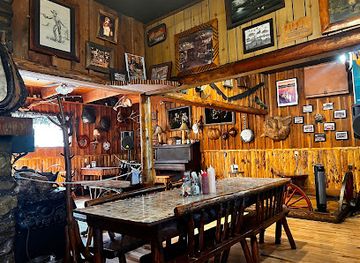
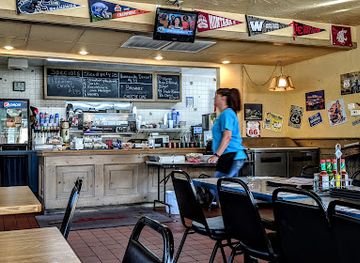
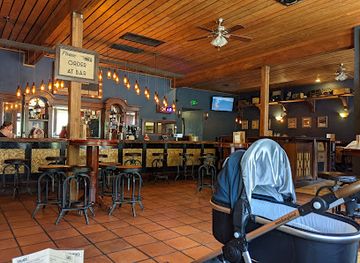
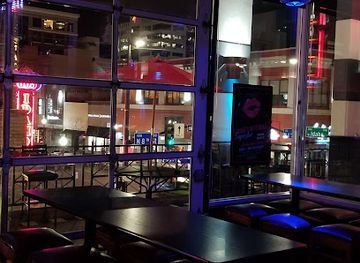
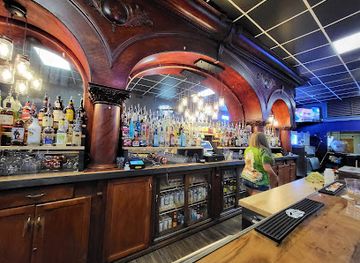
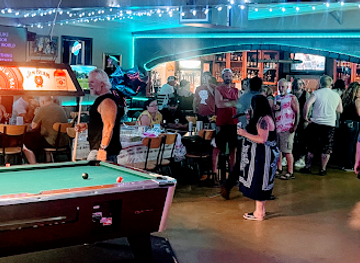
Evening life in Silver Valley is centred on traditional bars, pubs, restaurants and community-oriented venues rather than a large nightclub scene. Wallace has the greatest concentration of places to enjoy a drink or a meal after visiting its historic centre, with establishments ranging from informal local bars to more polished dining rooms. Kellogg also offers evening options, particularly during busy ski and summer recreation periods, while smaller settlements tend to close earlier and have fewer choices. Live music, seasonal events and gatherings connected with the resort or local community may add variety, but schedules change and should be checked locally. Breweries and craft-beer selections may feature in the valley’s hospitality scene, although the region’s identity is not dependent on alcohol. Visitors travelling between towns should plan transport in advance, especially at night, as rural taxi and rideshare availability is limited.
-
Brewpub
Westwood Brewing Co
Discover the taste of Rathdrum at Westwood Brewing Co, where craft beer meets delicious comfort food in a cozy brewpub setting.
-
Bar
The Snake Pit
Experience the historic charm of The Snake Pit in Kingston, Idaho, where delectable burgers meet a vibrant bar atmosphere amidst breathtaking scenery.
-
Family-friendly
Sam's Restaurant
Discover hearty comfort food at Sam's Restaurant in Kellogg, Idaho, where families gather for a delightful dining experience.
-
Grill
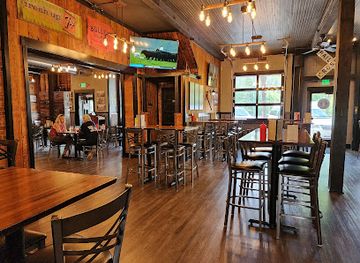
Radio Brewing Company
Discover the unique flavors of Radio Brewing Company in Kellogg, Idaho, where craft beer meets delicious grilled cuisine in a cozy atmosphere.
Best nightclubs in Silver Valley
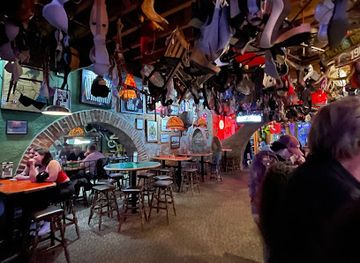
Evening life in Silver Valley is centred on traditional bars, pubs, restaurants and community-oriented venues rather than a large nightclub scene. Wallace has the greatest concentration of places to enjoy a drink or a meal after visiting its historic centre, with establishments ranging from informal local bars to more polished dining rooms. Kellogg also offers evening options, particularly during busy ski and summer recreation periods, while smaller settlements tend to close earlier and have fewer choices. Live music, seasonal events and gatherings connected with the resort or local community may add variety, but schedules change and should be checked locally. Breweries and craft-beer selections may feature in the valley’s hospitality scene, although the region’s identity is not dependent on alcohol. Visitors travelling between towns should plan transport in advance, especially at night, as rural taxi and rideshare availability is limited.
-
Night club
Humpin' Hannah's
Experience the vibrant nightlife of Boise at Humpin' Hannah's, a lively night club offering music, dancing, and drinks in a welcoming atmosphere.
-
Gay night club
The Balcony Club
Experience the vibrant nightlife at The Balcony Club, Boise's premier gay night club, where inclusivity meets lively entertainment in a welcoming atmosphere.
-
Bar
Samoa Club
Discover the vibrant atmosphere and friendly service at Samoa Club, the go-to bar for locals and tourists in Idaho Falls.
-
Bar
Club Tequila
Discover the lively and inviting atmosphere of Club Tequila in Post Falls, Idaho, where great drinks and good times await you.
Best shops in Silver Valley
Shopping in Silver Valley centres on historic downtowns, practical outdoor supplies and locally themed heritage goods rather than large retail complexes. Wallace has the strongest concentration of independent shops, galleries, bookshops, antiques and souvenirs connected with mining, railways and the town’s architectural history. Kellogg provides additional everyday shopping and equipment for visitors heading to Silver Mountain or nearby trails, while smaller communities have more limited services. Look for locally made arts and crafts, regional food products, Idaho-themed gifts, old mining imagery, books on northern Idaho history and practical outdoor clothing. Farmers’ and seasonal community markets may appear at particular times of year, but dates and locations vary. Visitors should buy food, fuel and trail necessities before travelling away from the Interstate 90 corridor, where retail options become sparse. Shopping is best approached as part of the valley’s heritage experience: independent businesses often interpret local mining and mountain culture more effectively than generic souvenir outlets.
-
Ski resort
Silver Mountain Resort
Discover year-round adventures at Silver Mountain Resort, Idaho's ultimate destination for skiing, biking, and mountain fun.
-
Car dealer
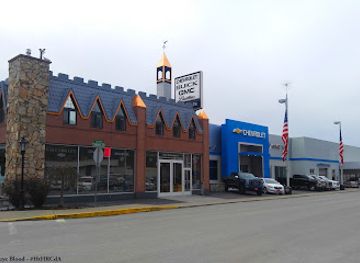
Dave Smith Motors
Explore a vast selection of new and used vehicles at Dave Smith Motors in Kellogg, Idaho, where customer satisfaction is the top priority.
-
Shopping mall
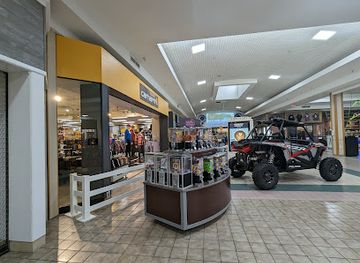
Silver Lake Mall
Discover shopping bliss at Silver Lake Mall, where eclectic stores and delightful dining options come together in Coeur d'Alene, Idaho.
-
Family-friendly
Sam's Restaurant
Discover the welcoming atmosphere and delicious menu at Sam's Restaurant in Kellogg, Idaho, perfect for family gatherings and memorable meals.
Get your free copy of our complete guide to Silver Valley, delivered straight to you.
Everything on this page, from attractions and restaurants to essentials and local phrases, in one PDF you can read offline, print or share.
Already have an account? Sign in
Your Silver Valley guide is ready.
We'll send it to · Not you? Sign out

Getting your guide ready…
We are putting together a fresh copy of the Silver Valley guide. This can take up to a minute.
This can take a few moments. If your browser asks, choose Allow so the download can start. You'll find the guide in your Downloads folder.
Nothing happened? Download it again
Sorry, the guide is taking longer than usual. Please try again in a minute, or get it by email instead.
Silver Valley essentials
Currency and Payment
Safety
Emergency Situations
Do's and Don'ts
Local Tips
From Eve
Local phrases worth knowing
You don't need to get them perfect. A few words go a long way, and locals appreciate the effort.
Basics
| English | Local | Say it |
|---|---|---|
| Hello | Howdy | [HAO-dee] |
| Goodbye | See ya later | [SEE ya LAY-ter] |
| Yes | Yep | [YEHP] |
| No | Nah | [NAH] |
| Please/You're welcome | Sure thing | [SHUR thing] |
| Thank you | Thanks a lot | [THANGKS a LOT] |
| Excuse me/Sorry | Pardon me | [PAR-don mee] |
| How are you? | How ya doin'? | [HOW ya DO-in?] |
| Fine. And you? | Good. You? | [GOOD. YOU?] |
| Do you speak English? | You speakin' English? | [YOU SPEEK-in' ING-lish?] |
| I don't understand | I ain't gettin' it | [I AIN'T GET-in' it] |
Eating & Drinking
| English | Local | Say it |
|---|---|---|
| I'd like to see the menu, please | Can I see the menu? | [CAN I SEE the MEN-yoo?] |
| I don't eat meat | I don't do meat | [I DON'T DO meat] |
| Cheers! | Cheers! | [CHEERS!] |
| I would like to pay, please | Can I get the check? | [CAN I GET the CHEK?] |
Emergencies
| English | Local | Say it |
|---|---|---|
| Help! | Help! | [HELP!] |
| Go away! | Get lost! | [GET LOST!] |
| Call the Police! | Call the cops! | [CALL the COPS!] |
| Call a doctor! | Get a doc! | [GET a DOC!] |
| I'm lost | I’m turned around | [I'M TURNED aROUND] |
| I'm ill | I'm feelin’ sick | [I'M FEEL-in' SICK] |
Shopping
| English | Local | Say it |
|---|---|---|
| I'd like to buy... | I wanna buy... | [I WAN-na BUY...] |
| I'm just looking | Just browsin' | [JUST BROW-zin'] |
| How much is it? | What’s the price? | [WHAT'S the PRICE?] |
| That's too expensive | That’s way too pricey | [THAT'S WAY too PRICE-ee] |
| Can you lower the price? | Can ya drop the price? | [CAN ya DROP the PRICE?] |
Time & Numbers
| English | Local | Say it |
|---|---|---|
| What time is it? | What time ya got? | [WHAT TIME ya GOT?] |
| It's one o'clock | It’s one o’clock | [IT’S ONE o’CLOCK] |
| Half past (10) | Half past ten | [HALF past TEN] |
| Morning | Mornin' | [MORN-in'] |
| Afternoon | Afternoon | [AFTER-noon] |
| Evening | Evenin' | [EVE-nin'] |
| Yesterday | Yesterday | [YES-ter-day] |
| Today | Today | [TO-day] |
| Tomorrow | Tomorrow | [TO-mor-row] |
| 1 | One | [WUN] |
| 2 | Two | [TOO] |
| 3 | Three | [THREE] |
| 4 | Four | [FOR] |
| 5 | Five | [FIVE] |
| 6 | Six | [SIX] |
| 7 | Seven | [SEV-en] |
| 8 | Eight | [ATE] |
| 9 | Nine | [NINE] |
| 10 | Ten | [TEN] |
Transport & Directions
| English | Local | Say it |
|---|---|---|
| Where's a/the...? | Where’s the...? | [WHERE’S the...?] |
| What's the address? | What’s the address? | [WHAT’S the ADDRESS?] |
| Can you show me (on the map)? | Can ya show me on the map? | [CAN ya SHOW me on the MAP?] |
| When's the next (bus)? | When's the next bus? | [WHEN'S the NEXT bus?] |
| A ticket (to ....) | A ticket to... | [A TIK-it to...] |
History of Silver Valley
The Coeur d’Alene People and the Mountain Landscape
The Silver Valley lies within the wider homeland and customary sphere of the Coeur d’Alene people, known in their own language as the Schitsu’umsh. The river systems, forests and mountain passes supported travel, fishing, hunting and gathering long before American mining communities appeared. Later settlement and mineral development transformed access to the land, while treaties and federal policies restricted Indigenous territory. Visitors should regard the valley’s mining story as one chapter in a much longer history rather than as the beginning of human presence.
Silver Discoveries and the Mining Frontier, 1880s
Prospectors began finding valuable silver-lead ore in the Coeur d’Alene mining district during the 1880s. The deposits occurred in steep, difficult terrain, but their value drew investment, workers and transport infrastructure at remarkable speed. Wallace and nearby settlements grew as supply, banking and administrative centres, while mines expanded into the surrounding mountains. The district’s geology determined the pattern of development: communities formed along the river and railway corridors, with shafts, mills and tramways climbing into the hillsides.
Railways, Wallace and the Consolidation of the District
Railway construction connected the mining settlements with wider markets and made it possible to move ore, machinery and people through the narrow valley. Wallace became the district’s principal commercial centre, with hotels, shops, offices, theatres and financial institutions serving a population tied to mining. Much of the town’s surviving architecture dates from the late nineteenth and early twentieth centuries, when railway access and mineral wealth gave the valley an importance far beyond its remote mountain setting.
Labour Conflict and the Coeur d’Alene Wars
The Silver Valley became a major setting for American labour conflict in the 1890s. Miners disputed wages, working conditions, the use of lower-paid labour and the introduction of mechanisation, while mine owners sought greater control over production. Violence in 1892 and renewed conflict in 1899 led to militia intervention and, in 1899, the declaration of martial law in parts of northern Idaho. These confrontations influenced the development of organised labour, state power and industrial relations across the American West.
The Great Fire of 1910
In August 1910, an enormous wildfire swept through parts of Idaho, Washington and Montana after a dry, windy season. Communities in the Silver Valley faced smoke, falling embers and rapidly moving flames, while thousands of firefighters worked across the region. The fire helped prompt major changes in United States wildfire policy and forest management. Near Wallace, the Pulaski Tunnel Trail commemorates a group of firefighters led by Edward Pulaski, who sheltered in an old mining prospect while flames passed overhead.
Industrial Expansion, Environmental Change and Mining’s Legacy
Lead, silver and zinc production continued to underpin the valley through much of the twentieth century, supporting substantial communities and processing facilities. Mining also left difficult environmental legacies, including contamination associated with historic ore processing and tailings across the Coeur d’Alene Basin. Cleanup and restoration have continued under federal and state programmes, alongside efforts to preserve industrial heritage. Today, the valley’s identity combines respect for its mining workforce and history with greater attention to environmental protection and sustainable recreation.
From Working District to Heritage and Recreation Destination
As mining employment contracted and the regional economy changed, Silver Valley communities increasingly developed heritage tourism and outdoor recreation. Historic preservation in Wallace, the conversion of former railway corridors into trails, and facilities at Silver Mountain Resort and Lookout Pass broadened the visitor economy. The transition has not erased the industrial past: mine tours, museums, surviving company buildings and local stories remain central to the region’s appeal, while cycling, skiing and hiking provide new ways to experience the same mountain geography.
Silver Valley in Photos
Browse through our photo collection highlighting the charm and character of the destination.
Neighbouring regions of Silver Valley
The closest regions to Silver Valley, if you have time for more than one.
-

-

-

-

-


Swipe for more regions
Explore more

Explore more of Idaho
Idaho: Discover the Gem State's stunning landscapes, vibrant cities, and outdoor adventures. From majestic mountains to serene lakes, experience the natural wonders of Idaho.
Explore Idaho