

Free Aurora Travel Guide & Mobile App
Plan your Aurora trip with Evendo. Get free guides to top attractions, restaurants, hotels, and bars. Web access or download the mobile app.


Aurora, Illinois blends Fox River history, historic theatres, museums, parks, diverse dining and Chicago-area shopping into a rewarding city escape.
A City Shaped by the Fox River
Aurora stretches along the Fox River in northeastern Illinois, west of Chicago, where historic industry, restored civic buildings and broad suburban districts meet. Its central neighbourhoods grew around the river’s waterpower and the railways that connected the community with Chicago and the wider Midwest. Today, the riverfront and downtown form the city’s cultural focus, with the ornate Paramount Theatre, the Stolp Island Historic District and the SciTech Hands-On Museum providing contrasting ways to understand Aurora’s past and present.Read more about Aurora
Architecture, Culture and Community
Parks and the Wider Landscape
When is the best time to visit Aurora?
Best: June, August–September · 23–27°C| Month | High (°C) | Rainfall (mm) |
|---|---|---|
| January | 0 | 31 |
| February | 2 | 28 |
| March | 9 | 43 |
| April | 16 | 75 |
| May | 21 | 93 |
| June (best) | 26 | 104 |
| July | 28 | 104 |
| August (best) | 27 | 95 |
| September (best) | 23 | 80 |
| October | 16 | 69 |
| November | 8 | 51 |
| December | 2 | 41 |
Getting to and around Aurora
How to get there
Transportation
Best attractions in Aurora
Aurora’s main sightseeing cluster lies downtown beside the Fox River. The Paramount Theatre is the city’s grandest cultural attraction, presenting productions in an ornate historic auditorium, while the SciTech Hands-On Museum offers interactive exhibits designed around science and technology. The Aurora Regional Fire Museum, housed in a former fire station, explores the equipment and working history of local fire services. At the David L. Pierce Art and History Center, exhibitions interpret Aurora’s artistic and civic life. Phillips Park broadens the itinerary with landscaped grounds, a small zoo, the Mastodon Gallery and outdoor recreation, while Blackberry Farm recreates aspects of nineteenth-century rural life through historic buildings, demonstrations and family activities. The Fox River Trail provides a slower way to experience the valley, connecting sections of riverbank, parkland and neighbouring communities. Downtown murals, independent galleries and restored commercial buildings add texture between the formal attractions.
-
Tourist attraction
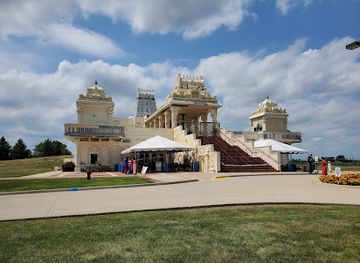
Sri Venkateswara Swami (Balaji) Temple
Explore the serene Sri Venkateswara Swami (Balaji) Temple in Aurora, Illinois, where spirituality meets stunning architecture and vibrant cultural celebrations.
12 min drive · 4.1 km from city centre
-
Park
City of Aurora- Phillips Park Zoo
Explore the family-friendly Phillips Park Zoo in Aurora, Illinois, where wildlife meets nature in a beautifully landscaped park setting.
10 min drive · 3.4 km from city centre
-
Tourist attraction
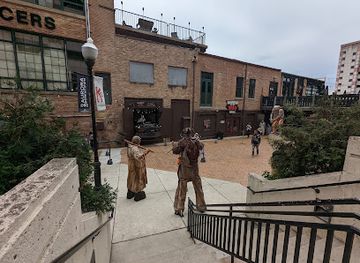
Basement of the Dead Haunted House Chicago
Explore the spine-tingling thrills at Basement of the Dead Haunted House in Aurora, a premier destination for scare-seekers and horror fans alike.
5 min walk · 0.4 km from city centre
-
Tourist attraction
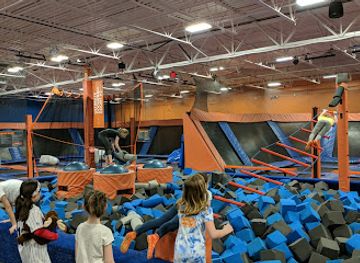
Sky Zone Trampoline Park
Experience the ultimate fun at Sky Zone Trampoline Park in Aurora, where jumping, bouncing, and adventure await for all ages.
26 min drive · 8.6 km from city centre


Best landmarks in Aurora
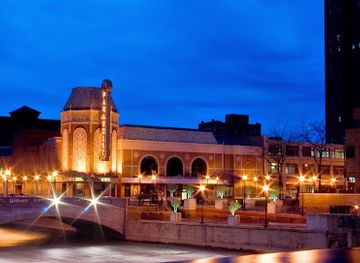
Aurora’s architectural identity is anchored by the Fox River and the historic buildings gathered around downtown and Stolp Island. The Paramount Theatre, opened as the Aurora Paramount in 1931, is notable for its richly decorated interior and enduring role in the city’s cultural life. The Aurora Municipal Building, completed in 1907, represents the confidence of the industrial-era civic centre, while the Tanner House preserves the domestic scale of an earlier period and is associated with Aurora’s oldest surviving residence. The Grand Army of the Republic Memorial Museum occupies a distinctive former memorial hall devoted to Civil War veterans and memory. Downtown commercial blocks, churches and former industrial structures complete the historic townscape, showing how river power, railway commerce and municipal growth produced a substantial regional city. Stolp Island itself remains an important physical reminder of Aurora’s development on both sides of the river.
-
Shopping mall
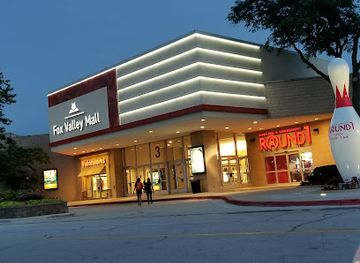
Fox Valley Mall
Explore Fox Valley Mall, a premier shopping destination in Aurora, Illinois, offering diverse shops, delicious dining, and family-friendly entertainment.
27 min drive · 8.9 km from city centre
-
Hindu temple
Sri Venkateswara Swami (Balaji) Temple
Discover spiritual tranquility and cultural richness at the Sri Venkateswara Swami Temple in Aurora, a premier Hindu temple in the U.S.
12 min drive · 4.1 km from city centre
-
Performing arts theater
Paramount Theatre
Discover the Paramount Theatre in Aurora, Illinois: where historic elegance meets vibrant performances in the heart of the community.
7 min walk · 0.6 km from city centre
-
Zoo
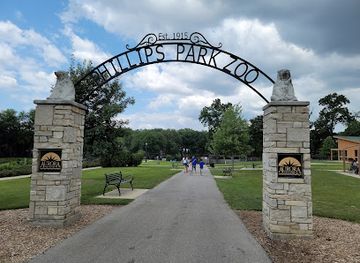
Phillips Park Zoo
Discover the charm of Phillips Park Zoo in Aurora, Illinois, where families can connect with wildlife in a beautiful park setting.
10 min drive · 3.4 km from city centre
Explore Aurora on the map
Plan your Aurora trip on one map. See where the top attractions, landmarks, restaurants, bars and hotels are, find what's near where you're staying, and book hotels and experiences in a few clicks.
Best hotels in Aurora
Best restaurants in Aurora
Aurora’s dining scene reflects the city’s long industrial history and diverse communities, with Mexican American cooking occupying an especially important place in local food culture. Restaurants and casual eateries serve tacos, tortas, enchiladas, tamales and other regional Mexican specialities alongside familiar American formats, while bakeries and small food businesses add their own neighbourhood traditions. Downtown, Stolp Island and nearby riverfront streets provide the most concentrated setting for independent dining, cafés and evening meals, whereas the wider Fox Valley area has a broad suburban selection. Food shopping and restaurant choices also reveal Aurora’s multicultural population, with Latin American ingredients and businesses joined by Asian, Mediterranean and contemporary American influences. The most characteristic experiences are often informal: a family-run meal, a bakery stop or a locally rooted restaurant rather than a formal gastronomic circuit.
-
American
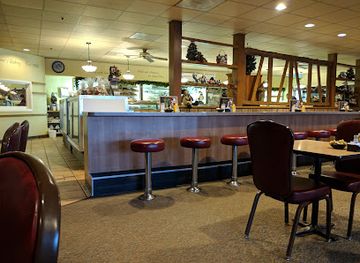
Harner's Bakery Restaurant
Experience the heartwarming flavors of American cuisine at Harner's Bakery in North Aurora—your go-to spot for breakfast delights and fresh-baked goodies.
15 min drive · 5.1 km from city centre
-
Brewpub
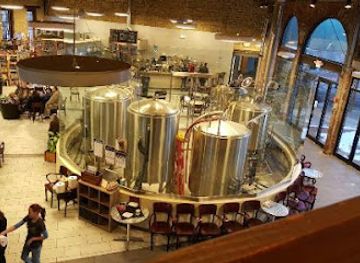
Two Brothers Roundhouse
Experience delicious craft beers and mouthwatering dishes at Two Brothers Roundhouse – Aurora's vibrant brewpub with rich historical roots.
12 min walk · 0.9 km from city centre
-
Restaurant
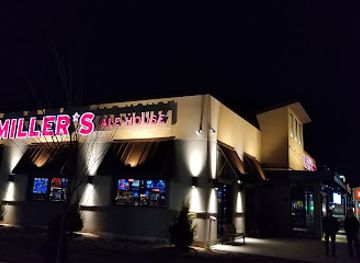
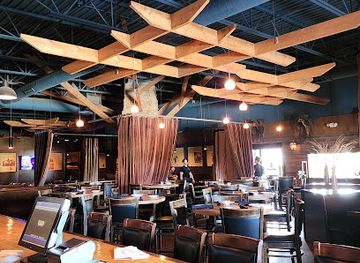
Miller's Ale House
Discover Miller's Ale House in Aurora: where classic American cuisine meets a vibrant sports bar atmosphere.
28 min drive · 9.5 km from city centre
-
American
The Turf Room
Experience innovative New American cuisine at The Turf Room in North Aurora - where every meal is crafted to perfection.
20 min drive · 6.6 km from city centre
Best bars in Aurora
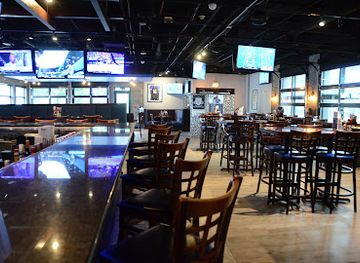
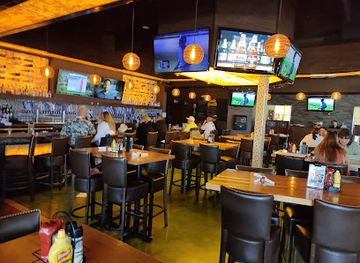
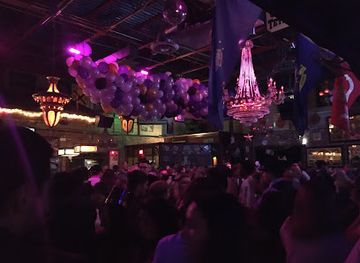
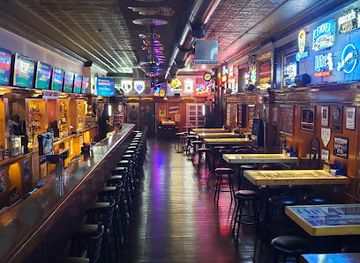
Aurora’s evening life is led more by the performing arts, restaurants and community events than by a large concentration of nightclubs. The Paramount Theatre is the central cultural venue, with a programme of stage productions that brings audiences downtown after dark, while the Downtown Aurora arts scene adds exhibitions, live events and occasional music programming. Bars and casual evening venues are concentrated around the historic centre, Stolp Island and nearby riverfront streets, where older buildings provide a more intimate setting than the city’s suburban commercial corridors. The Hollywood Casino Aurora offers gaming and related evening entertainment on the riverfront, subject to its own rules and schedule. Farther from downtown, nightlife is generally dispersed among restaurants, bars and entertainment venues, making transport planning more important than in a compact city centre.
-
Brewpub
Two Brothers Roundhouse
Experience the rich heritage and vibrant flavors at Two Brothers Roundhouse, a premier brewpub in Aurora, Illinois, blending history with culinary delight.
12 min walk · 0.9 km from city centre
-
Bar
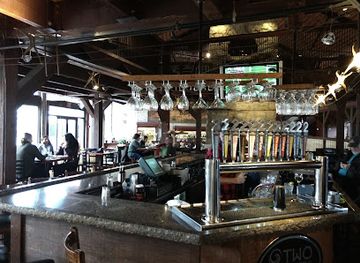
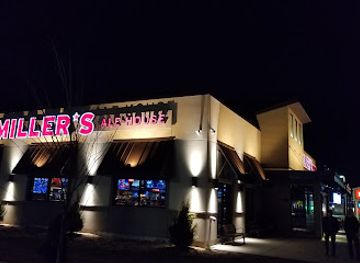
Miller's Ale House
Discover Miller's Ale House in Aurora, a vibrant sports bar and restaurant serving delicious American cuisine, seafood, and craft beers in a lively atmosphere.
28 min drive · 9.5 km from city centre
-
American
Spartan Ale House
Discover the heart of American dining at Spartan Ale House in Aurora, featuring delicious cuisine and a welcoming atmosphere for all visitors.
6 min drive · 2.0 km from city centre
-
Bar
Pub 56
Discover Pub 56 in Aurora, IL: a lively bar and grill featuring delicious food, refreshing drinks, and a spirited sports atmosphere for an unforgettable dining experience.
21 min drive · 6.9 km from city centre
Best nightclubs in Aurora
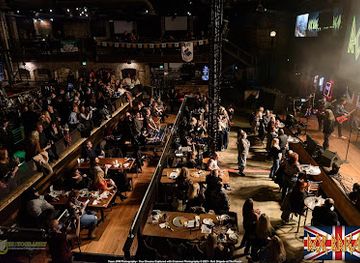
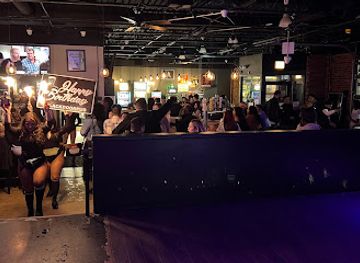
Aurora’s evening life is led more by the performing arts, restaurants and community events than by a large concentration of nightclubs. The Paramount Theatre is the central cultural venue, with a programme of stage productions that brings audiences downtown after dark, while the Downtown Aurora arts scene adds exhibitions, live events and occasional music programming. Bars and casual evening venues are concentrated around the historic centre, Stolp Island and nearby riverfront streets, where older buildings provide a more intimate setting than the city’s suburban commercial corridors. The Hollywood Casino Aurora offers gaming and related evening entertainment on the riverfront, subject to its own rules and schedule. Farther from downtown, nightlife is generally dispersed among restaurants, bars and entertainment venues, making transport planning more important than in a compact city centre.
-
Night club
the PIAZZA - Aurora
Discover the PIAZZA in Aurora: where authentic Italian cuisine meets an electrifying nightlife with live music and dancing.
25 min drive · 8.5 km from city centre
-
Dance club
Black Door Pub
Experience the lively nightlife at Black Door Pub, Aurora's favorite dance club and bar with great drinks and vibrant music.
8 min drive · 2.5 km from city centre
-
Night club
Saddle Up at Q Saloon and Eatery
Dive into the exhilarating nightlife at Saddle Up at Q Saloon and Eatery, where live music and mouthwatering barbecue come together for an unforgettable experience.
28 min drive · 9.3 km from city centre
-
Grill
Aurora Tap House
Discover Aurora Tap House: where great food meets lively entertainment in the heart of Illinois!
3 min walk · 0.2 km from city centre
Best shops in Aurora
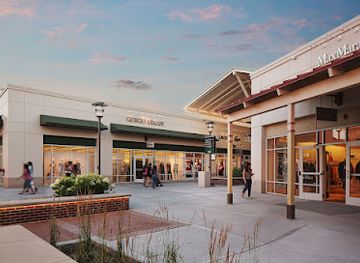
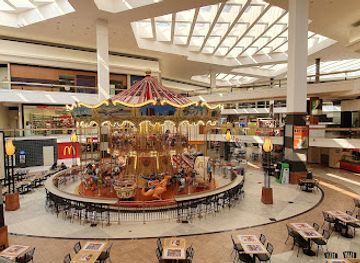
Shopping in Aurora ranges from historic downtown independents to large regional retail destinations. Downtown and the Stolp Island area contain local boutiques, galleries, speciality businesses and places to browse gifts connected with the city’s arts and architectural character. The Fox Valley area provides a much larger concentration of mainstream shops, services and restaurants, including Fox Valley Mall, while Chicago Premium Outlets on the city’s west side attracts visitors seeking outlet retail in an open-air setting. Aurora’s most distinctive purchases are often food-related or locally made rather than traditional mass-market souvenirs: Mexican and Latin American ingredients, baked goods, artwork, vintage finds and items from independent makers. Retail patterns reflect the city’s geography, with the historic centre suited to strolling and discovery and the outer commercial corridors designed primarily for destination shopping.
-
Outlet mall
Chicago Premium Outlets
Experience unbeatable savings and a diverse shopping adventure at Chicago Premium Outlets, the ultimate destination for shopaholics near Chicago.
18 min drive · 5.9 km from city centre
-
Shopping mall
Fox Valley Mall
Discover an extensive selection of shopping, dining, and entertainment at Fox Valley Mall, a vibrant destination in Aurora, Illinois.
27 min drive · 8.9 km from city centre
-
Bridal shop
Wolsfelt's Bridal
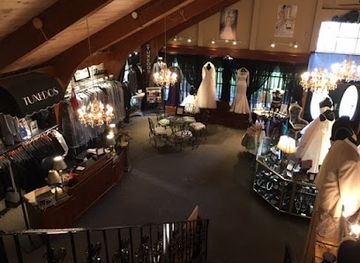
Discover your perfect wedding gown at Wolsfelt's Bridal, where personalized service meets a stunning selection of dresses in Aurora, Illinois.
8 min drive · 2.7 km from city centre
-
Shopping mall
Pacifica Square
Experience the best of shopping and dining at Pacifica Square, Aurora's premier shopping destination offering a vibrant atmosphere and diverse options.
28 min drive · 9.2 km from city centre
Get your free copy of our complete guide to Aurora, delivered straight to you.
Everything on this page, from attractions and restaurants to essentials and local phrases, in one PDF you can read offline, print or share.
Already have an account? Sign in
Your Aurora guide is ready.
We'll send it to · Not you? Sign out

Getting your guide ready…
We are putting together a fresh copy of the Aurora guide. This can take up to a minute.
This can take a few moments. If your browser asks, choose Allow so the download can start. You'll find the guide in your Downloads folder.
Nothing happened? Download it again
Sorry, the guide is taking longer than usual. Please try again in a minute, or get it by email instead.
Aurora essentials
Currency and Payment
Safety
Emergency Situations
Do's and Don'ts
Local Tips
From Eve
Local phrases worth knowing
You don't need to get them perfect. A few words go a long way, and locals appreciate the effort.
Basics
| English | Local | Say it |
|---|---|---|
| Hello | Howdy | [haw-dee] |
| Goodbye | See ya | [see yuh] |
| Yes | Yep | [yep] |
| No | Nope | [nohp] |
| Please/You're welcome | Please/No problem | [pleez/no problem] |
| Thank you | Thanks | [thanks] |
| Excuse me/Sorry | Pardon me/My bad | [par-dn mee/my bad] |
| How are you? | How ya doin'? | [how ya doin'] |
| Fine. And you? | Good. And you? | [good. and yuh?] |
| Do you speak English? | Ya speak English? | [ya speak ing-glish?] |
| I don't understand | I don't get it | [I don't get it] |
Eating & Drinking
| English | Local | Say it |
|---|---|---|
| I'd like to see the menu, please | Can I check out the menu? | [can eye chek out the menu?] |
| I don't eat meat | I don't eat meat | [I don't eat meat] |
| Cheers! | Cheers! | [cheers!] |
| I would like to pay, please | I'm ready to settle up | [I'm ready to settle up] |
Emergencies
| English | Local | Say it |
|---|---|---|
| Help! | Help! | [help!] |
| Go away! | Get lost! | [get lost!] |
| Call the Police! | Call the cops! | [call the cops!] |
| Call a doctor! | Get a doctor! | [get a doctor!] |
| I'm lost | I'm lost | [I'm lost] |
| I'm ill | I'm sick | [I'm sick] |
Shopping
| English | Local | Say it |
|---|---|---|
| I'd like to buy... | I wanna buy... | [I wanna buy...] |
| I'm just looking | Just browsing | [just browsing] |
| How much is it? | How much does it cost? | [how much duhz it cost?] |
| That's too expensive | That's pricey | [that's pricey] |
| Can you lower the price? | Can you give me a deal? | [can yuh give me a deal?] |
Time & Numbers
| English | Local | Say it |
|---|---|---|
| What time is it? | What time is it? | [what time is it?] |
| It's one o'clock | It's one o'clock | [It's one o'clock] |
| Half past (10) | Half past ten | [half past ten] |
| Morning | Morning | [Morning] |
| Afternoon | Afternoon | [Afternoon] |
| Evening | Evening | [Evening] |
| Yesterday | Yesterday | [Yesterday] |
| Today | Today | [Today] |
| Tomorrow | Tomorrow | [Tomorrow] |
| 1 | One | [One] |
| 2 | Two | [Two] |
| 3 | Three | [Three] |
| 4 | Four | [Four] |
| 5 | Five | [Five] |
| 6 | Six | [Six] |
| 7 | Seven | [Seven] |
| 8 | Eight | [Eight] |
| 9 | Nine | [Nine] |
| 10 | Ten | [Ten] |
Transport & Directions
| English | Local | Say it |
|---|---|---|
| Where's a/the...? | Where's the...? | [Where's the...?] |
| What's the address? | What's the address? | [What's the address?] |
| Can you show me (on the map)? | Can you show me (on the map)? | [Can you show me (on the map)?] |
| When's the next (bus)? | When's the next (bus)? | [When's the next (bus)?] |
| A ticket (to ....) | A ticket (to ....) | [A ticket (to ....)] |
History of Aurora
Settlement Along the Fox River
The area now occupied by Aurora lies within the traditional homeland of Indigenous peoples, including the Potawatomi, before sustained Euro-American settlement altered the Fox River valley. In the 1830s, settlers established communities on both sides of the river, drawn by waterpower, farmland and transport potential. Joseph McCarty is associated with the settlement that became Aurora, while the village was assembled from communities on the east and west banks. Named Aurora, after the Roman goddess of dawn, the settlement was incorporated as a village in 1837 and later as a city in 1857. The river’s falls and channels became the foundation for mills and early manufacturing, setting the course for an urban identity tied to industry rather than agriculture alone.
Railways and Industrial Expansion
Aurora’s growth accelerated when railway connections reached the city in the mid-nineteenth century. The Chicago, Burlington and Quincy Railroad established major facilities here, linking Aurora with Chicago and routes across the interior United States. Rail access encouraged factories, commercial houses and a larger labour force, while the Fox River continued to supply industrial power. Aurora’s manufacturing history included machinery, agricultural equipment and other products associated with the city’s expanding industrial base. The surviving downtown commercial blocks, former factories and rail-related buildings reflect this period of prosperity. Immigration from Europe added to the city’s cultural and social life, creating neighbourhood institutions, churches and civic organisations that helped shape Aurora’s developing urban character.
The City of Lights
Aurora became an early centre of electric technology during the late nineteenth century. In 1881, the city introduced an electric street-lighting system powered by the Fox River, an achievement that contributed to its long-standing nickname, the City of Lights. Electricity supported both public improvements and industrial activity, reinforcing Aurora’s reputation for practical innovation. The period also produced many of the buildings that define the modern historic centre, including commercial premises, civic structures, theatres and residences in architectural styles popular during the Victorian era. The Aurora Elgin Street Railway later extended electric transit through the region, further connecting the city’s workers, businesses and surrounding communities.
Civic Architecture and Urban Identity
By the early twentieth century, Aurora possessed the institutions of a substantial manufacturing city: banks, schools, churches, theatres, clubs and public facilities. The opening of the Aurora Municipal Building in 1907 expressed civic confidence through its substantial design and central location, while the former Aurora Opera House, completed in 1889, became one of the city’s defining cultural buildings. Industrial wealth also supported parks and public improvements. Architecture from this era remains concentrated around downtown, Stolp Island and nearby residential streets, where commercial façades and civic buildings illustrate the relationship between railway commerce, factory employment and municipal ambition.
Migration and a Changing Community
During the twentieth century, Aurora’s social geography changed as new residents arrived from different parts of the United States and from Latin America. Mexican American families established businesses, churches, cultural organisations and neighbourhood networks that became an important part of the city’s identity. African American residents likewise contributed to civic, religious, educational and commercial life. Industrial employment attracted workers for much of the century, but manufacturing decline and suburban expansion later altered the economic landscape. Aurora’s history is therefore not limited to its nineteenth-century buildings: it is also reflected in changing migration patterns, community activism, local arts and the continuing adaptation of the Fox River city to metropolitan growth.
Preservation and Contemporary Aurora
From the late twentieth century onwards, preservation efforts brought renewed attention to Aurora’s historic core, riverfront and architectural landmarks. The Paramount Theatre underwent restoration, museums moved into significant buildings, and cultural organisations helped animate downtown spaces. At the same time, development spread along major roads and into former agricultural areas, integrating Aurora more closely with the Chicago metropolitan region. The city now combines a preserved industrial and civic inheritance with large suburban districts, regional shopping, diverse communities and renewed interest in the Fox River. Its contemporary identity is consequently layered: an old manufacturing centre, a transport-linked suburb and a culturally active city in its own right.
Aurora in Photos
Browse through our photo collection highlighting the charm and character of the destination.
Cities near Aurora
The closest cities to Aurora, if you have time for more than one stop.
-

-

-

-

-


Swipe for more cities
Explore more

Explore more of Illinois
Discover Illinois: From Chicago's iconic skyline to the tranquil beauty of its countryside, experience the diverse allure of the Prairie State.
Explore Illinois