

Free Bolingbrook Travel Guide & Mobile App
Plan your Bolingbrook trip with Evendo. Get free guides to top attractions, restaurants, hotels, and bars. Web access or download the mobile app.


Bolingbrook, Illinois blends Chicago-area parks, Route 66 heritage, shopping, golf and family attractions with easy suburban access to the wider region.
A Chicago-Area Community
Bolingbrook is a sizeable suburban village in northeastern Illinois, positioned southwest of Chicago between the Des Plaines and DuPage river corridors. Its identity is shaped less by a traditional downtown than by residential neighbourhoods, commercial centres, broad arterial roads and extensive parkland. Interstate 55 gives the village a strong connection with Chicago and the wider metropolitan area, while nearby roads lead towards historic communities, forest preserves and the open prairie landscapes of Will County.Read more about Bolingbrook
Modern Growth and Local Character
Parks, Recreation and Regional Heritage
When is the best time to visit Bolingbrook?
Best: May–June, September · 22–27°C| Month | High (°C) | Rainfall (mm) |
|---|---|---|
| January | 1 | 31 |
| February | 3 | 28 |
| March | 9 | 36 |
| April | 16 | 61 |
| May (best) | 22 | 86 |
| June (best) | 27 | 96 |
| July | 29 | 98 |
| August | 28 | 91 |
| September (best) | 23 | 76 |
| October | 17 | 66 |
| November | 10 | 46 |
| December | 2 | 36 |
Getting to and around Bolingbrook
How to get there
Transportation
Best attractions in Bolingbrook
Bolingbrook's attractions reflect its suburban setting and are best visited as a sequence of short stops. The Promenade Bolingbrook combines open-air public spaces with shops, restaurants and seasonal activity, making it one of the village's principal gathering places. Hidden Lakes Historic Trout Farm offers a glimpse of the area's rural past and its former agricultural landscape, while Bolingbrook Park District facilities provide sports, recreation and family-oriented activities across the community. Golfers can look to Boughton Ridge Golf Course for a round in a landscaped suburban setting. Fountaindale Public Library is an important civic and cultural centre, with programmes and spaces that serve residents and visitors alike. The broader Route 66 story can be explored through a driving itinerary across the western and south-western suburbs, although many celebrated roadside sites lie outside Bolingbrook itself. Nearby forest preserves add walking, wildlife and open prairie to the area's sightseeing possibilities.
-
Tourist attraction
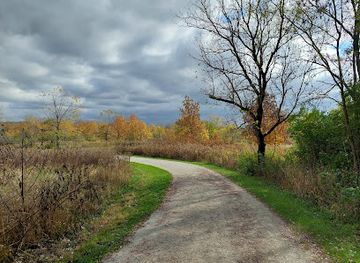
Greene Valley
Explore Greene Valley – a tranquil nature preserve in Naperville, Illinois, where stunning landscapes and diverse wildlife await every visitor.
18 min drive · 5.9 km from city centre
-
Tourist attraction
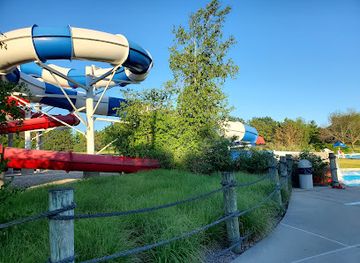
Pelican Harbor Indoor/Outdoor Aquatic Park, Bolingbrook Park District
Discover endless water fun at Pelican Harbor Indoor/Outdoor Aquatic Park - the ultimate family-friendly destination in Bolingbrook, IL.
9 min walk · 0.7 km from city centre
-
Tourist attraction
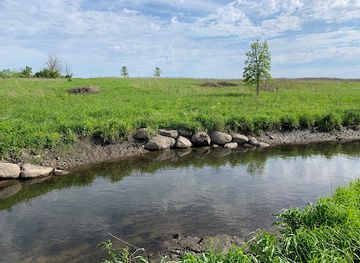
Springbrook Prairie
Explore the idyllic landscapes and rich biodiversity of Springbrook Prairie, a must-see nature preserve in Naperville, Illinois.
24 min drive · 8.0 km from city centre
-
Tourist attraction
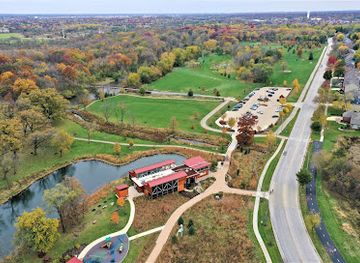
Knoch Knolls Nature Center
Discover nature's beauty at Knoch Knolls Nature Center, a serene escape in Naperville with trails, exhibits, and family-friendly activities.
13 min drive · 4.2 km from city centre
Best landmarks in Bolingbrook
Bolingbrook has fewer monumental historic structures than older Illinois towns, but several places help express its civic and cultural identity. The Bolingbrook Historic District is associated with the village's early settlement story and provides context for a community otherwise dominated by post-war development. Hidden Lakes Historic Trout Farm preserves a tangible link with the agricultural landscape that preceded rapid suburbanisation. The Fountaindale Public Library represents the civic architecture and public infrastructure of contemporary Bolingbrook, while The Promenade has become a recognisable modern commercial landmark rather than a traditional civic square. The village's relationship with historic Illinois Route 66 is also significant: its roads and surrounding suburban corridors belong to the larger story of automobile travel between Chicago and the American West, even though the route's most famous surviving landmarks are dispersed beyond Bolingbrook.
-
Shopping mall
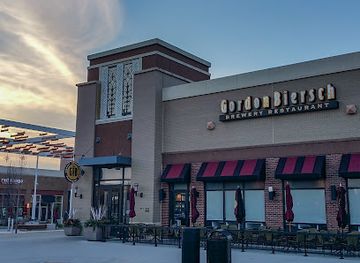
The Promenade Bolingbrook
Explore The Promenade Bolingbrook for a unique shopping experience with diverse retail options, delightful dining, and vibrant community events in Illinois.
18 min drive · 5.9 km from city centre
-
Fast Food
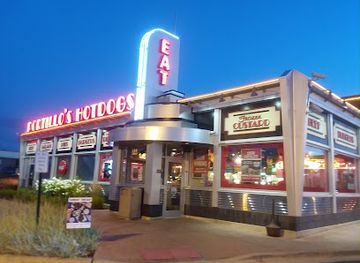
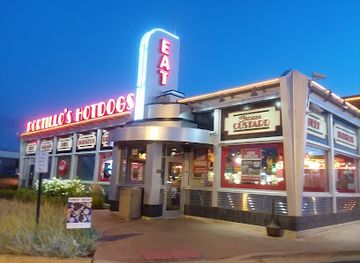
Portillo's Bolingbrook
Experience the best of Chicago's fast food at Portillo's Bolingbrook, where hot dogs, Italian beef, and delicious desserts await every visitor.
11 min drive · 3.8 km from city centre
-
Mexican
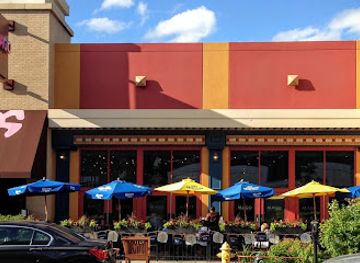
Mago Grill & Cantina
Experience authentic Mexican cuisine and vibrant atmosphere at Mago Grill & Cantina, your go-to dining destination in Bolingbrook, Illinois.
18 min drive · 5.9 km from city centre
-
Shopping mall
Market Square Shopping Center
Discover the vibrant Market Square Shopping Center in Bolingbrook, Illinois, where shopping, dining, and entertainment come together in a lively atmosphere.
9 min drive · 3.0 km from city centre
Explore Bolingbrook on the map
Plan your Bolingbrook trip on one map. See where the top attractions, landmarks, restaurants, bars and hotels are, find what's near where you're staying, and book hotels and experiences in a few clicks.
Best hotels in Bolingbrook
Best restaurants in Bolingbrook
Bolingbrook's dining scene reflects the diversity of the Chicago metropolitan area and is concentrated along commercial corridors rather than an old-fashioned restaurant quarter. Visitors will find familiar Chicago-area specialities such as deep-dish pizza, Italian beef and Chicago-style hot dogs alongside Mexican, Indian, Chinese, Mediterranean and other international cuisines shaped by the village's diverse population. The Promenade Bolingbrook provides a convenient cluster of restaurants and cafés, while strip-mall and roadside locations along Boughton Road, Weber Road and Route 53 offer a broader selection of independent and regional eateries. Established Chicago brands, including Portillo's and Lou Malnati's, are represented in the area, although the strongest impression comes from the range of everyday suburban dining rather than a single signature dish. Groceries, bakeries and casual takeaways also make the village practical for longer stays.
-
Fast Food
Portillo's Bolingbrook
Experience Chicago-style dining at Portillo's Bolingbrook with delicious hot dogs and Italian beef sandwiches in a lively atmosphere.
11 min drive · 3.8 km from city centre
-
Buffet
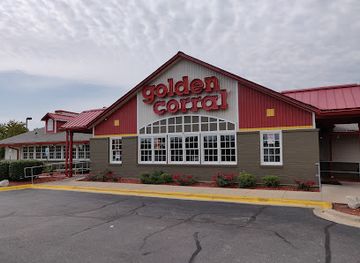
Golden Corral Buffet & Grill
Experience the ultimate buffet at Golden Corral Buffet & Grill in Bolingbrook—where delicious American cuisine meets family-friendly dining.
8 min drive · 2.6 km from city centre
-
Grill
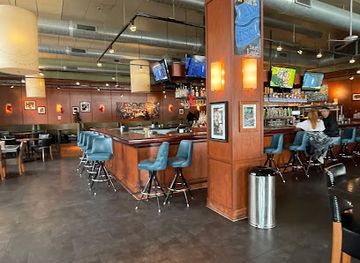
Bar Louie - The Promenade Bolingbrook
Discover delicious American cuisine and vibrant nightlife at Bar Louie - The Promenade Bolingbrook.
17 min drive · 5.8 km from city centre
-
Italian
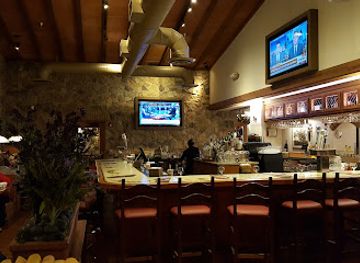
Olive Garden Italian Restaurant
Discover the flavors of Italy at Olive Garden in Bolingbrook – perfect for families and food lovers alike.
6 min drive · 1.8 km from city centre
Best bars in Bolingbrook
Bolingbrook's evening scene is modest and suburban, centred on restaurants, sports bars, lounges and gathering places in commercial developments rather than a concentrated nightclub district. The Promenade provides one of the more convenient areas for combining dinner with a relaxed drink, while venues along the major commercial roads offer casual evenings and televised sport. Live music and entertainment tend to appear through individual venues, community programming and seasonal events rather than a permanent circuit of clubs. Visitors seeking a larger after-dark programme can use the wider Chicago metropolitan area, but journeys require planning because distances are substantial and public transport is limited compared with central Chicago. Respect residential quiet, arrange a designated driver or rideshare after drinking, and check current venue information before setting out.
-
Grill
Bar Louie - The Promenade Bolingbrook
Discover the vibrant flavors and lively atmosphere at Bar Louie, Bolingbrook's top destination for American cuisine and cocktails.
17 min drive · 5.8 km from city centre
-
Italian
Olive Garden Italian Restaurant
Savor authentic Italian cuisine at Olive Garden in Bolingbrook, a family-friendly restaurant offering a delightful dining experience with gluten-free options.
6 min drive · 1.8 km from city centre
-
Steak
LongHorn Steakhouse
Experience the best of traditional American dining at LongHorn Steakhouse in Bolingbrook, where steak lovers rejoice in a cozy family-friendly atmosphere.
19 min drive · 6.3 km from city centre
-
Mexican
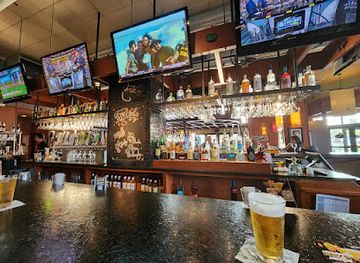
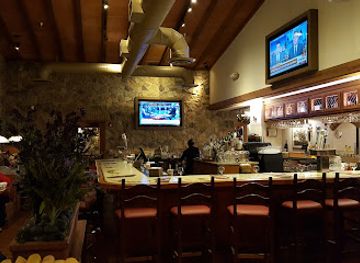
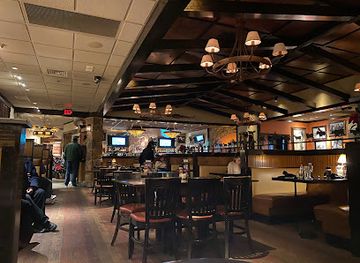
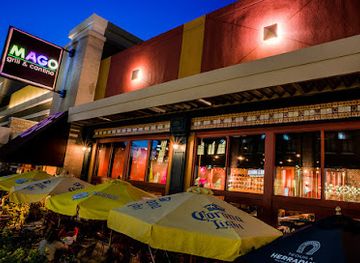
Mago Grill & Cantina
Experience the vibrant flavors of Mexico at Mago Grill & Cantina, a top-rated Mexican and Latin American restaurant in Bolingbrook, IL.
18 min drive · 5.9 km from city centre
Best nightclubs in Bolingbrook
Bolingbrook's evening scene is modest and suburban, centred on restaurants, sports bars, lounges and gathering places in commercial developments rather than a concentrated nightclub district. The Promenade provides one of the more convenient areas for combining dinner with a relaxed drink, while venues along the major commercial roads offer casual evenings and televised sport. Live music and entertainment tend to appear through individual venues, community programming and seasonal events rather than a permanent circuit of clubs. Visitors seeking a larger after-dark programme can use the wider Chicago metropolitan area, but journeys require planning because distances are substantial and public transport is limited compared with central Chicago. Respect residential quiet, arrange a designated driver or rideshare after drinking, and check current venue information before setting out.
-
Grill
Bar Louie - The Promenade Bolingbrook
Discover the vibrant atmosphere and delicious American fare at Bar Louie in The Promenade Bolingbrook, the perfect spot for food and fun.
17 min drive · 5.8 km from city centre
-
Grill
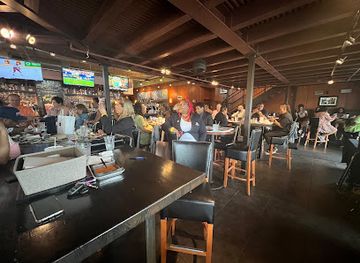
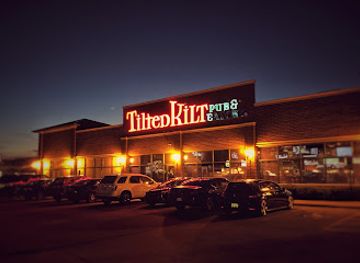
Tilted Kilt Pub and Eatery Bolingbrook, IL
Discover the vibrant Tilted Kilt Pub and Eatery in Bolingbrook, where American and Irish flavors meet a lively sports bar atmosphere.
11 min drive · 3.7 km from city centre
-
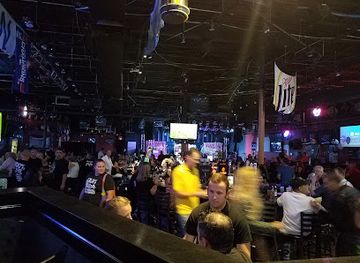
Sports bar
Tailgaters Sports Bar & Grill
Experience the ultimate sports bar atmosphere at Tailgaters Sports Bar & Grill, where great food meets live sports in Bolingbrook.
7 min drive · 2.3 km from city centre
-
American
Ashbury's At Boughton Ridge
Discover Ashbury's At Boughton Ridge – where American cuisine meets stunning golf course views in Bolingbrook, Illinois.
14 min drive · 4.6 km from city centre
Best shops in Bolingbrook
Shopping in Bolingbrook is led by The Promenade Bolingbrook, an open-air commercial development with national retailers, restaurants and public gathering spaces. Additional shops, supermarkets, specialist businesses and everyday services line Boughton Road, Weber Road and Route 53, reflecting the village's role as a regional suburban retail centre. The area is better suited to contemporary shopping than to browsing a historic high street, and visitors will find practical clothing, household goods, groceries and dining alongside seasonal retail activity. For locally distinctive purchases, look to Illinois food products, Chicago-themed items and goods from the village's independent and international businesses rather than expecting a single signature craft. Route 66 memorabilia and roadside Americana are generally easier to find along dedicated heritage stops elsewhere in the region, so they should be treated as part of a wider driving itinerary rather than an established Bolingbrook market tradition.
-
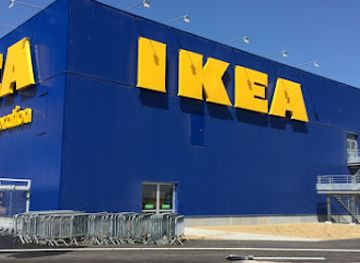
Furniture store
IKEA
Explore IKEA in Bolingbrook, Illinois for stylish, affordable furniture and unique home decor that elevates your living experience.
20 min drive · 6.8 km from city centre
-
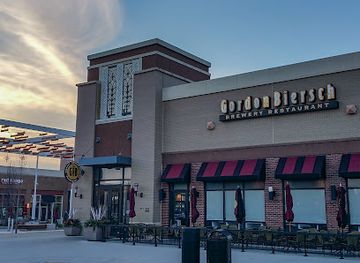
Shopping mall
The Promenade Bolingbrook
Discover a vibrant shopping experience at The Promenade Bolingbrook, where diverse shops, delightful dining, and entertainment await in a beautiful outdoor setting.
18 min drive · 5.9 km from city centre
-
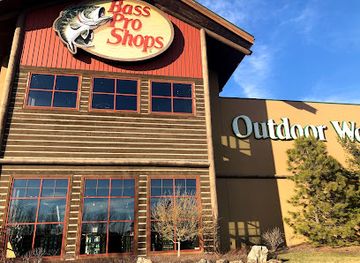
Sporting goods store
Bass Pro Shops
Discover the ultimate outdoor shopping experience at Bass Pro Shops, where adventure and quality gear meet in Bolingbrook, Illinois.
18 min drive · 6.1 km from city centre
-
Supermarket
Meijer
Discover the ultimate shopping convenience at Meijer in Bolingbrook, where groceries meet electronics in a vibrant atmosphere.
19 min drive · 6.5 km from city centre
Get your free copy of our complete guide to Bolingbrook, delivered straight to you.
Everything on this page, from attractions and restaurants to essentials and local phrases, in one PDF you can read offline, print or share.
Already have an account? Sign in
Your Bolingbrook guide is ready.
We'll send it to · Not you? Sign out

Getting your guide ready…
We are putting together a fresh copy of the Bolingbrook guide. This can take up to a minute.
This can take a few moments. If your browser asks, choose Allow so the download can start. You'll find the guide in your Downloads folder.
Nothing happened? Download it again
Sorry, the guide is taking longer than usual. Please try again in a minute, or get it by email instead.
Bolingbrook essentials
Currency and Payment
Safety
Emergency Situations
Do's and Don'ts
Local Tips
From Eve
Local phrases worth knowing
You don't need to get them perfect. A few words go a long way, and locals appreciate the effort.
Basics
| English | Local | Say it |
|---|---|---|
| Hello | Hey | [hey] |
| Goodbye | Later | [lay-ter] |
| Yes | Yeah | [yeh] |
| No | Nah | [na] |
| Please/You're welcome | Sure thing | [shur thang] |
| Thank you | Thanks | [thanks] |
| Excuse me/Sorry | My bad | [my bad] |
| How are you? | What's up? | [whats up] |
| Fine. And you? | Good. You? | [good yoo] |
| Do you speak English? | You speak English? | [yoo speek ing-lish] |
| I don't understand | I don't get it | [I don't get it] |
Eating & Drinking
| English | Local | Say it |
|---|---|---|
| I'd like to see the menu, please | Can I see the menu? | [can eye see the menu] |
| I don't eat meat | I'm vegetarian | [im ve-juh-tair-ee-an] |
| Cheers! | Cheers! | [cheers] |
| I would like to pay, please | Can I pay now? | [can eye pay now] |
Emergencies
| English | Local | Say it |
|---|---|---|
| Help! | Help! | [help] |
| Go away! | Leave me alone! | [leave mee uh-lohn] |
| Call the Police! | Call the cops! | [call the cops] |
| Call a doctor! | Call a doc! | [call a doc] |
| I'm lost | I'm lost | [im lost] |
| I'm ill | I'm sick | [im sick] |
Shopping
| English | Local | Say it |
|---|---|---|
| I'd like to buy... | I wanna buy... | [I wanna buy] |
| I'm just looking | Just browsing | [just brow-zing] |
| How much is it? | How much? | [how much] |
| That's too expensive | That's pricey | [thats pry-see] |
| Can you lower the price? | Can you do better? | [can yoo do bet-ter] |
Time & Numbers
| English | Local | Say it |
|---|---|---|
| What time is it? | What time is it? | [what time is it] |
| It's one o'clock | It's one | [its one] |
| Half past (10) | Half past ten | [half past ten] |
| Morning | Morning | [morning] |
| Afternoon | Afternoon | [afternoon] |
| Evening | Evening | [evening] |
| Yesterday | Yesterday | [yester-day] |
| Today | Today | [to-day] |
| Tomorrow | Tomorrow | [to-mor-row] |
| 1 | One | [wun] |
| 2 | Two | [too] |
| 3 | Three | [three] |
| 4 | Four | [four] |
| 5 | Five | [five] |
| 6 | Six | [six] |
| 7 | Seven | [sev-en] |
| 8 | Eight | [ate] |
| 9 | Nine | [nine] |
| 10 | Ten | [ten] |
Transport & Directions
| English | Local | Say it |
|---|---|---|
| Where's a/the...? | Where's the...? | [wheres the] |
| What's the address? | What's the address? | [whats the address] |
| Can you show me (on the map)? | Can you show me? | [can yoo show me] |
| When's the next (bus)? | When's the next bus? | [whens the next bus] |
| A ticket (to ....) | A ticket please | [a ticket please] |
History of Bolingbrook
Indigenous Prairie and River Country
The land around present-day Bolingbrook formed part of the prairie and river environment inhabited and used by Indigenous peoples, including Potawatomi communities, before large-scale American settlement. The nearby Des Plaines and DuPage river systems provided water, travel routes and access to woodland and grassland resources. Treaties and forced removals during the nineteenth century opened the region to expanding United States settlement, although Indigenous history remains an essential part of the area's deeper past. The relatively open terrain later encouraged farming, road building and the creation of scattered rural settlements rather than a dense historic town centre.
Farming and Early Settlement
During the nineteenth and early twentieth centuries, the area that became Bolingbrook was primarily agricultural. Farms, rural lanes and small clusters of homes occupied the prairie between established communities such as Lemont, Plainfield and Downers Grove. Transportation improvements gradually connected local producers and residents with Chicago's growing markets. The settlement pattern was dispersed, and there was no major nineteenth-century urban core comparable with older towns in the region. Remnants of this agricultural character can still be sensed in surviving open spaces, drainage corridors and the landscape preserved at places such as Hidden Lakes Historic Trout Farm.
Roads, Industry and Metropolitan Change
The twentieth century brought a closer relationship with metropolitan Chicago. Improved highways and regional roads made the area increasingly accessible to commuters, while the broader corridor attracted warehouses, industry and commercial development. Illinois Route 66, the historic Chicago-to-Los Angeles highway, helped connect communities across the western and south-western suburbs before being superseded by the Interstate Highway System. Bolingbrook's location near major routes later became one of its defining advantages, encouraging residential construction and employment growth while tying the village to the wider history of automobile travel in Illinois.
Incorporation in 1965
Bolingbrook was incorporated as a village in 1965, at the height of post-war suburban expansion in the Chicago region. New housing developments, schools and local services transformed a largely rural landscape into a planned suburban community. Population growth continued as families sought accessible homes outside the central city, while the construction and expansion of Interstate 55 strengthened links with Chicago and nearby employment centres. Unlike older Illinois municipalities, Bolingbrook developed with broad roads, subdivision-based neighbourhoods and commercial corridors rather than a compact historic main street.
A Diverse Contemporary Village
Since the late twentieth century, Bolingbrook has become one of the more populous municipalities in the Chicago metropolitan area and has developed a notably diverse population. Retail, logistics, public services, schools and recreation now sit alongside the original suburban housing landscape. Institutions such as the Fountaindale Public Library and the Bolingbrook Park District reflect the civic infrastructure of a mature municipality, while The Promenade Bolingbrook represents the village's commercial evolution. Today, Bolingbrook's history is read primarily through its patterns of growth, mobility, migration and land preservation rather than through a large collection of historic buildings.
Bolingbrook in Photos
Browse through our photo collection highlighting the charm and character of the destination.
Cities near Bolingbrook
The closest cities to Bolingbrook, if you have time for more than one stop.
-

-

-

-

-


Swipe for more cities
Explore more

Explore more of Illinois
Discover Illinois: From Chicago's iconic skyline to the tranquil beauty of its countryside, experience the diverse allure of the Prairie State.
Explore Illinois