Joliet Iron Works Historic Site: Relics of Steel
Explore the historic ruins of Joliet Iron Works, once a steel industry giant, and discover Joliet's industrial past along scenic trails.
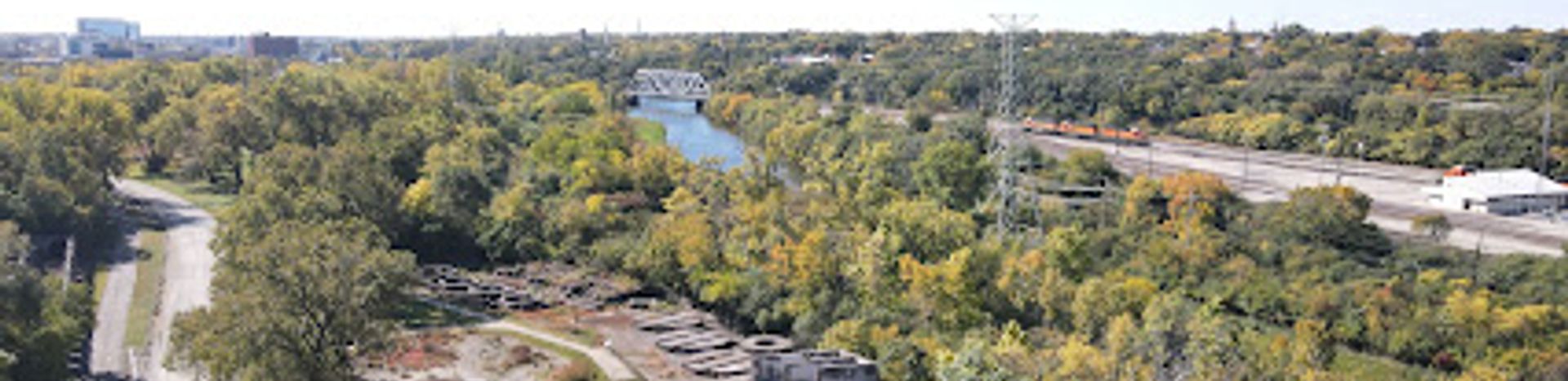
Explore the remains of the Joliet Iron Works, once the second-largest steel mill in the U.S., now a historic site with walking trails and interpretive signs detailing its industrial past. Discover the foundations of blast furnaces and imagine the bustling activity of this once-thriving industrial complex.
A brief summary to Joliet Iron Works Historic Site
- 31 Columbia St, Joliet, Illinois, 60432, US
- +1815-727-8700
- Visit website
Local tips
- Wear comfortable shoes for walking the paved and crushed limestone trails.
- Visit in the early morning or late afternoon for cooler temperatures and fewer crowds.
- Bring water, especially during warmer months, as there are limited facilities on the trail.
- Combine your visit with a walk or bike ride on the adjacent I&M Canal Trail.

Getting There
-
Driving
From Interstate 80, take Exit 132 (Chicago Street) and head north. Follow the signs to the park, which is only a few minutes from the interstate. The parking lot is located off Columbia Street, just east of the Des Plaines River, near Hwy 53. Parking is free.
-
Public Transport
The Joliet Gateway Center is the city's transportation hub, served by Amtrak, Metra, and Pace Bus. From the Gateway Center, the Joliet Iron Works Historic Site is approximately 2 miles away. Pace bus routes may offer connections to the vicinity, but check the schedules for the closest stop. Alternatively, taxi or ride-sharing services are readily available from the Gateway Center for around $8-$12.
-
Walking
From downtown Joliet, head east on either Jefferson Street or Van Buren Street until you reach Collins Street. Turn south onto Collins Street and continue until you reach Columbia Street. Turn east onto Columbia Street, and the entrance to the Joliet Iron Works Historic Site will be on your right. The walk is approximately 1.5 miles and should take about 30 minutes.
Discover more about Joliet Iron Works Historic Site
Iconic landmarks you can’t miss

First Dairy Queen Location
0.8 km
Explore the iconic First Dairy Queen Location in Joliet, Illinois, where soft-serve ice cream was first served, a true piece of Americana.
Joilet,IL 1896 Prison
0.9 km
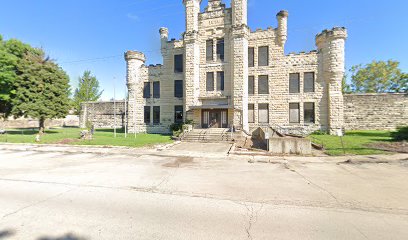
Explore the infamous Old Joliet Prison, a historic landmark with imposing Gothic architecture and a rich, dark past, featured in movies and TV shows.
The Old Joliet Haunted Prison
0.9 km
Experience the ultimate Halloween scare inside a real abandoned prison. Explore Joliet's haunted history, if you dare!
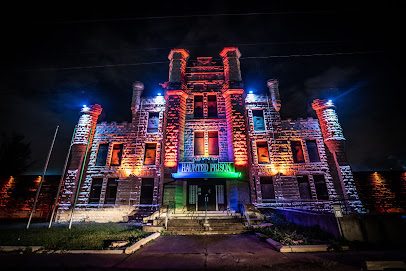
Bishops Hill
1.3 km
Experience award-winning wines in a historic castle setting at Bishops Hill Winery, Joliet's unique destination for wine tasting and events.
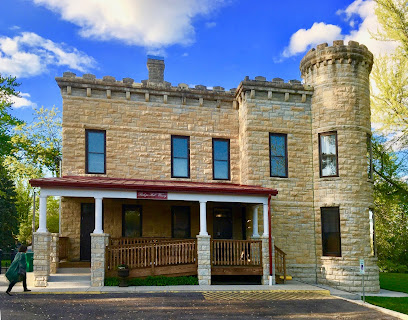
Renaissance Center
1.3 km
Experience timeless elegance at Joliet's Renaissance Center, a historic venue blending classic charm with modern amenities for unforgettable events.
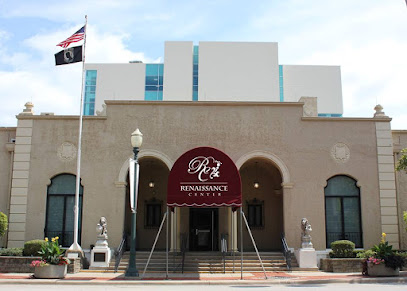
Visitors Center
1.3 km
Discover the vibrant history and culture of Joliet, Illinois at the informative Visitors Center, your gateway to local attractions and insights.
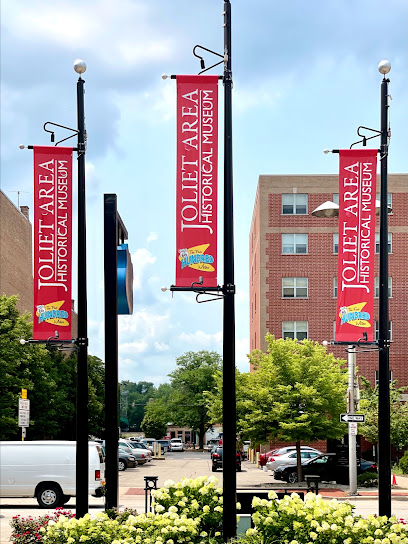
Route 66 & Lincoln Highway Marker
1.4 km
Where two legendary American highways, Route 66 and the Lincoln Highway, meet in the heart of Joliet, Illinois, a tribute to the open road.
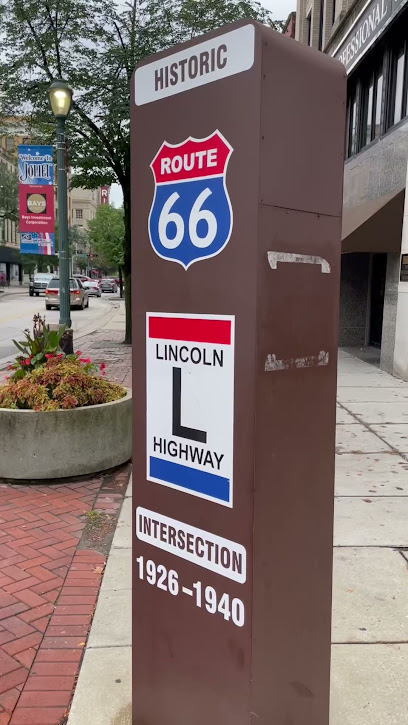
Louis Jolliet Statue
1.5 km
Honor the legacy of Louis Jolliet, a French-Canadian explorer, at this historical statue in Joliet Township, Illinois.
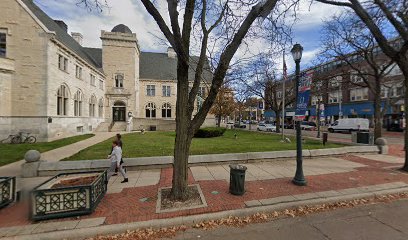
Historic Louis Joliet Apartments
1.5 km
Explore the Historic Louis Joliet Apartments, a stunning architectural gem reflecting Joliet's rich history and culture, perfect for architecture enthusiasts and tourists alike.
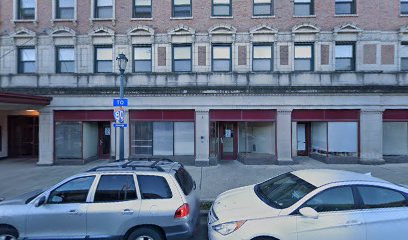
Will County Historic Preservation Commission
1.5 km
Explore Will County's architectural treasures and learn about its rich history at the Historic Preservation Commission in Joliet, Illinois.
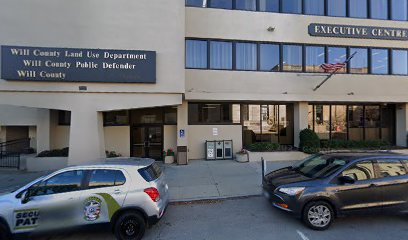
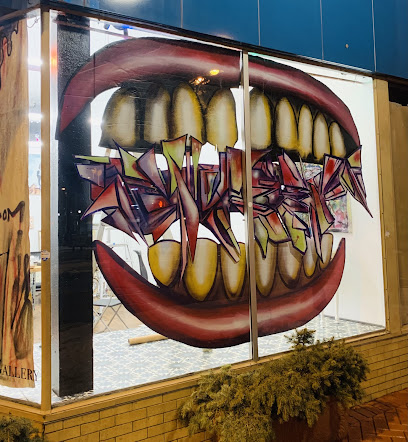
The Strange & Unusual Gallery
1.5 km
Explore the bizarre and beautiful at Joliet's Strange & Unusual Gallery, where unconventional art ignites imagination and celebrates the extraordinary.
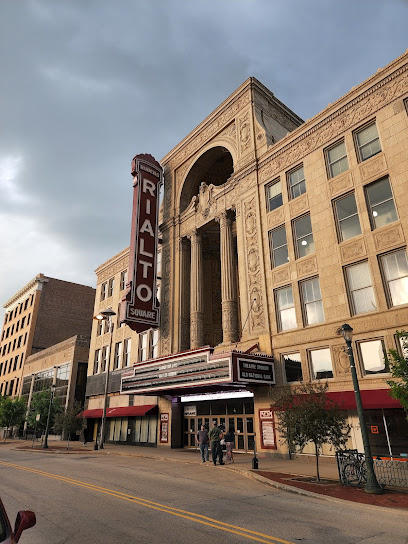
Rialto Square Theatre
1.6 km
Experience the grandeur of a bygone era at the Rialto Square Theatre, a meticulously restored vaudeville palace in the heart of Joliet.
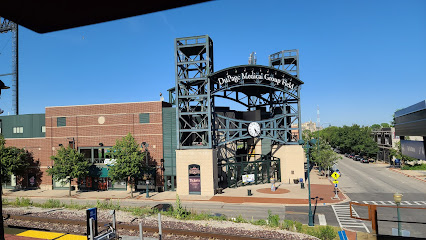
Joliet Slammers Baseball
1.6 km
Catch exciting Frontier League baseball with the Joliet Slammers at Duly Health and Care Field in downtown Joliet. Affordable family fun!
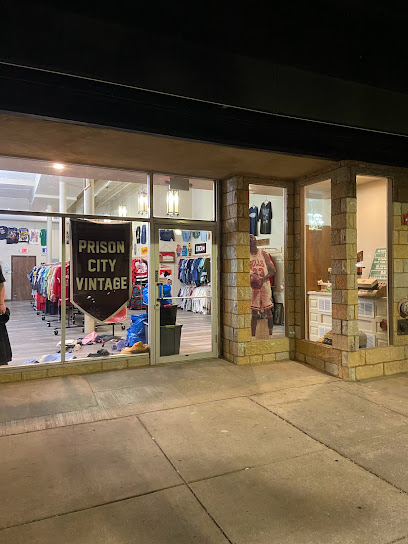
Prison City Vintage
1.6 km
Explore the charm of vintage fashion at Prison City Vintage in Joliet, where every piece has a story waiting to be discovered.
Hiram B. Scutt Mansion
1.7 km
Explore the historic Hiram B. Scutt Mansion in Joliet, IL: a Second Empire architectural gem with a fascinating past and rumored hauntings.
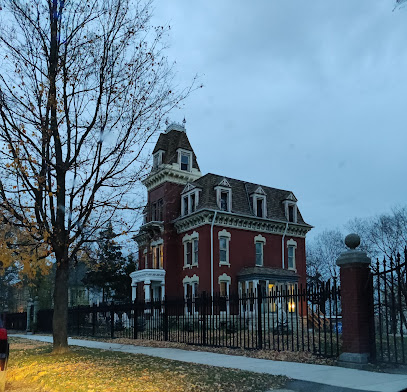
Unmissable attractions to see

Joliet Iron Works Park
0.4 km
Discover the rich history and scenic beauty of Joliet Iron Works Park, a perfect getaway for nature lovers and history enthusiasts.
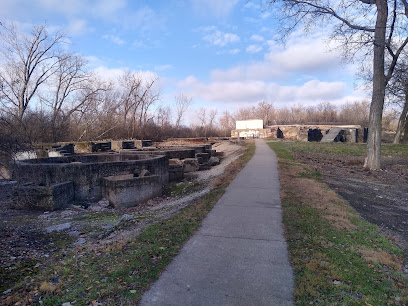
Joliet Kicks on Route 66
0.5 km
Explore Joliet Kicks on Route 66, a vibrant park celebrating the iconic American highway through art, history, and community in Joliet, Illinois.
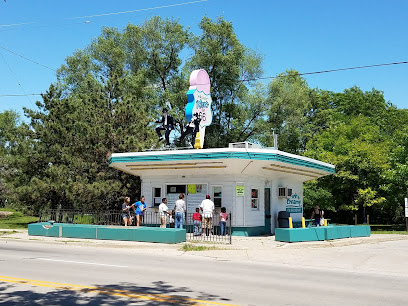
Route 66 Park
0.6 km
Experience the nostalgia of Route 66 at Joliet's beautiful park, where history meets nature in a picturesque setting.
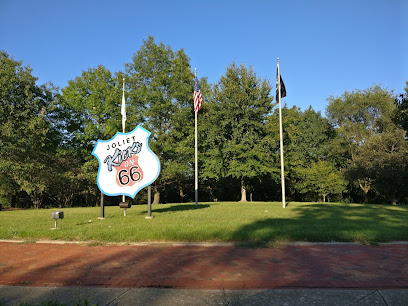
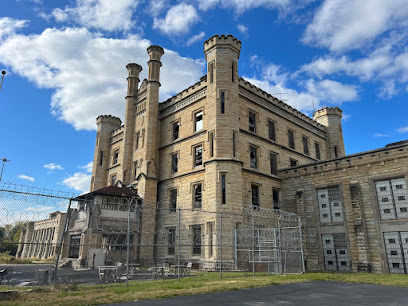
Old Joliet Prison
0.7 km
Discover the haunting history and unique architecture of the Old Joliet Prison, a must-see attraction in Joliet, Illinois for history enthusiasts.
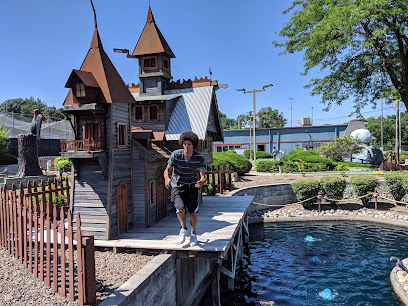
Haunted Trails Family Entertainment Center & Picnics
1.3 km
Discover family-friendly fun and thrills at Haunted Trails Family Entertainment Center in Joliet, Illinois - where excitement meets adventure!
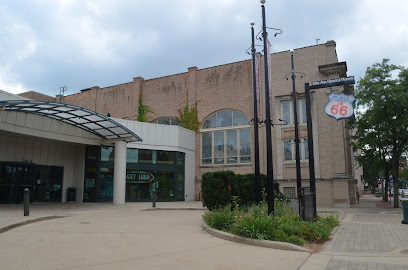
Joliet Area Historical Museum
1.3 km
Explore the vibrant history of Joliet at the Joliet Area Historical Museum, where engaging exhibits bring the past to life for every visitor.
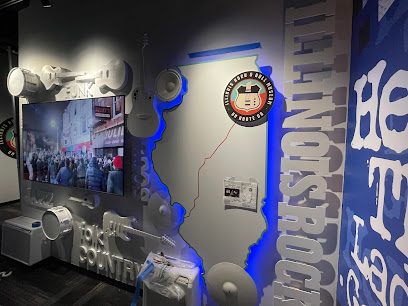
Illinois Rock & Roll Museum on Route 66
1.4 km
Explore the vibrant history of rock music at the Illinois Rock & Roll Museum on Route 66, where legends come to life in Joliet, Illinois.
Billie Limacher Bicentennial Park
1.6 km
Discover the tranquil beauty and vibrant cultural events at Billie Limacher Bicentennial Park in Joliet, Illinois, a perfect destination for relaxation and entertainment.
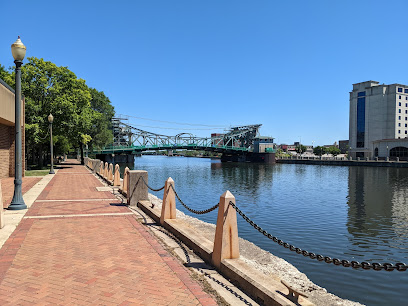
Jacob Henry Mansion
1.9 km
Discover the charm and elegance of Jacob Henry Mansion, a historic event venue in Joliet, perfect for weddings and special occasions.
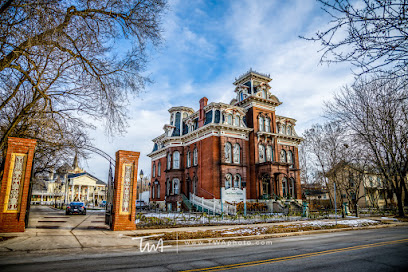
Mayor Art Schultz Park
2.1 km
Experience the tranquility of nature at Mayor Art Schultz Park, a scenic oasis in Joliet, perfect for relaxation, picnics, and outdoor activities.
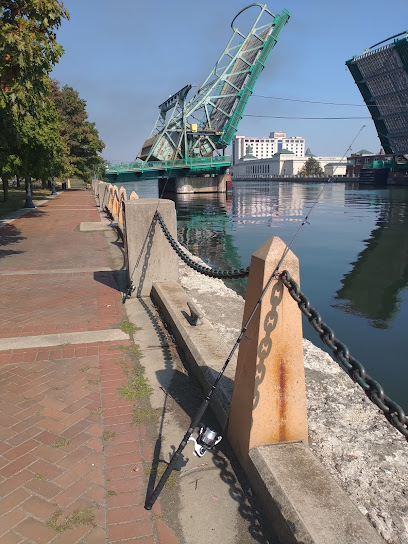
Nowell Park
4.0 km
Experience the tranquility of Nowell Park in Joliet, Illinois, a perfect spot for families and nature lovers to unwind and enjoy outdoor activities.
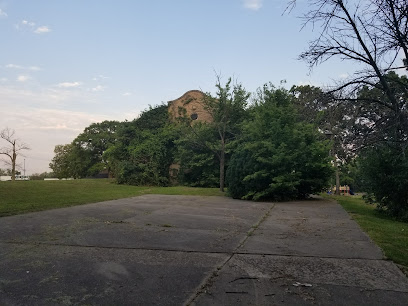
Pilcher Park Nature Center
4.8 km
Explore the natural beauty and tranquility of Pilcher Park Nature Center in Joliet, Illinois, a perfect escape for outdoor lovers and families alike.
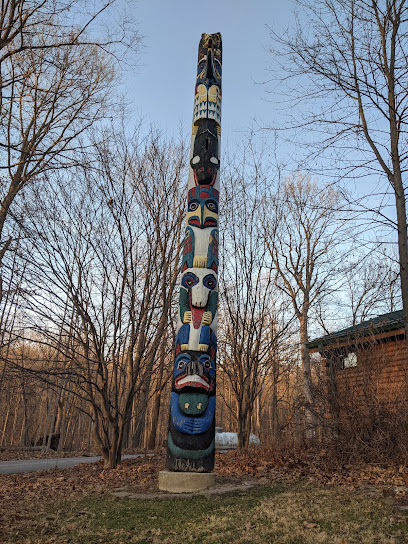
Paul E. Briese Park
5.9 km
Explore the natural beauty and recreational offerings of Paul E. Briese Park in Joliet, Illinois, a perfect getaway for nature lovers and families alike.
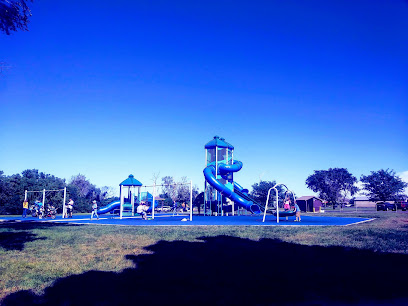
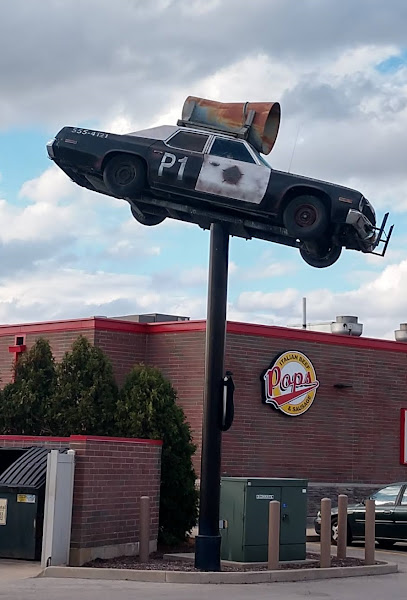
Blues Brothers Copmobile
6.7 km
Discover the Blues Brothers Copmobile in Joliet, Illinois – a nostalgic tribute to the iconic film that captures the heart of American pop culture.
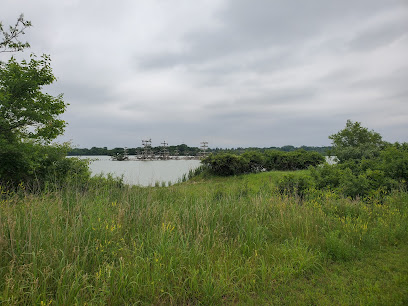
Lake Renwick Heron Rookery Nature Preserve
10.4 km
Explore Lake Renwick Heron Rookery Nature Preserve: A haven for bird watchers and nature lovers seeking tranquility in Illinois.
Essential places to dine

Luna Mexicana Restaurant
0.6 km
Discover authentic Mexican cuisine at Luna Mexicana Restaurant in Joliet – where every dish tells a story of flavor and tradition.
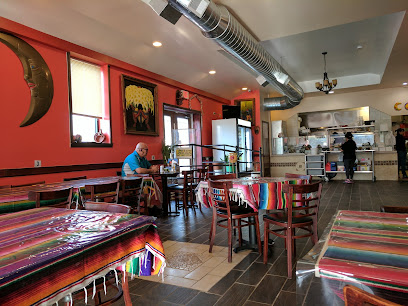
Mariscos La Laguna
0.6 km
Experience authentic Mexican flavors at Mariscos La Laguna – where fresh seafood meets vibrant Latin American cuisine in Joliet.
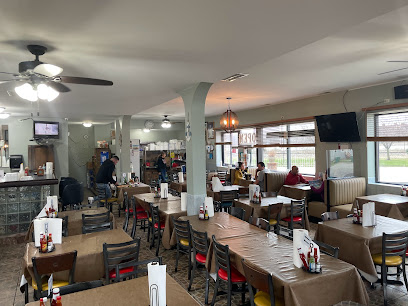
El Huichol De Don Memo
0.7 km
Experience the vibrant fusion of seafood and authentic Mexican cuisine at El Huichol De Don Memo in Joliet.
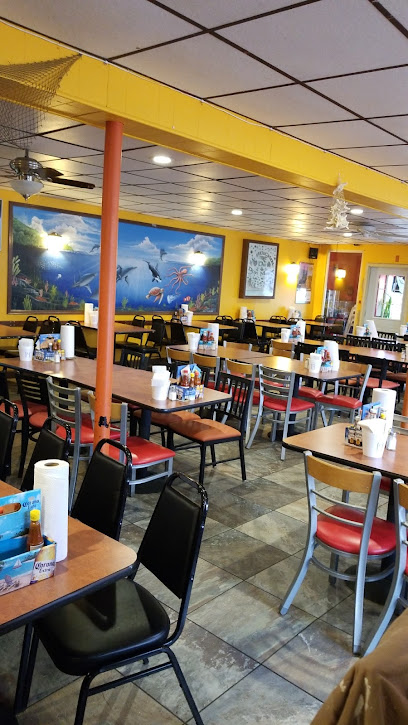
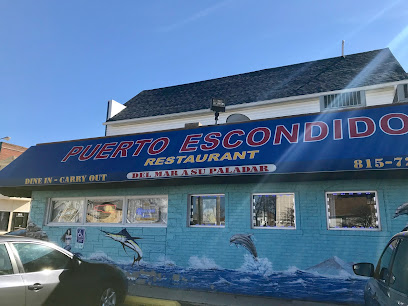
Puerto Escondido
0.7 km
Experience authentic Mexican cuisine at Puerto Escondido in Joliet - where every meal is a celebration of flavor and culture.
Stefanich's Restaurant & Lounge
0.8 km
Experience delightful dining at Stefanich's Restaurant & Lounge in Joliet, where local flavors meet exceptional hospitality.
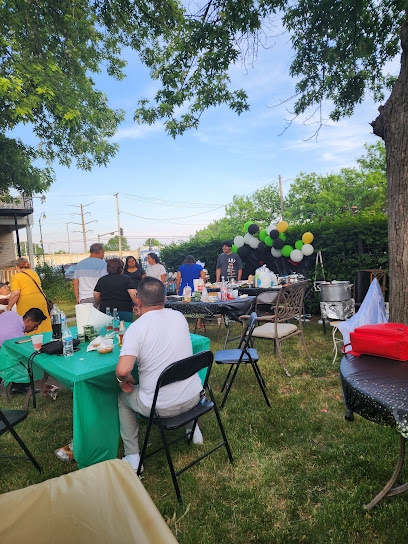
El Primo Mexican Restaurant
0.8 km
Discover authentic Mexican cuisine at El Primo Mexican Restaurant in Joliet – where vibrant flavors meet warm hospitality.
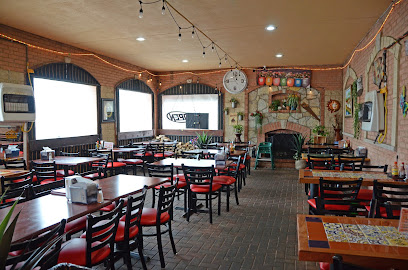
Sunshine Mexican Cafe - Restaurant & Catering
0.9 km
Experience authentic Mexican flavors at Sunshine Mexican Cafe in Joliet - where every dish tells a story.
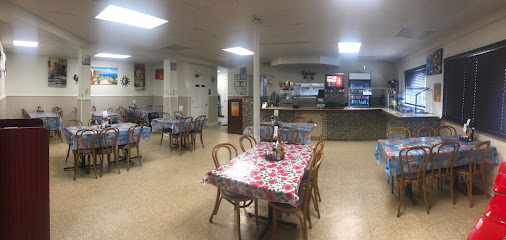
Azul Celeste Bar and Grill
1.1 km
Discover delightful Mexican flavors at Azul Celeste Bar and Grill in Joliet – where vibrant dishes meet a lively atmosphere.
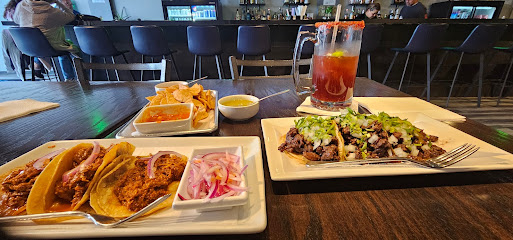
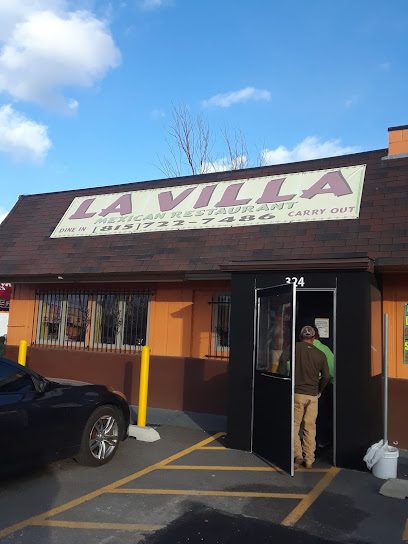
La Villa Restaurant
1.2 km
Experience the essence of Mexican cuisine at La Villa Restaurant in Joliet - where every dish tells a flavorful story.
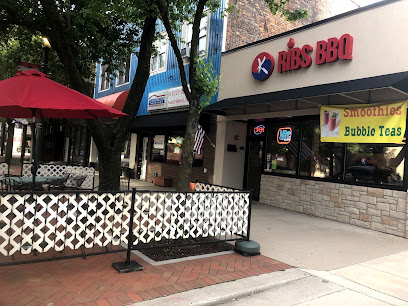
YURA NUNA (formerly K Ribs BBQ)
1.3 km
Experience authentic Korean barbecue at YURA NUNA in Joliet – where flavor meets tradition in an inviting atmosphere.
Juliet's Tavern
1.4 km
Discover delicious American cuisine at Juliet's Tavern - where great food meets exceptional craft brews in Joliet.
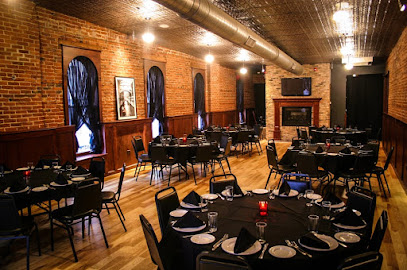
Vela’s Restaurant & Lounge
1.4 km
Discover culinary delights at Vela's Restaurant & Lounge in Joliet – where grilling meets elegance in a vibrant atmosphere.
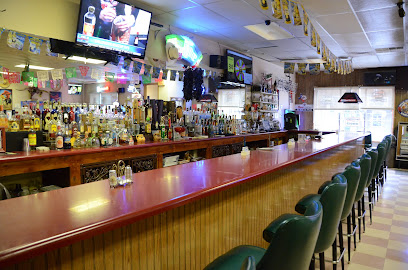
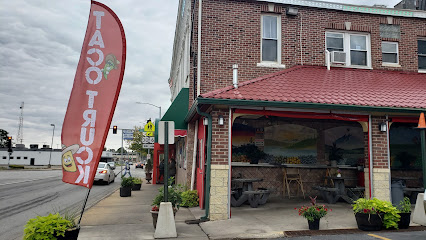
Taco Truck
1.4 km
Savor authentic Mexican flavors at Taco Truck in Joliet - a must-visit for taco enthusiasts seeking fresh ingredients and vibrant tastes.
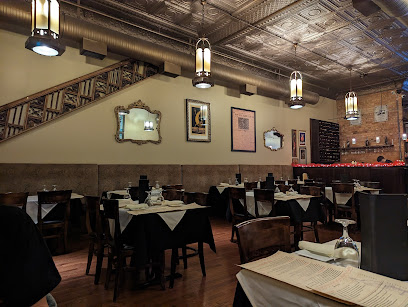
Mousa
1.5 km
Discover the essence of Greek cuisine at Mousa in Joliet—where every dish tells a story and every meal is a celebration.
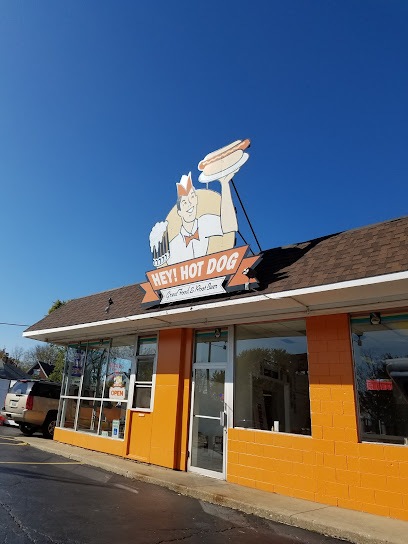
Hey Hot Dog
1.5 km
Experience mouthwatering hot dogs and friendly service at Hey Hot Dog in Joliet - your go-to fast food destination!
Markets, malls and hidden boutiques

Damaris Boutique
0.8 km
Explore Damaris Boutique: A unique shopping haven in Joliet, Illinois, offering trendy fashion and local charm.
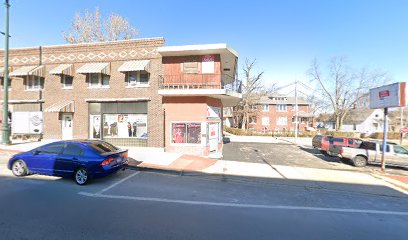
Joliet Jewelry Store
0.8 km
Explore the exquisite selection at Joliet Jewelry Store, where elegance meets craftsmanship in the heart of Joliet, Illinois.
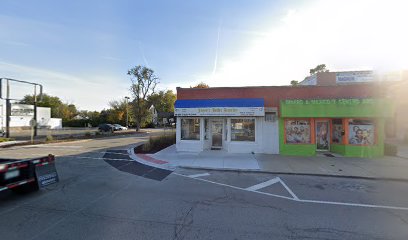
Plaza Robles
1.2 km
Discover the charm of western fashion at Plaza Robles, your go-to store for boots, apparel, and essential financial services in Joliet, Illinois.
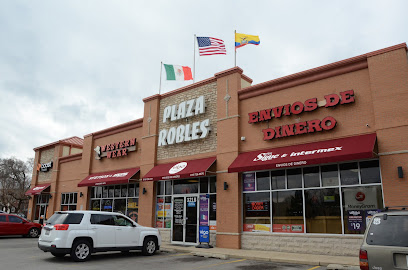
Western Wear
1.2 km
Discover authentic western apparel at Western Wear in Joliet, Illinois - a unique shopping experience for tourists and fashion enthusiasts alike.
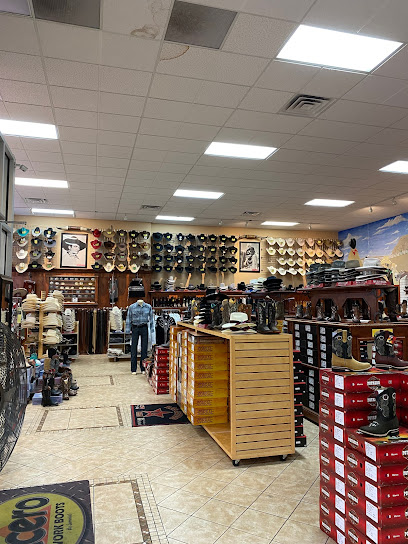
Shop 1928
1.4 km
Discover the latest trends at Shop 1928 in Joliet, where fashion meets affordability for every style and occasion.
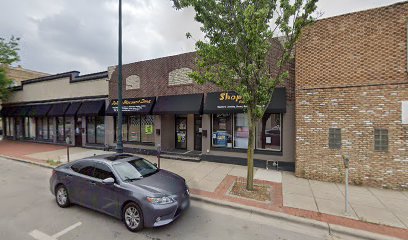
Latino Illusion Cano
1.4 km
Explore Latino Illusion Cano in Joliet for vibrant, culturally-inspired clothing that adds a unique flair to any wardrobe.
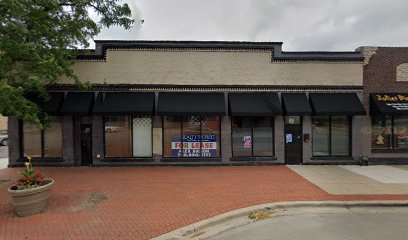
Ready Set Zoe
1.5 km
Explore Ready Set Zoe in Joliet, where affordable fashion meets a delightful shopping experience for stylish dresses.
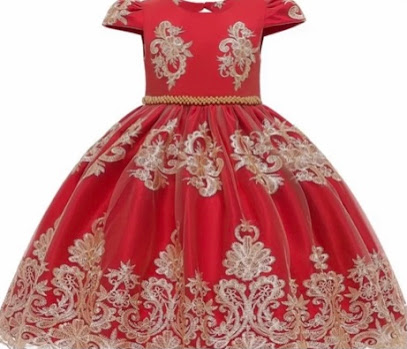
Amalove Boutique
1.5 km
Explore unique fashion at Amalove Boutique in Joliet, where style meets personalized service and every visit promises a new discovery.
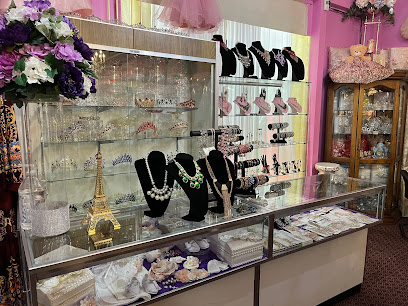
Dstylz n things
1.5 km
Explore Dstylz n Things in Joliet for the latest in women's fashion, combining style, quality, and affordability in one boutique.
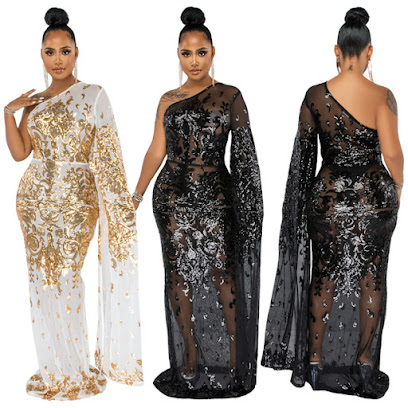
ARTESANO STORE LLC
1.6 km
Discover unique hats, bags, clothing, and shoes at Artesano Store LLC in Joliet, where fashion meets creativity for a delightful shopping experience.
It Is Amazing
1.6 km
Explore 'It Is Amazing' in Joliet for a unique shopping experience featuring stylish clothing, exquisite jewelry, and charming souvenirs.
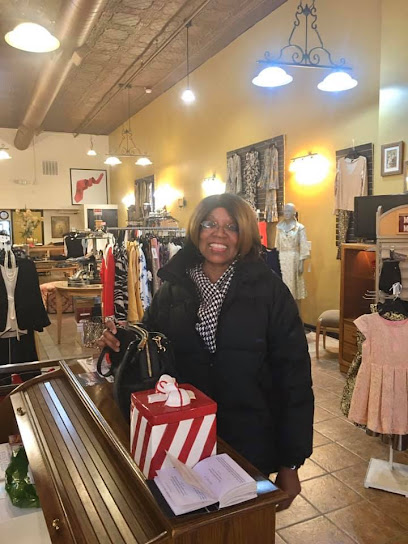
Western Grocery Store
1.6 km
Experience local flavors at the Western Grocery Store in Joliet, Illinois, where freshness meets community spirit in every aisle.
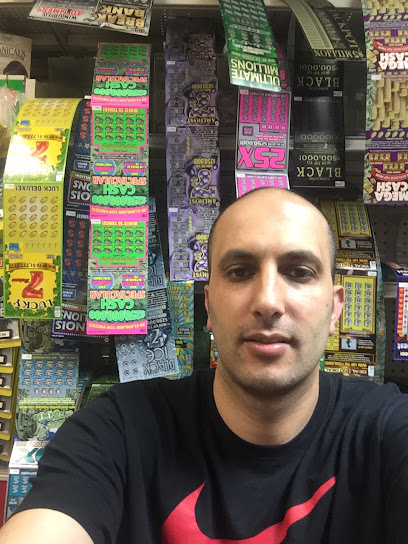
The Juncture
1.7 km
Explore The Juncture in Joliet, a vintage clothing store offering unique pieces and sustainable fashion, perfect for style enthusiasts and collectors.
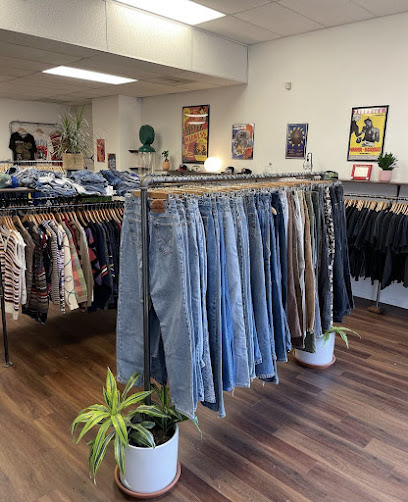
Greg Spiess Antiques
1.8 km
Explore a treasure trove of vintage treasures at Greg Spiess Antiques in Joliet, where history and charm come together for an unforgettable shopping experience.
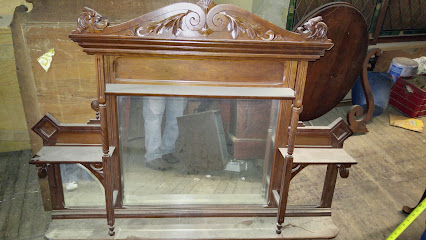
Clothingus
2.1 km
Explore the vibrant world of fashion at Clothingus, Joliet's top clothing store offering a diverse selection of stylish apparel for every occasion.
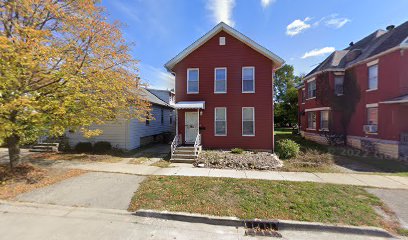
Essential bars & hidden hideouts

Johnny's On Hickory
0.7 km
Discover the vibrant flavors of American cuisine at Johnny's On Hickory, Joliet's favorite grill and sports bar for a delightful dining experience.
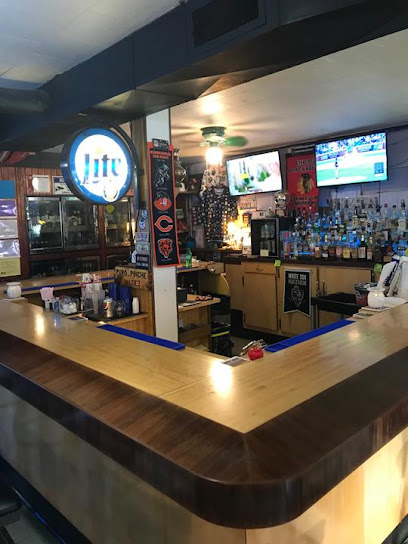
Steel City Saloon
1.0 km
Discover the lively Steel City Saloon in Joliet, Illinois - a top dart bar with a vibrant atmosphere, delicious drinks, and friendly competition.
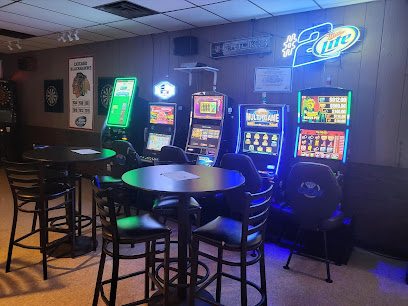
Crybabies Tap
1.2 km
Discover the lively ambiance and diverse drink selections at Crybabies Tap, the perfect bar for unwinding in Joliet, Illinois.
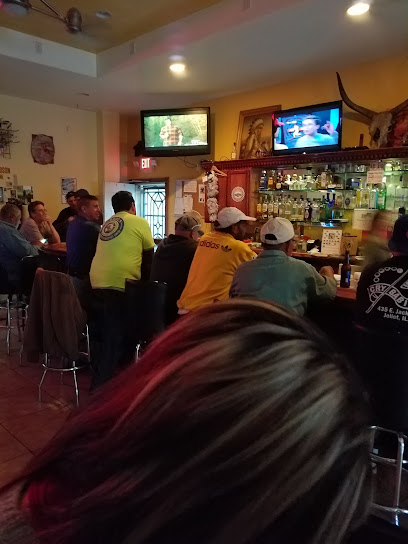
Judge's Bar - Joliet
1.4 km
Discover the lively atmosphere and extensive drink selection at Judge's Bar, a must-visit destination in Joliet, Illinois.
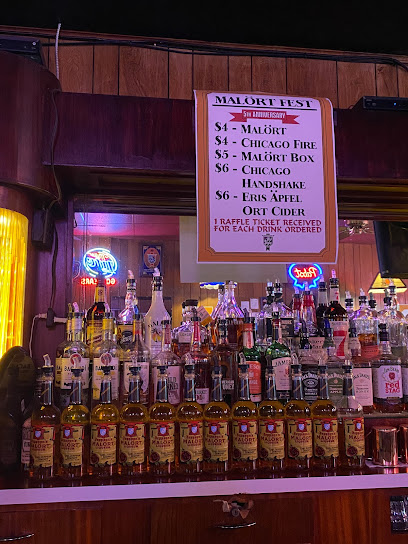
Crow's Nest Tavern
1.4 km
Discover the vibrant atmosphere of Crow's Nest Tavern, a local favorite in Joliet, Illinois, offering affordable drinks and a welcoming vibe for all travelers.
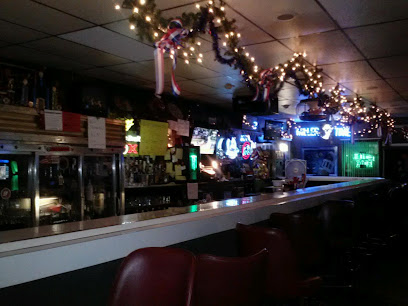
Thirty-Buck
1.8 km
Discover the perfect blend of great drinks and nostalgic gaming at Thirty-Buck in Joliet, where fun and flavor meet!
Izzy's LLC
1.8 km
Experience the thrill of sports at Izzy's LLC, Joliet's favorite sports bar with delicious food and a lively atmosphere for all!
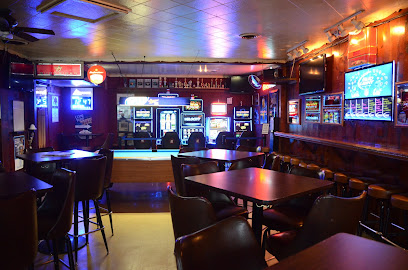
Mid Town Tap
1.9 km
Discover the lively Mid Town Tap in Joliet, IL, a perfect bar for relaxation with great drinks and an inviting atmosphere.
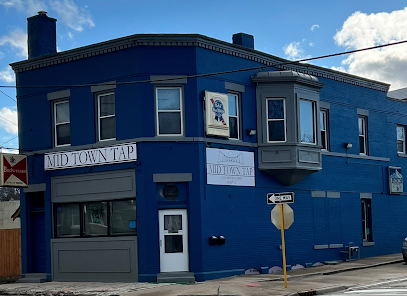
Bobby's Tap
2.4 km
Experience the vibrant atmosphere at Bobby's Tap, Joliet's premier gay bar, known for its inclusive vibe and lively entertainment.
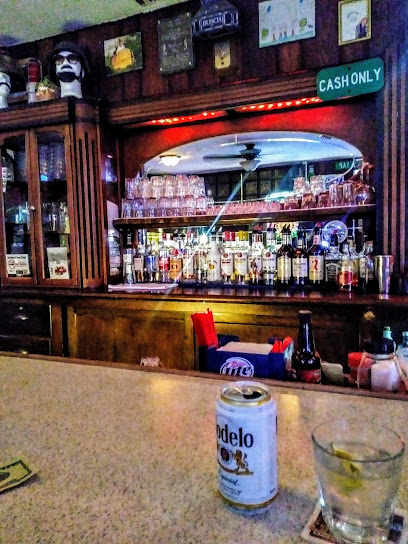
Eden Bar and Grill
3.8 km
Experience the delicious grill cuisine and vibrant atmosphere at Eden Bar and Grill in Joliet, Illinois, a local favorite for food and fun.
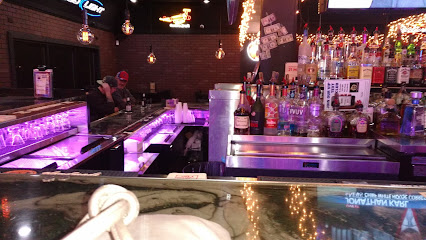
Longshots
3.9 km
Experience the lively atmosphere at Longshots, where delicious grilled dishes and refreshing drinks meet in Joliet's vibrant dining scene.
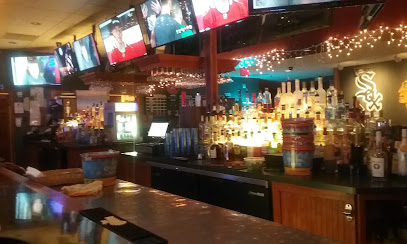
Saloon 2
4.1 km
Discover Saloon 2, Joliet's beloved bar, offering an inviting atmosphere, diverse drinks, and a perfect spot for relaxation and socializing.
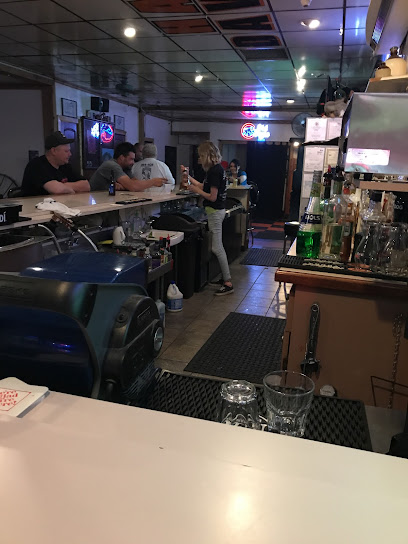
Sidelines Sports Bar
4.9 km
Discover the ultimate sports bar experience at Sidelines in Joliet, where delicious food, refreshing drinks, and lively entertainment await.
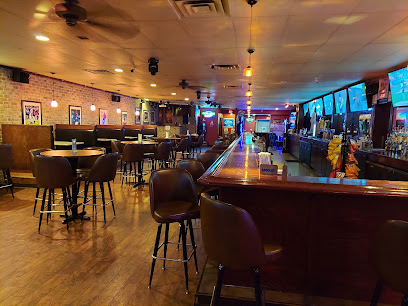
On The Rocks Joliet
6.8 km
Discover the vibrant nightlife at On The Rocks Joliet, where great drinks and a welcoming atmosphere await every visitor.
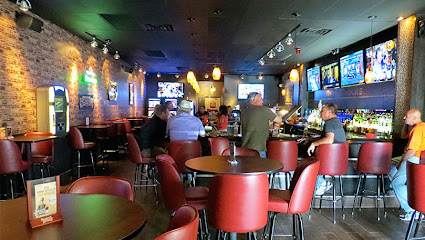
Double J Sports Bar
6.8 km
Discover Double J Sports Bar in Joliet, Illinois – where sports, great food, and local entertainment come together in a fun, friendly atmosphere.
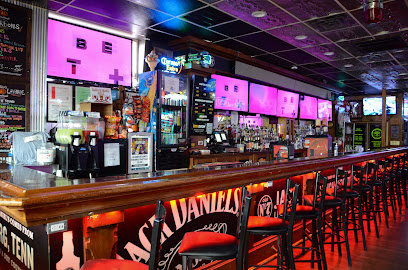
Nightclubs & after hour spots

Beacon Club
0.7 km
Discover Joliet's Beacon Club, where electrifying nightlife meets unforgettable dance experiences in a vibrant atmosphere.
Icon Lounge
1.4 km
Experience Joliet's nightlife at Icon Lounge, the premier night club featuring electrifying music, vibrant atmosphere, and unforgettable moments.
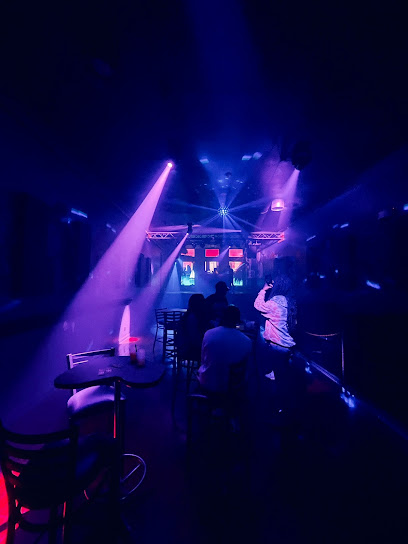
Sheer
1.6 km
Experience the vibrant nightlife of Sheer in Joliet, where exceptional drinks and an electrifying atmosphere await every visitor.
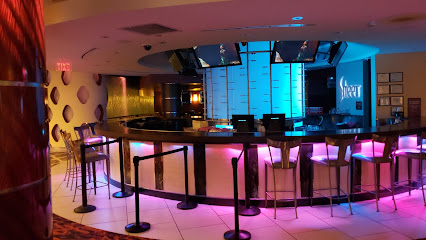
Smokers Club
1.6 km
Experience the vibrant nightlife at Smokers Club, a must-visit bar in Joliet, Illinois, offering great drinks, music, and a lively atmosphere.
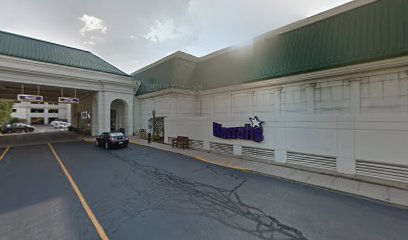
Terrace Inn Lounge
3.2 km
Discover the lively atmosphere of Terrace Inn Lounge, Joliet's top night club for dancing, drinks, and unforgettable entertainment.
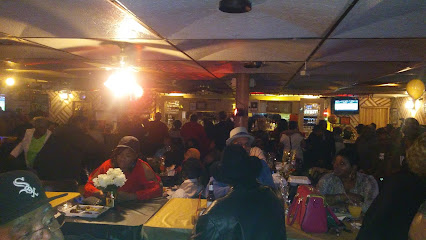
E & H Lounge
3.4 km
Experience the vibrant nightlife at E & H Lounge in Joliet, where handcrafted drinks and a lively atmosphere await you.
KC Lounge
6.2 km
Dive into the energetic nightlife at KC Lounge, Joliet's top night club, where unforgettable music and vibrant atmosphere await.
VIP Lounge
8.7 km
Experience the elegance of the VIP Lounge at Hollywood Casino Joliet, where luxury meets relaxation in a stunning setting.

Indian Oaks Club House
18.2 km
Experience the vibrant nightlife at Indian Oaks Club House in Bolingbrook, Illinois, where dancing and great company create unforgettable memories.
Hip Hop Off the Street Club
18.4 km
Experience the spirit of hip-hop culture at Hip Hop Off the Street Club, where youth creativity thrives in Bolingbrook, Illinois.
Bolingbrook INTREN LLC
19.9 km
Discover the electrifying nightlife at Bolingbrook INTREN LLC, a premier night club in Naperville, Illinois, where music and fun come alive.
The Matrix Club
26.2 km
Experience the vibrant culture of Naperville at The Matrix Club, a premier venue for live music, dancing, and culinary delights.
Miss Kittys Saloon
27.7 km
Discover the lively charm of Miss Kitty's Saloon, a vibrant bar and event venue perfect for fun nights out in Naperville.
3rd Ward Social Club
29.5 km
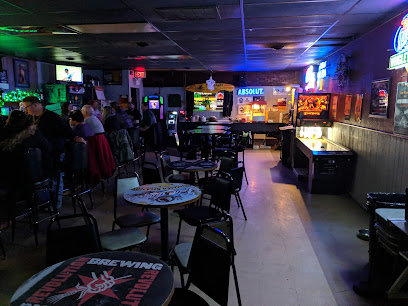
Discover the lively nightlife at 3rd Ward Social Club in Aurora, Illinois – where great drinks, music, and a vibrant atmosphere await.
Aurora Spanish American Club
30.1 km
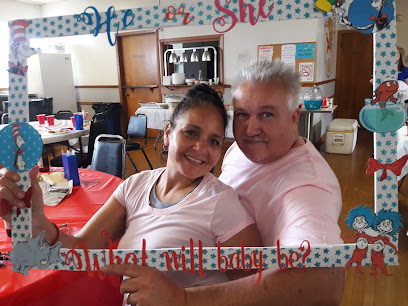
Discover the lively Aurora Spanish American Club, a pool hall where fun meets culture in the heart of Aurora, Illinois.