Starved Rock State Park, Metro East Travel Guide
Explore stunning canyons, hike scenic trails, and discover the rich history of Illinois at Starved Rock State Park.
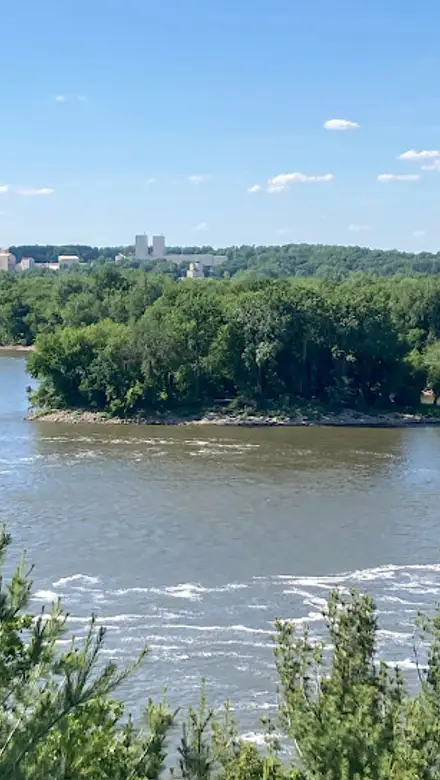
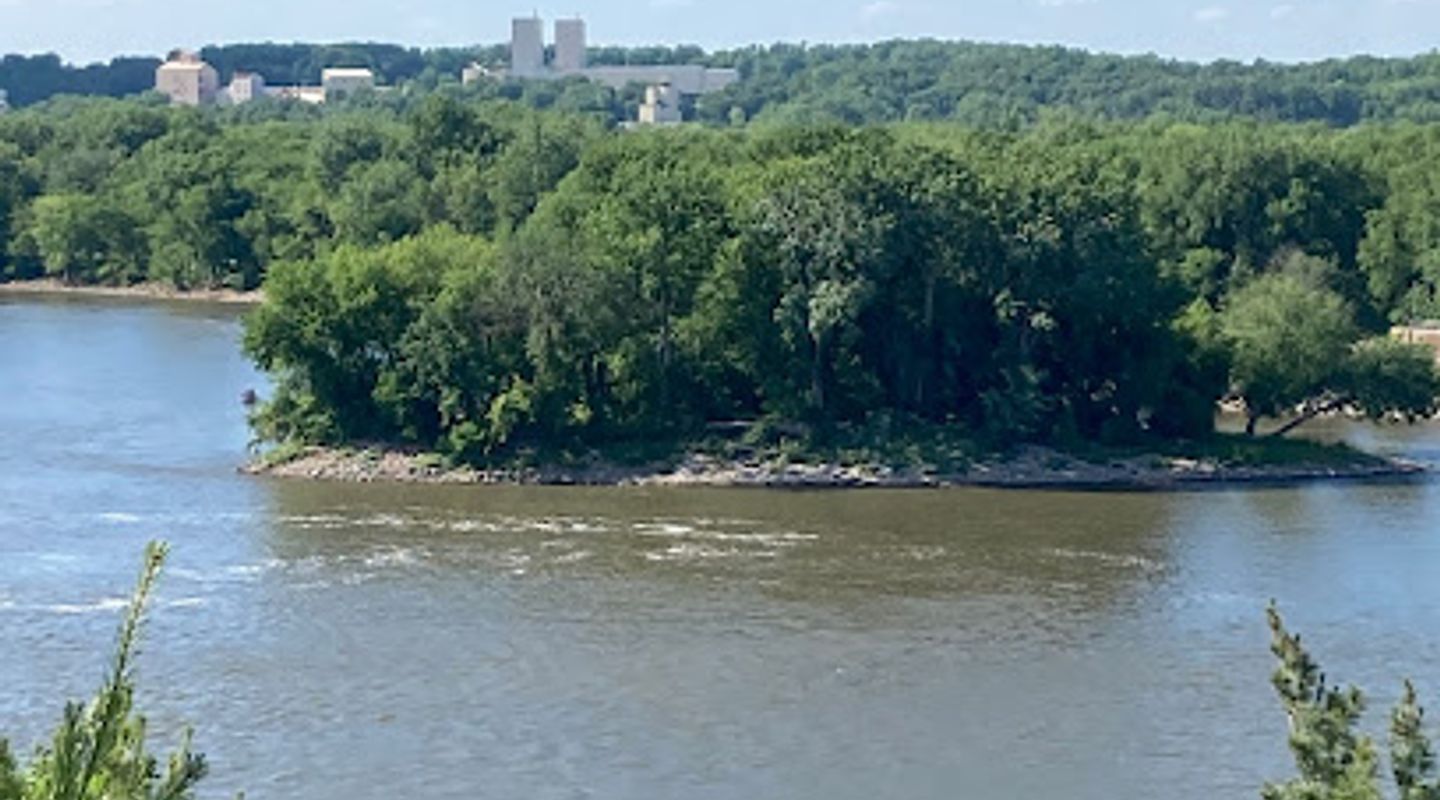
Starved Rock State Park, located along the Illinois River, is a stunning natural escape with 18 canyons, seasonal waterfalls, and 13 miles of hiking trails. Named after a Native American legend, the park offers a blend of history and outdoor adventure.
A brief summary to Starved Rock State Park
- Oglesby, Illinois, 61348, US
- Click to display
- Click to display

Know before you go
Hi, I'm Eve. Here are a few practical things to know before exploring Starved Rock State Park.
- Arrive early, especially on weekends and during peak seasons, to secure parking and avoid crowded trails.
- Check the weather forecast and trail conditions before your visit, as rain can make trails muddy or lead to temporary closures.
- Wear sturdy hiking shoes with good grip, as many trails involve stairs and uneven terrain.
- Bring plenty of water and snacks, as there are no restrooms or drinking water available on the trails.
- Stay on marked trails and be aware of potential hazards such as poison ivy and ticks.
Do you manage this location?
Take control to get all the benefits, like improved information, better appearance, and stronger visibility across AI-powered discovery. Learn more about listing your business on Evendo
Activate your presenceOther nearby places you may find interesting
The closest places of the same kind, if this one is not quite what you had in mind.


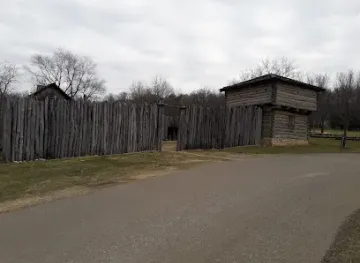
Explore Starved Rock State Park on the Map
A handpicked selection of must-see spots near Starved Rock State Park, mapped for you.
Unlock the Best of Starved Rock State Park
Buy tickets
-
No tickets available
Book tours with entry


Getting There
-
Driving
Starved Rock State Park is located near Oglesby, Illinois. From Chicago, take I-55 south to I-80 west. Exit onto IL-178 South and follow the signs to the park. Be prepared for toll roads requiring an I-PASS, E-ZPass, or online payment. Parking is free within the park, but lots can fill quickly, especially on weekends. Several parking lots are available, including the Main Visitor Center Parking Lot, Lodge Parking Lot, and Overflow Parking Lot. Check Starved Rock Hikers for parking updates.
-
Public Transport
While there is no direct public transportation to Starved Rock State Park, you can take Amtrak to the Mendota station, approximately 20 miles north of the park. From there, you would need to take a taxi or rideshare service to reach the park. Taxi/ride-share fare would be approximately $40-$60. Confirm availability and pricing beforehand.
Discover more about Starved Rock State Park
More to explore near Starved Rock State Park













Your all‑in‑one travel companion app
Explore expert travel guides, compare and book tours, experiences, hotels, and more—all from the palm of your hand. Download now for seamless trip planning wherever your wanderlust takes you.


Explore More of Metro East
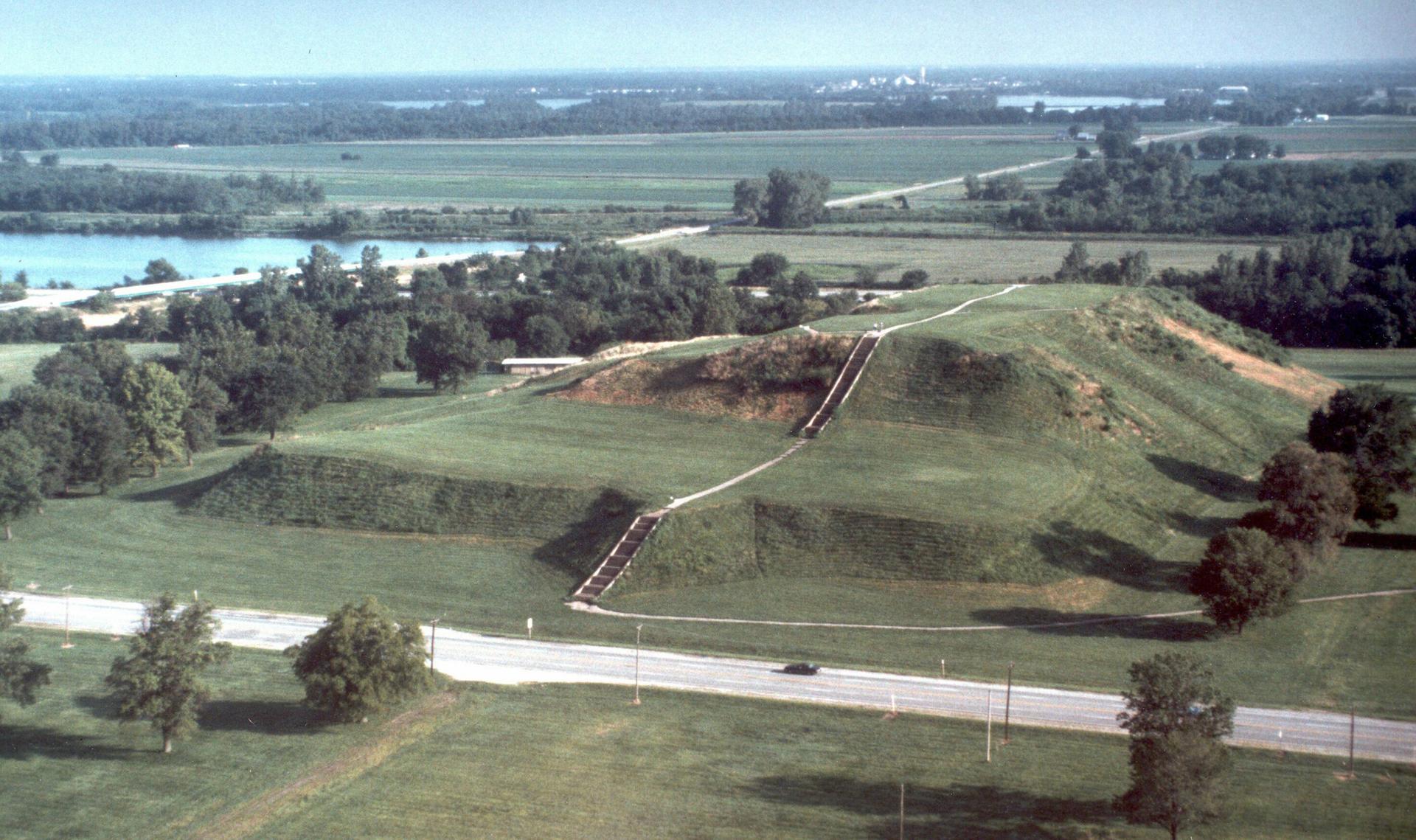
Looking beyond Starved Rock State Park? Discover Metro East for broader travel guides, local hot-spots, and regional highlights.
Explore Metro East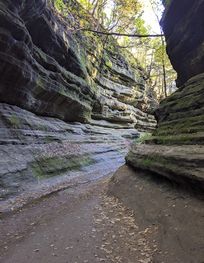
Experience breathtaking panoramic views and serene natural beauty at Lover's Leap Overlook in Matthiessen State Park, Oglesby, Illinois.
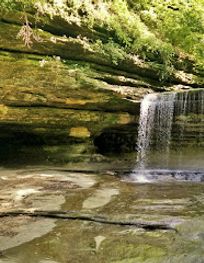
Explore LaSalle Canyon in Starved Rock State Park: Stunning sandstone formations, a year-round waterfall, and scenic hiking trails.