

Free Metro East Travel Guide & Mobile App
Explore Metro East with free travel guides. Discover regional history, expert tips, proposed trips, and audio guides on web or mobile app.


Explore Metro East Illinois for Cahokia Mounds, Mississippi River towns, historic Belleville, prairie parks and the industrial heritage of Greater St Louis.
Read more about Metro East
Getting to and around Metro East
How to get there
Transportation
Destinations in Metro East
Resorts, valleys and scenic spots worth a trip of their own.

Swipe for more destinations
Best attractions in Metro East
Metro East’s attractions range from one of North America’s most important archaeological landscapes to river towns, museums and open-air recreation. Cahokia Mounds State Historic Site near Collinsville is the essential historical visit, with monumental earthworks and interpretation of the Mississippian city that once occupied the area. In Hartford, the Lewis and Clark State Historic Site explains the expedition’s preparations before departure, while the National Great Rivers Museum in Alton examines the Mississippi’s ecology, engineering and economic importance. Alton itself provides historic streets, river views and access to the Meeting of the Great Rivers National Scenic Byway. Outdoor options include Horseshoe Lake State Park, Frank Holten State Recreation Area, local prairie and woodland preserves, and trails suited to walking, cycling, birdwatching and fishing. Belleville and Edwardsville add galleries, cultural venues, historic districts and university connections, while Granite City, Madison and East St Louis offer a more industrial understanding of the region. The most rewarding itineraries combine a major heritage site with a river drive, a community museum or a park rather than attempting to treat Metro East as one compact attraction zone.
-
State park
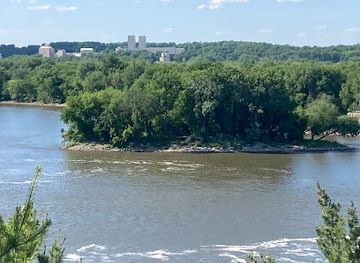
Starved Rock State Park
Explore the breathtaking beauty of Starved Rock State Park, where nature's wonders await you in Illinois' stunning landscapes and rich wildlife.
-
State park
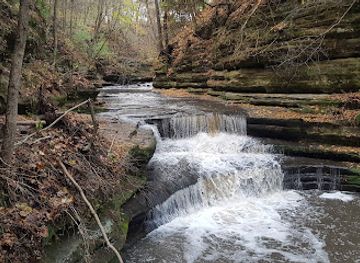
Matthiessen State Park
Explore the stunning landscapes and diverse wildlife at Matthiessen State Park, an ideal haven for outdoor enthusiasts and nature lovers in Illinois.
-
Nature preserve
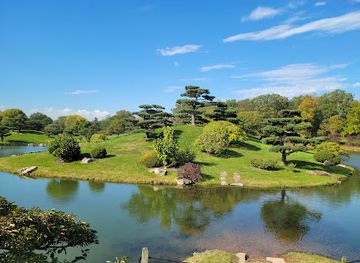
Skokie Lagoons
Explore Skokie Lagoons, a serene nature preserve in Illinois offering scenic trails, diverse wildlife, and peaceful picnic spots just outside Chicago.
-
Rail museum
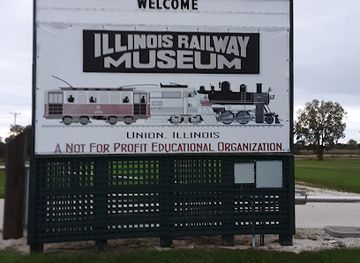
Illinois Railway Museum
Explore the largest railway museum in the U.S. with over 400 historic trains and interactive experiences in Union, Illinois.
Best landmarks in Metro East
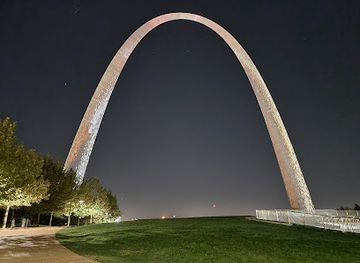
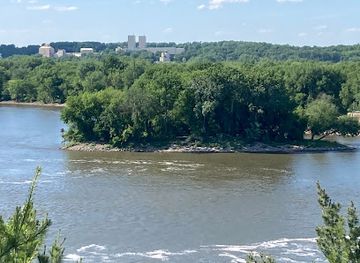
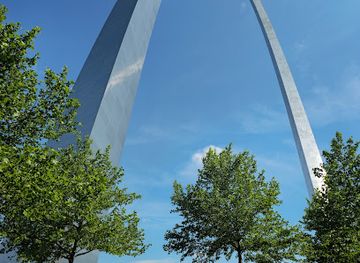
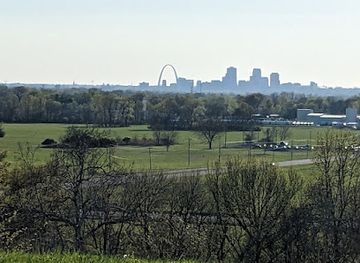
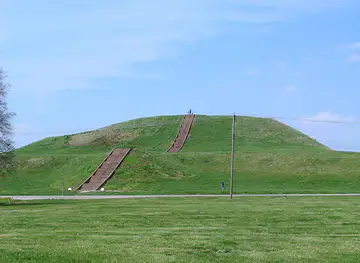
Cahokia Mounds, particularly Monks Mound and the surrounding ceremonial landscape, is Metro East’s defining landmark and a powerful reminder that the Mississippi Valley supported a large, complex urban society long before European settlement. In Alton, the limestone bluffs and historic riverfront create one of the region’s most recognisable landscapes, with the Clark Bridge providing a major visual gateway across the Mississippi. The restored Cahokia Courthouse, an early French colonial building, represents the area’s layered legal and architectural history. Hartford’s Lewis and Clark State Historic Site marks the region’s connection with the 1803–04 expedition, while the confluence country around Alton expresses the geographical importance of the Mississippi, Missouri and Illinois rivers. The Gateway Geyser in East St Louis is a modern civic landmark, designed as a prominent counterpart to the Gateway Arch across the river in Missouri; the arch itself is outside Metro East. In the southern corridor, Belleville’s historic centre and surviving civic and religious buildings reflect the town’s nineteenth-century growth and German-American heritage.
-
Monument
The Gateway Arch
Experience the soaring symbol of American westward expansion at Gateway Arch National Park in St. Louis, Missouri.
-
State park
Starved Rock State Park
Explore stunning canyons, hike scenic trails, and discover the rich history of Illinois at Starved Rock State Park.
-
National park
Gateway Arch National Park
Explore the awe-inspiring Gateway Arch National Park in St. Louis, where history, architecture, and stunning views come together for an unforgettable experience.
-
Historical landmark
Cahokia Mounds State Historic Site
Explore Cahokia Mounds: Discover ancient America's largest pre-Columbian city, a UNESCO World Heritage site near St. Louis, Illinois.
Explore Metro East on the map
Plan your trip on one map. See where the top cities, national parks and sights are, and book hotels and experiences in a few clicks.
Best hotels in Metro East
Best restaurants in Metro East
Dining in Metro East reflects both the wider St Louis food culture and the region’s own river-town, industrial and agricultural setting. Visitors will find casual American restaurants, diners, cafés, pizzerias, barbecue, burgers and traditional Midwestern cooking alongside newer kitchens in Alton, Edwardsville, Belleville and the larger suburban centres. St Louis-style influences, including toasted ravioli, Provel-associated pizza traditions and gooey butter cake, appear across the bi-state area, though they are not exclusive to Illinois. River communities offer places suited to relaxed lunches and dinners, while Belleville’s historic centre and Edwardsville’s university population support a broader range of contemporary dining. Local breweries, bakeries, seasonal produce and farmers’ markets add variety, especially in warmer months. Rural inns and family-owned restaurants are part of the landscape, but opening days can vary, so smaller-town dining often rewards advance planning. Regional food shopping is useful for discovering Illinois produce, baked goods, preserves and locally made drinks.
-
Restaurant
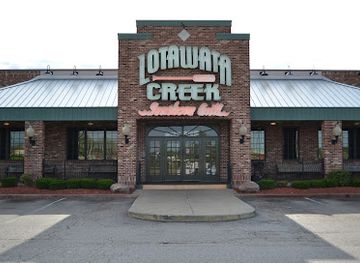
Lotawata Creek
Discover the culinary delights at Lotawata Creek in Fairview Heights—where great food meets inviting atmosphere!
-
Steak
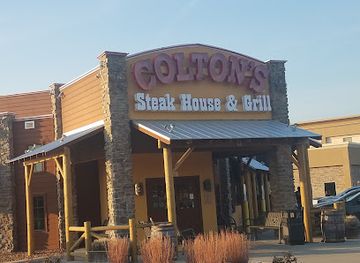
Colton's Steak House & Grill
Indulge in mouthwatering steaks and classic American dishes at Colton's Steak House & Grill in Collinsville.
-
Restaurant
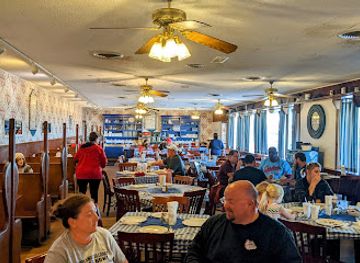
Blue Springs Cafe
Experience comfort food at its finest at Blue Springs Cafe in Highland – where every meal feels like home.
-
Grill
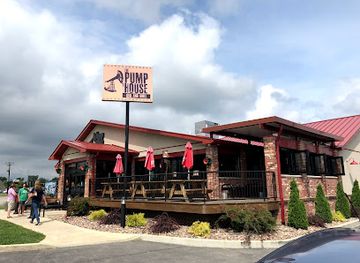
The Pump House Bar & Grill
Experience delicious grilled cuisine and an extensive beer selection at The Pump House Bar & Grill in Wood River, IL.
Best bars in Metro East
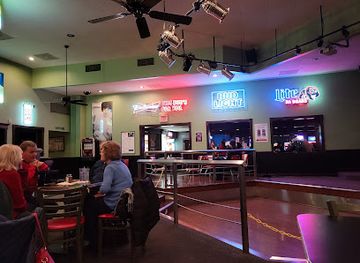
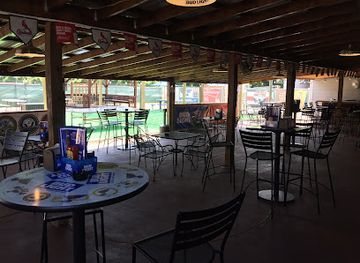
Evening life in Metro East is generally sociable and local rather than centred on a large nightclub district. Alton, Edwardsville and Belleville have the broadest choices of pubs, breweries, cocktail bars, restaurants with late-evening service and occasional live music, while East St Louis has a historically important entertainment legacy alongside a more limited and changing contemporary scene. Traditional bars and neighbourhood taverns remain significant in many communities, and university-linked venues give Edwardsville a younger rhythm during term time. Concerts, theatre programmes and seasonal community events can provide alternatives to drinking-focused nightlife. The largest concentration of clubs and late-night entertainment is across the river in St Louis, outside Metro East, but crossing the Mississippi requires planning around transport and designated driving. Rural areas tend to quieten early, and many venues operate on schedules that vary by day and season.
-
Restaurant
Tavern On Main
Experience the vibrant culinary scene at Tavern On Main in Belleville, where delicious food and a friendly atmosphere await every visitor.
-
Grill
Cutter's
Experience the vibrant atmosphere and delicious grill specialties at Cutter's, Belleville's favorite bar and grill destination.
-
Sports bar
Top Shooters Sports Bar
Experience the ultimate sports bar atmosphere at Top Shooters, where great food, drinks, and entertainment come together in Columbia, Illinois.
-
Bar
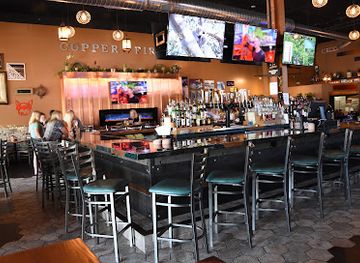
Copper Fire
Experience lively nightlife and a diverse drink selection at Copper Fire, the premier bar in Belleville, Illinois.

Best nightclubs in Metro East
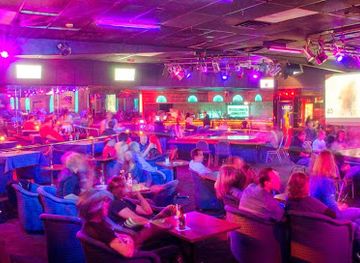
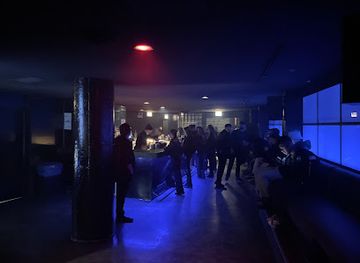
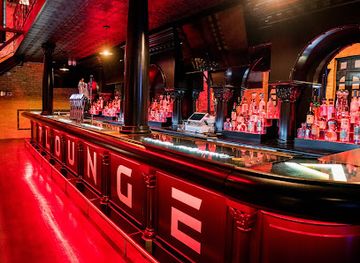
Evening life in Metro East is generally sociable and local rather than centred on a large nightclub district. Alton, Edwardsville and Belleville have the broadest choices of pubs, breweries, cocktail bars, restaurants with late-evening service and occasional live music, while East St Louis has a historically important entertainment legacy alongside a more limited and changing contemporary scene. Traditional bars and neighbourhood taverns remain significant in many communities, and university-linked venues give Edwardsville a younger rhythm during term time. Concerts, theatre programmes and seasonal community events can provide alternatives to drinking-focused nightlife. The largest concentration of clubs and late-night entertainment is across the river in St Louis, outside Metro East, but crossing the Mississippi requires planning around transport and designated driving. Rural areas tend to quieten early, and many venues operate on schedules that vary by day and season.
-
Night club
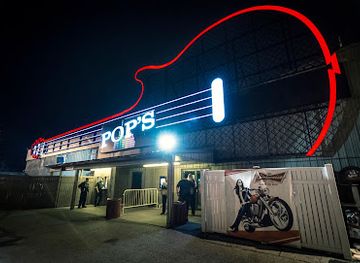
Pop's NightClub & Concert Venue
Unleash your night at Pop's NightClub & Concert Venue, Sauget’s premier destination for live music and vibrant nightlife.
-
Adult entertainment club
Country Rock Cabaret
Discover the electrifying nightlife at Country Rock Cabaret, where live country rock music meets unforgettable entertainment in Sauget, Illinois.
-
Night club
Smartbar
Discover the pulsating nightlife at Smartbar in Wrigleyville, Chicago - a must-visit night club for an unforgettable experience.
-
Night club
Seven Nightclub Chicago
Discover the lively atmosphere at Seven Nightclub Chicago, a premier destination for nightlife lovers with great music and vibrant crowds.
Best shops in Metro East
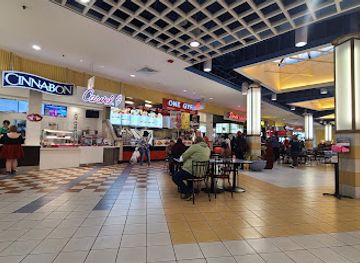
Shopping in Metro East is distributed among historic town centres, suburban commercial areas, independent retailers and seasonal markets rather than concentrated in one nationally known district. Downtown Alton is useful for antiques, books, gifts, galleries and locally oriented small businesses, with river-town architecture adding character to the experience. Belleville’s historic centre has independent shops, cafés, galleries and community markets, while Edwardsville combines a traditional centre with modern retail and university-area businesses. Fairview Heights and nearby corridor shopping provide the region’s larger-scale commercial outlets. Farmers’ markets are a good source of Illinois produce, baked goods, preserves and other regional foods when operating seasonally. Visitors interested in crafts and art should look for local galleries, studio sales and community events rather than expecting a single craft quarter. Practical souvenirs include Mississippi Valley-themed goods, locally produced food, books on Cahokia and regional history, and work by Illinois artists.
-
Shopping mall
St. Clair Square
Explore St. Clair Square in Fairview Heights, a shopping haven featuring diverse stores, delicious dining options, and vibrant community events.
-
Department store
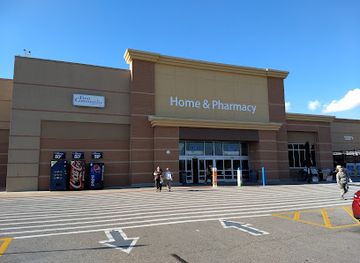
Walmart Supercenter
Discover unbeatable variety and value at Walmart Supercenter in Belleville, IL, your go-to destination for all shopping needs.
-
Antique store
Pink Elephant Antique Mall
Explore the Pink Elephant Antique Mall in Livingston, IL, where unique antiques, handmade goods, and nostalgic candies await every visitor.
-
Ice Cream
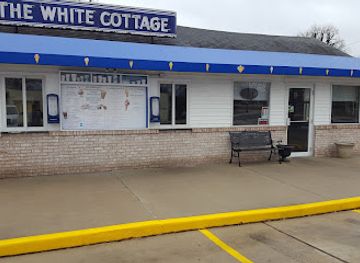
White Cottage
Experience the sweetness of White Cottage in Belleville, IL, where delicious ice cream and gourmet hamburgers create a perfect culinary escape.

Get your free copy of our complete guide to Metro East, delivered straight to you.
Everything on this page, from attractions and restaurants to essentials and local phrases, in one PDF you can read offline, print or share.
Already have an account? Sign in
Your Metro East guide is ready.
We'll send it to · Not you? Sign out

Getting your guide ready…
We are putting together a fresh copy of the Metro East guide. This can take up to a minute.
This can take a few moments. If your browser asks, choose Allow so the download can start. You'll find the guide in your Downloads folder.
Nothing happened? Download it again
Sorry, the guide is taking longer than usual. Please try again in a minute, or get it by email instead.
Metro East essentials
Currency and Payment
Safety
Emergency Situations
Do's and Don'ts
Local Tips
From Eve
Local phrases worth knowing
You don't need to get them perfect. A few words go a long way, and locals appreciate the effort.
Basics
| English | Local | Say it |
|---|---|---|
| Hello | Hey | [Hey] |
| Goodbye | See ya | [See ya] |
| Yes | Yep | [Yep] |
| No | Nah | [Nah] |
| Please/You're welcome | No problem | [No problem] |
| Thank you | Thanks | [Thanks] |
| Excuse me/Sorry | Sorry 'bout that | [Sorry 'bout that] |
| How are you? | How ya doin'? | [How ya doin'?] |
| Fine. And you? | Good. You? | [Good. You?] |
| Do you speak English? | Do you know English? | [Do you know English?] |
| I don't understand | I don't get it | [I don't get it] |
Eating & Drinking
| English | Local | Say it |
|---|---|---|
| I'd like to see the menu, please | Can I see the menu? | [Can I see the menu?] |
| I don't eat meat | I’m a vegetarian | [I’m a vegetarian] |
| Cheers! | Cheers! | [Cheers!] |
| I would like to pay, please | Can I get the check? | [Can I get the check?] |
Emergencies
| English | Local | Say it |
|---|---|---|
| Help! | Help! | [Help!] |
| Go away! | Get lost! | [Get lost!] |
| Call the Police! | Call 911! | [Call 911!] |
| Call a doctor! | Get a doctor! | [Get a doctor!] |
| I'm lost | I’m lost | [I’m lost] |
| I'm ill | I’m not feeling well | [I’m not feeling well] |
Shopping
| English | Local | Say it |
|---|---|---|
| I'd like to buy... | I'm gonna buy... | [I'm gonna buy...] |
| I'm just looking | Just browsing | [Just browsing] |
| How much is it? | What’s the price? | [What’s the price?] |
| That's too expensive | That costs too much | [That costs too much] |
| Can you lower the price? | Can you give me a discount? | [Can you give me a discount?] |
Time & Numbers
| English | Local | Say it |
|---|---|---|
| What time is it? | What time is it? | [What time is it?] |
| It's one o'clock | It’s one | [It’s one] |
| Half past (10) | Half past ten | [Half past ten] |
| Morning | Morning | [Morning] |
| Afternoon | Afternoon | [Afternoon] |
| Evening | Evening | [Evening] |
| Yesterday | Yesterday | [Yesterday] |
| Today | Today | [Today] |
| Tomorrow | Tomorrow | [Tomorrow] |
| 1 | One | [One] |
| 2 | Two | [Two] |
| 3 | Three | [Three] |
| 4 | Four | [Four] |
| 5 | Five | [Five] |
| 6 | Six | [Six] |
| 7 | Seven | [Seven] |
| 8 | Eight | [Eight] |
| 9 | Nine | [Nine] |
| 10 | Ten | [Ten] |
Transport & Directions
| English | Local | Say it |
|---|---|---|
| Where's a/the...? | Where's the...? | [Where's the...?] |
| What's the address? | What’s the address? | [What’s the address?] |
| Can you show me (on the map)? | Can you point it out? | [Can you point it out?] |
| When's the next (bus)? | When's the next bus? | [When's the next bus?] |
| A ticket (to ....) | One ticket to... | [One ticket to...] |
History of Metro East
Mississippian Cahokia, c. 900–1400
Cahokia developed near present-day Collinsville into the largest urban centre of pre-Columbian North America north of Mexico. Its population lived among plazas, residences and ceremonial earthworks, with Monks Mound remaining the most prominent surviving monument. The settlement was part of a wider Mississippian cultural world connected by trade and shared religious and political traditions. Although Cahokia declined centuries before European colonisation, its preserved mounds and archaeological landscape are fundamental to the history of Illinois and the Mississippi Valley.
French Colonial Settlements and the Mississippi, 1690s–1800s
French-speaking settlers established communities on the eastern bank of the Mississippi during the colonial period, including Cahokia and neighbouring settlements that supported farming, trade and river travel. Their legal, religious and architectural traditions left traces in the region’s oldest buildings and place names. Cahokia later became an important local centre under American rule, while the river continued to connect the Illinois settlements with St Louis, New Orleans and the interior of North America.
The Lewis and Clark Expedition, 1803–1804
After the Louisiana Purchase, Meriwether Lewis and William Clark prepared their expedition near the confluence of the Mississippi and Missouri rivers. Camp Wood, associated with the expedition’s final preparations, stood near present-day Hartford, and the Lewis and Clark State Historic Site interprets the military, logistical and scientific work carried out there. The expedition’s departure helped make the St Louis region a major starting point for American exploration and western expansion, although the wider process had profound consequences for Indigenous nations.
Transportation, River Commerce and the National Road, 1800s
During the nineteenth century, Metro East communities grew through their position beside the Mississippi and along expanding road, railway and river networks. The National Road reached Vandalia and connected older eastern markets with Illinois settlements, while ferries, steamboats and later railways supported the movement of people, livestock, agricultural goods and manufactured products. Alton, Belleville and other towns developed distinct commercial identities, and the region became closely tied to the growth of St Louis across the river.
Industrialisation and Immigration, Late Nineteenth to Twentieth Centuries
Coal mining, railways, steelmaking, glass production and other industries transformed the eastern St Louis area. Granite City grew as a planned industrial community, while East St Louis became a major manufacturing and rail centre. German immigrants and other European communities contributed to the cultural and economic life of Belleville and surrounding towns. Industrial employment brought prosperity and population growth but also produced pollution, labour conflict and sharp inequalities that shaped the region’s twentieth-century history.
East St Louis and the Struggle for Civil Rights
East St Louis has played an important, often difficult role in the history of race, labour and urban America. The city experienced devastating racial violence in 1917, when attacks on Black residents caused deaths, displacement and national outrage. During the twentieth century, deindustrialisation and discriminatory housing and employment practices compounded economic hardship. The city’s history is therefore essential to understanding both the industrial rise of Metro East and the continuing work of community organisations, artists and residents to preserve memory and pursue renewal.
Modern Regional Connections
After manufacturing employment declined in many river and industrial communities, Metro East developed a more varied economy based on logistics, healthcare, education, retail, public services and commuting links with St Louis. MetroLink rail strengthened connections between St Clair County and the Missouri side, while historic preservation and river-oriented recreation became increasingly important to tourism. Today the region’s identity combines ancient Indigenous heritage, French and American settlement, industrial memory, university life and the everyday connections of a bi-state metropolitan area.
Metro East in Photos
Browse through our photo collection highlighting the charm and character of the destination.
Neighbouring regions of Metro East
The closest regions to Metro East, if you have time for more than one.
-
-
-

-

-


Swipe for more regions
Explore more

Explore more of Illinois
Discover Illinois: From Chicago's iconic skyline to the tranquil beauty of its countryside, experience the diverse allure of the Prairie State.
Explore Illinois