Fort Armstrong Historic Site: Echoes of the Black Hawk War
Explore the historic Fort Armstrong site in Rock Island, IL, where military history meets scenic beauty on the Mississippi River.
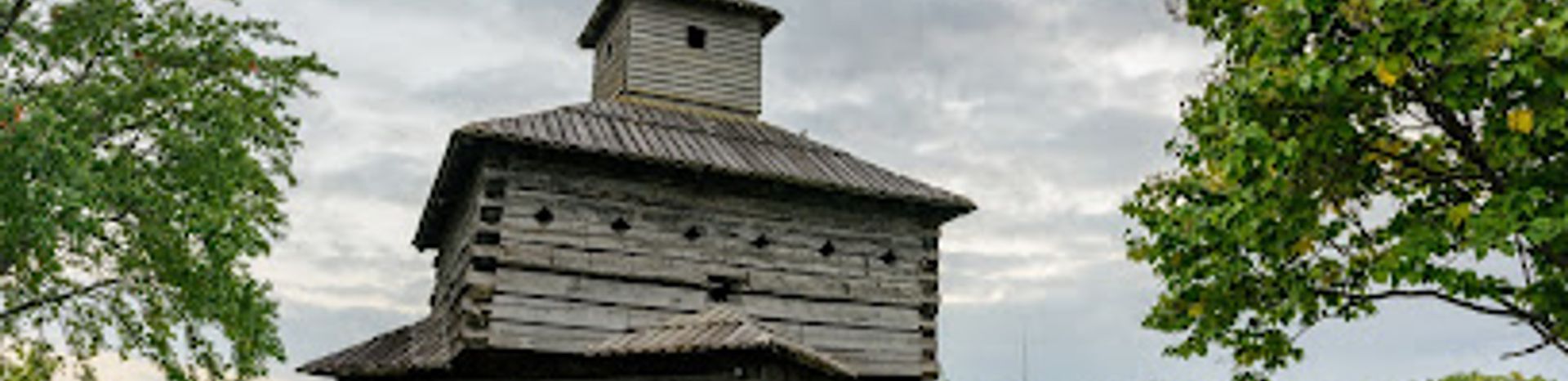
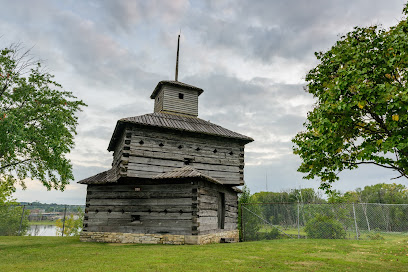
Nestled on the banks of the Mississippi River in Rock Island, Illinois, Fort Armstrong Historic Site marks the location of a crucial 19th-century military outpost. Established in 1816, the fort played a significant role during the Black Hawk War and offered protection to American settlers and commerce. Today, visitors can explore the site, enjoy scenic river views, and reflect on the area's rich history.
A brief summary to Fort Armstrong Historic Site
- Fort Armstrong Rd, Rock Island, Illinois, 61201, US
Local tips
- Visit during the early morning or late afternoon for the best lighting for photography.
- Bring a picnic to enjoy the beautiful riverside views while learning about history.
- Check for local events or reenactments that may offer a more immersive experience.
- Wear comfortable shoes for exploring the grounds.

Getting There
-
Walking
From the intersection of 5th Avenue and 23rd Street in Rock Island, head north on 23rd Street. Turn right onto Fort Armstrong Road, and the site will be on your left. The walk is approximately 10 minutes. There are no entrance fees to access the site.
-
Public Transport
Take the Metrolink transit service to Moline. From the Moline Transit Center, catch the Route 20 bus towards Rock Island. Get off at the stop on 5th Avenue and 23rd Street. From there, it's about a 10-minute walk to Fort Armstrong. Head north on 23rd Street and then turn right on Fort Armstrong Road to reach the historic site. A single ride on QC Public Transit is around $1. Check the local bus schedule for exact times as they may vary.
-
Taxi/Rideshare
Use a taxi or rideshare service (like Uber or Lyft) from your current location in Rock Island or the surrounding area. Input 'Fort Armstrong Historic Site' or use the address 'Fort Armstrong Rd, Rock Island, IL 61201' as your destination. The cost will vary depending on your starting point, but it's a convenient way to reach the site without the hassle of parking. A short trip from downtown Rock Island will likely cost between $8 and $15. There is free parking available on-site.
Discover more about Fort Armstrong Historic Site
Iconic landmarks you can’t miss

Fort Armstrong Historic Site
0.0 km
Discover military history and scenic beauty at Fort Armstrong Historic Site on the Mississippi River in Rock Island, Illinois.
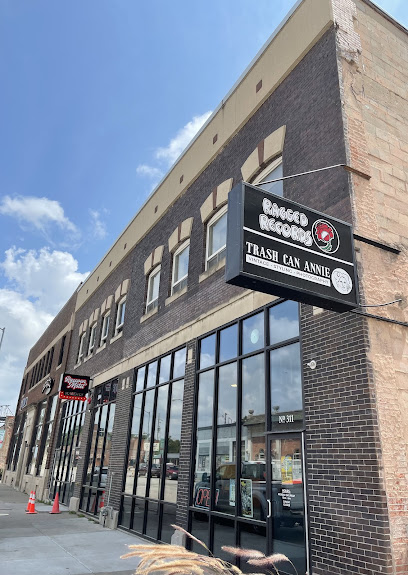
Trash Can Annie | Vintage, Styling & Photography
0.6 km
Discover unique vintage fashion and a creative photography backdrop at Trash Can Annie in Downtown Davenport, the ultimate destination for style enthusiasts.
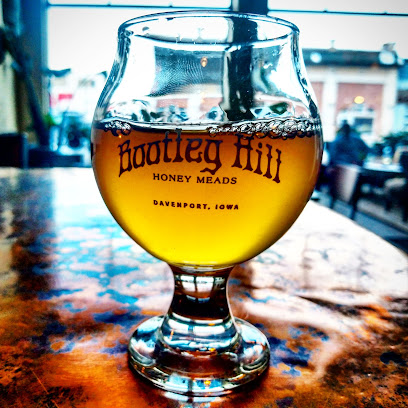
Bootleg Hill Honey Meads
0.6 km
Discover the art of mead-making at Bootleg Hill Honey Meads, where local flavors and craftsmanship create an unforgettable tasting experience in Davenport, IA.
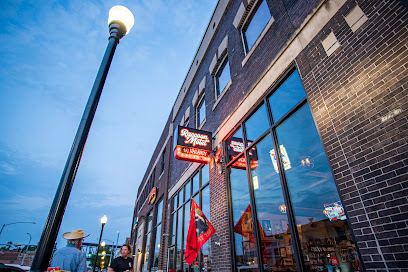
Raccoon Motel
0.7 km
Experience the vibrant nightlife of Davenport at Raccoon Motel, a top live music bar with a welcoming atmosphere and great drinks.
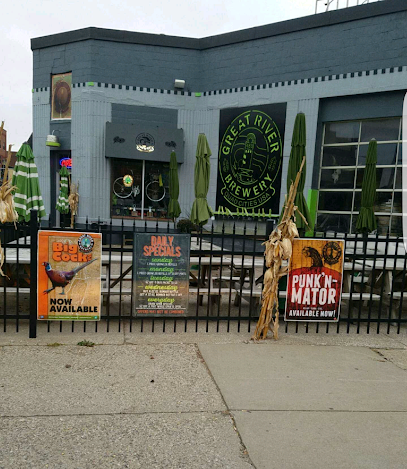
Great River Brewery
0.7 km
Discover the art of craft brewing and savor delectable dishes at Great River Brewery in the heart of Davenport, Iowa.
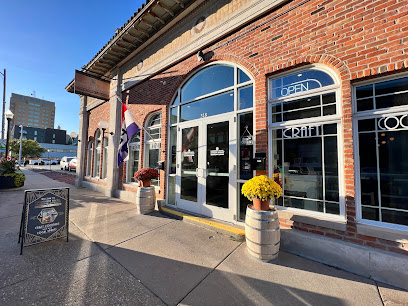
Mississippi River Distilling Company
0.7 km
Discover the heart of craft distillation at Mississippi River Distilling Company, where local ingredients meet artisanal spirits in a vibrant setting.
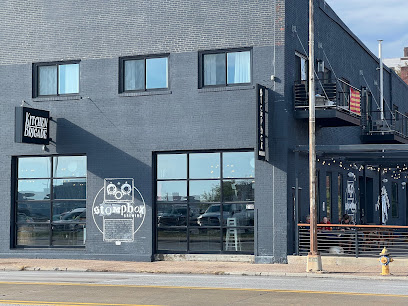
Stompbox Brewing
0.7 km
Experience the vibrant craft beer scene at Stompbox Brewing in Downtown Davenport, where every sip tells a story.
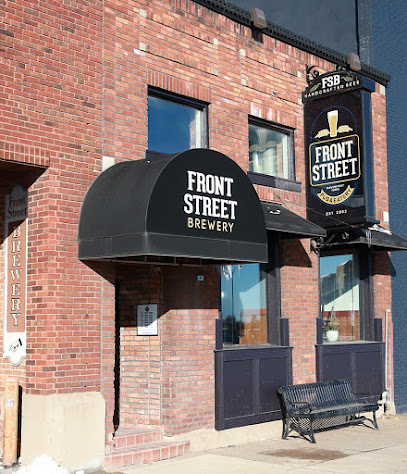
Front Street Pub & Eatery
0.7 km
Discover the vibrant flavors and inviting atmosphere of Front Street Pub & Eatery, where craft beer meets delicious local cuisine in downtown Davenport.
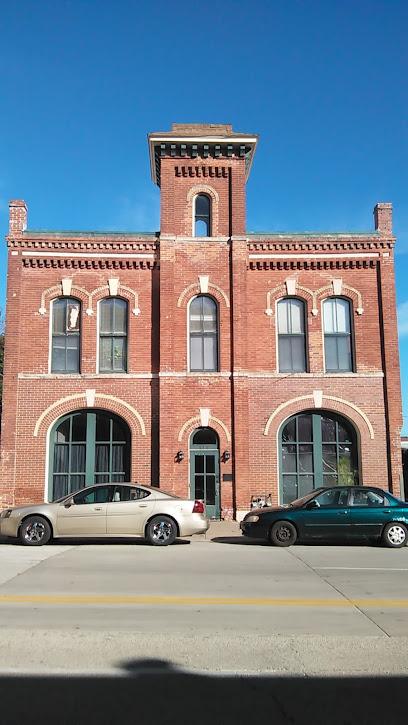
Hose Station No. 1
0.7 km
Explore Davenport's firefighting past at the historic Hose Station No. 1, an Italianate gem and a National Register landmark.
Barrel House
0.7 km
Experience the vibrant atmosphere and delicious grilled cuisine at Barrel House in Downtown Davenport, a culinary gem for all food lovers.
Armored Gardens
0.8 km
Experience the vibrant atmosphere and diverse menu at Armored Gardens, a top restaurant and bar in Downtown Davenport, Iowa.
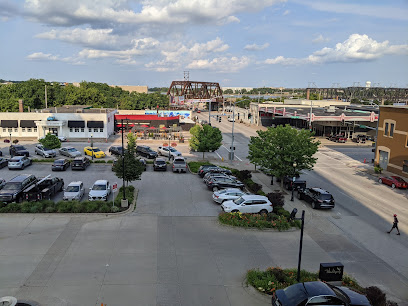
Chocolate Manor
0.8 km
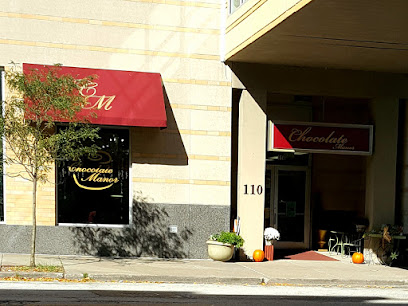
Experience the finest handcrafted chocolates at Chocolate Manor, where every bite is a journey into the world of sweet indulgence in Downtown Davenport.
Hotel Blackhawk, Autograph Collection
0.9 km
Discover the allure of Hotel Blackhawk, Autograph Collection in Davenport, Iowa, where historic charm meets modern luxury for an unforgettable stay.

Adler Theatre
0.9 km
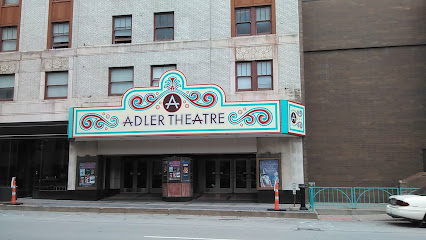
Experience the rich cultural heritage of Davenport at the historic Adler Theatre, a stunning performing arts venue in the heart of the Quad Cities.
Common Chord | Home of the Redstone Room
0.9 km
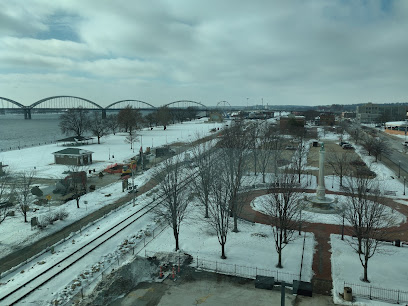
Discover the vibrant music scene at Common Chord in Davenport, Iowa, where live performances and music education come together in a unique cultural hub.
Unmissable attractions to see

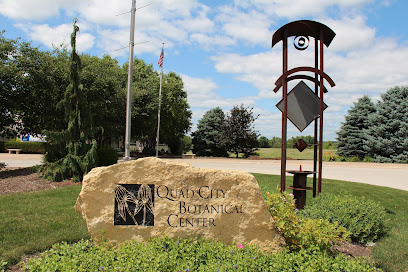
Quad City Botanical Center
0.8 km
Explore the Quad City Botanical Center: an enchanting oasis of beauty and tranquility in Rock Island, Illinois, featuring diverse plants and educational programs.
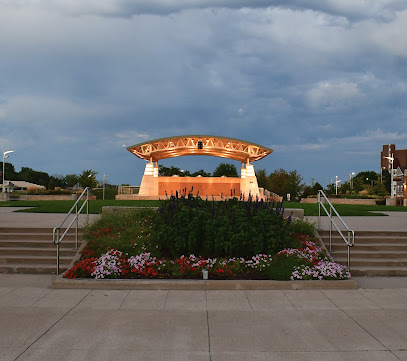
Schwiebert Riverfront Park
0.9 km
Discover the scenic beauty and recreational charm of Schwiebert Riverfront Park in Rock Island, a perfect escape for nature lovers and outdoor enthusiasts.
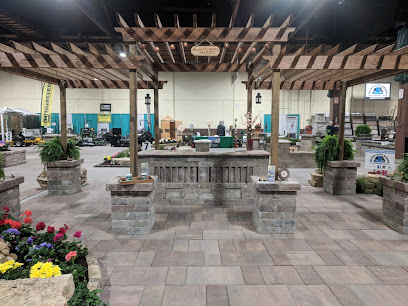
QCCA Expo Center
0.9 km
Explore the vibrant QCCA Expo Center in Rock Island, Illinois, home to exciting events, exhibitions, and local culture at its finest.
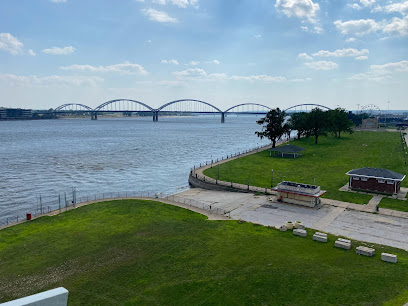
SkyBridge
0.9 km
Discover the stunning views and serene atmosphere of the SkyBridge in Davenport, Iowa, connecting you to nature and city life.
QC Haunts & History Tours
0.9 km
Dive into the haunted history of Rock Island, IL with QC Haunts & History Tours - where every corner holds a ghostly tale.
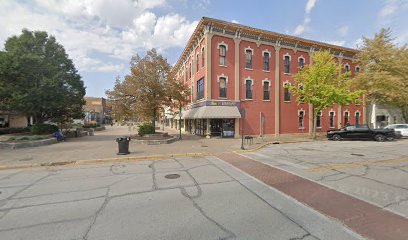
Colonel Davenport Historical House
0.9 km
Explore the Colonel Davenport Historical House, a captivating glimpse into 19th-century life on the banks of the Mississippi River.
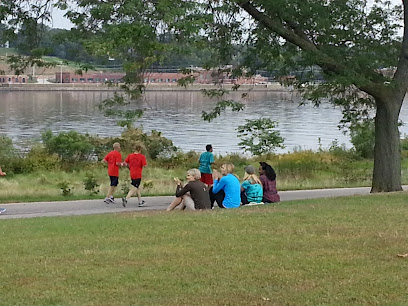
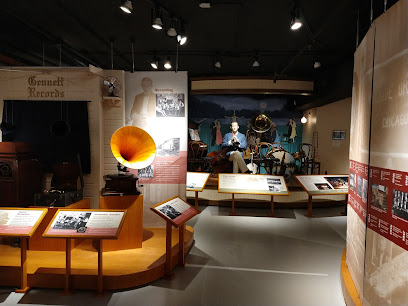
Bix Beiderbecke Museum and Archives
1.0 km
Experience the rich heritage of jazz music at the Bix Beiderbecke Museum in Davenport, where history and melody intertwine.
Figge Art Museum
1.0 km
Explore the Figge Art Museum in Davenport for a rich experience of American and European art through engaging exhibitions and stunning architecture.
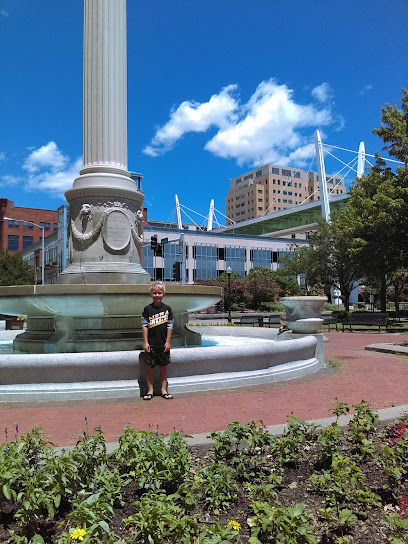
Mississippi Spoon Gallery
1.0 km
Explore the unique Mississippi Spoon Gallery in Davenport, Iowa, dedicated to the art of spoon-making and creativity, perfect for art lovers and families.
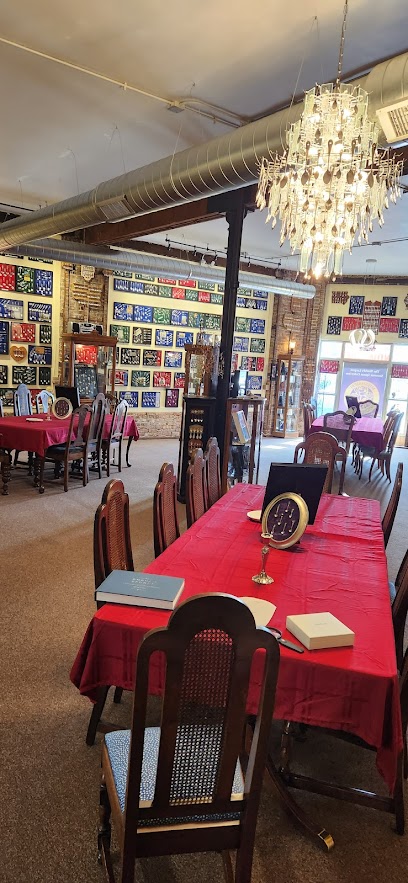
Visit Quad Cities - Union Station Destination Center
1.1 km
Explore the Quad Cities: Visit Union Station Destination Center for insights, tips, and local treasures that will enhance your travel experience.
Freight House Farmers Market
1.3 km
Explore the vibrant Freight House Farmers Market in Davenport, Iowa, for fresh produce, local crafts, and a taste of the region's culinary delights.
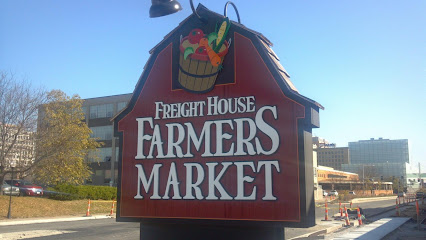
Quarters One
1.5 km
Discover the historic Quarters One in Rock Island, Illinois, where military history meets stunning architecture in a captivating museum experience.
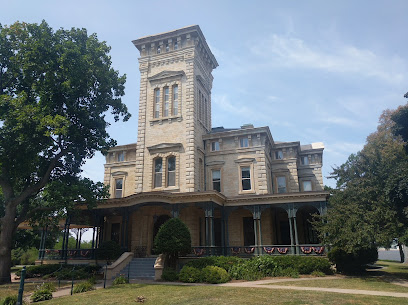
The Palmer Family Residence
1.5 km
Discover Davenport's rich history at the Palmer Family Residence, a beautifully preserved historical landmark and museum.
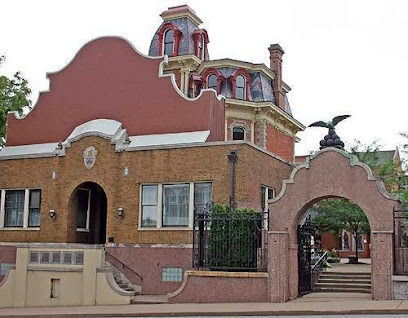
German American Heritage Center & Museum
1.6 km
Uncover the vibrant history of German immigrants in the U.S. at the German American Heritage Center & Museum in Davenport, Iowa.
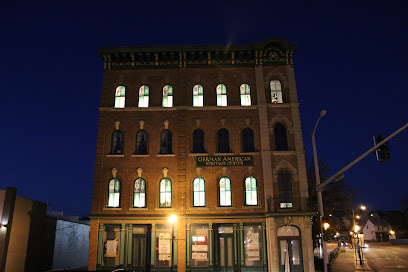
Rock Island Arsenal Museum
1.6 km
Explore the rich military history at the Rock Island Arsenal Museum, showcasing artifacts and stories from the past in a captivating setting.
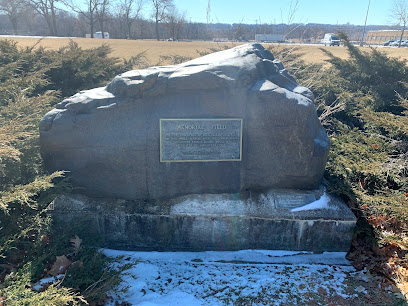
Essential places to dine

The Half Nelson
0.6 km
Discover culinary excellence at The Half Nelson in Downtown Davenport – where innovative dishes meet local flavors in a vibrant setting.
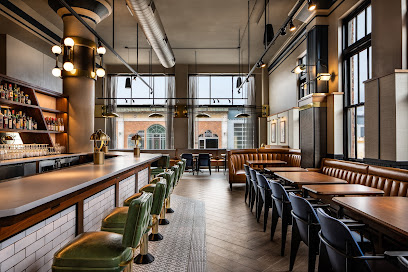
Bix Bistro
0.9 km
Discover the culinary artistry at Bix Bistro in Downtown Davenport—where exquisite flavors meet welcoming ambiance.
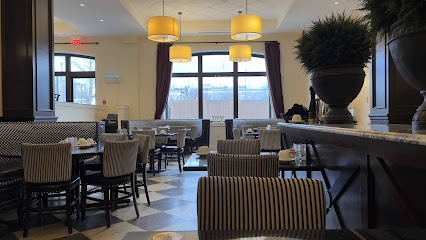
Duck City Bistro
0.9 km
Experience culinary excellence at Duck City Bistro in Downtown Davenport – where local flavors meet modern elegance.
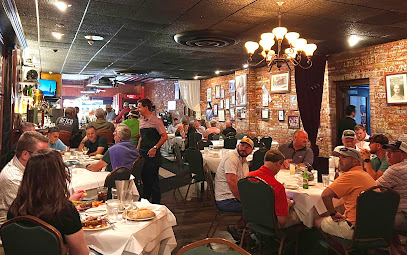
The Phoenix Restaurant & Martini Bar
0.9 km
Discover the blend of American and Mediterranean cuisine at The Phoenix Restaurant & Martini Bar in Downtown Davenport - where flavor meets elegance.
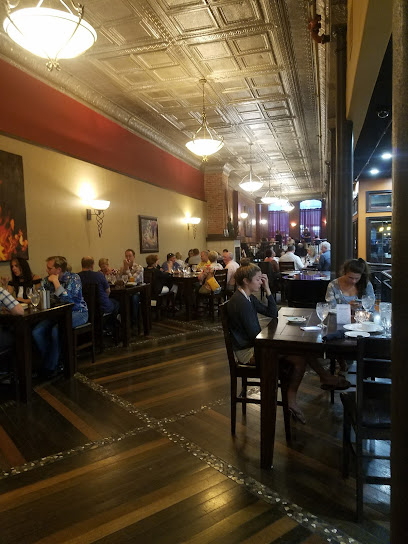
Cavort
0.9 km
Experience the vibrant flavors and lively atmosphere at Cavort, Davenport's premier restaurant and cocktail bar in downtown.
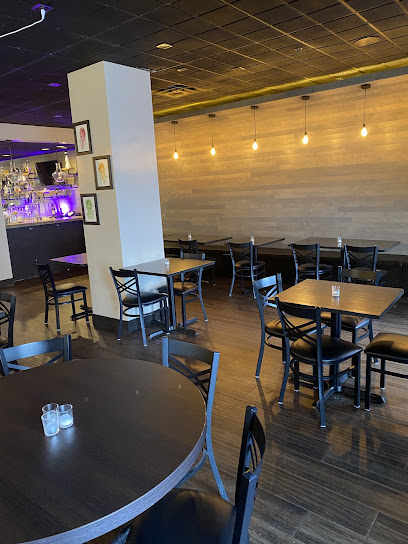
RAW
0.9 km
Explore RAW in Davenport: A Unique Raw Food Restaurant Offering Fresh Flavors & Creative Dishes for Health Enthusiasts.
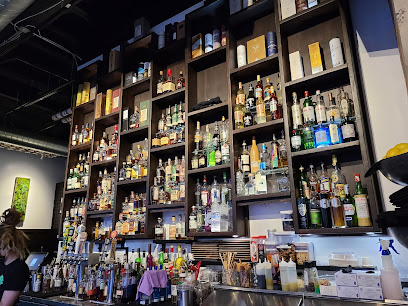
The Lemonade Stand Restaurant
0.9 km
Experience delightful comfort food in Downtown Davenport at The Lemonade Stand Restaurant - where every meal feels like home.
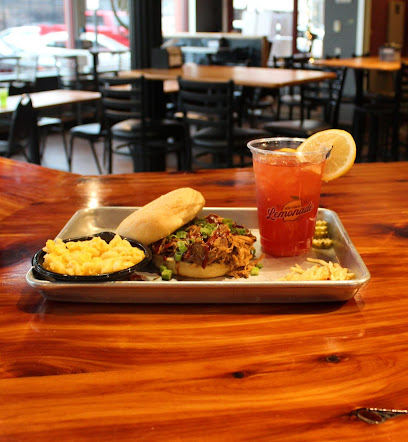
Boozie's Bar & Grill
1.0 km
Discover the vibrant flavors of Boozie's Bar & Grill in Downtown Davenport - where delicious food meets a welcoming atmosphere.
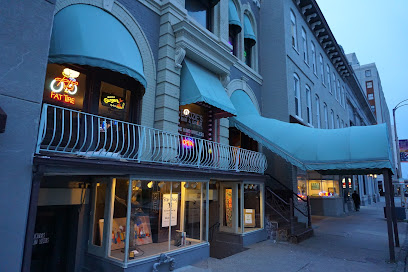
The Breakroom
1.0 km
Discover the lively atmosphere and unique flavors at The Breakroom in Downtown Davenport - a must-visit restaurant and bar.
Me & Billy
1.1 km
Discover the vibrant atmosphere and eclectic menu at Me & Billy, a top-notch restaurant and bar in Downtown Davenport.
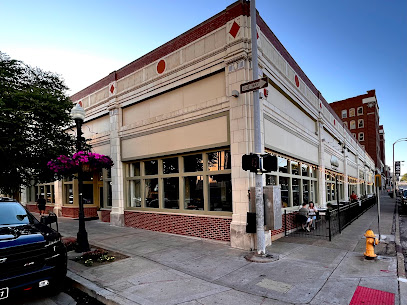
Taste of Ethiopia
1.1 km
Experience authentic Ethiopian flavors at Taste of Ethiopia in Downtown Davenport—where every meal tells a story.
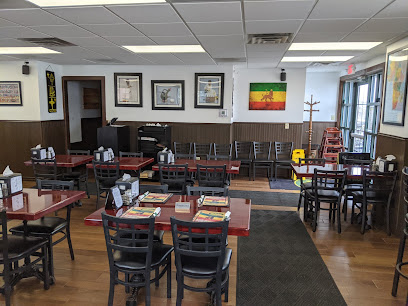
Mantra Indian Cuisine & Spirits
1.2 km
Discover authentic Indian flavors at Mantra Indian Cuisine & Spirits in Downtown Davenport - a culinary journey you won't forget.
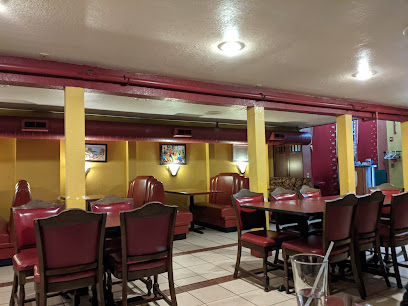
The Diner
1.2 km
Experience delightful American comfort food at The Diner in Downtown Davenport - perfect for breakfast lovers!
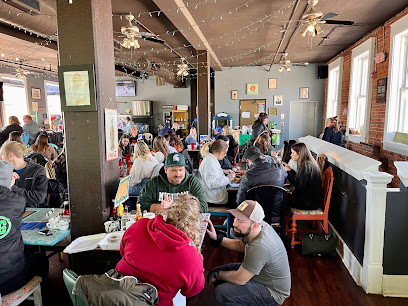
Miss Phay Cafe
1.2 km
Experience authentic Asian flavors at Miss Phay Cafe in Davenport – where culinary tradition meets modern flair.
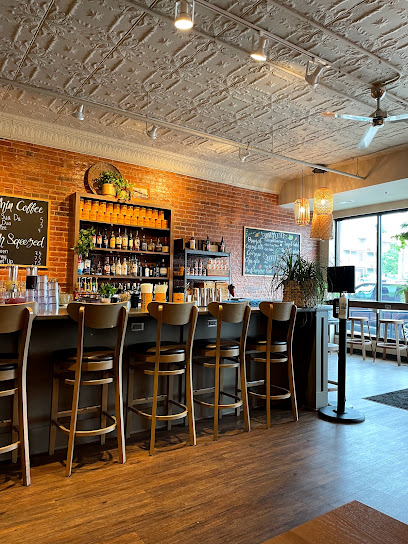
Mac's Tavern
1.2 km
Discover Mac's Tavern: A local gem in Davenport offering delicious food and drinks with a friendly atmosphere perfect for any occasion.
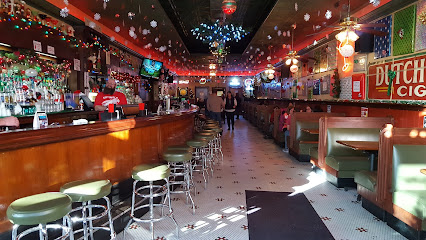
Markets, malls and hidden boutiques

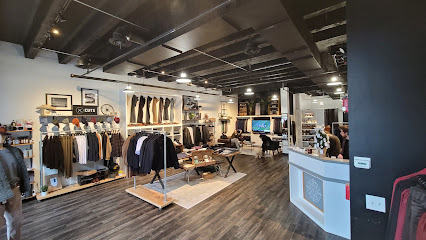
Theo & Co.
0.7 km
Explore the essence of fashion at Theo & Co. in Downtown Davenport, a boutique offering unique clothing and stylish accessories for all.
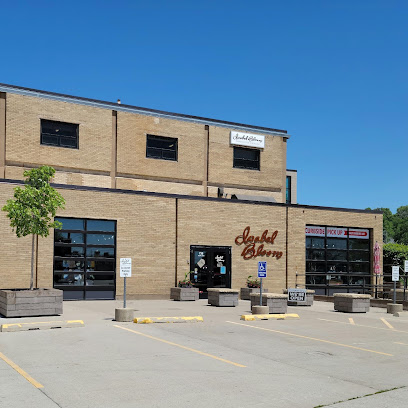
Isabel Bloom
1.0 km
Explore Isabel Bloom in Davenport, Iowa, for unique, handcrafted gifts that capture the essence of local artistry and creativity.
Felicia's Boutique
1.3 km
Explore Felicia's Boutique in Davenport for unique fashion and gifts that capture the spirit of local artistry and style.
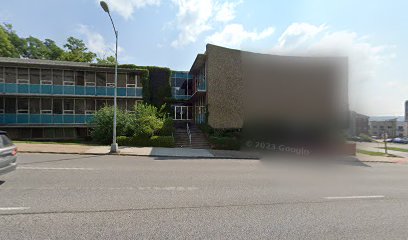
Skeleton Key Art and Antiques
1.3 km
Explore a unique blend of vintage treasures and artistic masterpieces at Skeleton Key Art and Antiques in Rock Island, IL.
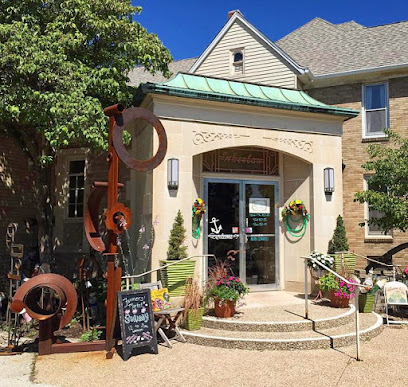
Abernathy's
1.4 km
Explore Abernathy's, the ultimate vintage clothing store in Downtown Davenport, where fashion meets nostalgia and local art thrives.
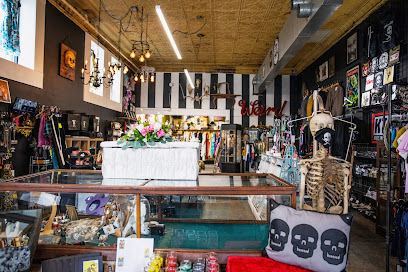
Bliss Boutique
2.1 km
Experience unique fashion finds at Bliss Boutique in Davenport, Iowa, where style meets personal service for every shopper.
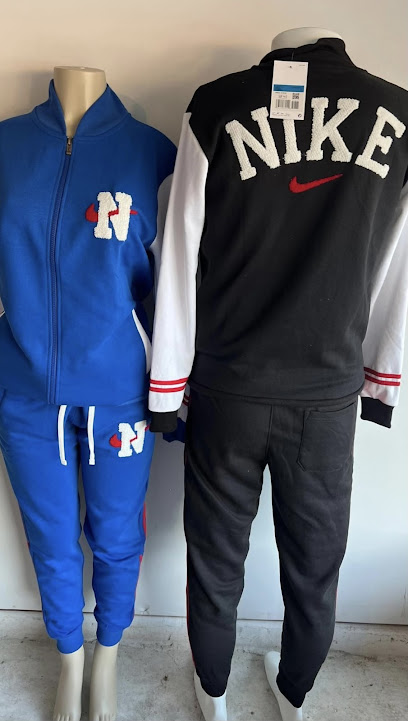
D's Boutique
2.1 km
Discover unique fashion at D's Boutique in Davenport, Iowa - your go-to destination for stylish men's, women's, and children's clothing.
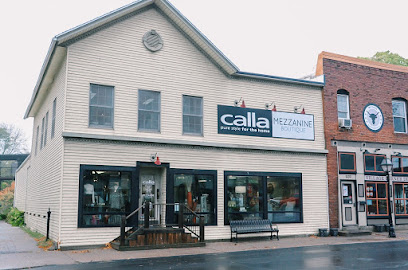
Mezzanine Boutique
2.2 km
Explore unique women's fashion at Mezzanine Boutique in East Davenport, where style meets elegance in a cozy shopping atmosphere.
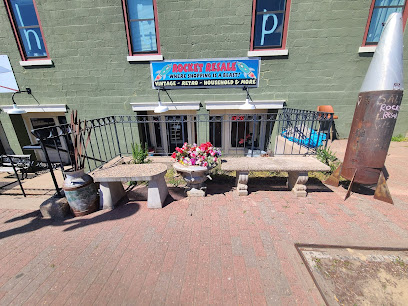
Rocket Resale
2.3 km
Explore Rocket Resale in Davenport, Iowa, for vintage finds and unique treasures that reflect charm, sustainability, and local flavor.
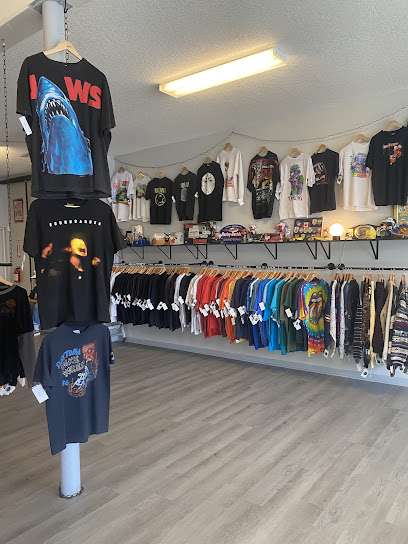
563 Vintage
2.3 km
Discover unique vintage clothing and accessories at 563 Vintage in Davenport, Iowa, where fashion meets sustainability and individual style.
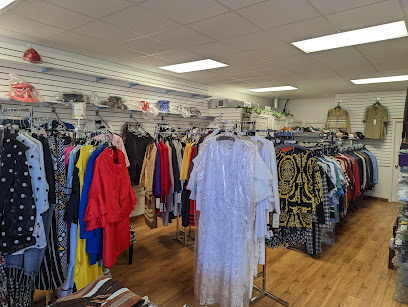
Couture Collection and Co.
2.3 km
Discover the exquisite fashion and unique accessories at Couture Collection and Co., Davenport's premier boutique for stylish shoppers.
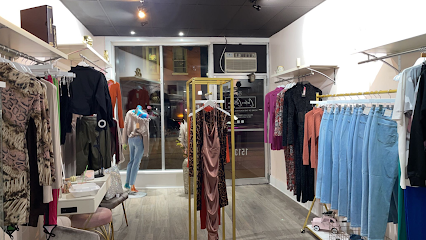
Wind Dancer Boutique
2.3 km
Discover unique clothing and accessories at Wind Dancer Boutique in East Davenport, where local craftsmanship meets stylish elegance.
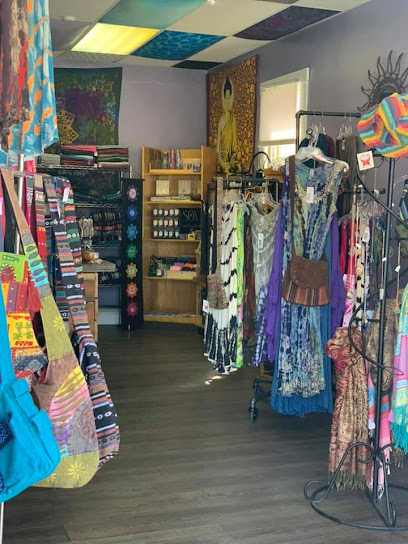
Mint Green Boutique
2.4 km
Explore Mint Green Boutique, Davenport's ultimate destination for unique clothing and accessories in a charming local setting.
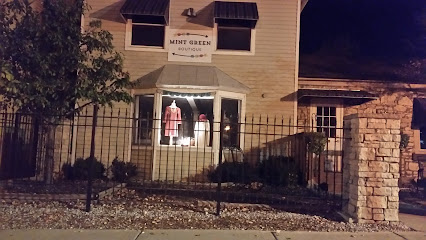
Antiques on Brady
3.4 km
Explore Davenport's Antiques on Brady for a unique shopping experience filled with history and vintage treasures in Iowa.
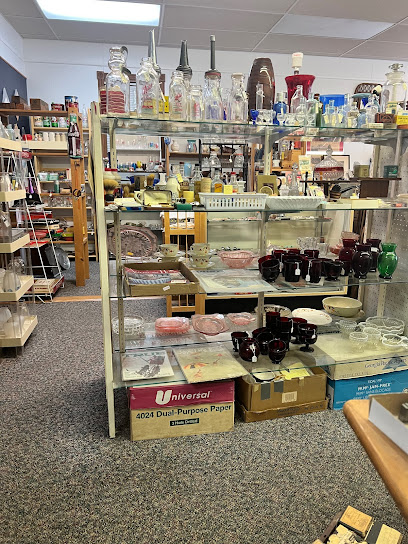
Wizard of Od'z Curiosity Shoppe
3.4 km
Explore the whimsical charm of Wizard of Od'z Curiosity Shoppe in Davenport, Iowa – a hidden gem for unique finds and delightful treasures.
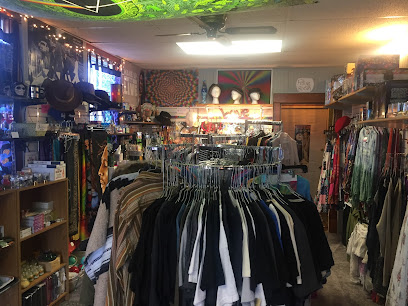
Essential bars & hidden hideouts

M Lounge
0.9 km
Discover the lively atmosphere and diverse drink menu at M Lounge, a top bar in Downtown Davenport, perfect for unwinding and socializing.
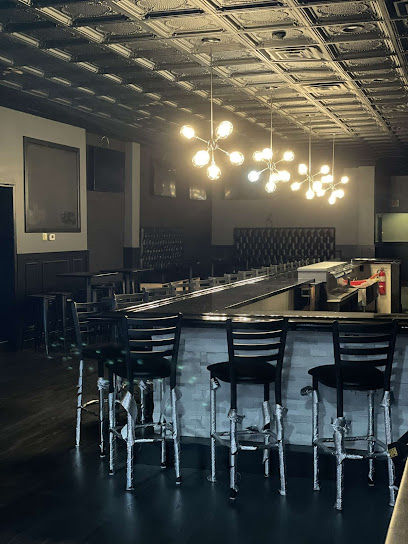
Cru Bottle Shoppe
0.9 km
Explore an extensive selection of wines at Cru Bottle Shoppe, Davenport's inviting wine bar with a cozy atmosphere and expert recommendations.
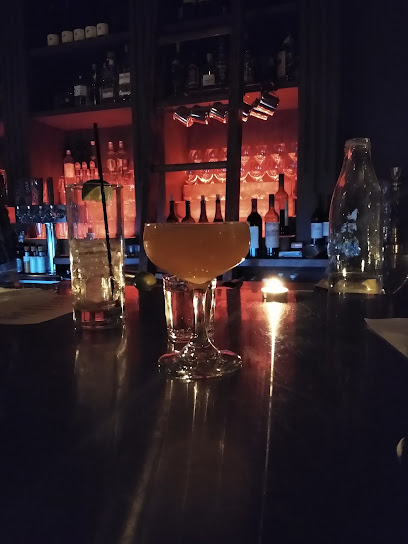
UP Skybar & Lounge
1.0 km
Discover the heights of nightlife in Davenport at UP Skybar & Lounge, featuring exquisite cocktails and breathtaking views over the Mississippi.
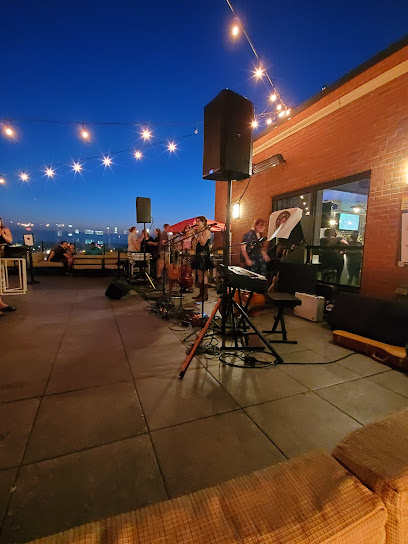
The Office Cocktail Bar & Lounge
1.0 km
Discover the vibrant nightlife at The Office Cocktail Bar & Lounge in Downtown Davenport, where expertly crafted cocktails meet a welcoming atmosphere.
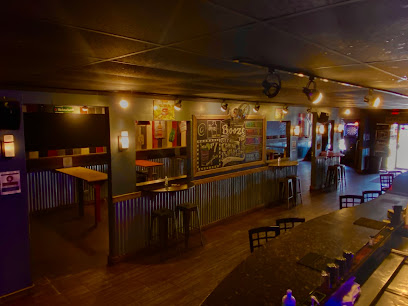
The Spot Bar and Lounge
1.1 km
Discover the charm of The Spot Bar and Lounge in Downtown Davenport for a delightful evening of drinks and good company.
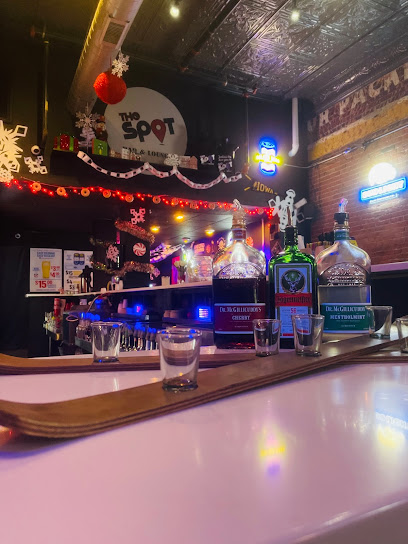
Kilkenny's Pub
1.2 km
Discover the vibrant atmosphere and delicious grill favorites at Kilkenny's Pub in Downtown Davenport, Iowa, perfect for food lovers and nightlife enthusiasts.
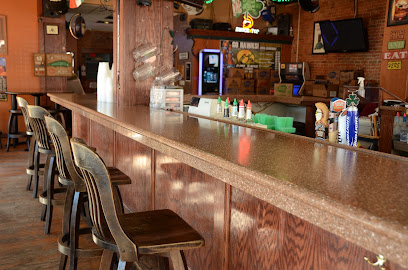
The 11th Street Precinct Bar & Grill
2.3 km
Experience the best of Davenport with delicious food, refreshing drinks, and live music at The 11th Street Precinct Bar & Grill.
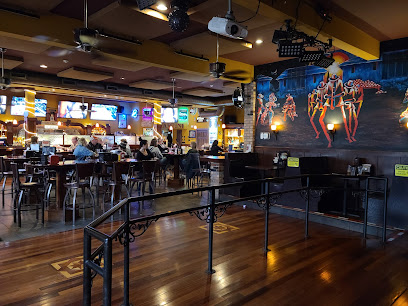
Geezer's Draft House
3.0 km
Discover the lively spirit of Davenport at Geezer's Draft House, where craft beers and a welcoming atmosphere await every visitor.
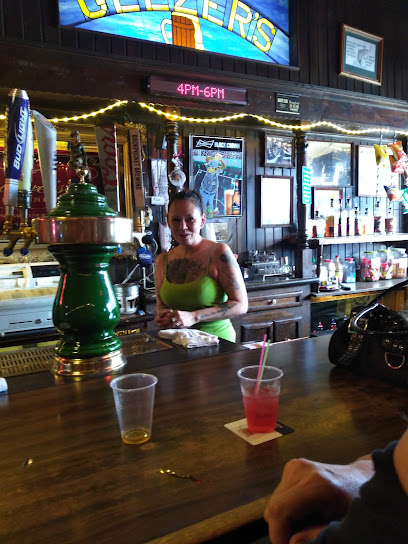
Circle Tap
3.3 km
Experience the vibrant local nightlife at Circle Tap, Davenport's favorite bar offering great drinks and a welcoming atmosphere.
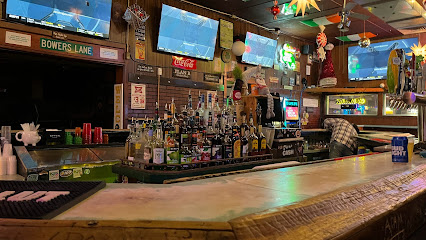
Stoeger's Bar
3.3 km
Experience the lively atmosphere and affordable drinks at Stoeger's Bar, a local favorite in Davenport, Iowa's nightlife scene.
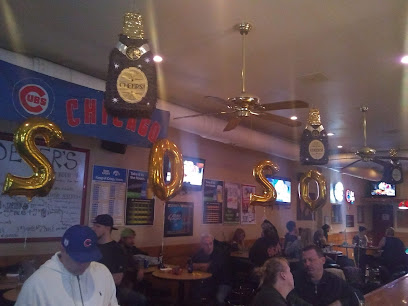
The Pour House
3.5 km
Experience the lively atmosphere of The Pour House, a cocktail bar and dive club in Davenport, perfect for drinks, games, and good times.
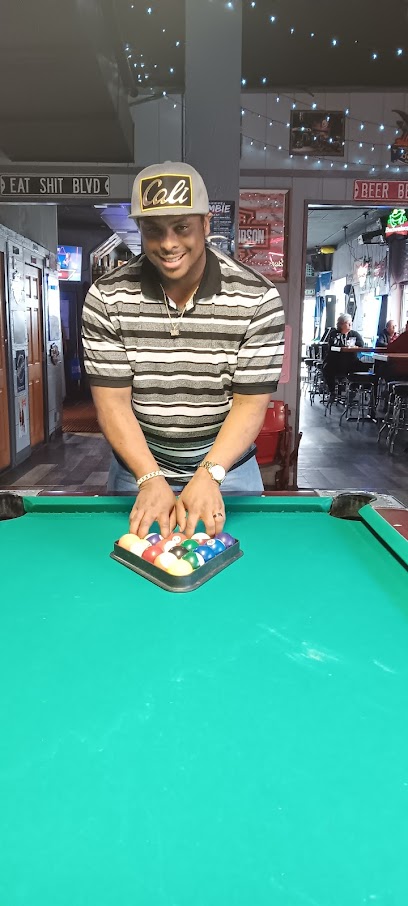
Bley's Tap
3.7 km
Experience the lively atmosphere at Bley's Tap, Davenport's premier bar for craft beers, signature cocktails, and delicious food.
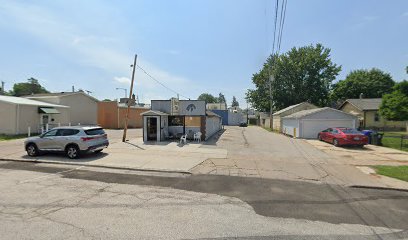
Phil & Larry's Saloon
6.0 km
Experience the vibrant nightlife at Phil & Larry's Saloon, Davenport's favorite bar for great drinks and lively atmosphere.
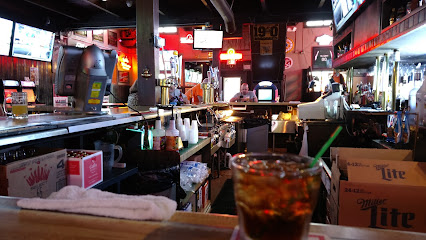
Public House
6.8 km
Experience the lively ambiance of Public House, a premier bar in Davenport, Iowa, perfect for drinks, live music, and unforgettable nights with friends.
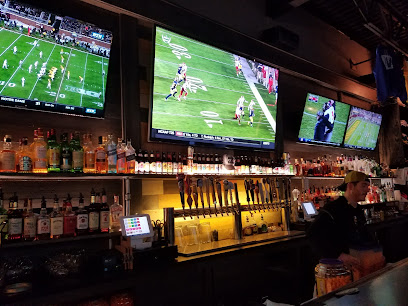
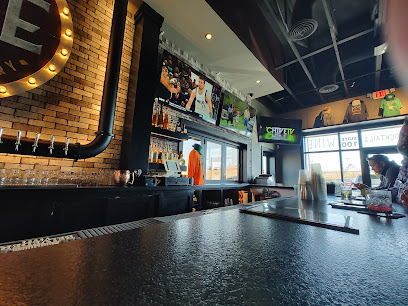
The Ridge Social Drinkery
7.2 km
Discover the vibrant atmosphere of The Ridge Social Drinkery, where cocktails, sports, and delicious bites create the perfect outing in Davenport, IA.
Nightclubs & after hour spots

Newman's Nightclub & Lounge
1.7 km
Discover the nightlife at Newman's Nightclub & Lounge in Davenport, where great music, vibrant atmosphere, and delicious drinks create unforgettable memories.
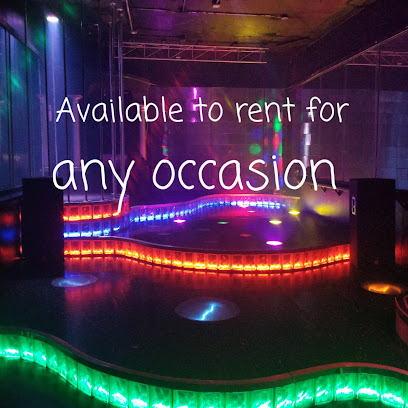
Mary's on 2nd
1.8 km
Experience the vibrant nightlife at Mary's on 2nd, a welcoming gay bar in downtown Davenport with affordable drinks and lively entertainment.
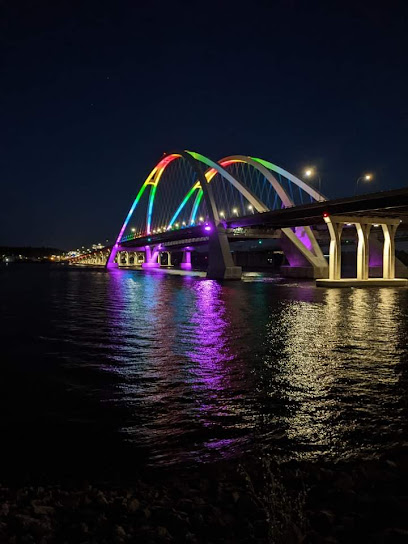
The Ranch
2.2 km
Experience the rustic charm and vibrant nightlife of Davenport at The Ranch, where craft drinks and live music await.
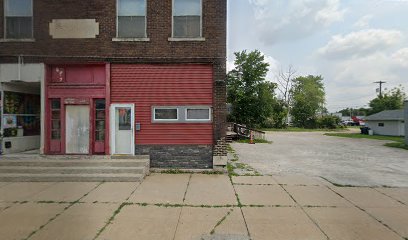
Stadium Club
3.7 km
Discover the lively atmosphere at Stadium Club, Davenport's go-to bar for affordable drinks and a fun night out with friends.
The Gallery Lounge
4.8 km
Experience the vibrant nightlife at The Gallery Lounge in Davenport, where great drinks and live music create unforgettable memories.
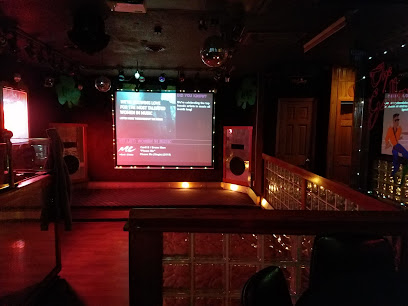
The Pony - Davenport Strip Club
6.2 km
Experience the vibrant nightlife at The Pony - Davenport, where entertainment meets excitement in an unforgettable adult club atmosphere.
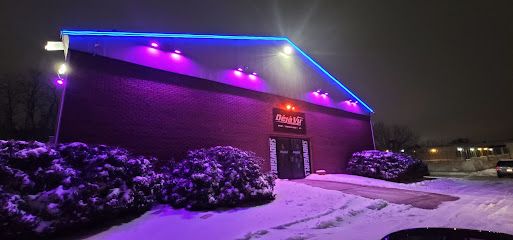
Rhythm Room
9.2 km
Discover the vibrant nightlife at Rhythm Room in Davenport, where live music and casino excitement come together for an unforgettable experience.
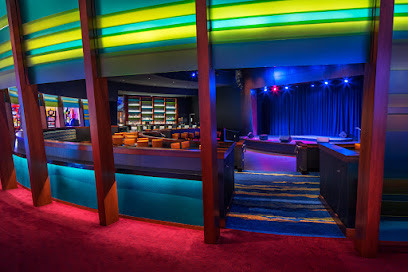
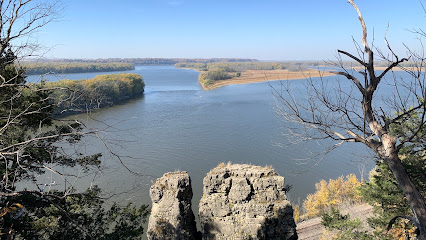
Mississippi Palisades - National Natural Landmark
75.9 km
Discover the breathtaking beauty and rich history of Mississippi Palisades, a National Natural Landmark in Savanna, Illinois, perfect for nature and history lovers.
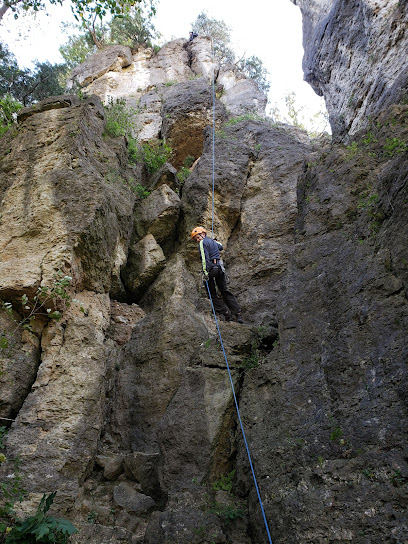
Mississippi Palisades State Park
77.7 km
Discover outdoor adventures and breathtaking views at Mississippi Palisades State Park, a natural treasure along the Mississippi River.
La Rumba Night Club
79.8 km
Experience the vibrant nightlife of Iowa City at La Rumba Night Club, where Latin beats and dance unite for a memorable evening.
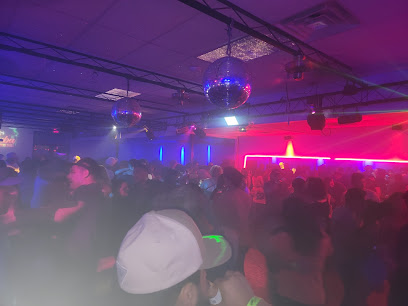
The Box
81.7 km
Experience the vibrant nightlife at The Box, Iowa City's premier nightclub, offering cocktails, dancing, and unforgettable entertainment.
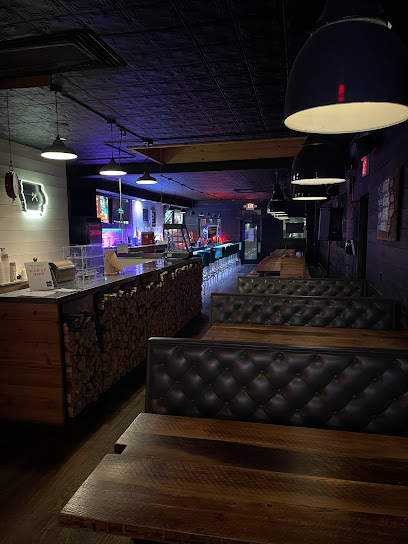
Club Car
82.0 km
Club Car: A lively sports bar in Iowa City, perfect for enjoying drinks, food, and the best of local sports culture.
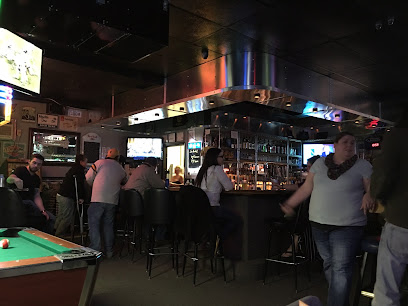
Studio 13
82.0 km
Experience Iowa City's nightlife at Studio 13, the premier gay bar and night club offering vibrant atmospheres and unforgettable entertainment.
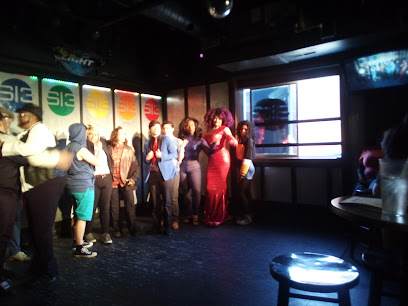
EDEN Lounge Nightclub
82.0 km
Discover the energetic ambiance of EDEN Lounge Nightclub in Iowa City, where music and dance create unforgettable nightlife experiences.
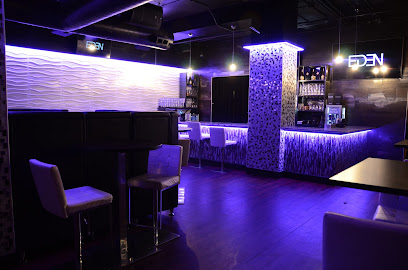
Elray's Live & Dive
82.0 km
Discover the heart of Iowa City's nightlife at Elray's Live & Dive, where vibrant music and an electric atmosphere await you.