

Free Northern Illinois Travel Guide & Mobile App
Explore Northern Illinois with free travel guides. Discover regional history, expert tips, proposed trips, and audio guides on web or mobile app.


Explore Northern Illinois for Chicago architecture and culture, Lake Michigan shores, river towns, prairie preserves and scenic state parks.
Read more about Northern Illinois
Getting to and around Northern Illinois
How to get there
Transportation
Top city travel guides in Northern Illinois
The cities of Northern Illinois, and the easiest places to base yourself.
-

-

-

-

-

-


Swipe for more cities
Destinations in Northern Illinois
Resorts, valleys and scenic spots worth a trip of their own.
-

-

-
-

-

-


Swipe for more destinations
Best attractions in Northern Illinois
Northern Illinois offers an unusually broad mix of metropolitan culture and accessible outdoor recreation. Chicago’s major attractions include the Art Institute of Chicago, the Museum of Science and Industry, the Field Museum, the Shedd Aquarium, the Museum of Contemporary Art and the lakefront park system, while neighbourhood theatres, galleries and music venues reveal a more local cultural life. Architecture tours and river cruises explain how the city’s commercial core developed. Outside Chicago, Frank Lloyd Wright’s Home and Studio in Oak Park, the Anderson Japanese Gardens in Rockford and the historic centre of Galena provide distinct cultural experiences. Starved Rock and Matthiessen state parks are the region’s best-known canyon landscapes, with trails, waterfalls and woodland scenery. Illinois Beach State Park offers a different natural setting along Lake Michigan, while extensive forest preserves protect prairies, wetlands and oak woodland around the metropolitan area. Fox River towns, arboretums, historic farms and family attractions add variety, although rural sites are dispersed and often easiest to reach by car.
-
State park
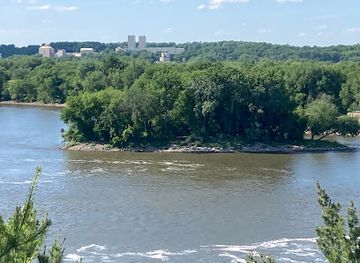
Starved Rock State Park
Explore the breathtaking landscapes and natural wonders of Starved Rock State Park, a top Illinois tourist destination for outdoor adventures.
-
State park
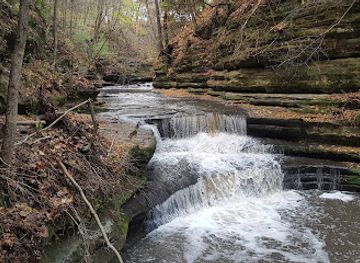
Matthiessen State Park
Explore Matthiessen State Park: A beautiful state park in Illinois with canyons, waterfalls, and diverse hiking trails for nature lovers.
-
Hiking area
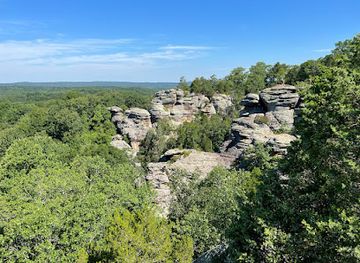
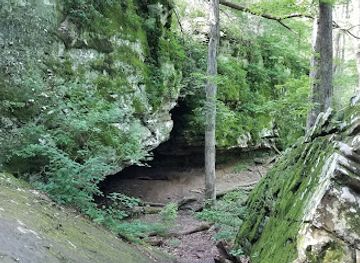
Garden of the Gods
Discover the awe-inspiring landscapes and adventurous trails of the Garden of the Gods in Illinois, a perfect destination for nature lovers.
-
State park
Giant City State Park
Explore Giant City State Park: Illinois' gem for hiking, picnicking, and breathtaking natural landscapes.
Best landmarks in Northern Illinois
Chicago’s skyline is Northern Illinois’ most recognisable landmark landscape, shaped by the Willis Tower, the Wrigley Building, Tribune Tower, Marina City and the buildings of the Loop. The Chicago River and its bridges express the city’s historic relationship with transport and commerce, while the lakefront parks create an open edge beside the dense urban centre. In Oak Park, Frank Lloyd Wright’s Home and Studio and nearby Prairie School houses represent a major architectural chapter in the region’s history. The Pullman National Historical Park preserves an important planned industrial community on Chicago’s South Side. Outside the city, the Galena Historic District is notable for its nineteenth-century brick commercial buildings and hillside streets, and the limestone canyons of Starved Rock provide a natural counterpart to the urban skyline. The Illinois and Fox river valleys also preserve historic mill towns, bridges and industrial structures that show how waterways and railways shaped settlement.
-
Historical landmark
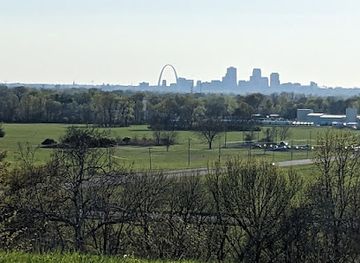
Cahokia Mounds State Historic Site
Explore the monumental Cahokia Mounds, a UNESCO site preserving North America's largest pre-Columbian city and ancient Mississippian culture.
-
Historical place
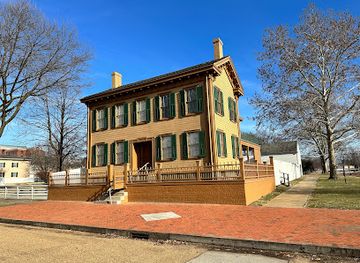
Lincoln Home National Historic Site
Walk in Lincoln's footsteps: Explore his Springfield home and neighborhood, preserved as a National Historic Site.
-
Tourist attraction
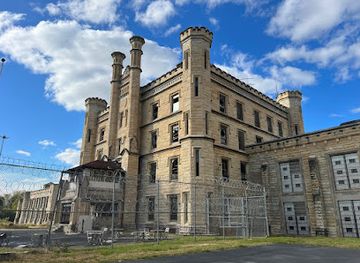
Old Joliet Prison
Explore the imposing architecture and dark history of the Old Joliet Prison, a landmark that once housed infamous criminals and served as a Hollywood backdrop.
-
Historical place
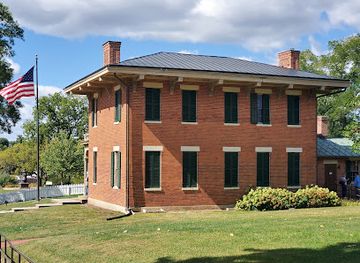
U.S. Grant Home State Historic Site
Step back in time at Ulysses S. Grant's home in Galena, Illinois, and discover the life of a Civil War hero and U.S. President.
Explore Northern Illinois on the map
Plan your trip on one map. See where the top cities, national parks and sights are, and book hotels and experiences in a few clicks.
Best hotels in Northern Illinois
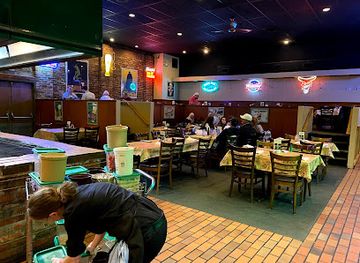
Best restaurants in Northern Illinois
Dining in Northern Illinois ranges from Chicago’s internationally recognised restaurant scene to casual food in suburban downtowns, river towns and rural communities. Chicago specialities include deep-dish and tavern-style pizza, Italian beef, Chicago-style hot dogs and a broad tradition of neighbourhood bakeries, delis and family restaurants. These foods sit alongside Mexican, Polish, Italian, South Asian, Chinese, Middle Eastern and contemporary American cooking shaped by the region’s migration history. Farmers’ markets and farm shops become more prominent outside the city, particularly in agricultural districts and smaller communities, while Galena and the Fox River Valley offer cafés, tasting rooms and restaurants serving visitors to the historic towns. Craft breweries are widespread, and northern Illinois producers contribute seasonal beers, cider and locally made spirits. Menus vary considerably by district, so visitors should look beyond iconic Chicago dishes to explore produce, baking, barbecue and modern Midwestern cooking.
-
Steak
Texas Roadhouse
Experience mouthwatering steaks and a lively atmosphere at Texas Roadhouse in East Peoria - perfect for families and friends alike!
-
Latin American
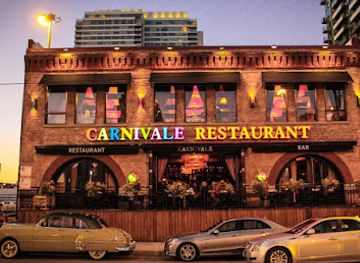
Carnivale
Experience the vibrant fusion of Latin American cuisine at Carnivale in Chicago's West Loop - where every meal is a colorful celebration.
-
American
Busy Corner
Experience the heart of American dining at Busy Corner - where every meal is made with love and local flavor.
-
Steak
Alexander's Steakhouse Peoria
Discover culinary excellence at Alexander's Steakhouse in Peoria - where every bite promises an unforgettable experience.


Best bars in Northern Illinois
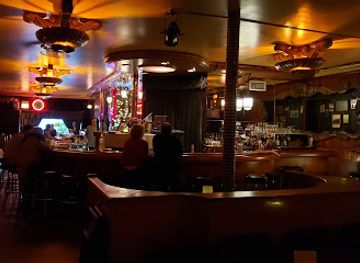
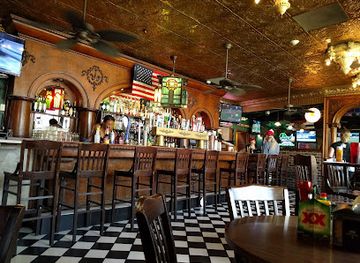
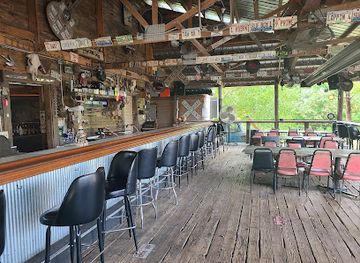
Chicago is Northern Illinois’ principal centre for evening life, with cocktail bars, traditional taverns, breweries, jazz and blues venues, live music rooms, comedy clubs and theatres spread across the city rather than concentrated in one single district. River North, Wicker Park, Logan Square, Lake View, Andersonville and Pilsen each have different atmospheres, while Bronzeville and other neighbourhoods have important music and cultural histories. Evanston and Oak Park offer a smaller mix of pubs, restaurants and performance venues. In Rockford, Aurora, Naperville, Elgin and other larger towns, evenings generally centre on breweries, bars, restaurants, cinemas and live entertainment rather than a large nightclub scene. Galena’s historic core is suited to pubs, wine bars and relaxed dining. Rural Northern Illinois becomes quiet earlier, and designated drivers or taxi and ride-hailing arrangements are sensible when visiting dispersed venues.
-
Cocktail bar
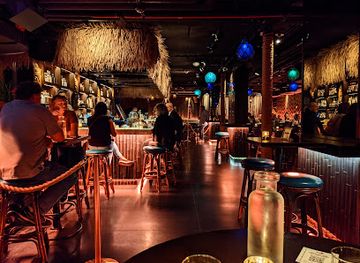
Three Dots and a Dash
Experience a tropical escape at Three Dots and a Dash, Chicago's premier cocktail bar with exquisite drinks and vibrant ambiance.
-
Cocktail bar
The Green Mill
Discover the vibrant soul of Chicago at The Green Mill, a historic cocktail bar and jazz lounge steeped in rich musical heritage.
-
Grill
Fatty's Pub & Grille
Discover delicious grilled food and a lively sports bar atmosphere at Fatty's Pub & Grille in DeKalb, Illinois.
-
Grill
Psycho Silo Saloon
Discover the vibrant atmosphere and delicious grill offerings at Psycho Silo Saloon, a unique dining experience in Sheffield, Illinois.
Best nightclubs in Northern Illinois
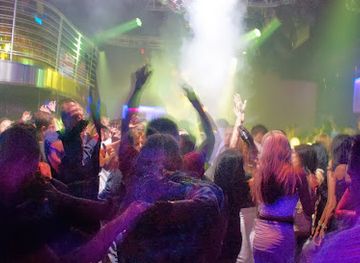
Chicago is Northern Illinois’ principal centre for evening life, with cocktail bars, traditional taverns, breweries, jazz and blues venues, live music rooms, comedy clubs and theatres spread across the city rather than concentrated in one single district. River North, Wicker Park, Logan Square, Lake View, Andersonville and Pilsen each have different atmospheres, while Bronzeville and other neighbourhoods have important music and cultural histories. Evanston and Oak Park offer a smaller mix of pubs, restaurants and performance venues. In Rockford, Aurora, Naperville, Elgin and other larger towns, evenings generally centre on breweries, bars, restaurants, cinemas and live entertainment rather than a large nightclub scene. Galena’s historic core is suited to pubs, wine bars and relaxed dining. Rural Northern Illinois becomes quiet earlier, and designated drivers or taxi and ride-hailing arrangements are sensible when visiting dispersed venues.
-
Night club
Stereo Nightclub
Experience Chicago's electrifying nightlife at Stereo Nightclub, where live music and vibrant energy create unforgettable nights out.
-
Night club
Seven Nightclub Chicago
Discover the pulse of Chicago's nightlife at Seven Nightclub, where vibrant music and an electric atmosphere await every weekend.
-
Night club
The Luxur
Experience the vibrant nightlife at The Luxur, Cicero's premier night club, where great music and unforgettable moments await.
-
Night club
Oz Nightclub
Discover the vibrant nightlife of Sauget at Oz Nightclub, where great music and unforgettable experiences await you.


Best shops in Northern Illinois
Shopping in Northern Illinois ranges from major Chicago retail streets and department stores to independent neighbourhood businesses, suburban centres and small-town antiques. The Magnificent Mile remains the region’s best-known concentration of large shops and luxury brands, while Oak Street, State Street and neighbourhood districts provide different mixes of fashion, books, design, food and specialist retail. Chicago’s markets and food halls are useful for regional products, though their tenants and arrangements can change. Outside the city, Naperville, Oak Park, Evanston, Geneva, St Charles, Rockford and Galena have walkable commercial areas with independent shops, galleries, cafés, antiques and locally made goods. Galena is particularly associated with historic-storefront shopping, while rural farm shops and seasonal markets offer produce, preserves, baked goods, wine and cider. Prudent souvenirs include Chicago architectural books, locally produced food, craft beer, independent artwork and items from regional makers rather than generic branded merchandise.
-
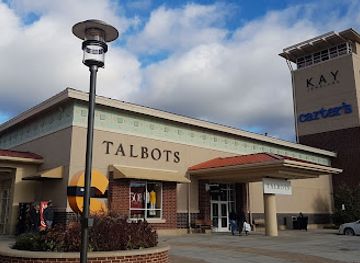
Outlet mall
Chicago Premium Outlets
Discover incredible deals and a delightful shopping experience at Chicago Premium Outlets, where fashion meets affordability in a vibrant setting.
-
Outlet mall
Tuscola Outlet Shops
Discover amazing deals on top brands at Tuscola Outlet Shops, the ultimate shopping destination in Illinois for bargain hunters and fashion lovers.
-
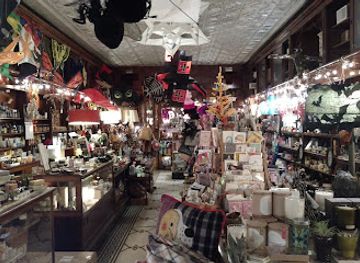
 Gift shop
Wolfbait & B-girls
Explore the artistic heart of Chicago at Wolfbait & B-girls, a boutique gift shop showcasing local handmade treasures and unique creations.
-
Gift shop
RR #1 Chicago
Explore RR #1 Chicago, a treasure trove of unique, quirky gifts in the vibrant East Village, perfect for capturing the spirit of the Windy City.

Get your free copy of our complete guide to Northern Illinois, delivered straight to you.
Everything on this page, from attractions and restaurants to essentials and local phrases, in one PDF you can read offline, print or share.
Already have an account? Sign in
Your Northern Illinois guide is ready.
We'll send it to · Not you? Sign out

Getting your guide ready…
We are putting together a fresh copy of the Northern Illinois guide. This can take up to a minute.
This can take a few moments. If your browser asks, choose Allow so the download can start. You'll find the guide in your Downloads folder.
Nothing happened? Download it again
Sorry, the guide is taking longer than usual. Please try again in a minute, or get it by email instead.
Northern Illinois essentials
Currency and Payment
Safety
Emergency Situations
Do's and Don'ts
Local Tips
From Eve
Local phrases worth knowing
You don't need to get them perfect. A few words go a long way, and locals appreciate the effort.
Basics
| English | Local | Say it |
|---|---|---|
| Hello | Hey | [Hey] |
| Goodbye | See ya | [See ya] |
| Yes | Yeah | [Yeah] |
| No | Nah | [Nah] |
| Please/You're welcome | No problem | [No problem] |
| Thank you | Thanks | [Thanks] |
| Excuse me/Sorry | Sorry | [Sorry] |
| How are you? | How's it going? | [How's it going?] |
| Fine. And you? | Good. And you? | [Good. And you?] |
| Do you speak English? | Can you speak English? | [Can you speak English?] |
| I don't understand | I don't get it | [I don't get it] |
Eating & Drinking
| English | Local | Say it |
|---|---|---|
| I'd like to see the menu, please | Can I see the menu? | [Can I see the menu?] |
| I don't eat meat | I'm vegetarian | [I'm vegetarian] |
| Cheers! | Cheers! | [Cheers!] |
| I would like to pay, please | Can I get the check, please? | [Can I get the check, please?] |
Emergencies
| English | Local | Say it |
|---|---|---|
| Help! | Help! | [Help!] |
| Go away! | Leave me alone! | [Leave me alone!] |
| Call the Police! | Call the cops! | [Call the cops!] |
| Call a doctor! | Get a doctor! | [Get a doctor!] |
| I'm lost | I'm turned around | [I'm turned around] |
| I'm ill | I'm not feeling well | [I'm not feeling well] |
Shopping
| English | Local | Say it |
|---|---|---|
| I'd like to buy... | I want to buy... | [I want to buy...] |
| I'm just looking | Just browsing | [Just browsing] |
| How much is it? | What’s the price? | [What’s the price?] |
| That's too expensive | That’s a bit pricey | [That’s a bit pricey] |
| Can you lower the price? | Can you give me a better price? | [Can you give me a better price?] |
Time & Numbers
| English | Local | Say it |
|---|---|---|
| What time is it? | What time is it? | [What time is it?] |
| It's one o'clock | It's one | [It's one] |
| Half past (10) | Half past ten | [Half past ten] |
| Morning | Morning | [Morning] |
| Afternoon | Afternoon | [Afternoon] |
| Evening | Evening | [Evening] |
| Yesterday | Yesterday | [Yesterday] |
| Today | Today | [Today] |
| Tomorrow | Tomorrow | [Tomorrow] |
| 1 | One | [One] |
| 2 | Two | [Two] |
| 3 | Three | [Three] |
| 4 | Four | [Four] |
| 5 | Five | [Five] |
| 6 | Six | [Six] |
| 7 | Seven | [Seven] |
| 8 | Eight | [Eight] |
| 9 | Nine | [Nine] |
| 10 | Ten | [Ten] |
Transport & Directions
| English | Local | Say it |
|---|---|---|
| Where's a/the...? | Where's the...? | [Where's the...?] |
| What's the address? | What’s the address? | [What’s the address?] |
| Can you show me (on the map)? | Can you show me on the map? | [Can you show me on the map?] |
| When's the next (bus)? | When's the next bus? | [When's the next bus?] |
| A ticket (to ....) | A ticket to... | [A ticket to...] |
History of Northern Illinois
Indigenous Landscapes and the Chicago Portage
Long before European settlement, the region was home to Indigenous peoples including Potawatomi, Odawa, Ojibwe and Miami communities, with the Illinois Confederation also historically connected to the wider area. The low-lying Chicago Portage, between the Great Lakes and the Des Plaines River system, created a vital route between the Great Lakes and the Mississippi watershed. Indigenous travel and trade networks made use of this geography for centuries. The portage later shaped European exploration, military strategy and commercial development, although these later narratives should not obscure the earlier Indigenous history of the land.
French Exploration and the Illinois Country
French explorers and missionaries entered the Great Lakes and Illinois region during the seventeenth century, linking it to the wider Illinois Country and the Mississippi basin. Trade in furs and other goods brought new economic relationships, while disease, warfare and colonial pressures had severe consequences for Indigenous communities. French influence remained more visible in parts of the Illinois River and Mississippi worlds than in the rapidly developing Chicago area itself. The region’s later political incorporation into the United States followed a much older history of Indigenous movement, diplomacy and settlement.
Treaties, Settlement and Statehood
During the early nineteenth century, the United States expanded settlement and military control across northern Illinois. Treaties, including the Treaty of Chicago in 1833, resulted in the forced removal of many Potawatomi and other Indigenous people from the region. Illinois became a state in 1818, and new roads, canals and land surveys encouraged migration from the eastern United States and Europe. The growth of Chicago from a small settlement near the portage into a major transport centre transformed the economic and demographic direction of northern Illinois.
Canals, Railways and the Rise of Chicago
The Illinois and Michigan Canal, completed in the 1840s, connected Lake Michigan with the Illinois River and strengthened Chicago’s position between the Great Lakes and the Mississippi system. Railways soon made the city an even more important interchange for grain, livestock, timber and manufactured goods. Grain elevators, warehouses, stockyards and factories expanded rapidly, while towns such as Aurora, Elgin, Rockford and Joliet developed their own industrial and commercial identities. The resulting transport landscape established the foundations of modern Northern Illinois.
The Great Chicago Fire and Modern Architecture
The Great Chicago Fire of 1871 destroyed a large part of the city, but reconstruction brought new planning, engineering and architectural ambition. Chicago became a laboratory for steel-frame construction and the early skyscraper, associated with architects and engineers including William Le Baron Jenney, Louis Sullivan and Dankmar Adler. The city’s architecture later continued through Prairie School designers such as Frank Lloyd Wright, whose Home and Studio in Oak Park demonstrates the region’s importance in American architectural history. Many surviving buildings express the relationship between commerce, technology and urban reinvention.
Migration, Industry and Cultural Change
Industrial expansion drew migrants from Europe, Mexico and the American South, reshaping neighbourhoods, workplaces, churches, union movements and cultural life. The Great Migration brought large numbers of African Americans to Chicago, helping establish Bronzeville as a major centre of Black business, journalism, music and political activity. Manufacturing, meatpacking, printing and rail transport provided employment but also exposed workers to difficult and often dangerous conditions. Northern Illinois’ food, music, religious traditions and neighbourhood identities remain closely connected to these successive migrations.
Suburbanisation and Metropolitan Transformation
After the Second World War, highways, expanded commuter rail and widespread homebuilding accelerated suburban growth across the Chicago metropolitan area. Older industrial centres changed as manufacturing declined, while universities, technology firms, logistics and professional services became increasingly important. Historic preservation, forest-preserve expansion and riverfront redevelopment have also shaped the region’s contemporary identity. Northern Illinois now combines a globally connected metropolis with older industrial towns, agricultural districts and protected natural areas, all linked by infrastructure created over more than two centuries.
Northern Illinois in Photos
Browse through our photo collection highlighting the charm and character of the destination.
Neighbouring regions of Northern Illinois
The closest regions to Northern Illinois, if you have time for more than one.
-
-

-

-
-


Swipe for more regions
Explore more

Explore more of Illinois
Discover Illinois: From Chicago's iconic skyline to the tranquil beauty of its countryside, experience the diverse allure of the Prairie State.
Explore Illinois