

Baga (Goa) Travel Guide - Free
Explore Baga in Goa with Evendo's free guide. Find the best shops, historic streets, restaurants, and gems on web or mobile.


Baga, Goa blends a lively beach, Baga Creek, seafood shacks, water sports and late-night dining near Calangute and North Goa’s coastal attractions.
Beach, Creek and Coastal Setting
Baga occupies a narrow stretch of North Goa’s coast where the Baga River, often called Baga Creek, meets the Arabian Sea. It is commonly understood as part of the wider Calangute–Baga coastal belt, although the village retains a character of its own: a busy beachfront, a tidal creek, dense lanes of restaurants and guesthouses, and a long-established association with water sports and evening entertainment. The beach is the area’s defining landscape, with sand, fishing activity, temporary leisure facilities and views towards the headland near Sinquerim and Candolim on clear days.Read more about Baga
From Village to Resort Strip
Street Life and Local Discovery
Best attractions in Baga
Baga Beach is the area’s principal attraction, offering a broad sweep of sand, sea views and access to the coastal leisure activities for which North Goa is known. Baga Creek provides a contrasting setting at the beach’s northern end, where the waterway, boats and tidal landscape create a more localised atmosphere than the busiest part of the shore. Visitors can watch fishing activity, take a slow beachfront walk or use Baga as a starting point for exploring the connected coast towards Calangute and Anjuna. The lanes behind the sand form an attraction in themselves, with cafés, small shops, travel offices, beachwear stalls and restaurants concentrated around the main approach roads. Evening visitors often gravitate towards the nightlife cluster around Tito’s Lane, while the beach remains the place to observe the changing rhythm of Baga from morning activity to late-night crowds.
-
Tourist attraction
Snow Park, Goa
Experience a winter wonderland in tropical Goa! Enjoy real snow, ice slides, and frosty fun for the whole family at Snow Park Goa.
3 min walk · 0.2 km from neighbourhood centre
-
Tourist attraction
Goosebumps Virtual Escape
Experience thrilling virtual reality adventures and classic arcade fun at Goosebumps Virtual Escape in Arpora, Goa. Fun for all ages!
15 min walk · 1.2 km from neighbourhood centre
-
Tourist attraction
Baga Creek
Escape to Baga Creek: a serene Goan estuary offering tranquil waters, scenic beauty, and a refreshing retreat from the bustling beach.
10 min walk · 0.8 km from neighbourhood centre
-
Tourist attraction
Viewing point
Enjoy panoramic views of Baga Beach and the Arabian Sea from this serene viewpoint near the historic Baga Retreat House.
12 min walk · 1.0 km from neighbourhood centre


Best landmarks in Baga
Baga Creek is the neighbourhood’s most distinctive natural landmark, marking the northern edge of the beach and giving the settlement its strong relationship with water, fishing and tidal movement. Baga Beach itself is also a symbolic landmark in Goa’s tourism history: its broad shore represents the transition from a coastal village landscape to a highly developed resort frontage. The older lanes and houses behind the commercial strip provide a quieter architectural counterpoint to newer hotels, restaurants and shops, although development is mixed rather than governed by one consistent historic style. Tito’s Lane has become a recognisable modern landmark of Baga’s nightlife economy, while the roads linking Baga with Calangute illustrate how the two coastal settlements function as a connected tourism corridor. Visitors should distinguish these local landmarks from the churches, forts and heritage buildings found elsewhere in Goa.
-
Public beach
Baga Beach goa
Discover the vibrant energy and breathtaking beauty of Baga Beach, where adventure meets relaxation in the heart of Goa's coastal paradise.
5 min walk · 0.4 km from neighbourhood centre
-
Beach
Baga Beach
Experience the vibrant energy of Baga Beach, a top destination in Goa known for its stunning sands, thrilling activities, and lively nightlife.
6 min walk · 0.5 km from neighbourhood centre
-
Indoor snowcenter
Snow Park, Goa
Experience the thrill of snow sports in Goa's only indoor snow park, where winter fun meets tropical vibes for an unforgettable adventure.
3 min walk · 0.2 km from neighbourhood centre
-
Wax museum
BENZ WAX MUSEUM & FISH AQUARIUM
Explore the Benz Wax Museum & Fish Aquarium in Goa for an unforgettable fusion of art and aquatic wonders, perfect for families and tourists alike.
13 min walk · 1.1 km from neighbourhood centre


Explore Baga on the map
A handpicked selection of must-see spots in Baga, mapped for you.
Best hotels in Baga
Best restaurants in Baga
Baga’s dining scene is shaped by its position on one of North Goa’s busiest visitor beaches. Along the roads leading from Calangute–Baga Road to the shore, visitors find casual cafés, seafood restaurants, Indian kitchens, bakeries, bars and international menus aimed at a mixed domestic and international clientele. Fish and shellfish are prominent in many coastal restaurants, while Goan cooking may include preparations influenced by the region’s Portuguese-era culinary history, such as seafood dishes, rice-based meals and spicy sauces. Beachfront shacks and restaurants offer views and a relaxed setting, although their appearance and operation can be seasonal. The lanes around the nightlife area contain late dining as well as drinking venues, while smaller local eateries away from the sand provide a less theatrical setting for everyday meals. Menus, prices and opening arrangements vary, so checking current details locally is sensible.
-
Indian
Britto's Restaurant :- Indulge in Authentic Goan Flavours & Lip Smacking Signature Cocktails
Savor Authentic Goan Flavors and Signature Cocktails at Britto's Restaurant in Baga – A Culinary Delight!
7 min walk · 0.5 km from neighbourhood centre
-
North Indian
Sea salt bar and restaurant Baga
Experience the best of North Indian and Goan cuisine at Sea Salt Bar & Restaurant in Baga, Goa - A perfect blend of flavors by the beach.
14 min walk · 1.1 km from neighbourhood centre
-
Continental restaurant
Go with the Flow Restaurant and Bar
Experience gourmet dining by the serene Baga River at Go with the Flow Restaurant & Bar in Goa.
10 min walk · 0.8 km from neighbourhood centre
-
Cafe
Xavier's Beach Cafe
Experience the flavors of Goa at Xavier's Beach Cafe - where culinary delights meet stunning coastal views.
7 min walk · 0.6 km from neighbourhood centre


Best bars in Baga
Baga is one of North Goa’s most established nightlife areas, with evening activity concentrated around the beachfront roads and the cluster popularly known as Tito’s Lane. Bars, music-led venues, late restaurants and clubs create a louder, more concentrated atmosphere after sunset than in the residential lanes behind the shore. The area’s nightlife grew from Goa’s long association with beach parties and informal music culture, but contemporary Baga is a commercial entertainment district with a broad mix of venues rather than a single music scene. Visitors will also find quieter places for an early drink along the beach and main approach roads, while the busiest venues can involve queues, touts and crowded surroundings. Opening arrangements and event programmes change frequently, so avoid relying on old listings and make transport plans before moving between Baga, Calangute and Anjuna.
-
Indian
Britto's Restaurant :- Indulge in Authentic Goan Flavours & Lip Smacking Signature Cocktails
Experience the vibrant flavors of Goa at Britto's Restaurant, where authentic cuisine meets refreshing cocktails in a picturesque beachfront setting.
7 min walk · 0.5 km from neighbourhood centre
-
Bar
Baba Au Rhum, Anjuna
Discover the unique flavors of Europe at Baba Au Rhum, Anjuna's premier bar and bakery, where culinary creativity meets a vibrant atmosphere.
6 min drive · 1.9 km from neighbourhood centre
-
Bar
St. Anthony's
Experience the vibrant flavors and fun atmosphere at St. Anthony's, a premier bar and family restaurant on Baga Beach, Goa.
7 min walk · 0.6 km from neighbourhood centre
-
Bar
Cafe Mambo Goa
Discover the exhilarating nightlife at Cafe Mambo Goa, where vibrant music and stunning beach views create unforgettable memories.
5 min walk · 0.4 km from neighbourhood centre


Best nightclubs in Baga
Baga is one of North Goa’s most established nightlife areas, with evening activity concentrated around the beachfront roads and the cluster popularly known as Tito’s Lane. Bars, music-led venues, late restaurants and clubs create a louder, more concentrated atmosphere after sunset than in the residential lanes behind the shore. The area’s nightlife grew from Goa’s long association with beach parties and informal music culture, but contemporary Baga is a commercial entertainment district with a broad mix of venues rather than a single music scene. Visitors will also find quieter places for an early drink along the beach and main approach roads, while the busiest venues can involve queues, touts and crowded surroundings. Opening arrangements and event programmes change frequently, so avoid relying on old listings and make transport plans before moving between Baga, Calangute and Anjuna.
-
Night club
Club Titos
Dive into the electrifying nightlife of Goa at Club Titos, a premier night club with pulsating music and an unforgettable party atmosphere.
4 min walk · 0.3 km from neighbourhood centre
-
Night club
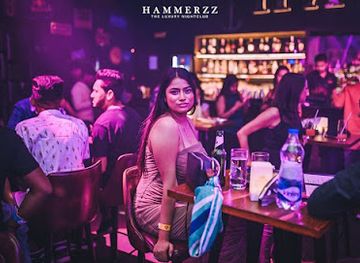
Hammerzz Nightclub
Enjoy an electrifying nightlife experience at Hammerzz Nightclub in Goa, featuring top DJs, delicious cuisine, and an unforgettable atmosphere.
9 min walk · 0.7 km from neighbourhood centre
-
Disco club
THE WHITE GOA
Experience the vibrant nightlife of Goa at The White Goa, a premier disco club on Baga Beach with electrifying music and an inviting atmosphere.
4 min walk · 0.3 km from neighbourhood centre
-
Night club
Cafe Mambo Goa
Discover the electrifying nightlife at Cafe Mambo Goa, a vibrant hotspot for music, dancing, and delicious dining on Baga Beach.
5 min walk · 0.4 km from neighbourhood centre



Best shops in Baga
Shopping in Baga is concentrated along Calangute–Baga Road and the lanes descending towards the beach, where small stores and stalls sell beachwear, sandals, sunglasses, resort clothing, jewellery, handicrafts, souvenirs and travel essentials. The retail scene is shaped more by tourism than by a specialised traditional market, and stock changes according to the season and individual business. Visitors can browse colourful textiles, shell and bead accessories, decorative objects and everyday holiday items, while pharmacies, convenience shops and small food retailers serve the local visitor economy. Bargaining may be possible in some informal stalls, but it is best handled courteously and not assumed in every shop. For a wider range of market shopping, visitors often travel beyond Baga to other parts of North Goa; the neighbourhood’s own retail identity lies in its accessible beach-oriented mix rather than in a single historic shopping street.
-
Vegan
Baga Central
Experience the vibrant flavors of vegan Indian cuisine at Baga Central, the perfect spot for culinary delights and unique souvenirs in Goa.
1 min walk · 0.1 km from neighbourhood centre
-
Casual Clothing Store
FLAMINGO - The Fashion Store
Discover stylish Western apparel at FLAMINGO - The Fashion Store in Baga Beach, Goa, your ultimate shopping destination for casual clothing.
2 min walk · 0.2 km from neighbourhood centre
-
Gift shop
Tibetan Handicraft and souvenirs market
Discover unique Tibetan handicrafts and souvenirs in the vibrant market of Baga, Goa, where culture meets creativity.
7 min walk · 0.6 km from neighbourhood centre
-
Boutique
Rich Girl Style
Explore fashion at Rich Girl Style, a boutique in Goa's vibrant Baga area, offering unique clothing and accessories for every style.
3 min walk · 0.3 km from neighbourhood centre


Baga essentials
Getting There
Getting Around
Safety
Emergency Situations
Do's and Don'ts
Local Tips

From Eve
Local phrases worth knowing
You don't need to get them perfect. A few words go a long way, and locals appreciate the effort.
Basics
| English | Local | Say it |
|---|---|---|
| Hello | नमस्कार | [Namaskar] |
| Goodbye | अलविदा | [Alvida] |
| Yes | हां | [Haan] |
| No | नहीं | [Nahi] |
| Please/You're welcome | कृपया | [Kripaya] |
| Thank you | धन्यवाद | [Dhanyavad] |
| Excuse me/Sorry | माफ़ कीजिये | [Maaf kijiye] |
| How are you? | आप कैसे हैं? | [Aap kaise hain?] |
| Fine. And you? | ठीक हूँ। आप? | [Theek hoon. Aap?] |
| Do you speak English? | क्या आप अंग्रेज़ी बोलते हैं? | [Kya aap angrezi bolte hain?] |
| I don't understand | मुझे समझ में नहीं आया | [Mujhe samajh mein nahi aaya] |
Eating & Drinking
| English | Local | Say it |
|---|---|---|
| I'd like to see the menu, please | कृपया मेन्यू देखना चाहता हूँ | [Kripaya menu dekhna chahta hoon] |
| I don't eat meat | मैं मांस नहीं खाता | [Main maans nahi khaata] |
| Cheers! | चियर्स! | [Cheers!] |
| I would like to pay, please | कृपया मैं भुगतान करना चाहता हूँ | [Kripaya main bhugtan karna chahta hoon] |
Emergencies
| English | Local | Say it |
|---|---|---|
| Help! | बचाओ! | [Bachao!] |
| Go away! | चले जाओ! | [Chale jao!] |
| Call the Police! | पुलिस को बुलाओ! | [Police ko bulao!] |
| Call a doctor! | डॉक्टर को बुलाओ! | [Doctor ko bulao!] |
| I'm lost | मैं खो गया हूँ | [Main kho gaya hoon] |
| I'm ill | मुझे बीमारी है | [Mujhe bimari hai] |
Shopping
| English | Local | Say it |
|---|---|---|
| I'd like to buy... | मैं खरीदना चाहता हूँ... | [Main khareedna chahta hoon...] |
| I'm just looking | मैं बस देख रहा हूँ | [Main bas dekh raha hoon] |
| How much is it? | यह कितने का है? | [Yeh kitne ka hai?] |
| That's too expensive | यह बहुत महंगा है | [Yeh bahut mehenga hai] |
| Can you lower the price? | क्या आप कीमत कम कर सकते हैं? | [Kya aap keemat kam kar sakte hain?] |
Time & Numbers
| English | Local | Say it |
|---|---|---|
| What time is it? | समय क्या है? | [Samay kya hai?] |
| It's one o'clock | एक बजे हैं | [Ek baje hain] |
| Half past (10) | दस बजे तक | [Das baje tak] |
| Morning | सुबह | [Subah] |
| Afternoon | दोपहर | [Dopahar] |
| Evening | शाम | [Shaam] |
| Yesterday | कल | [Kal] |
| Today | आज | [Aaj] |
| Tomorrow | कल | [Kal] |
| 1 | एक | [Ek] |
| 2 | दो | [Do] |
| 3 | तीन | [Teen] |
| 4 | चार | [Char] |
| 5 | पांच | [Paanch] |
| 6 | छह | [Chhe] |
| 7 | सात | [Saath] |
| 8 | आठ | [Aath] |
| 9 | नौ | [Nau] |
| 10 | दस | [Das] |
Transport & Directions
| English | Local | Say it |
|---|---|---|
| Where's a/the...? | कहाँ है... | [Kahan hai...] |
| What's the address? | पता क्या है? | [Pata kya hai?] |
| Can you show me (on the map)? | क्या आप मुझे दिखा सकते हैं (नक्शे पर)? | [Kya aap mujhe dikha sakte hain (naksha par)?] |
| When's the next (bus)? | अगली (बस) कब है? | [Agli (bus) kab hai?] |
| A ticket (to ....) | एक टिकट (...के लिए) | [Ek ticket (...ke liye)] |
History of Baga
A Coastal Village by the Creek
Baga developed as a small settlement beside the watercourse now known as Baga Creek, whose outlet divides the beach area from the coast towards Anjuna. Fishing, coconut cultivation and other forms of coastal village life shaped the locality before large-scale tourism arrived. The creek was not merely a scenic feature: it formed part of the working landscape and helped give the settlement its geographical identity. Behind the shore, narrow lanes and scattered houses preserve traces of this older village pattern, even though the beachfront is now dominated by visitor services.
Tourism Reaches North Goa
The expansion of international and domestic tourism along North Goa’s beaches transformed Baga during the second half of the twentieth century. Visitors initially sought an informal coastal setting, while small guesthouses, cafés, beach stalls and transport services gradually appeared around the village. Baga’s position beside Calangute and close to Anjuna helped it become part of a connected northern beach circuit rather than an isolated resort. Tourism brought new employment and commerce, but it also altered land use, increased seasonal pressure on roads and shore facilities, and made the beach frontage increasingly commercial.
The Modern Beachfront Quarter
In recent decades Baga has become one of Goa’s most recognisable visitor districts, combining a heavily used beach with restaurants, accommodation, retail and nightlife. The growth of water sports and organised beach services added a more structured leisure economy, while the concentration of bars and clubs around the lanes near the shore gave the area a strong after-dark identity. Baga remains connected to its neighbouring villages through roads, markets and shared coastal infrastructure, but its contemporary character is defined by the tension between an older settlement landscape and an intensely developed tourism strip.
Baga in Photos
Browse through our photo collection highlighting the charm and character of the destination.
Neighbourhoods near Baga
The closest neighbourhoods to Baga, if you have time for more than one stop.
-

-

-

-
-


Swipe for more neighbourhoods
Explore more

Explore more of Goa
Goa blends Portuguese heritage, Konkani culture, golden beaches and coastal cuisine, with historic churches, lively markets and memorable Indian sightseeing.
Explore Goa