

Calangute (Goa) Travel Guide - Free
Explore Calangute in Goa with Evendo's free guide. Find the best shops, historic streets, restaurants, and gems on web or mobile.


Calangute, Goa blends a broad Arabian Sea beach with Portuguese-era heritage, seafood restaurants, markets, water sports and lively evening streets.
Beachfront Character
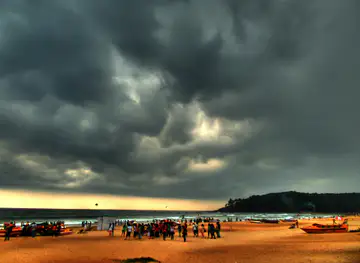
Calangute occupies a broad stretch of North Goa’s Arabian Sea coast, where a once-rural village has become one of the state’s best-known beach resorts. Its central beach is the neighbourhood’s defining landscape: a long, open shore backed by pedestrian lanes, cafés, restaurants, souvenir stalls, hotels and water-sports operators. The atmosphere changes noticeably by time of day. Mornings bring walkers, fishing activity and relatively calm light; afternoons are busier around the beach entrances; evenings draw visitors towards restaurants, music venues and market streets.Read more about Calangute
Village Heritage and Everyday Life
Markets, Food and Evenings
Best attractions in Calangute
Calangute Beach is the neighbourhood’s principal attraction, offering a broad Arabian Sea shoreline for swimming where conditions permit, strolling and watching the changing rhythm of beach commerce. Its several access points lead towards food stalls, cafés, deck-chair areas and water-sports activity, although the beach can be crowded in the main holiday seasons. Inland, the Church of St Alex provides a quieter cultural counterpoint, with its whitewashed façade and domed profile standing out amid palms, houses and resort buildings. The Calangute Market area offers a more commercial form of sightseeing, with clothing, handicrafts, souvenirs and everyday goods arranged along busy streets. Visitors interested in local character can also walk through the older lanes around the church and away from the principal beach approaches, where low-rise homes, parish life and tropical vegetation reveal aspects of Calangute that are less visible from the resort strip.
-
Tourist attraction
Calangute Beach, Goa
Experience the vibrant culture and stunning beauty of Calangute Beach, Goa - a perfect blend of relaxation, adventure, and local flavor.
1 min walk · 0.1 km from neighbourhood centre
-
Tourist attraction
Rock Forest Goa
Discover a serene escape at Rock Forest Goa: yoga, meditation, and villa living nestled in lush Calangute, North Goa.
7 min drive · 2.3 km from neighbourhood centre
-
Tourist attraction
Calangute Selfie's Point
Capture the best of Goa at Calangute Selfie's Point: stunning views, vibrant culture, and unforgettable memories on the Queen of Beaches.
1 min walk · 0.1 km from neighbourhood centre
-
Tourist attraction
Calangute fish statue
A vibrant landmark in Calangute, celebrating Goa's fishing heritage and offering a glimpse into local culture.
13 min walk · 1.0 km from neighbourhood centre


Best landmarks in Calangute
The Church of St Alex is Calangute’s most important architectural landmark, its whitewashed eighteenth-century structure and domed forms providing a strong visual reference in a neighbourhood otherwise dominated by modern resort development. It represents the enduring place of Catholic parish life in a former Goan village and is best approached as a functioning religious institution, not simply a photographic backdrop. Calangute Beach is a natural and social landmark whose open shoreline explains the neighbourhood’s tourism economy and distinguishes it from inland settlements. The older lanes around the church, traditional houses and coconut-lined plots offer smaller-scale heritage features, although they are not preserved as a formal historic quarter. The market streets and beach access roads are also significant in a contemporary sense: they show how local commerce, seasonal tourism and everyday travel have reshaped the village’s physical identity.
-
Tourist attraction
Calangute Beach, Goa
Discover the allure of Calangute Beach, where golden sands meet vibrant culture and exciting water sports in the heart of Goa.
1 min walk · 0.1 km from neighbourhood centre
-
Beach
Calangute Beach
Discover the vibrant atmosphere and stunning sunsets at Calangute Beach, the crown jewel of Goa's coastline.
7 min walk · 0.5 km from neighbourhood centre
-
Indoor snowcenter
Snow Park, Goa
Discover the magic of winter at Snow Park, Goa - an indoor snow center offering thrilling activities and a unique winter wonderland experience.
17 min walk · 1.4 km from neighbourhood centre
-
Shopping mall
Calangute Beach Road Mall
Experience the lively Calangute Beach Road Mall, a shopping paradise in Goa with unique stores, dining options, and vibrant local culture.
7 min walk · 0.5 km from neighbourhood centre


Explore Calangute on the map
A handpicked selection of must-see spots in Calangute, mapped for you.
Best hotels in Calangute
Best restaurants in Calangute
Calangute has one of North Goa’s broadest concentrations of visitor-oriented dining, spread along the main roads, beach approaches and hotel-lined lanes. Menus commonly combine Goan cooking with North Indian, South Indian, Chinese and international dishes, reflecting both the region’s culinary history and the expectations of a large seasonal visitor economy. Seafood is prominent, with fish, prawns and shellfish appearing alongside rice, curries and local preparations; visitors should ask what is fresh and clarify whether a dish reflects a Goan recipe or a more general restaurant interpretation. Casual cafés, bakeries, beach shacks and family-run eateries sit alongside larger dining rooms and hotel restaurants. The strongest local context comes from trying Goan flavours away from purely international menus, while the Calangute Market area is useful for seeing how food retail and tourism overlap rather than for a single defined food hall or culinary quarter.
-
Modern European
A Reverie
Discover the enchanting flavors of modern European cuisine at A Reverie in Calangute – where every meal is a delightful experience.
17 min walk · 1.3 km from neighbourhood centre
-
Restaurant
Just Lobo's Family Restaurant and Bar
Discover authentic Goan cuisine at Just Lobo's Family Restaurant and Bar in Calangute – where flavor meets tradition!
13 min walk · 1.0 km from neighbourhood centre
-
North Indian
Delhi Darbar Goa
Experience authentic North Indian cuisine at Delhi Darbar Goa – where tradition meets coastal charm.
9 min walk · 0.7 km from neighbourhood centre
-
Family-friendly
Ratna Sagar Family Restaurant & Bar (Calangute)
Discover delightful Indian cuisine and vibrant entertainment at Ratna Sagar Family Restaurant & Bar near Calangute Beach.
1 min walk · 0.1 km from neighbourhood centre


Best bars in Calangute
Evenings in Calangute are shaped by casual socialising, late dining, music and the steady movement between beach roads, restaurants and bars. The neighbourhood has a large supply of visitor-focused pubs, lounges and entertainment venues, with experiences ranging from informal drinks and televised sport to live music and DJ-led nights; the exact line-up and opening patterns change seasonally. Beachfront and main-road venues tend to be more animated, while residential lanes are considerably quieter and should be treated with respect after dark. Calangute’s nightlife is closely connected by road to Baga and Candolim, both separate areas with their own entertainment scenes, so visitors should check the precise location of any venue rather than assuming that every listing belongs to Calangute. Traffic and pedestrian congestion can increase late in the evening around popular commercial stretches.
-
Indian
Britto's Restaurant :- Indulge in Authentic Goan Flavours & Lip Smacking Signature Cocktails
Indulge in the authentic Goan cuisine and signature cocktails at Britto's Restaurant, a must-visit culinary destination in Baga, Goa.
6 min drive · 1.9 km from neighbourhood centre
-
Bar
Flying Dolphin Beach Side Cafe & Bar with Tapas
Experience the vibrant culinary scene at Flying Dolphin Beach Side Cafe & Bar, where delicious tapas and stunning sea views await in Calangute, Goa.
15 min walk · 1.2 km from neighbourhood centre
-
Grill
Bar De Goa
Experience the best of grilling and nightlife at Bar De Goa, the perfect destination for food lovers in Baga, Goa.
13 min walk · 1.0 km from neighbourhood centre
-
Bar
Harry's Bar & Restaurant
Experience the vibrant flavors of Goa at Harry's Bar & Restaurant, where exquisite cuisine meets a lively atmosphere in the heart of Calangute.
5 min walk · 0.4 km from neighbourhood centre


Best nightclubs in Calangute
Evenings in Calangute are shaped by casual socialising, late dining, music and the steady movement between beach roads, restaurants and bars. The neighbourhood has a large supply of visitor-focused pubs, lounges and entertainment venues, with experiences ranging from informal drinks and televised sport to live music and DJ-led nights; the exact line-up and opening patterns change seasonally. Beachfront and main-road venues tend to be more animated, while residential lanes are considerably quieter and should be treated with respect after dark. Calangute’s nightlife is closely connected by road to Baga and Candolim, both separate areas with their own entertainment scenes, so visitors should check the precise location of any venue rather than assuming that every listing belongs to Calangute. Traffic and pedestrian congestion can increase late in the evening around popular commercial stretches.
-
Night club
Club Titos
Unleash your night at Club Titos, Goa's premier nightlife destination, where music, dance, and unforgettable moments await.
16 min walk · 1.3 km from neighbourhood centre
-
Night club
Hammerzz Nightclub
Discover the electrifying nightlife at Hammerzz Nightclub in Goa, where top DJs, gourmet dining, and vibrant energy create unforgettable nights.
7 min drive · 2.3 km from neighbourhood centre
-
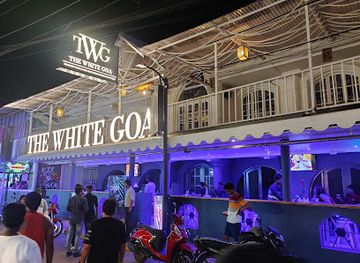
Disco club
THE WHITE GOA
Unleash your inner party spirit at The White Goa, the ultimate disco club experience in Baga Beach's vibrant nightlife.
16 min walk · 1.3 km from neighbourhood centre
-
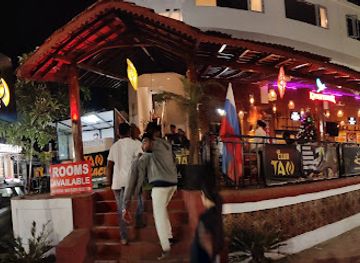
Night club
Club Tao
Discover the ultimate nightlife experience at Club Tao, where vibrant music, delicious food, and a lively dance floor await in Goa's Baga.
14 min walk · 1.1 km from neighbourhood centre


Best shops in Calangute
Shopping in Calangute is concentrated around the market area, main commercial roads and lanes leading towards the beach. Visitors find beachwear, cotton clothing, jewellery, bags, souvenirs, handicrafts, shell and textile products, and practical holiday goods alongside pharmacies, supermarkets and small local retailers. The atmosphere is informal and commercially busy rather than curated like a specialist design district, and the selection varies between permanent shops, seasonal stalls and tourist-focused outlets. Bargaining may be possible in some market settings, while fixed-price shops and larger stores generally operate differently. The most distinctive aspect is the mixture of everyday village and resort retail: local residents use many of the same streets as visitors buying gifts or beach equipment. For independent crafts or regional products, examine materials and provenance carefully, since tourist markets also include goods sourced from outside Goa.
-
Sporting goods store
Decathlon Calangute Mall
Discover a world of sports at Decathlon Calangute Mall, your go-to destination for outdoor gear and active lifestyle essentials in Goa.
5 min drive · 1.6 km from neighbourhood centre
-
Gift shop
Mario Gallery
Explore Mario Gallery in Calangute, Goa, for unique art, local souvenirs, and captivating books that embody the spirit of the region.
6 min drive · 1.9 km from neighbourhood centre
-
Wine store
Unique Supermarket & Wine Store
Explore a curated selection of local and international wines at Unique Supermarket & Wine Store in Calangute, Goa, the perfect stop for wine lovers.
5 min walk · 0.4 km from neighbourhood centre
-
Boutique
Curves Goa
Discover fashion at Curves Goa, your ultimate boutique destination in Calangute for stylish clothing, swimwear, and lingerie.
5 min drive · 1.5 km from neighbourhood centre


Calangute essentials
Getting There
Getting Around
Safety
Emergency Situations
Do's and Don'ts
Local Tips

From Eve
Local phrases worth knowing
You don't need to get them perfect. A few words go a long way, and locals appreciate the effort.
Basics
| English | Local | Say it |
|---|---|---|
| Hello | नमस्ते | [namaste] |
| Goodbye | अलविदा | [alvida] |
| Yes | हाँ | [haan] |
| No | नहीं | [nahi] |
| Please/You're welcome | कृपया | [krupaya] |
| Thank you | धन्यवाद | [dhanyavad] |
| Excuse me/Sorry | माफ़ कीजिए | [maaf kijiye] |
| How are you? | आप कैसे हैं? | [aap kaise hain?] |
| Fine. And you? | ठीक हूँ। आप? | [thik hoon. aap?] |
| Do you speak English? | क्या आप अंग्रेज़ी बोलते हैं? | [kya aap angrezi bolte hain?] |
| I don't understand | मुझे समझ नहीं आया | [mujhe samajh nahi aaya] |
Eating & Drinking
| English | Local | Say it |
|---|---|---|
| I'd like to see the menu, please | कृपया मेनू देखना चाहूँ | [krupaya menu dekhna chahoon] |
| I don't eat meat | मैं मांस नहीं खाता | [main maans nahi khaata] |
| Cheers! | चियर्स! | [cheers!] |
| I would like to pay, please | कृपया मैं भुगतान करना चाहूँ | [krupaya main bhugtan karna chahoon] |
Emergencies
| English | Local | Say it |
|---|---|---|
| Help! | बचाओ! | [bachao!] |
| Go away! | चले जाओ! | [chale jao!] |
| Call the Police! | पुलिस को बुलाओ! | [police ko bulaao!] |
| Call a doctor! | डॉक्टर को बुलाओ! | [doctor ko bulaao!] |
| I'm lost | मैं खो गया/गई हूँ | [main kho gaya/gayi hoon] |
| I'm ill | मुझे बीमारी है | [mujhe bimari hai] |
Shopping
| English | Local | Say it |
|---|---|---|
| I'd like to buy... | मैं ... खरीदना चाहूँगा/चाहूँगी | [main ... khareedna chahunga/chahungi] |
| I'm just looking | मैं बस देख रहा/रही हूँ | [main bas dekh raha/rahi hoon] |
| How much is it? | यह कितने का है? | [yah kitne ka hai?] |
| That's too expensive | यह बहुत महंगा है | [yah bahut mehnga hai] |
| Can you lower the price? | क्या आप कीमत कम कर सकते हैं? | [kya aap keemat kam kar sakte hain?] |
Time & Numbers
| English | Local | Say it |
|---|---|---|
| What time is it? | अब कितने बजे हैं? | [ab kitne baje hain?] |
| It's one o'clock | एक बजे हैं | [ek baje hain] |
| Half past (10) | दस बजकर पंद्रह मिनट हैं | [das bajkar pandrah minute hain] |
| Morning | सुबह | [subah] |
| Afternoon | दोपहर | [dopahar] |
| Evening | शाम | [shaam] |
| Yesterday | कल | [kal] |
| Today | आज | [aaj] |
| Tomorrow | कल | [kal] |
| 1 | एक | [ek] |
| 2 | दो | [do] |
| 3 | तीन | [teen] |
| 4 | चार | [chaar] |
| 5 | पांच | [paanch] |
| 6 | छह | [chhe] |
| 7 | सात | [saat] |
| 8 | आठ | [aath] |
| 9 | नौ | [nau] |
| 10 | दस | [das] |
Transport & Directions
| English | Local | Say it |
|---|---|---|
| Where's a/the...? | ...कहाँ है? | [...kahan hai?] |
| What's the address? | पता क्या है? | [pata kya hai?] |
| Can you show me (on the map)? | क्या आप मुझे दिखा सकते हैं (नक्शे पर)? | [kya aap mujhe dikha sakte hain (naksha par)?] |
| When's the next (bus)? | अगली (बस) कब है? | [agli (bus) kab hai?] |
| A ticket (to ....) | एक टिकट (.... के लिए) | [ek ticket (.... ke liye)] |
History of Calangute
A Coastal Village Before Tourism
Calangute developed as a Goan coastal settlement shaped by agriculture, fishing, coconut cultivation and village community institutions rather than by large-scale resort construction. The name has been recorded in several forms, including Kolongutt, and its precise etymology remains debated. As in much of Goa, the village’s social landscape was influenced by centuries of Portuguese rule and by the growth of Catholic parish institutions alongside older local customs. The area’s older lanes and houses are remnants of this village structure, even though later commercial development has transformed much of the beachfront and main-road frontage.
St Alex and Parish Life
The Church of St Alex is one of Calangute’s most recognisable historic buildings and remains an important marker of the village’s Catholic heritage. The present church dates from the eighteenth century, with 1741 commonly associated with its construction. Its white exterior and distinctive domes give the surrounding settlement a clear visual focus, while parish celebrations and ordinary religious life connect the building to the local community rather than treating it only as a visitor sight. The church also illustrates how Portuguese-era Catholic institutions became embedded in the cultural geography of coastal Goa.
The Arrival of International Visitors
Calangute’s modern transformation accelerated during the 1960s and 1970s, when international travellers began arriving in Goa in search of inexpensive accommodation, beach life and a countercultural atmosphere. The wider coastal belt became associated with long-stay visitors, informal cafés, music and changing patterns of seasonal commerce. Calangute was not isolated from these developments: its beach and village access made it increasingly visible to travellers, while local households and entrepreneurs adapted to new forms of lodging, transport, food service and retail.
From Beach Village to Resort Economy
From the late twentieth century onwards, improved roads, domestic tourism and private investment helped turn Calangute into a major resort area. Guesthouses, hotels, restaurants, shops and activity businesses spread beyond the older village core, bringing employment and new commercial opportunities while placing pressure on land, traffic, waste management and the coastal environment. The neighbourhood today reflects this continuing negotiation between resident life and visitor demand: church, homes and local services remain part of the settlement, but beach tourism dominates its public image and much of its economy.
Calangute in Photos
Browse through our photo collection highlighting the charm and character of the destination.
Neighbourhoods near Calangute
The closest neighbourhoods to Calangute, if you have time for more than one stop.
-

-
-

-

-


Swipe for more neighbourhoods
Explore more

Explore more of Goa
Goa blends Portuguese heritage, Konkani culture, golden beaches and coastal cuisine, with historic churches, lively markets and memorable Indian sightseeing.
Explore Goa