

Vagator (Goa) Travel Guide - Free
Explore Vagator in Goa with Evendo's free guide. Find the best shops, historic streets, restaurants, and gems on web or mobile.


Vagator, Goa pairs red-cliff beaches, Chapora views, Portuguese-era history, sunset walks, creative dining and North Goa nightlife for curious travellers.
Coastal Character
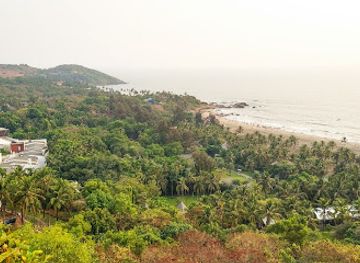
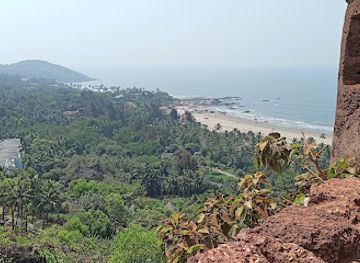
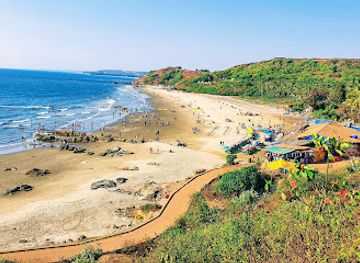
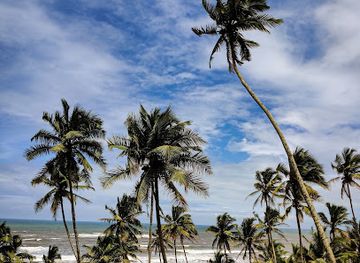
Vagator occupies a dramatic stretch of North Goa’s coast, where laterite cliffs descend towards two distinct sandy coves: the broad curve commonly called Vagator Beach and the smaller Ozran, or Small Vagator, farther south. The village lies between the Chapora River and the coastal road, with views towards the fishing settlement and fort at Chapora across the water. Its landscape is a mixture of coconut palms, paddy fields, modest village lanes, holiday houses, restaurants and music venues, rather than a single concentrated resort strip.Read more about Vagator
Beaches and Viewpoints
Village Life and Night Culture
Best attractions in Vagator
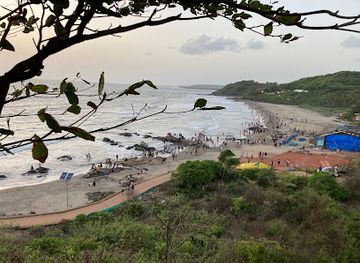
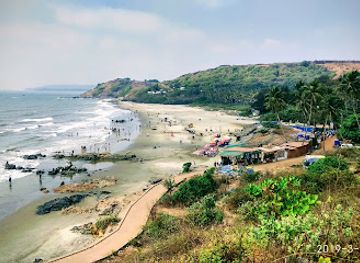
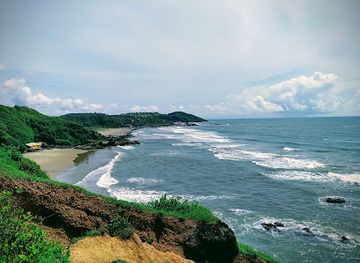
Vagator’s main attractions are coastal and landscape-driven rather than concentrated in museums or formal monuments. Vagator Beach opens below the red laterite cliffs, while Ozran, widely known as Small Vagator, offers a more enclosed cove reached by paths and steps from the surrounding road network. The rocky shoreline and elevated viewpoints create changing views towards the Arabian Sea and Chapora, particularly around sunset. A short journey across the local road network brings visitors to Chapora Fort, which stands in neighbouring Chapora and should be treated as a nearby attraction, not as part of Vagator proper. The surrounding village lanes, coconut groves and remaining field edges are also worth exploring, offering a more grounded counterpoint to the beach venues. Vagator’s music and arts identity is most apparent at seasonal cultural and electronic-music events, whose locations and schedules can change.
-
Fortress
Chapora Fort
Explore the historic Chapora Fort in Goa for stunning panoramic views, rich history, and a touch of Bollywood magic.
11 min walk · 0.9 km from neighbourhood centre
-
Tourist attraction
Vagator Beach Sunset Point
Experience breathtaking sunsets and serene coastal beauty at Vagator Beach Sunset Point in North Goa, a haven for nature lovers and photographers.
12 min walk · 0.9 km from neighbourhood centre
-
Hiking area
Vagator Hill View
Hike to Vagator Hill View for stunning Arabian Sea panoramas near Chapora Fort. A serene escape into Goa's natural beauty and tranquility.
16 min walk · 1.3 km from neighbourhood centre
-
Tourist attraction
Dream Beach
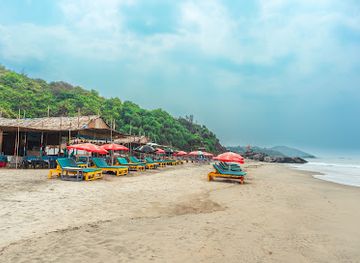
Discover Dream Beach in Goa: Golden sands, stunning sunsets, and a tranquil escape in the vibrant region of Vagator.
17 min walk · 1.4 km from neighbourhood centre
Best landmarks in Vagator
Vagator’s most recognisable landmarks are its laterite coastline, beach headlands and the elevated viewpoints overlooking the Arabian Sea. The red cliffs around Vagator Beach and Ozran are geographic markers as much as scenic features, revealing the geology and traditional building material of North Goa. Across the nearby Chapora landscape, Chapora Fort is the major historical landmark: rebuilt by the Portuguese in the early eighteenth century, it occupies a strategic hill above the river and lies outside Vagator village itself. Within Vagator, the more modest landmarks are its beach approaches, palm-lined lanes, village houses and long-established music venues, which together express the area’s transition from rural settlement to international coastal destination. These places are best understood as parts of a living landscape rather than as isolated monuments.
-
Fortress
Chapora Fort
Explore the historic Chapora Fort in Goa, where history meets breathtaking views of the Arabian Sea.
11 min walk · 0.9 km from neighbourhood centre
-
Tourist attraction
Vagator Beach View
Discover the breathtaking views and vibrant atmosphere of Vagator Beach View, a must-see coastal destination in Goa.
12 min walk · 0.9 km from neighbourhood centre
-
Beach
Little Vagator
Discover the serene beauty and vibrant culture of Little Vagator Beach, a hidden gem in Goa known for its stunning coastal views and relaxing atmosphere.
11 min walk · 0.9 km from neighbourhood centre
-
Hiking area
Vagator Hill View
Discover the stunning vistas and serene hiking trails of Vagator Hill View, a perfect blend of nature and adventure in Goa.
16 min walk · 1.3 km from neighbourhood centre
Explore Vagator on the map
A handpicked selection of must-see spots in Vagator, mapped for you.
Best hotels in Vagator
Best restaurants in Vagator
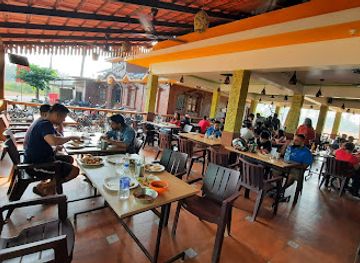
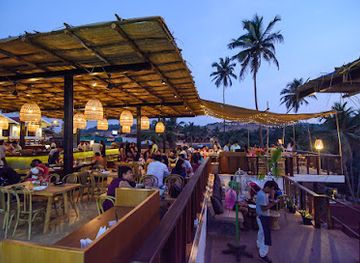
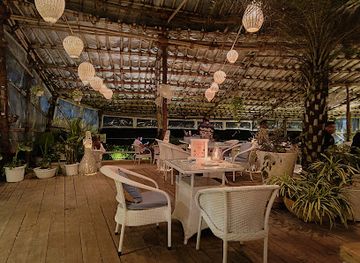
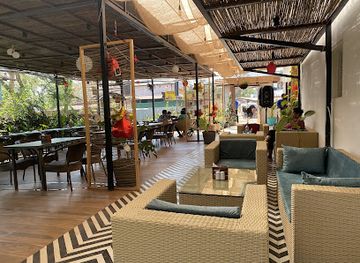
Eating in Vagator reflects North Goa’s international visitor culture alongside the region’s coastal culinary traditions. Around the beach approaches and inland roads, visitors find casual cafés, bakeries, all-day restaurants and seasonal venues serving combinations of Goan, Indian, Mediterranean, Middle Eastern and global food. Local seafood and rice-based dishes appear alongside vegetarian cooking, while fresh juices, coffee and contemporary brunch menus are common in the tourism-facing areas. The dining scene is dispersed rather than centred on one formal quarter, so a short taxi or scooter journey may be necessary between accommodation, the shore and evening restaurants. Smaller establishments can offer a more direct connection to everyday Goan flavours, while destination-style venues often emphasise setting and atmosphere. Menus, opening patterns and seasonal availability vary considerably, particularly during the monsoon, making local checking useful.
-
Seafood
Anand Sea Food bar & restaurant anjuna
Discover authentic Goan flavors at Anand Sea Food Bar & Restaurant in Anjuna—where fresh seafood meets breathtaking views.
6 min drive · 2.0 km from neighbourhood centre
-
Restaurant
Antares Restaurant & Beach Club
Experience exquisite dining at Antares Restaurant & Beach Club in Vagator – where culinary excellence meets breathtaking beach views.
11 min walk · 0.9 km from neighbourhood centre
-
Mediterranean
Olive Bar & Kitchen
Discover the essence of Mediterranean dining at Olive Bar & Kitchen in Vagator, Goa – where flavor meets vibrant atmosphere.
11 min walk · 0.9 km from neighbourhood centre
-
Restaurant
South Delhi restaurant
Experience the essence of Indian cuisine at South Delhi restaurant in Vagator - where tradition meets taste in every dish.
3 min walk · 0.3 km from neighbourhood centre
Best bars in Vagator
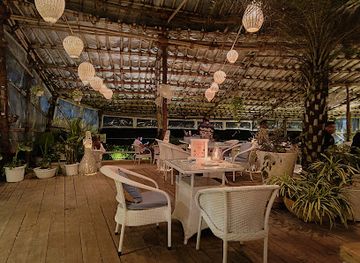
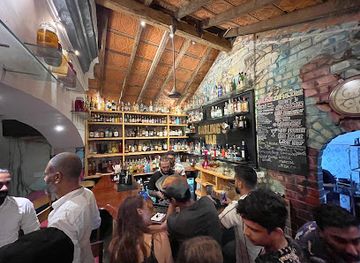
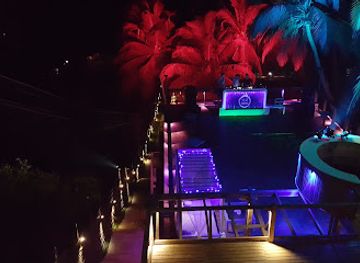
Vagator has one of North Goa’s strongest associations with late-night music, although its nightlife is seasonal and changes from one year to the next. The area around Hilltop has long been linked with Goa’s electronic-music culture and open-air events, while bars and restaurant venues elsewhere in Vagator provide more informal evening settings. Some nights are quiet and conversational; others are shaped by a scheduled performance or dance event, with sound carrying across the surrounding countryside. The village does not function as one continuous club district, so visitors should check current arrangements rather than assume that a venue operates every night. Respect residential areas when leaving, arrange transport in advance for late returns and remember that the public beach and cliff paths are not substitutes for properly managed nightlife spaces.
-
Bar
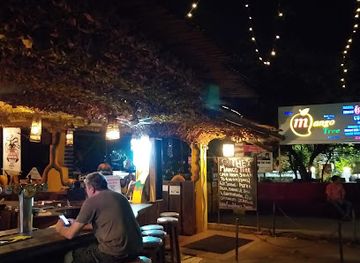
Mango Tree
Discover Mango Tree, a vibrant bar and restaurant in Vagator, Goa, known for its delicious food, refreshing drinks, and lively atmosphere.
3 min walk · 0.2 km from neighbourhood centre
-
Bar
Olive Bar & Kitchen
Discover the flavors of the Mediterranean at Olive Bar & Kitchen, a vibrant dining destination in Vagator, Goa, perfect for food lovers and beachgoers alike.
11 min walk · 0.9 km from neighbourhood centre
-
Bar
Darlings bar
Experience the vibrant nightlife at Darlings Bar in Vagator, Goa, featuring creative cocktails, live music, and a lively atmosphere.
8 min walk · 0.6 km from neighbourhood centre
-
Bar
Don Rob's Bar & Kitchen: Best Bar in Goa
Don Rob's Bar & Kitchen in Vagator, Goa - where vibrant nightlife meets delicious cuisine and unforgettable memories.
1 min walk · 0.1 km from neighbourhood centre
Best nightclubs in Vagator
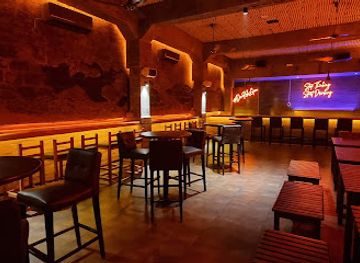
Vagator has one of North Goa’s strongest associations with late-night music, although its nightlife is seasonal and changes from one year to the next. The area around Hilltop has long been linked with Goa’s electronic-music culture and open-air events, while bars and restaurant venues elsewhere in Vagator provide more informal evening settings. Some nights are quiet and conversational; others are shaped by a scheduled performance or dance event, with sound carrying across the surrounding countryside. The village does not function as one continuous club district, so visitors should check current arrangements rather than assume that a venue operates every night. Respect residential areas when leaving, arrange transport in advance for late returns and remember that the public beach and cliff paths are not substitutes for properly managed nightlife spaces.
-
Lounge
Waters Beach Lounge & Grill
Experience the vibrant atmosphere of Waters Beach Lounge & Grill on Ozran Beach, where delicious cuisine meets stunning sea views in Vagator, Goa.
11 min walk · 0.9 km from neighbourhood centre
-
Night club
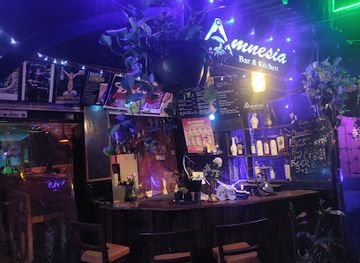
Amnesia Bar and Kitchen
Experience the vibrant nightlife of Goa at Amnesia Bar and Kitchen, where delicious food meets electrifying entertainment in Vagator.
4 min walk · 0.4 km from neighbourhood centre
-
Night club
9Bar Goa
Dive into the vibrant nightlife of Goa at 9Bar – where stunning views, great music, and unforgettable memories await.
10 min walk · 0.8 km from neighbourhood centre
-
Night club
Café La Música
Experience the vibrant nightlife at Café La Música, where music, dance, and culinary delights come together in the heart of Anjuna, Goa.
11 min walk · 0.9 km from neighbourhood centre


Best shops in Vagator
Shopping in Vagator is relatively small-scale and visitor-oriented, with roadside stalls, beachwear outlets, souvenir counters, convenience shops and independent boutiques scattered along the main approaches and side roads. Visitors may find cotton clothing, resort wear, jewellery, crafts, bags and decorative objects, but stock and business hours are seasonal and vary between individual shops. The area is less suited to a dedicated market expedition than nearby Anjuna, whose famous flea market lies outside Vagator and should not be presented as a local attraction. Purchases from smaller businesses are often more closely tied to the immediate tourism economy than to a single distinctive Vagator craft tradition. Bargaining may be part of informal street retail, while fixed-price shops and cafés generally follow clearer pricing. Respect stallholders’ space and ask before photographing people or displays.
-
Second hand store
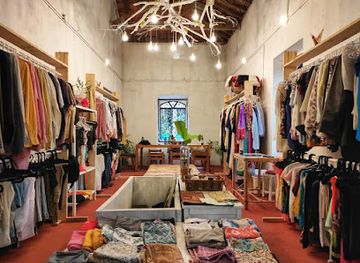
Good Karma Treasure Shop
Explore the eclectic charm of Good Karma Treasure Shop in Vagator, Goa, where unique second-hand treasures await your discovery.
15 min walk · 1.2 km from neighbourhood centre
-
Grocery store
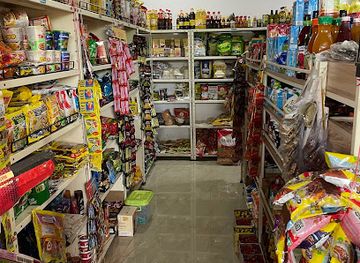
UNIQUE MINI MART
Explore Unique Mini Mart in Vagator, Goa, for a delightful selection of groceries and local specialties in a vibrant shopping atmosphere.
11 min walk · 0.9 km from neighbourhood centre
-
Gift shop
GIFT GALLERY
Explore the enchanting Gift Gallery in Anjuna, Goa, for unique handcrafted treasures and local souvenirs that capture the spirit of your travels.
12 min walk · 0.9 km from neighbourhood centre
-
Nut store
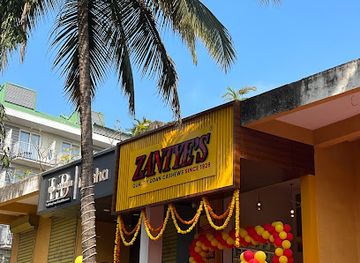
Zantye’s Factory outlet - Vagator
Discover the best of Goa's nutty delights at Zantye’s Factory Outlet - your go-to destination for premium nuts and local snacks.
5 min walk · 0.4 km from neighbourhood centre
Vagator essentials
Getting There
Getting Around
Safety
Emergency Situations
Do's and Don'ts
Local Tips

From Eve
Local phrases worth knowing
You don't need to get them perfect. A few words go a long way, and locals appreciate the effort.
Basics
| English | Local | Say it |
|---|---|---|
| Hello | नमस्ते | [namaste] |
| Goodbye | अलविदा | [alvida] |
| Yes | हाँ | [haan] |
| No | नहीं | [nahin] |
| Please/You're welcome | कृपया | [krupaya] |
| Thank you | धन्यवाद | [dhanyavaad] |
| Excuse me/Sorry | माफ़ कीजिए | [maaf keejiye] |
| How are you? | आप कैसे हैं? | [aap kaise hain?] |
| Fine. And you? | ठीक हूँ। और आप? | [theek hoon. aur aap?] |
| Do you speak English? | क्या आप अंग्रेज़ी बोलते हैं? | [kya aap angrezi bolte hain?] |
| I don't understand | मैं समझा नहीं | [main samjha nahi] |
Eating & Drinking
| English | Local | Say it |
|---|---|---|
| I'd like to see the menu, please | कृपया मेनू दिखाइए | [krupaya menu dikhaiye] |
| I don't eat meat | मैं मांस नहीं खाता | [main maans nahi khaata] |
| Cheers! | चियर्स! | [cheers!] |
| I would like to pay, please | कृपया मैं भुगतान करना चाहूँ | [krupaya main bhugtan karna chaahun] |
Emergencies
| English | Local | Say it |
|---|---|---|
| Help! | बचाओ! | [bachao!] |
| Go away! | चले जाओ! | [chale jao!] |
| Call the Police! | पुलिस को बुलाओ! | [police ko bulaao!] |
| Call a doctor! | डॉक्टर को बुलाओ! | [doctor ko bulaao!] |
| I'm lost | मैं खो गया हूँ | [main kho gaya hoon] |
| I'm ill | मुझे बीमारी है | [mujhe bimari hai] |
Shopping
| English | Local | Say it |
|---|---|---|
| I'd like to buy... | मैं...खरीदना चाहूँ | [main...kharidna chaahun] |
| I'm just looking | मैं सिर्फ देख रहा हूँ | [main sirf dekh raha hoon] |
| How much is it? | यह कितने का है? | [yah kitne ka hai?] |
| That's too expensive | यह बहुत महंगा है | [yah bahut mehnga hai] |
| Can you lower the price? | क्या आप कीमत कम कर सकते हैं? | [kya aap keemat kam kar sakte hain?] |
Time & Numbers
| English | Local | Say it |
|---|---|---|
| What time is it? | अभी कितने बजे हैं? | [abhi kitne baje hain?] |
| It's one o'clock | एक बजे हैं | [ek baje hain] |
| Half past (10) | दस बजकर पंद्रह मिनट हैं | [das bajkar pandrah minute hain] |
| Morning | सुबह | [subah] |
| Afternoon | दोपहर | [dopahar] |
| Evening | शाम | [shaam] |
| Yesterday | कल | [kal] |
| Today | आज | [aaj] |
| Tomorrow | कल | [kal] |
| 1 | एक | [ek] |
| 2 | दो | [do] |
| 3 | तीन | [teen] |
| 4 | चार | [chaar] |
| 5 | पांच | [paanch] |
| 6 | छह | [chhah] |
| 7 | सात | [saat] |
| 8 | आठ | [aath] |
| 9 | नौ | [nau] |
| 10 | दस | [das] |
Transport & Directions
| English | Local | Say it |
|---|---|---|
| Where's a/the...? | कहाँ है...? | [kahaan hai...?] |
| What's the address? | पता क्या है? | [pata kya hai?] |
| Can you show me (on the map)? | क्या आप मुझे दिखा सकते हैं (नक्शे पर)? | [kya aap mujhe dikha sakte hain (nakshay par)?] |
| When's the next (bus)? | अगली (बस) कब है? | [agli (bus) kab hai?] |
| A ticket (to ....) | एक टिकट (...के लिए) | [ek ticket (...ke liye)] |
History of Vagator
A Landscape of Villages and Fields
Before tourism reshaped its coastline, Vagator was a rural settlement in Bardez, a part of Goa characterised by village communities, coconut groves, rice fields and small agricultural plots. Its position near the Chapora River connected the area with neighbouring settlements and seasonal river activity, while the coast remained a working landscape rather than a resort destination. The laterite soil visible in the cliffs and walls is a persistent local feature, linking the physical appearance of present-day Vagator with the traditional construction materials and red earth of North Goa.
Portuguese Goa and Chapora’s Frontier
Vagator developed within the long period of Portuguese rule in Goa, when Catholic institutions, parish villages, landholding patterns and coastal military defences shaped the surrounding countryside. The major defensive structure associated with this landscape is Chapora Fort, rebuilt by the Portuguese in the early eighteenth century on the opposite side of the Chapora River. Although the fort stands in Chapora rather than Vagator, its elevated position influenced the strategic geography of the coast and remains an important historical reference point for understanding the villages around the river mouth.
From Liberation to Beach Tourism
Goa became part of India in 1961, after which roads, transport links and changing land use gradually connected its coastal villages more closely with the wider tourism economy. Vagator’s beaches attracted international travellers during the 1960s and 1970s, when Goa acquired an enduring reputation for informal beach life, alternative travel and music. The village did not lose its agricultural setting overnight, but guesthouses, seasonal cafés and rented rooms increasingly appeared alongside established homes and fields, creating the mixed rural-tourist character visible today.
Music Culture and Rapid Development
From the late twentieth century onwards, Vagator became closely identified with electronic music, open-air parties and a seasonal nightlife circuit. Hilltop helped establish the area as one of Goa’s recognised music venues, while a wider range of restaurants, bars, villas and boutique stays followed the growth of North Goa tourism. This development has brought investment and international attention but has also made the village more commercially built-up and seasonally variable. Contemporary Vagator therefore combines enduring coastal and village landscapes with an entertainment economy that is particularly prominent after dark.
Vagator in Photos
Browse through our photo collection highlighting the charm and character of the destination.
Neighbourhoods near Vagator
The closest neighbourhoods to Vagator, if you have time for more than one stop.
-

-

-

-

-


Swipe for more neighbourhoods
Explore more

Explore more of Goa
Goa blends Portuguese heritage, Konkani culture, golden beaches and coastal cuisine, with historic churches, lively markets and memorable Indian sightseeing.
Explore Goa