

Gorakhpur (Jabalpur) Travel Guide - Free
Explore Gorakhpur in Jabalpur with Evendo's free guide. Find the best shops, historic streets, restaurants, and gems on web or mobile.


Gorakhpur, Jabalpur offers a residential glimpse of Madhya Pradesh life, with local markets, everyday eateries and access to nearby Gwarighat.
A Local Jabalpur Setting
Gorakhpur is a predominantly residential locality in Jabalpur, central Madhya Pradesh, shaped more by everyday city life than by a concentrated collection of tourist sights. Its streets connect homes, small businesses, schools, clinics, religious places and local shopping areas, giving visitors a useful view of how Jabalpur functions beyond its better-known monuments and riverfronts. The neighbourhood sits within the southern and south-western spread of the city, with established roads linking it to central districts and to the wider urban area.Read more about Gorakhpur
Markets and Daily Rhythm
Access to Jabalpur’s Wider Landscape
Explore Gorakhpur on the map
A handpicked selection of must-see spots in Gorakhpur, mapped for you.
Best hotels in Gorakhpur
Gorakhpur essentials
Getting There
Getting Around
Safety
Emergency Situations
Do's and Don'ts
Local Tips

From Eve
Local phrases worth knowing
You don't need to get them perfect. A few words go a long way, and locals appreciate the effort.
Basics
| English | Local | Say it |
|---|---|---|
| Hello | नमस्ते | [namaste] |
| Goodbye | अलविदा | [alvida] |
| Yes | हाँ | [haan] |
| No | नहीं | [nahin] |
| Please/You're welcome | कृपया | [krupaya] |
| Thank you | धन्यवाद | [dhanyavaad] |
| Excuse me/Sorry | क्षमा करें | [kshama karein] |
| How are you? | आप कैसे हैं? | [aap kaise hain?] |
| Fine. And you? | ठीक हूँ। और तुम? | [thik hoon. aur tum?] |
| Do you speak English? | क्या आप अंग्रेज़ी बोलते हैं? | [kya aap angrezi bolte hain?] |
| I don't understand | मुझे समझ में नहीं आया | [mujhe samajh mein nahi aaya] |
Eating & Drinking
| English | Local | Say it |
|---|---|---|
| I'd like to see the menu, please | कृपया मेन्यू दिखाएं | [krupaya menu dikhayen] |
| I don't eat meat | मैं मांस नहीं खाता | [main maans nahi khaata] |
| Cheers! | चियर्स! | [cheers!] |
| I would like to pay, please | कृपया मैं भुगतान करना चाहूँ | [krupaya main bhugtan karna chahoon] |
Emergencies
| English | Local | Say it |
|---|---|---|
| Help! | बचाओ! | [bachao!] |
| Go away! | चले जाओ! | [chale jao!] |
| Call the Police! | पुलिस को बुलाओ! | [police ko bulaao!] |
| Call a doctor! | डॉक्टर को बुलाओ! | [doctor ko bulaao!] |
| I'm lost | मैं खो गया हूँ | [main kho gaya hoon] |
| I'm ill | मुझे बीमारी है | [mujhe bimaari hai] |
Shopping
| English | Local | Say it |
|---|---|---|
| I'd like to buy... | मैं खरीदना चाहूँगा/गी | [main khareedna chahunga/chi] |
| I'm just looking | मैं सिर्फ देख रहा हूँ | [main sirf dekh raha hoon] |
| How much is it? | यह कितने का है? | [yah kitne ka hai?] |
| That's too expensive | यह बहुत महंगा है | [yah bahut mahanga hai] |
| Can you lower the price? | क्या आप कीमत कम कर सकते हैं? | [kya aap keemat kam kar sakte hain?] |
Time & Numbers
| English | Local | Say it |
|---|---|---|
| What time is it? | अभी कितने बजे हैं? | [abhi kitne baje hain?] |
| It's one o'clock | एक बजे हैं | [ek baje hain] |
| Half past (10) | दस बजे के बाद आधे घंटे | [das baje ke baad aadhe ghante] |
| Morning | सुबह | [subah] |
| Afternoon | दोपहर | [dopahar] |
| Evening | शाम | [shaam] |
| Yesterday | कल | [kal] |
| Today | आज | [aaj] |
| Tomorrow | कल | [kal] |
| 1 | एक | [ek] |
| 2 | दो | [do] |
| 3 | तीन | [teen] |
| 4 | चार | [chaar] |
| 5 | पाँच | [paanch] |
| 6 | छह | [chhah] |
| 7 | सात | [saat] |
| 8 | आठ | [aath] |
| 9 | नौ | [nau] |
| 10 | दस | [das] |
Transport & Directions
| English | Local | Say it |
|---|---|---|
| Where's a/the...? | कहाँ पर है...? | [kahan par hai...?] |
| What's the address? | पता क्या है? | [pata kya hai?] |
| Can you show me (on the map)? | क्या आप मुझे दिखा सकते हैं (नक्शे पर)? | [kya aap mujhe dikha sakte hain (nakshay par)?] |
| When's the next (bus)? | अगली (बस) कब है? | [agli (bas) kab hai?] |
| A ticket (to ....) | एक टिकट (.... के लिए) | [ek ticket (.... ke liye)] |
History of Gorakhpur
From Outlying Land to Urban Locality
Gorakhpur is best understood as part of Jabalpur’s outward urban growth rather than as a separately documented historic town. As the city expanded beyond its older core, land that had been less densely built up was progressively absorbed into residential development, with roads, utility networks, schools and small commercial frontages following. The locality’s name is shared by places across India, so explanations linking it to a particular saint or medieval settlement should not be assumed without local documentary evidence. Its modern identity rests chiefly on its incorporation into Jabalpur’s expanding municipal and metropolitan landscape.
Roads, Services and Residential Growth
During the twentieth century and into the present period, Gorakhpur developed as an established urban neighbourhood serving Jabalpur’s growing population. Its physical form reflects incremental expansion: plotted housing, apartment construction, market streets, clinics, educational facilities and religious institutions coexist with older homes and undeveloped pockets. Road connections strengthened links with central Jabalpur and with neighbouring localities, while the spread of two-wheelers and auto-rickshaws altered the pace of daily movement. Unlike districts centred on a fort, palace or major industrial complex, Gorakhpur’s history is primarily one of ordinary suburbanisation and civic consolidation.
Contemporary Neighbourhood Identity
Today Gorakhpur forms part of Jabalpur’s mature residential fabric, with local commerce and community institutions shaping its public life. Redevelopment is visible through new houses, mixed-use buildings and changing shopfronts, although the area remains more functional than visitor-oriented. Its social history is therefore encountered in everyday spaces: markets, schools, places of worship, small eateries and streets used by residents for work and errands. The locality also benefits from Jabalpur’s wider cultural setting, including the city’s relationship with the Narmada and nearby historic areas, while retaining a distinct identity as a lived-in urban quarter.
Gorakhpur in Photos
Browse through our photo collection highlighting the charm and character of the destination.
Neighbourhoods near Gorakhpur
The closest neighbourhoods to Gorakhpur, if you have time for more than one stop.
-

-

-
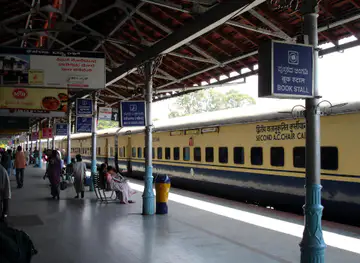


Swipe for more neighbourhoods
Explore more
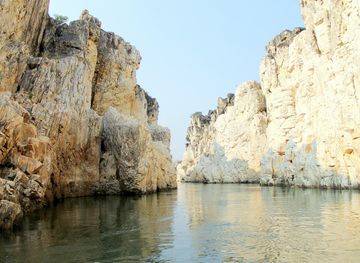
Explore more of Jabalpur
Jabalpur, India, pairs Gond heritage and Narmada landscapes with Marble Rocks, Dhuandhar Falls, forts, museums and lively local markets for visitors.
Explore Jabalpur