

Park Street Area (Kolkata) Travel Guide - Free
Explore Park Street Area in Kolkata with Evendo's free guide. Find the best shops, historic streets, restaurants, and gems on web or mobile.


Park Street Area in Kolkata blends colonial cemeteries, historic cafés, live music, nightlife, bookshops and Bengali dining in the city’s classic cultural quarter.
A Colonial Avenue Recast
Park Street is one of central Kolkata’s most recognisable urban corridors, running east from the Maidan towards the neighbourhoods around Park Circus. Its broad thoroughfare, mature trees, grand commercial buildings and enduring restaurant culture reflect several layers of the city’s colonial and cosmopolitan past. The name recalls the landscaped grounds once associated with Sir Elijah Impey, although the road was earlier known as Burial Ground Road because of the cemeteries established along its route. Today, the Park Street Area is less a quiet residential quarter than a dense cultural and commercial district, joined by nearby streets such as Russell Street, Free School Street and Camac Street.Read more about Park Street Area
Food, Music and Everyday Kolkata
Cemeteries, Books and Cultural Memory
Best attractions in Park Street Area
The Park Street Area offers a concentrated mixture of heritage, culture and urban entertainment. South Park Street Cemetery is its most distinctive historic attraction, with monumental tombs, inscriptions and tree-lined paths recalling colonial-era Calcutta. The Asiatic Society on Park Street introduces visitors to one of the city’s oldest scholarly institutions, while Oxford Bookstore provides a long-established literary stop on the avenue. Mother House, the headquarters and tomb of Mother Teresa, is nearby on A.J.C. Bose Road rather than directly on Park Street and can be included as a short extension. The avenue itself is an attraction for its historic restaurants, confectioners, cafés and evening lights, while Free School Street and the lanes around Russell Street reveal a less formal side of central Kolkata. The area rewards an itinerary that combines one heritage visit with time spent observing its restaurants, bookshops and street life.
-
Tourist attraction
Nature Study Park
Discover Nature Study Park in Kolkata: A serene escape with lush greenery and tranquil water bodies, ideal for relaxation and exploration.
10 min walk · 0.8 km from neighbourhood centre
-
Tourist attraction
Park Street
Explore the vibrant Park Street, Kolkata's culinary and cultural heart, filled with rich history, diverse cuisines, and vibrant nightlife.
12 min walk · 0.9 km from neighbourhood centre
-
Tourist attraction
I Love Kolkata
Discover the vibrant culture, delicious cuisine, and rich heritage of Kolkata at I Love Kolkata, a must-visit tourist attraction in the heart of the city.
14 min walk · 1.2 km from neighbourhood centre


Best landmarks in Park Street Area
South Park Street Cemetery is the Park Street Area’s most important physical landmark, its monumental tombs and inscriptions preserving the memory of eighteenth- and nineteenth-century colonial Calcutta within a leafy enclosure. The Asiatic Society’s Park Street building represents the neighbourhood’s scholarly and institutional heritage and remains a significant presence on the avenue. The Park Hotel is a later landmark of the area’s twentieth-century commercial and cultural identity, closely associated with the development of modern dining, music and nightlife in Kolkata. Historic names such as Flurys, Peter Cat and Mocambo are also part of the street’s social landscape, even though they are functioning businesses rather than monuments. The avenue’s mature trees, older façades, broad carriageway and adjoining cemeteries together form a readable urban record of how an outer colonial road became a central cultural and commercial thoroughfare.
-
Museum
Victoria Memorial
Explore the Victoria Memorial in Kolkata, a stunning museum and historic monument celebrating the city's colonial past and rich cultural heritage.
9 min walk · 0.7 km from neighbourhood centre
-
Park
Elliot Park
Discover tranquility in the heart of Kolkata at Elliot Park, a lush urban retreat perfect for relaxation and exploration.
5 min walk · 0.4 km from neighbourhood centre
-
Children's museum
Nehru Children's Museum
Discover global cultures and ignite creativity at Nehru Children's Museum, a delightful family-friendly attraction in Kolkata.
4 min walk · 0.3 km from neighbourhood centre
-
Cemetery
South Park Street Cemetery
Discover the haunting beauty and rich history of South Park Street Cemetery, a hidden gem in Kolkata that tells tales of the city's colonial past.
14 min walk · 1.1 km from neighbourhood centre


Explore Park Street Area on the map
A handpicked selection of must-see spots in Park Street Area, mapped for you.
Best hotels in Park Street Area
Best restaurants in Park Street Area
Eating is central to the identity of the Park Street Area, where Kolkata’s long-standing restaurant culture sits alongside cafés, bakeries and newer dining rooms. Historic establishments such as Peter Cat and Mocambo are associated with the avenue’s continental and Anglo-Indian-influenced dining tradition, while Flurys remains known for cakes, pastries, tea and an old-fashioned café atmosphere. The surrounding streets offer Bengali cooking, Indian regional food, Chinese-influenced Kolkata favourites, casual snacks and international menus, although the exact mix changes over time. Park Street is suited to several styles of outing: a formal meal, an afternoon coffee and pastry, or a late evening shared table. Independent cafés and bookshop-linked spaces add to the area’s literary and social character, while nearby Free School Street has a more informal, budget-conscious feel. The district’s culinary appeal lies as much in its history and rituals as in individual dishes.
-
Grill
Peter Cat
Experience the rich flavors of North Indian cuisine at Peter Cat, Kolkata's iconic restaurant famous for its delicious kebabs and inviting atmosphere.
12 min walk · 0.9 km from neighbourhood centre
-
Barbecue
Barbeque Nation- Park Street, Kolkata
Experience the ultimate barbecue feast at Barbeque Nation on Park Street, Kolkata - where flavors meet hospitality.
10 min walk · 0.8 km from neighbourhood centre
-
Continental restaurant
Mocambo Restaurant and Bar
Experience the flavors of Continental cuisine at Mocambo Restaurant and Bar in Kolkata - where tradition meets modernity in every dish.
13 min walk · 1.0 km from neighbourhood centre
-
Fine Dining
Marco Polo, Park Street
Discover culinary excellence at Marco Polo in Kolkata's Park Street - where fine dining meets diverse flavors from around the world.
11 min walk · 0.9 km from neighbourhood centre


Best bars in Park Street Area
After dark, Park Street becomes one of central Kolkata’s most established entertainment corridors, though its nightlife is concentrated in specific venues rather than spread evenly across every side street. The Park Hotel has long been associated with the area’s evening scene, including live music and club-oriented spaces such as Someplace Else, Roxy and Tantra, subject to changing programming and operation. Bars and lounges along the avenue attract diners continuing their evening, while restaurants provide a more relaxed alternative to dancing or live performance. The atmosphere is generally sociable and urban, with traffic, taxis and office crowds gradually giving way to dinner reservations and music venues. Visitors should check current arrangements directly, as performances, entry policies and venues can change. Nearby residential streets are quieter, so late-night noise and movement are best kept to the principal commercial areas.
-
Club
Carpe Diem
Experience the vibrant nightlife of Kolkata at Carpe Diem, a premier club and gastropub blending great food, drinks, and live entertainment.
11 min walk · 0.9 km from neighbourhood centre
-
Pub
The Lords and Barons
Experience the vibrant nightlife of Kolkata at The Lords and Barons, where great food and drinks meet a lively atmosphere in Park Street.
11 min walk · 0.9 km from neighbourhood centre
-
Bar
One Bottle Down
Discover the chic and vibrant One Bottle Down, Kolkata's premier bar for craft cocktails and an unforgettable nightlife experience.
6 min walk · 0.5 km from neighbourhood centre
-
Pub
Someplace Else, Kolkata, Park Street Area
Discover the heart of Kolkata's nightlife at Someplace Else, a premier pub offering great food, drinks, and live music in a lively atmosphere.
13 min walk · 1.1 km from neighbourhood centre


Best nightclubs in Park Street Area
After dark, Park Street becomes one of central Kolkata’s most established entertainment corridors, though its nightlife is concentrated in specific venues rather than spread evenly across every side street. The Park Hotel has long been associated with the area’s evening scene, including live music and club-oriented spaces such as Someplace Else, Roxy and Tantra, subject to changing programming and operation. Bars and lounges along the avenue attract diners continuing their evening, while restaurants provide a more relaxed alternative to dancing or live performance. The atmosphere is generally sociable and urban, with traffic, taxis and office crowds gradually giving way to dinner reservations and music venues. Visitors should check current arrangements directly, as performances, entry policies and venues can change. Nearby residential streets are quieter, so late-night noise and movement are best kept to the principal commercial areas.
-
Pub
Roxy
Experience the electrifying nightlife of Kolkata at Roxy, a premier pub and disco club that never sleeps.
13 min walk · 1.1 km from neighbourhood centre
-
Bar
One Bottle Down
Discover the vibrant nightlife of Kolkata at One Bottle Down, where exquisite cocktails and electrifying atmosphere create unforgettable experiences.
6 min walk · 0.5 km from neighbourhood centre
-
Disco club
Tantra
Discover Kolkata's nightlife at Tantra, a premier disco club and pub offering vibrant music, eclectic drinks, and an unforgettable party experience.
14 min walk · 1.1 km from neighbourhood centre
-
Night club
Someplace Else, Kolkata, Park Street Area
Experience Kolkata's vibrant nightlife at Someplace Else, a premier nightclub offering live music, delicious cuisine, and a lively atmosphere.
13 min walk · 1.1 km from neighbourhood centre


Best shops in Park Street Area
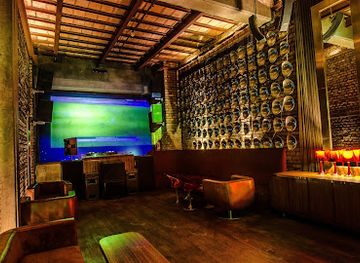
Shopping in the Park Street Area is more about books, food, specialist retail and browsing than about a single traditional bazaar. Oxford Bookstore is the best-known literary address on the avenue, while nearby streets contain smaller bookshops, stationery outlets, cafés and long-established everyday businesses. Park Street’s confectioners and bakeries are important retail stops for cakes, pastries and gifts, with Flurys among the area’s most recognisable names. Free School Street has a less formal mix of small shops and budget retail, while Camac Street, close by, is primarily a modern commercial and office district with branded stores and shopping complexes. Visitors interested in Kolkata’s older urban character may find the surrounding lanes more rewarding than the main road’s larger commercial façades. The area does not function like a craft market, so local shopping is best approached as a combination of books, edible specialities, cafés and independent urban retail.
-
Shopping mall
Vardaan Market.
Experience the vibrant shopping culture of Kolkata at Vardaan Market, where unique boutiques and local delights await every visitor.
8 min walk · 0.6 km from neighbourhood centre
-
Variety store
MUMUSO - Park Street, Karnani Mansion
Explore MUMUSO - Park Street, a vibrant variety store in Kolkata offering unique gifts, trendy accessories, and stylish decor items in a charming setting.
13 min walk · 1.0 km from neighbourhood centre
-
Shopping mall
Baazar Kolkata - Park Street
Explore the vibrant Baazar Kolkata - Park Street, a shopping and dining paradise that showcases the essence of Kolkata's culture and lifestyle.
14 min walk · 1.1 km from neighbourhood centre
-
Women's clothing store
Rangoli Park Street
Discover unique women's fashion at Rangoli Park Street in Kolkata, featuring casual, designer, and traditional attire including exquisite sarees.
12 min walk · 1.0 km from neighbourhood centre


Park Street Area essentials
Getting There
Getting Around
Safety
Emergency Situations
Do's and Don'ts
Local Tips

From Eve
Local phrases worth knowing
You don't need to get them perfect. A few words go a long way, and locals appreciate the effort.
Basics
| English | Local | Say it |
|---|---|---|
| Hello | नमस्ते | [namaste] |
| Goodbye | अलविदा | [alvida] |
| Yes | हाँ | [haan] |
| No | नहीं | [nahin] |
| Please/You're welcome | कृपया | [krupaya] |
| Thank you | धन्यवाद | [dhanyavaad] |
| Excuse me/Sorry | माफ़ कीजिए/क्षमा कीजिए | [maaf keejiye/kshama keejiye] |
| How are you? | कैसे हो? | [kaise ho?] |
| Fine. And you? | ठीक हूँ। और तुम? | [thik hoon. aur tum?] |
| Do you speak English? | क्या आप अंग्रेज़ी बोलते हैं? | [kya aap angrezi bolte hain?] |
| I don't understand | मुझे समझ में नहीं आया | [mujhe samajh mein nahi aaya] |
Eating & Drinking
| English | Local | Say it |
|---|---|---|
| I'd like to see the menu, please | कृपया मेनू दिखाएं | [krupaya menu dikhayein] |
| I don't eat meat | मैं मांस नहीं खाता/खाती | [main maans nahi khaata/khaati] |
| Cheers! | चियर्स! | [cheers!] |
| I would like to pay, please | कृपया मैं भुगतान करना चाहूँ | [krupaya main bhugataan karna chaahoon] |
Emergencies
| English | Local | Say it |
|---|---|---|
| Help! | मदद! | [madad!] |
| Go away! | चले जाइए! | [chale jaaiye!] |
| Call the Police! | पुलिस को बुलाइए! | [police ko bulaaiye!] |
| Call a doctor! | डॉक्टर को बुलाइए! | [doctor ko bulaaiye!] |
| I'm lost | मैं खो गया/गई हूँ | [main kho gaya/gayi hoon] |
| I'm ill | मुझे बीमारी है | [mujhe beemari hai] |
Shopping
| English | Local | Say it |
|---|---|---|
| I'd like to buy... | मुझे ... खरीदना है | [mujhe ... khareedna hai] |
| I'm just looking | मैं बस देख रहा/रही हूँ | [main bas dekh raha/rahi hoon] |
| How much is it? | यह कितने का है? | [yah kitne ka hai?] |
| That's too expensive | यह बहुत महंगा है | [yah bahut mahanga hai] |
| Can you lower the price? | क्या आप कीमत कम कर सकते हैं? | [kya aap keemat kam kar sakte hain?] |
Time & Numbers
| English | Local | Say it |
|---|---|---|
| What time is it? | अब कितने बजे हैं? | [ab kitne baje hain?] |
| It's one o'clock | एक बज रहा/रही है | [ek baj raha/rahi hai] |
| Half past (10) | दस बजे तक मिनट | [das baje tak minute] |
| Morning | सुबह | [subah] |
| Afternoon | दोपहर | [dopahar] |
| Evening | शाम | [shaam] |
| Yesterday | कल | [kal] |
| Today | आज | [aaj] |
| Tomorrow | कल | [kal] |
| 1 | एक | [ek] |
| 2 | दो | [do] |
| 3 | तीन | [teen] |
| 4 | चार | [chaar] |
| 5 | पाँच | [paanch] |
| 6 | छह | [chhah] |
| 7 | सात | [saat] |
| 8 | आठ | [aath] |
| 9 | नौ | [nau] |
| 10 | दस | [das] |
Transport & Directions
| English | Local | Say it |
|---|---|---|
| Where's a/the...? | ... कहाँ है? | [... kahan hai?] |
| What's the address? | पता क्या है? | [pata kya hai?] |
| Can you show me (on the map)? | क्या आप मुझे दिखा सकते हैं (नक्शे पर)? | [kya aap mujhe dikha sakte hain (naksha par)?] |
| When's the next (bus)? | अगली (बस) कब है? | [agli (bas) kab hai?] |
| A ticket (to ....) | एक टिकट (.... के लिए) | [ek ticket (.... ke liye)] |
History of Park Street Area
From Burial Ground Road to Park Street
The road now known as Park Street developed beyond the older limits of Calcutta and was historically called Burial Ground Road because several European cemeteries stood along or near its route. Its later name is associated with the garden grounds of Sir Elijah Impey, the first Chief Justice of the Supreme Court at Fort William. The avenue’s relationship with burial grounds remains visible in the South Park Street Cemetery, while the changing name reflects the area’s transition from an outer colonial road into a major urban thoroughfare.
Cemeteries and Colonial Calcutta
The South Park Street Cemetery, opened in 1767, was created when older burial grounds near the densely settled European quarter became unsuitable. Its large monuments, tropical vegetation and inscriptions record the high mortality of eighteenth- and early nineteenth-century Calcutta, when disease and climate posed serious challenges to newcomers. Nearby North Park Street Cemetery and other burial grounds formed part of a wider funerary landscape. As the city expanded, the cemeteries became enclosed historical spaces within an increasingly commercial district rather than places on its rural edge.
An Avenue of Institutions and Commerce
During the nineteenth and twentieth centuries, Park Street became associated with European businesses, clubs, offices, educational and cultural institutions, and the social life of Calcutta’s colonial and post-colonial middle classes. The Asiatic Society, founded in 1784 elsewhere in the city before moving to its present Park Street building in the nineteenth century, reinforced the avenue’s scholarly identity. Restaurants, confectioners and entertainment venues later made the street a prominent destination for dining and socialising, while surrounding roads developed complementary commercial roles.
Post-Independence Cultural Renown
After Indian independence, Park Street retained its reputation as a meeting place for Kolkata’s diverse urban communities rather than becoming merely a colonial relic. Restaurants such as Mocambo and Peter Cat, along with confectioners including Flurys, helped preserve and reinterpret the city’s continental, Anglo-Indian and Bengali-influenced dining traditions. The Park Hotel’s restaurants, bars and music venues strengthened the area’s evening identity from the later twentieth century. This mixture of food, music, books and nightlife continues to distinguish Park Street from more purely commercial streets in central Kolkata.
Park Street Area in Photos
Browse through our photo collection highlighting the charm and character of the destination.
Neighbourhoods near Park Street Area
The closest neighbourhoods to Park Street Area, if you have time for more than one stop.
-

-
-

-


Swipe for more neighbourhoods
Explore more

Explore more of Kolkata
Kolkata blends colonial avenues, Bengali literature, riverside ghats, grand festivals and distinctive street food with museums, markets and living culture.
Explore Kolkata