

Juhu (Mumbai) Travel Guide - Free
Explore Juhu in Mumbai with Evendo's free guide. Find the best shops, historic streets, restaurants, and gems on web or mobile.


Juhu, Mumbai blends Arabian Sea sunsets, street food, Prithvi Theatre, ISKCON culture, film history, beach walks and memorable coastal dining.
Seafront Character
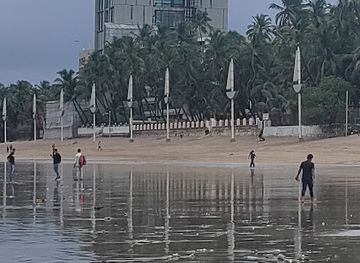
\n\nJuhu occupies a broad stretch of Mumbai’s western coastline, where the Arabian Sea, apartment-lined lanes and one of the city’s best-known beaches create a distinctly open sense of space. Juhu Beach is less a conventional swimming beach than a social promenade: families come for sunset, children watch the water from the sand, and food stalls serve pav bhaji, bhel puri, pani puri and roasted corn. The shoreline is an everyday gathering place rather than a polished resort, and its appearance changes with the tide, monsoon weather and evening crowds.\n\nCulture and Creative Life
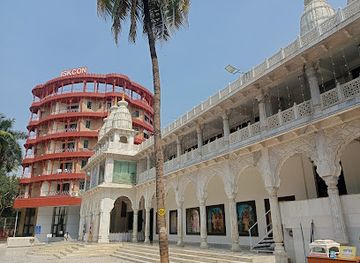
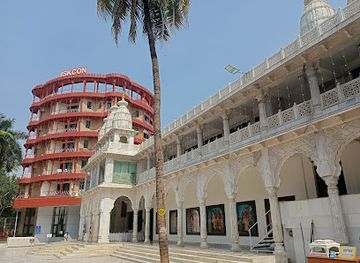
\n\nAway from the beach, Juhu’s character is shaped by temples, theatres, hotels, restaurants and the long association between the area and Mumbai’s Hindi-film industry. The Prithvi Theatre in Janki Kutir is a major cultural presence, hosting performances in an intimate setting and supporting the city’s theatre-going tradition. The ISKCON temple on Juhu Road adds a prominent spiritual and architectural landmark, while quieter residential lanes lead towards villas, apartment blocks and gated compounds. Juhu is also close to the city’s film studios and production offices, although the neighbourhood is better experienced through its public spaces than through expectations of celebrity sightings.\n\nStreets, Food and Everyday Mumbai
\n\nJuhu’s dining scene ranges from long-established vegetarian restaurants and seafood houses to hotel restaurants, cafés and street food around the beach. It is a neighbourhood for combining an unhurried coastal walk with a theatre performance, temple visit or meal, although traffic can make short road journeys slow. The nearby Vile Parle and Santacruz transport corridors provide practical connections to the rest of Mumbai, while Juhu itself rewards exploration on foot in short, carefully chosen stretches. Its appeal lies in this mixture of public beach life, cultural institutions, spiritual activity and affluent residential Mumbai.Best attractions in Juhu
Juhu Beach is the neighbourhood’s defining public attraction, offering a broad Arabian Sea frontage, sunset views and an informal promenade of snack stalls rather than a conventional resort environment. The beach is most atmospheric when local families, walkers and food-seekers gather in the early evening, although litter, mud and rough water can affect the experience. The ISKCON temple on Juhu Road is another major draw, combining devotional activity with a prominent complex that welcomes visitors subject to its current guidance. Prithvi Theatre in Janki Kutir offers a more intimate cultural experience through its programme of plays and performances. Juhu’s streets also provide a glimpse of suburban Mumbai’s contrasting landscapes: old residential lanes, hotel-lined roads, film-industry associations, busy food corridors and the open edge of the coast. Juhu Aerodrome adds an aviation landmark to the neighbourhood’s otherwise strongly seaside identity.
-
Tourist attraction
ISKCON Mandir - Juhu
Discover the serene beauty and spiritual richness of ISKCON Mandir, a must-visit destination in Juhu, Mumbai for peace and devotion.
18 min walk · 1.4 km from neighbourhood centre
-
Tourist attraction
जुहू चौपाटी
Explore Juhu Chowpatty: Mumbai's iconic beach destination for sun, sand, and scrumptious street food delights.
3 min walk · 0.2 km from neighbourhood centre
-
Tourist attraction
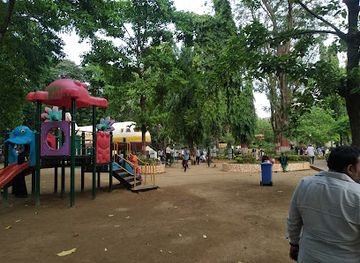
Lions Juhu Children's Municipal Park
Explore the lush landscapes and family-friendly attractions at Lions Juhu Children's Municipal Park, a serene escape in the heart of Mumbai.
6 min drive · 2.0 km from neighbourhood centre
-
Tourist attraction
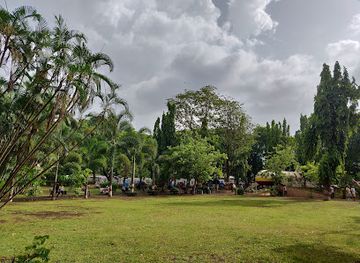
Juhu Garden
Explore the tranquil beauty of Juhu Garden, a lush oasis in Mumbai perfect for relaxation, family outings, and stunning sunset views.
6 min drive · 2.0 km from neighbourhood centre
Best landmarks in Juhu
Juhu Beach is both a geographical marker and a social landmark, defining the western edge of the neighbourhood and preserving the public coastal character that existed before modern development. The ISKCON temple on Juhu Road is a prominent religious complex and an important part of contemporary Juhu’s spiritual and architectural identity. Prithvi Theatre in Janki Kutir is significant not for monumental scale but for its enduring role in Mumbai’s Hindi and English theatre culture and its association with the Kapoor family’s theatrical legacy. Juhu Aerodrome, established in 1928, records the area’s early aviation history and remains a distinctive piece of infrastructure within the urban fabric. Juhu Church and the surrounding residential lanes add further local reference points, while Juhu’s surviving bungalows and apartment-lined roads illustrate the transition from coastal settlement and suburban planning to densely developed metropolitan neighbourhood.
-
Beach
Juhu Beach
Experience the vibrant atmosphere of Juhu Beach in Mumbai, where sun, food, and culture come together on India's iconic coastline.
4 min walk · 0.3 km from neighbourhood centre
-
Hindu temple
ISKCON Mandir - Juhu
Explore ISKCON Mandir in Juhu, a spiritual sanctuary with stunning architecture, vibrant festivities, and a taste of Hindu culture in the heart of Mumbai.
18 min walk · 1.4 km from neighbourhood centre
-
Hotel
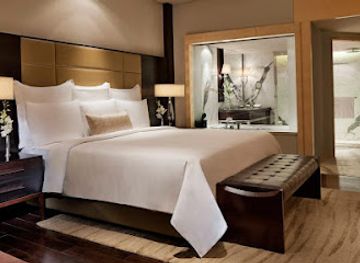
JW Marriott Mumbai Juhu
Discover unparalleled luxury and stunning ocean views at JW Marriott Mumbai Juhu, your perfect getaway in the heart of Mumbai.
3 min walk · 0.2 km from neighbourhood centre
-
Performing arts theater
Prithvi Theatre
Experience the magic of live performances at Prithvi Theatre, Mumbai's iconic venue for the performing arts.
8 min walk · 0.7 km from neighbourhood centre


Explore Juhu on the map
A handpicked selection of must-see spots in Juhu, mapped for you.
Best hotels in Juhu
Best restaurants in Juhu
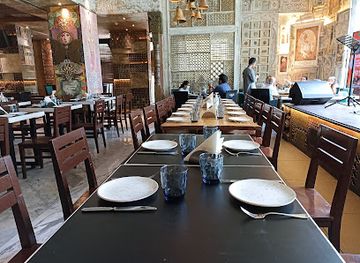
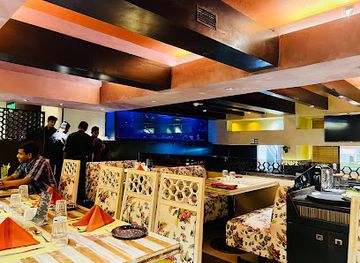
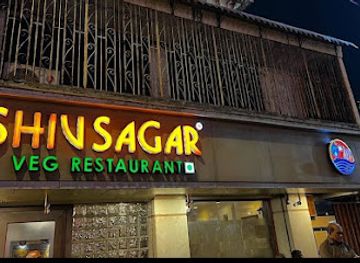
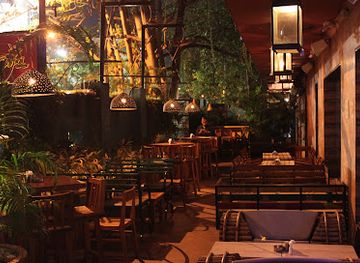
Juhu’s food culture is unusually broad for a coastal residential neighbourhood, moving from pav bhaji, bhel puri, pani puri and roasted corn around the beach to established vegetarian restaurants, seafood houses, cafés and hotel dining rooms inland. The area is particularly associated with the city’s Gujarati and cosmopolitan vegetarian dining traditions, while seafood restaurants reflect Mumbai’s wider coastal identity. Long-established names such as Shiv Sagar and Mahesh Lunch Home sit within a wider scene that includes casual snack counters, bakeries and contemporary restaurants around Juhu Tara Road and the hotel district. The Prithvi Theatre café is closely connected with the neighbourhood’s theatre-going culture, providing a relaxed meeting place before or after performances. Hygiene standards and preparation methods can vary among informal stalls, so visitors should choose busy vendors with strong local custom and carry hand sanitiser for beach-side snacking.
-
Restaurant
Razzberry Rhinoceros
Experience Mumbai's vibrant culinary scene at Razzberry Rhinoceros - where exquisite cuisine meets lively ambiance.
4 min walk · 0.4 km from neighbourhood centre
-
Indian
Tanatan Juhu - Kitchen & Bar
Experience the best of Indian cuisine at Tanatan Juhu - Kitchen & Bar in Mumbai with exquisite dishes and a lively atmosphere.
13 min walk · 1.0 km from neighbourhood centre
-
Seafood
Mahesh Lunch Home - Seafood Specialty Restaurant (Juhu)
Experience authentic Indian seafood at Mahesh Lunch Home in Juhu – where every dish tells a story of coastal flavors.
5 min walk · 0.4 km from neighbourhood centre
-
Vegetarian
Shiv Sagar Restaurant
Experience delectable vegetarian cuisine at Shiv Sagar Restaurant near Juhu Beach – a perfect blend of taste and ambiance.
3 min walk · 0.2 km from neighbourhood centre
Best bars in Juhu
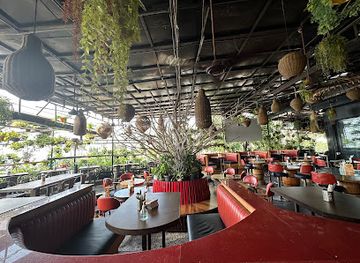
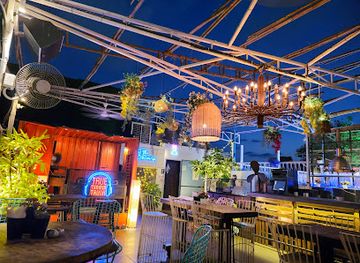
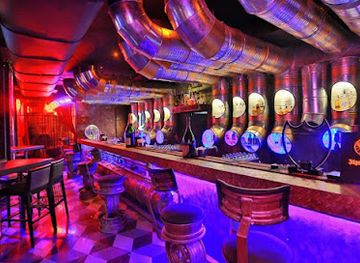
Juhu’s nightlife is more hotel-based and social than club-district driven. After dark, restaurants, hotel lounges and bars around the beach and Juhu Tara Road attract diners, visitors and Mumbai residents, while venues in properties such as JW Marriott Mumbai Juhu and Novotel Mumbai Juhu Beach provide established settings for drinks and evening dining, subject to current programming and access policies. The area’s cultural nightlife is represented by Prithvi Theatre, where a performance can shape an evening without the intensity of a large nightclub. Juhu Beach itself remains active in the early evening through food stalls and family groups, but it is not a substitute for a formal late-night entertainment venue. Because road traffic and local residential streets become important considerations after dark, arrange return transport in advance and keep noise low near apartment buildings and homes.
-
Restaurant
Razzberry Rhinoceros
Discover the vibrant dining experience at Razzberry Rhinoceros, where exquisite flavors and a lively lounge atmosphere await in bustling Juhu, Mumbai.
4 min walk · 0.4 km from neighbourhood centre
-
Bar
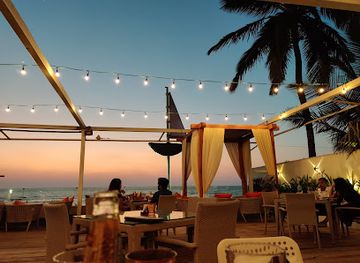
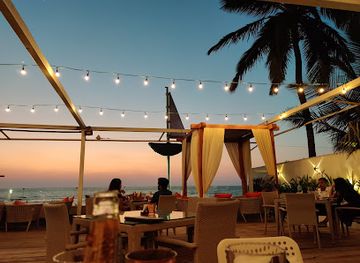
BORA BORA
Experience the vibrant nightlife and stunning sunsets at Bora Bora, Mumbai's premier beachfront bar and restaurant, where delicious cuisine meets lively ambiance.
3 min walk · 0.2 km from neighbourhood centre
-
Bar
True Tramm Trunk
Discover the vibrant nightlife at True Tramm Trunk, a premier bar in Juhu, Mumbai, featuring live music, eclectic drinks, and a lively atmosphere.
9 min walk · 0.7 km from neighbourhood centre
-
Lounge
Yeda Republic
Discover the lively spirit of Yeda Republic, a unique lounge in Juhu, Mumbai, blending fantastic cuisine with vibrant nightlife.
13 min walk · 1.0 km from neighbourhood centre
Best nightclubs in Juhu
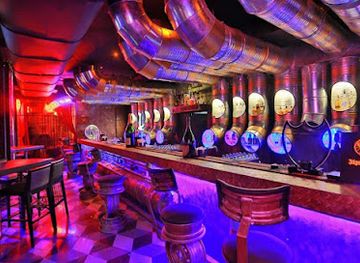
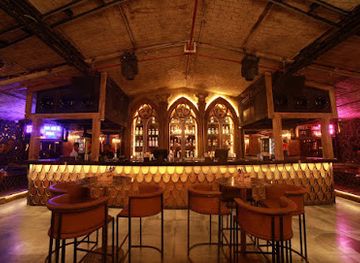
Juhu’s nightlife is more hotel-based and social than club-district driven. After dark, restaurants, hotel lounges and bars around the beach and Juhu Tara Road attract diners, visitors and Mumbai residents, while venues in properties such as JW Marriott Mumbai Juhu and Novotel Mumbai Juhu Beach provide established settings for drinks and evening dining, subject to current programming and access policies. The area’s cultural nightlife is represented by Prithvi Theatre, where a performance can shape an evening without the intensity of a large nightclub. Juhu Beach itself remains active in the early evening through food stalls and family groups, but it is not a substitute for a formal late-night entertainment venue. Because road traffic and local residential streets become important considerations after dark, arrange return transport in advance and keep noise low near apartment buildings and homes.
-
Bar
True Tramm Trunk
Dive into the lively spirit of Mumbai at True Tramm Trunk, where live music and vibrant nightlife come together for an unforgettable experience.
9 min walk · 0.7 km from neighbourhood centre
-
Lounge
Yeda Republic
Experience the vibrant nightlife of Mumbai at Yeda Republic, a chic lounge offering exquisite dining and electrifying entertainment.
13 min walk · 1.0 km from neighbourhood centre
-
Lounge
R Adda
Experience the vibrant nightlife at R Adda, a premier lounge in Juhu, Mumbai, with innovative cocktails and live music.
13 min walk · 1.0 km from neighbourhood centre
-
Lounge
Copa
Experience the vibrant nightlife of Mumbai at Copa, a stylish lounge in Juhu offering great food, drinks, and live entertainment.
14 min walk · 1.1 km from neighbourhood centre

Best shops in Juhu
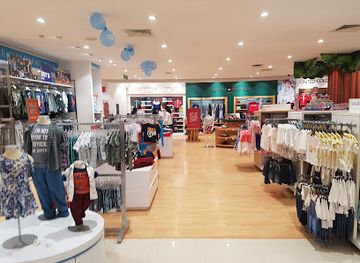
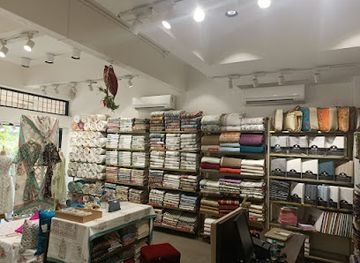
Shopping in Juhu is primarily local and practical rather than concentrated in a single grand retail district. Juhu Market and the surrounding streets serve everyday needs with produce, household goods, small retailers and informal stalls, while roads near Juhu Tara Road offer boutiques, salons, cafés and specialist businesses aimed at the neighbourhood’s affluent residential population. Visitors will find more character in browsing food counters, bakeries and independent shops than in searching for a large craft market or traditional bazaar. The area’s film and theatre associations sometimes appear in design-led retail and cultural merchandise, though stock varies and should not be assumed. For broader mall shopping, visitors generally travel beyond Juhu to major commercial centres in nearby western suburbs; within Juhu, the appeal lies in observing ordinary suburban commerce alongside beach snacks and restaurant culture.
-
Department store
Shoppers Stop
Discover a shopper's paradise at Shoppers Stop, offering an extensive range of fashion, accessories, and beauty products in Mumbai's vibrant Dynamix Mall.
5 min drive · 1.6 km from neighbourhood centre
-
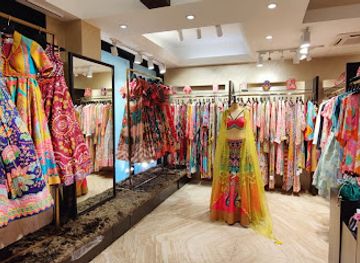
Designer Clothing Store
Pernia’s Pop-Up Shop, Juhu, Mumbai
Discover the essence of Indian haute couture at Pernia’s Pop-Up Shop, a premier designer clothing store in Juhu, Mumbai, offering exquisite bridal and fashion collections.
19 min walk · 1.5 km from neighbourhood centre
-
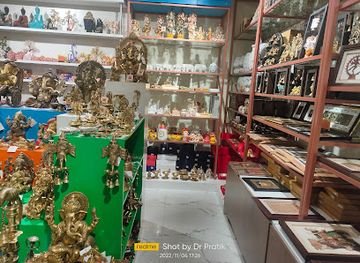
Gift shop
The Bombay Store - Juhu, Vile Parle, Mumbai
Explore The Bombay Store in Mumbai for exquisite handicrafts and unique gifts that showcase India's rich cultural heritage.
5 min drive · 1.7 km from neighbourhood centre
-
Boutique
Shahenaz - Juhu Mumbai
Explore Shahenaz in Juhu Mumbai for unique home improvement items and exquisite decor that reflect local artistry and culture.
11 min walk · 0.9 km from neighbourhood centre
Juhu essentials
Getting There
Getting Around
Safety
Emergency Situations
Do's and Don'ts
Local Tips

From Eve
Local phrases worth knowing
You don't need to get them perfect. A few words go a long way, and locals appreciate the effort.
Basics
| English | Local | Say it |
|---|---|---|
| Hello | नमस्ते | [Namaste] |
| Goodbye | अलविदा | [Alvida] |
| Yes | हाँ | [Haan] |
| No | नहीं | [Nahi] |
| Please/You're welcome | कृपया | [Kripya] |
| Thank you | धन्यवाद | [Dhanyavaad] |
| Excuse me/Sorry | माफ़ कीजिए | [Maaf kijiye] |
| How are you? | आप कैसे हैं? | [Aap kaise hain?] |
| Fine. And you? | ठीक हूँ। आप? | [Theek hoon. Aap?] |
| Do you speak English? | क्या आप अंग्रेज़ी बोलते हैं? | [Kya aap angrezi bolte hain?] |
| I don't understand | मुझे समझ में नहीं आया | [Mujhe samajh mein nahi aaya] |
Eating & Drinking
| English | Local | Say it |
|---|---|---|
| I'd like to see the menu, please | कृपया मेनू दिखाना | [Kripya menu dikhana] |
| I don't eat meat | मैं मांस नहीं खाता | [Main maans nahi khata] |
| Cheers! | चियर्स! | [Cheers!] |
| I would like to pay, please | कृपया मैं भुगतान करना चाहूँ | [Kripya main bhugtan karna chaahoon] |
Emergencies
| English | Local | Say it |
|---|---|---|
| Help! | बचाओ! | [Bachao!] |
| Go away! | चले जाओ! | [Chale jao!] |
| Call the Police! | पुलिस को बुलाओ! | [Police ko bulaao!] |
| Call a doctor! | डॉक्टर को बुलाओ! | [Doctor ko bulaao!] |
| I'm lost | मैं खो गया हूँ | [Main kho gaya hoon] |
| I'm ill | मुझे बीमारी है | [Mujhe bimari hai] |
Shopping
| English | Local | Say it |
|---|---|---|
| I'd like to buy... | मुझे खरीदना है... | [Mujhe khareedna hai...] |
| I'm just looking | मैं बस देख रहा हूँ | [Main bas dekh raha hoon] |
| How much is it? | यह कितने का है? | [Yeh kitne ka hai?] |
| That's too expensive | यह बहुत महंगा है | [Yeh bahut mehnga hai] |
| Can you lower the price? | क्या आप कीमत कम कर सकते हैं? | [Kya aap keemat kam kar sakte hain?] |
Time & Numbers
| English | Local | Say it |
|---|---|---|
| What time is it? | अभी कितने बजे हैं? | [Abhi kitne baje hain?] |
| It's one o'clock | एक बजे हैं | [Ek baje hain] |
| Half past (10) | दस बजे बारह बजे के बीच | [Das baje barah baje ke beech] |
| Morning | सुबह | [Subah] |
| Afternoon | दोपहर | [Dopahar] |
| Evening | शाम | [Shaam] |
| Yesterday | कल | [Kal] |
| Today | आज | [Aaj] |
| Tomorrow | कल | [Kal] |
| 1 | एक | [Ek] |
| 2 | दो | [Do] |
| 3 | तीन | [Teen] |
| 4 | चार | [Char] |
| 5 | पांच | [Paanch] |
| 6 | छह | [Chhah] |
| 7 | सात | [Saath] |
| 8 | आठ | [Aath] |
| 9 | नौ | [Nau] |
| 10 | दस | [Das] |
Transport & Directions
| English | Local | Say it |
|---|---|---|
| Where's a/the...? | कहाँ है...? | [Kahan hai...?] |
| What's the address? | पता क्या है? | [Pata kya hai?] |
| Can you show me (on the map)? | क्या आप मुझे दिखा सकते हैं (नक्शे पर)? | [Kya aap mujhe dikha sakte hain (naksha par)?] |
| When's the next (bus)? | अगली (बस) कब है? | [Agli (bus) kab hai?] |
| A ticket (to ....) | एक टिकट (.... के लिए) | [Ek ticket (.... ke liye)] |
History of Juhu
From Salsette Island to Coastal Settlement
Juhu developed on the western side of Salsette Island, historically a low-lying coastal landscape separated from Bombay Island by creeks and tidal waters. Its early character was shaped by fishing, coconut groves, village settlement and agricultural land rather than dense urban construction. As Bombay expanded northwards during the nineteenth and early twentieth centuries, improved transport and land reclamation gradually drew the area into the metropolitan orbit. The name Juhu is also associated with Juhu Tara, the coastal district’s historic local identity, although modern Juhu is a much more urbanised area than the village and shoreline landscape represented in older descriptions.
The Airfield and Planned Expansion
Juhu’s transformation accelerated during the twentieth century as roads, suburban rail connections in neighbouring Vile Parle and Santacruz, and planned residential development made the western suburbs more accessible. The Juhu Aerodrome, established in 1928, became an important early aviation site for Bombay and remains a conspicuous part of the neighbourhood’s geography, although it no longer functions as the city’s principal commercial airport. Residential estates, hotels and public-facing businesses expanded around the coastal road and inland corridors, linking Juhu’s older village and beach landscape with the growing suburban city.
Temple, Theatre and Film-City Associations
Post-independence Juhu acquired the cultural profile that visitors recognise today. The area became associated with film-industry professionals, production networks and prominent residences, while new hotels, restaurants and apartment developments strengthened its connection with Mumbai’s public culture. The Prithvi Theatre, founded in 1978 in memory of actor Prithviraj Kapoor, gave Juhu a lasting place in the city’s theatre life. The ISKCON temple complex, also established in the late 1970s, added a major religious and architectural landmark. Together, these institutions helped make Juhu more than a residential suburb, giving it a visible role in Mumbai’s cultural landscape.
Contemporary Coastal Neighbourhood
In recent decades, Juhu has balanced redevelopment with the enduring presence of its beach, airfield and institutional landmarks. Older bungalows and low-rise properties have increasingly stood alongside apartment buildings, hotels, restaurants and commercial premises, reflecting wider changes in Mumbai’s western suburbs. Juhu Beach remains a public gathering place for residents and visitors, while the theatre, temple and food scene continue to draw audiences for different reasons. The neighbourhood’s current identity therefore rests on coexistence: a heavily urbanised coastal district that still retains traces of village geography, public seaside life and the cultural associations built during its twentieth-century expansion.
Juhu in Photos
Browse through our photo collection highlighting the charm and character of the destination.
Neighbourhoods near Juhu
The closest neighbourhoods to Juhu, if you have time for more than one stop.
-

-

-

-


Swipe for more neighbourhoods
Explore more

Explore more of Mumbai
Mumbai, India, blends colonial landmarks, Bollywood energy, coastal promenades, grand markets and neighbourhood cuisines into a layered urban journey.
Explore Mumbai