

Dolphin's Nose (Visakhapatnam) Travel Guide - Free
Explore Dolphin's Nose in Visakhapatnam with Evendo's free guide. Find the best shops, historic streets, restaurants, and gems on web or mobile.


Dolphin's Nose in Visakhapatnam offers harbour views, maritime history and nearby Yarada Beach, with lighthouse vistas and coastal walks beyond the city centre.
A Headland Above the Harbour
Dolphin's Nose is less a conventional neighbourhood than a dramatic coastal headland defining the southern side of Visakhapatnam's harbour. Its rocky profile, traditionally said to resemble a dolphin's snout, rises above the Bay of Bengal and has long served as one of the city's most recognisable geographic markers. The promontory looks across the working harbour, shipping approaches and the sweep of the coast, giving visitors a very different perspective from the open beachfronts of central Visakhapatnam.Read more about Dolphin's Nose
Maritime Character and Restricted Edges
Coastal Excursions Nearby
Explore Dolphin's Nose on the map
A handpicked selection of must-see spots in Dolphin's Nose, mapped for you.
Best hotels in Dolphin's Nose
Dolphin's Nose essentials
Getting There
Getting Around
Safety
Emergency Situations
Do's and Don'ts
Local Tips

From Eve
Local phrases worth knowing
You don't need to get them perfect. A few words go a long way, and locals appreciate the effort.
Basics
| English | Local | Say it |
|---|---|---|
| Hello | नमस्कार | [Namaskar] |
| Goodbye | अलविदा | [Alvida] |
| Yes | हाँ | [Haan] |
| No | नहीं | [Nahi] |
| Please/You're welcome | कृपया | [Kripaya] |
| Thank you | धन्यवाद | [Dhanyavad] |
| Excuse me/Sorry | क्षमा करें | [Kshama karein] |
| How are you? | आप कैसे हैं? | [Aap kaise hain?] |
| Fine. And you? | ठीक हूं। आप? | [Theek hoon. Aap?] |
| Do you speak English? | क्या आप अंग्रेज़ी बोलते हैं? | [Kya aap angrezi bolte hain?] |
| I don't understand | मुझे समझ में नहीं आया | [Mujhe samajh mein nahi aaya] |
Eating & Drinking
| English | Local | Say it |
|---|---|---|
| I'd like to see the menu, please | कृपया मेन्यू दिखाएं | [Kripaya menu dikhayein] |
| I don't eat meat | मैं मांस नहीं खाता | [Main maans nahi khaata] |
| Cheers! | चियर्स! | [Cheers!] |
| I would like to pay, please | कृपया मैं भुगतान करना चाहूँ | [Kripaya main bhugtan karna chaahoon] |
Emergencies
| English | Local | Say it |
|---|---|---|
| Help! | मदद! | [Madad!] |
| Go away! | जाओ! | [Jao!] |
| Call the Police! | पुलिस को बुलाओ! | [Police ko bulaao!] |
| Call a doctor! | डॉक्टर को बुलाओ! | [Doctor ko bulaao!] |
| I'm lost | मैं खो गया हूँ | [Main kho gaya hoon] |
| I'm ill | मुझे बीमारी है | [Mujhe bimari hai] |
Shopping
| English | Local | Say it |
|---|---|---|
| I'd like to buy... | मैं खरीदना चाहूँगा... | [Main khareedna chaahoonga...] |
| I'm just looking | मैं सिर्फ देख रहा हूँ | [Main sirf dekh raha hoon] |
| How much is it? | यह कितने का है? | [Yeh kitne ka hai?] |
| That's too expensive | यह बहुत महंगा है | [Yeh bahut mehnga hai] |
| Can you lower the price? | क्या आप कीमत कम कर सकते हैं? | [Kya aap keemat kam kar sakte hain?] |
Time & Numbers
| English | Local | Say it |
|---|---|---|
| What time is it? | अभी कितने बजे हैं? | [Abhi kitne baje hain?] |
| It's one o'clock | एक बजे है | [Ek baje hai] |
| Half past (10) | दस बजे के बाद आधे घंटे | [Das baje ke baad aadhe ghante] |
| Morning | सुबह | [Subah] |
| Afternoon | दोपहर | [Dopahar] |
| Evening | शाम | [Shaam] |
| Yesterday | कल | [Kal] |
| Today | आज | [Aaj] |
| Tomorrow | कल | [Kal] |
| 1 | एक | [Ek] |
| 2 | दो | [Do] |
| 3 | तीन | [Teen] |
| 4 | चार | [Char] |
| 5 | पांच | [Paanch] |
| 6 | छह | [Chheh] |
| 7 | सात | [Saath] |
| 8 | आठ | [Aath] |
| 9 | नौ | [Nau] |
| 10 | दस | [Das] |
Transport & Directions
| English | Local | Say it |
|---|---|---|
| Where's a/the...? | एक/यहाँ... कहाँ है? | [Ek/Yahaan... kahaan hai?] |
| What's the address? | पता क्या है? | [Pata kya hai?] |
| Can you show me (on the map)? | क्या आप मुझे दिखा सकते हैं (नक्शे पर)? | [Kya aap mujhe dikhha sakte hain (nakshay par)?] |
| When's the next (bus)? | अगली (बस) कब है? | [Agli (bus) kab hai?] |
| A ticket (to ....) | एक टिकट (.... के लिए) | [Ek ticket (.... ke liye)] |
History of Dolphin's Nose
A Natural Maritime Landmark
Dolphin's Nose developed first as a natural feature of the coast rather than as a planned urban quarter. Its projecting rock and elevated position made it a conspicuous point for ships approaching the bay and the sheltered waters of Visakhapatnam. The name reflects the headland's characteristic outline when viewed from the sea. Before modern port infrastructure transformed the shoreline, the promontory belonged to a rugged coastal landscape closely connected with fishing, seafaring and the small settlements spread around the harbour.
Colonial Navigation and Defence
During the colonial period, the headland acquired greater strategic importance as Visakhapatnam became more closely connected to maritime trade and imperial defence. Lighthouse infrastructure was developed on the promontory to assist navigation along a coast where reefs, headlands and changing weather complicated coastal passage. The elevated ground also offered a commanding view of the harbour approaches, helping explain the presence of restricted military and port-related facilities that still influence how the area can be visited today.
Port Growth and Coastal Transformation
The expansion of Visakhapatnam's modern port and associated industries gradually changed the relationship between Dolphin's Nose and the surrounding coast. Working roads, harbour installations and defence facilities came to occupy much of the accessible landscape, while nearby settlements remained connected to fishing, transport and port employment. The headland consequently retained a dual identity: a celebrated symbol in the city's coastal image and a functioning maritime environment rather than a fully open recreational precinct.
A Contemporary Coastal Outlook
Today Dolphin's Nose remains important less for a dense collection of monuments than for the way it explains Visakhapatnam's geography and economic history. Views from permitted points reveal the relationship between the natural harbour, industrial shoreline and open Bay of Bengal, while the road towards Yarada connects the headland with a less urban stretch of coast. Visitor interest has grown alongside Visakhapatnam's wider coastal tourism, but port security and defence requirements continue to shape access and local experience.
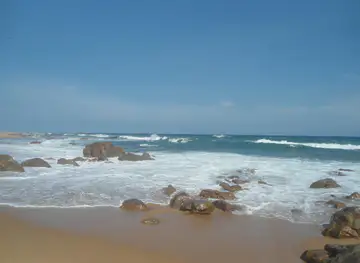
Dolphin's Nose in Photos
Browse through our photo collection highlighting the charm and character of the destination.
Neighbourhoods near Dolphin's Nose
The closest neighbourhoods to Dolphin's Nose, if you have time for more than one stop.
-
-

-

-


Swipe for more neighbourhoods
Explore more
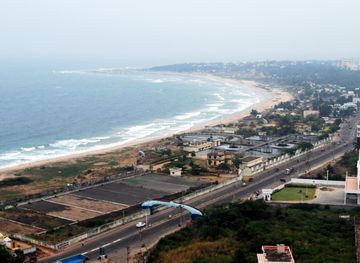
Explore more of Visakhapatnam
Discover Visakhapatnam: A city where golden beaches, historic landmarks, and rich culture come together to offer a memorable travel experience on India's East Coast.
Explore Visakhapatnam