

Simhachalam (Visakhapatnam) Travel Guide - Free
Explore Simhachalam in Visakhapatnam with Evendo's free guide. Find the best shops, historic streets, restaurants, and gems on web or mobile.


Simhachalam in Visakhapatnam pairs a hilltop Varaha Lakshmi Narasimha temple with forested slopes, rituals, views and a quieter cultural escape.
A Sacred Hill Above the City
Simhachalam occupies the wooded slopes and foothills of Simhachalam Hill, west of Visakhapatnam, where one of Andhra Pradesh’s most important Hindu pilgrimage centres rises above the coastal plain. The neighbourhood is defined by the Varaha Lakshmi Narasimha Swamy Temple, a medieval shrine dedicated to an unusual form of Vishnu that combines the boar and man-lion incarnations. Its stone architecture, ritual life and hill setting give Simhachalam a character quite different from Visakhapatnam’s beaches, port districts and modern commercial centre.Read more about Simhachalam
Temple Architecture and Ritual Life
Slopes, Views and Local Rhythm
Best attractions in Simhachalam
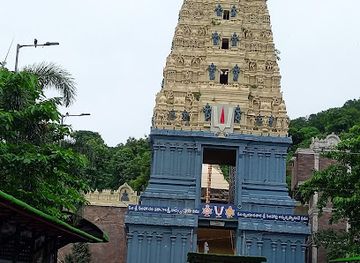
The principal attraction in Simhachalam is the Varaha Lakshmi Narasimha Swamy Temple, set on the wooded hill and approached through a sequence of roads, gateways, courtyards and stone halls. Visitors come to see its distinctive medieval architecture, carved pillars and the shrine’s unusual Varaha-Narasimha form, while devotees arrive for darshan and ritual offerings. The temple’s Chandanotsavam tradition is an important cultural attraction, although the timing and access arrangements make it essential to check locally before travelling. The uphill route and elevated setting provide a different perspective on Visakhapatnam, with views towards the city varying according to weather and vegetation. Outside the complex, the attraction lies in observing the relationship between pilgrimage traffic, hill roads, small shops and residential life rather than in a concentration of museums or formal tourist venues.
-
Tourist attraction
Sri Varahalakshmi Narasimha Swamy Vari Devasthanam
Explore the enchanting Sri Varahalakshmi Narasimha Swamy Vari Devasthanam, a historical Hindu temple in Visakhapatnam, rich in architecture and spirituality.
1 min walk · 0.1 km from neighbourhood centre
-
Tourist attraction
Adavivaram junction
Explore the serene beauty and vibrant culture of Adavivaram Junction, a picturesque tourist attraction in Visakhapatnam, Andhra Pradesh.
5 min drive · 1.6 km from neighbourhood centre
-
Tourist attraction
Simhachalam gosala junction
Discover the serene beauty and spiritual essence of Simhachalam Gosala Junction, a tranquil escape in Visakhapatnam's picturesque landscape.
5 min drive · 1.6 km from neighbourhood centre
-
Garden
Devastana Vanam
Explore the tranquil beauty of Devastana Vanam, a serene garden in Visakhapatnam, perfect for relaxation and nature lovers.
2 min walk · 0.1 km from neighbourhood centre


Best landmarks in Simhachalam
The Varaha Lakshmi Narasimha Swamy Temple is Simhachalam’s defining landmark and the physical focus of the neighbourhood. Its stone gateway, pillared halls, sculptural details and layered courtyards express the long architectural development of an important eastern-coast Hindu shrine, while the sanctum is associated with a distinctive composite form of Vishnu. The temple’s hill setting is equally significant: the approach rises above the surrounding urban plain and preserves a visible relationship between sacred topography and city expansion. The railway station and approach roads are useful transport landmarks, but they are secondary to the temple in historical and symbolic importance. Rather than a collection of unrelated monuments, Simhachalam’s landmarks form one connected religious landscape in which architecture, ritual movement and the wooded hill are inseparable.
-
Hindu temple
Sri Varahalakshmi Narasimha Swamy Vari Devasthanam
Experience the divine tranquility and breathtaking architecture of Sri Varahalakshmi Narasimha Swamy Vari Devasthanam, a gem of Visakhapatnam's spiritual heritage.
1 min walk · 0.1 km from neighbourhood centre
-
Tourist attraction
Adavivaram junction
Discover the serene beauty of Adavivaram Junction in Visakhapatnam, a picturesque gateway to nature and culture in Andhra Pradesh.
5 min drive · 1.6 km from neighbourhood centre
-
Hindu temple
Simhachalam Devasthanam Steps
Explore the sacred Simhachalam Devasthanam Steps in Visakhapatnam, a divine blend of spirituality and breathtaking architecture.
8 min walk · 0.7 km from neighbourhood centre
-
Hindu temple
Simhachalam temple
Explore the spiritual beauty and intricate architecture of Simhachalam Temple in Visakhapatnam, a must-visit Hindu pilgrimage site.
3 min walk · 0.2 km from neighbourhood centre


Explore Simhachalam on the map
A handpicked selection of must-see spots in Simhachalam, mapped for you.
Best hotels in Simhachalam
Best restaurants in Simhachalam
Eating in Simhachalam is closely tied to pilgrimage and everyday local commerce rather than a specialised restaurant district. Around the temple approach, visitors will find modest eateries, snack sellers and counters serving practical refreshments suited to people arriving for darshan, while nearby residential roads provide additional South Indian meals and tea shops. Vegetarian food is the most natural choice immediately around the religious complex, and visitors should distinguish temple offerings or prasad from ordinary commercial meals. The wider western Visakhapatnam area has a broader selection of restaurants, but those venues lie beyond the hill neighbourhood and should not be treated as part of Simhachalam itself. During busy observances, food stalls and small businesses may be crowded, so carrying water and allowing time to find a suitable meal is sensible.
-
Indian
Vatan
Experience the essence of authentic Indian cuisine at Vatan in Visakhapatnam – where tradition meets taste.
7 min drive · 2.2 km from neighbourhood centre
-
Vegetarian
Sri Sai Balaji food parlour
Experience authentic vegetarian cuisine at Sri Sai Balaji Food Parlour in Visakhapatnam – where every dish tells a story of tradition.
13 min walk · 1.1 km from neighbourhood centre
-
Breakfast
Hotel Pavana Varahadri
Discover comfort and delicious breakfast at Hotel Pavana Varahadri in serene Simhachalam, Visakhapatnam - your ideal travel retreat.
13 min walk · 1.0 km from neighbourhood centre
-
South Indian
VR Mini Resturant
Savor authentic South Indian delicacies at VR Mini Restaurant in Visakhapatnam – a must-visit culinary gem for every food lover.
14 min walk · 1.1 km from neighbourhood centre


Best bars in Simhachalam
Simhachalam is not a nightlife district, and its evening character is shaped by temple activity, local travel and residential routines rather than bars or nightclubs. The streets near the shrine may remain active while devotees, vendors and transport services serve visitors, but the atmosphere is devotional and practical rather than entertainment-led. Evening walkers should follow the main roads and arrange their return transport instead of expecting a late-night cluster of venues on the hill. Visitors seeking pubs, cocktail bars, live music or clubs will find a wider choice in other parts of Visakhapatnam, particularly closer to the city’s commercial and coastal districts, not within the immediate Simhachalam temple area.
-
Bar
Sompeta
Discover Sompeta: A lively bar in Visakhapatnam offering delightful drinks and a vibrant atmosphere for tourists and locals alike.
5 min drive · 1.6 km from neighbourhood centre
-
Bar
LOGISA SARASWATHI
Experience the vibrant nightlife of Visakhapatnam at LOGISA SARASWATHI, where local flavors meet a lively ambiance for a perfect evening out.
17 min walk · 1.3 km from neighbourhood centre


Best nightclubs in Simhachalam
Simhachalam is not a nightlife district, and its evening character is shaped by temple activity, local travel and residential routines rather than bars or nightclubs. The streets near the shrine may remain active while devotees, vendors and transport services serve visitors, but the atmosphere is devotional and practical rather than entertainment-led. Evening walkers should follow the main roads and arrange their return transport instead of expecting a late-night cluster of venues on the hill. Visitors seeking pubs, cocktail bars, live music or clubs will find a wider choice in other parts of Visakhapatnam, particularly closer to the city’s commercial and coastal districts, not within the immediate Simhachalam temple area.
-
Bar
Sompeta
Experience the vibrant nightlife of Visakhapatnam at Sompeta Bar, where local culture meets an inviting atmosphere for unforgettable evenings.
5 min drive · 1.6 km from neighbourhood centre
-
Bar
LOGISA SARASWATHI
Discover the vibrant nightlife at Logisa Saraswathi, a lively bar in Simhachalam, Visakhapatnam, perfect for unwinding and socializing.
17 min walk · 1.3 km from neighbourhood centre


Best shops in Simhachalam
Shopping in Simhachalam is concentrated around pilgrimage needs and daily neighbourhood trade. Near the temple approach, small stalls and counters sell flowers, coconuts, devotional images, religious souvenirs and offerings, alongside snacks and practical items for visitors. These modest businesses are part of the temple’s working landscape rather than a formal handicraft market, and stock can vary with the day and season. The surrounding residential roads contain ordinary groceries and local services, but Simhachalam does not have the independent fashion, antiques or specialist retail concentration associated with Visakhapatnam’s larger commercial areas. Visitors buying offerings should check quantities and prices clearly, handle flowers and religious objects respectfully, and keep purchases compact while moving through crowded temple spaces.
-
Home goods store
vijaya sai krupa kirana stores
Explore Vijaya Sai Krupa Kirana Stores in Visakhapatnam for an authentic shopping experience filled with local products and friendly service.
7 min drive · 2.3 km from neighbourhood centre
-
General store
Lavanya fancy and general store
Explore local culture and unique souvenirs at Lavanya Fancy and General Store in Visakhapatnam, a must-visit destination for travelers.
14 min walk · 1.1 km from neighbourhood centre
-
General store
Sri Lakshmi Narasimha kirana and Vegetables
Discover the essence of local shopping at Sri Lakshmi Narasimha Kirana and Vegetables in Visakhapatnam, where fresh produce meets community spirit.
16 min walk · 1.3 km from neighbourhood centre
-
Store
Sanyasiraju pan shop and kirana store
Experience the vibrant flavors of Andhra Pradesh at Sanyasiraju Pan Shop, your go-to spot for local snacks and groceries in Simhachalam.
17 min walk · 1.4 km from neighbourhood centre


Simhachalam essentials
Getting There
Getting Around
Safety
Emergency Situations
Do's and Don'ts
Local Tips
History of Simhachalam
Origins of the Hill Shrine
Simhachalam’s identity developed around the Varaha Lakshmi Narasimha Swamy Temple, a major Vaishnava shrine whose traditions connect the deity with the Varaha and Narasimha forms of Vishnu. The present temple complex reflects several periods of construction and patronage rather than a single building campaign. Its hilltop position helped establish a sacred landscape distinct from the settlements and agricultural land spreading across the surrounding plain, while the shrine’s reputation drew pilgrims from the wider Andhra region.
Eastern Ganga and Later Patronage
The temple’s surviving architectural character is strongly associated with medieval eastern-coast temple building, including patronage linked to the Eastern Ganga dynasty and later regional rulers. Stone halls, gateways, pillars and sculptural details were added and altered over time as the institution accumulated religious and economic importance. Simhachalam therefore became more than an isolated hill shrine: it was a temple estate with ritual specialists, service communities, markets and pilgrimage routes that connected the hill with the wider Visakhapatnam area.
Pilgrimage and Urban Expansion
During the modern period, improved roads, rail connections and the growth of Visakhapatnam brought Simhachalam into closer daily contact with the expanding city. The temple remained the area’s central institution while settlements, transport facilities and small businesses grew around the approach routes. Ceremonies such as Chandanotsavam continue to shape the neighbourhood’s calendar, and the hill retains its religious significance even as western Visakhapatnam has developed around it with housing, industry and new transport links.
Simhachalam in Photos
Browse through our photo collection highlighting the charm and character of the destination.
Neighbourhoods near Simhachalam
The closest neighbourhoods to Simhachalam, if you have time for more than one stop.
-

-

-

-


Swipe for more neighbourhoods
Explore more
Explore more of Visakhapatnam
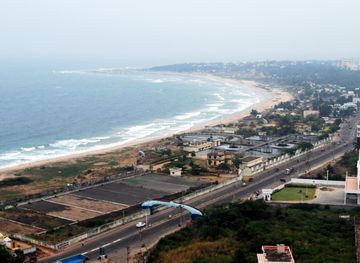
Discover Visakhapatnam: A city where golden beaches, historic landmarks, and rich culture come together to offer a memorable travel experience on India's East Coast.
Explore Visakhapatnam