

Free Carmel Travel Guide & Mobile App
Plan your Carmel trip with Evendo. Get free guides to top attractions, restaurants, hotels, and bars. Web access or download the mobile app.


Carmel, Indiana blends arts, architecture, public art and the Monon Trail with lively dining, polished shopping and easy access to Indianapolis.
A Planned City North of Indianapolis
Carmel occupies a leafy stretch of central Indiana just north of Indianapolis, combining the ease of a modern suburban city with a surprisingly concentrated cultural life. Its streets are shaped by landscaped boulevards, extensive public art and a large network of roundabouts, while the Monon Trail provides a popular north–south route for walkers and cyclists. The city is known less for a historic skyline than for the way it has invested in public spaces, design, performance and neighbourhood renewal.Read more about Carmel
Arts, Architecture and Public Life
Greenways and Contemporary City Life
When is the best time to visit Carmel?
Best: June, August–September · 24–29°C| Month | High (°C) | Rainfall (mm) |
|---|---|---|
| January | 3 | 58 |
| February | 4 | 54 |
| March | 11 | 79 |
| April | 17 | 98 |
| May | 22 | 113 |
| June (best) | 27 | 104 |
| July | 29 | 111 |
| August (best) | 29 | 95 |
| September (best) | 24 | 89 |
| October | 18 | 81 |
| November | 11 | 91 |
| December | 4 | 74 |
Getting to and around Carmel
How to get there
Transportation
Best attractions in Carmel
Carmel’s principal attractions reflect its modern civic identity as much as its older settlement history. The Center for the Performing Arts is the city’s cultural anchor, with the Palladium’s classical-inspired concert hall complemented by the Tarkington and Studio Theater. In the Carmel Arts & Design District, galleries, working studios and small businesses line Main Street, while the Museum of Miniature Houses & Other Collections presents meticulously crafted interiors and unusual small-scale objects. The Monon Trail offers a more active way to explore, passing through or near several central districts and connecting Carmel with neighbouring communities. Coxhall Gardens provides landscaped paths, water features and quiet spaces for strolling, and the Carmel Clay Historical Society Museum adds local context through objects and records. Public sculpture appears across the city, often integrated into roundabouts, streetscapes and parks rather than confined to one museum campus.
-
Museum
Conner Prairie
Explore the interactive history and natural beauty of Conner Prairie in Fishers, Indiana, where the past comes alive through engaging exhibits and outdoor adventures.
23 min drive · 7.6 km from city centre
-
Tourist attraction
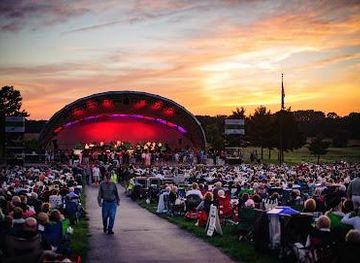
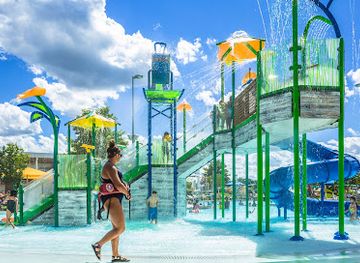
The Waterpark
Discover endless aquatic adventures and family fun at The Waterpark in Carmel, Indiana, your go-to summer destination for relaxation and excitement.
11 min drive · 3.5 km from city centre
-
Tourist attraction
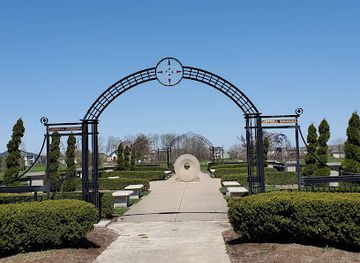
Coxhall Gardens
Discover the beauty of Coxhall Gardens, a stunning park and event venue in Carmel, Indiana, where nature meets community in a picturesque setting.
22 min drive · 7.3 km from city centre
-
Tourist attraction
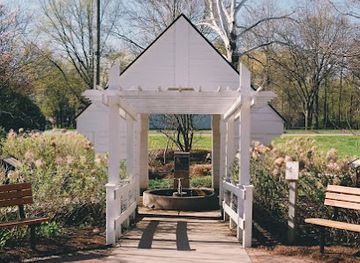
Flowing Well Park
Experience the natural beauty and tranquility of Flowing Well Park in Carmel, Indiana, an ideal destination for outdoor enthusiasts and families.
11 min drive · 3.8 km from city centre
Best landmarks in Carmel
Carmel’s most recognisable landmarks are largely civic and cultural rather than remnants of a dense nineteenth-century downtown. The Palladium, the principal hall within the Center for the Performing Arts, is distinguished by its formal classical-inspired design and central position in Carmel’s cultural precinct. The adjacent Tarkington and Studio Theater complete a three-venue performance complex. In the Arts & Design District, the Carmel Clay Historical Society Museum preserves local stories and material connected with the community’s development, while the Museum of Miniature Houses occupies a distinctive place in the city’s cultural landscape. Carmel’s roundabouts have become visual markers in their own right, frequently incorporating sculpture, landscaping or monuments. The Monon Trail also has landmark value as a converted rail corridor, linking present-day recreation with the railway connections that once supported Carmel’s growth.
-
Shopping mall
Clay Terrace
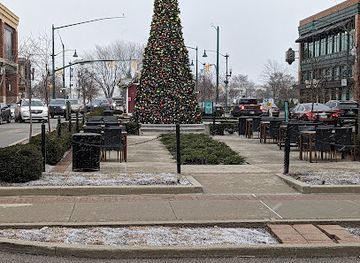
Experience shopping, dining, and entertainment at Clay Terrace, Carmel's vibrant outdoor shopping mall in Indiana.
7 min drive · 2.5 km from city centre
-
Performing arts theater
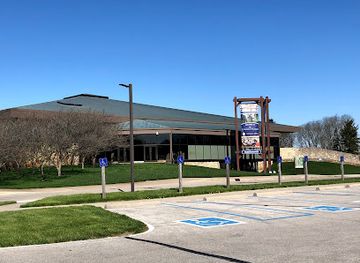
The Center for the Performing Arts
Discover a cultural gem in Carmel, Indiana, at The Center for the Performing Arts, where exceptional performances and community engagement thrive.
18 min walk · 1.4 km from city centre
-
Museum
Conner Prairie
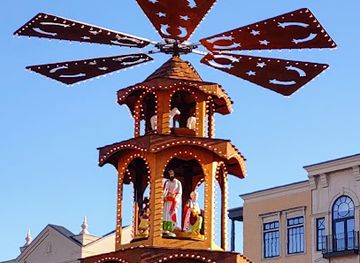
Explore Indiana's history like never before at Conner Prairie, a unique outdoor museum offering immersive experiences, engaging exhibits, and beautiful nature trails.
23 min drive · 7.6 km from city centre
-
Tattoo shop
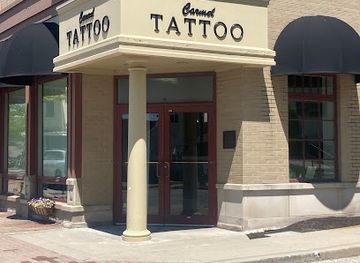
Carmel Tattoo INK
Explore the artistic haven of Carmel Tattoo INK, where creativity meets craftsmanship in the heart of Indiana's vibrant arts scene.
9 min walk · 0.8 km from city centre
Explore Carmel on the map
Plan your Carmel trip on one map. See where the top attractions, landmarks, restaurants, bars and hotels are, find what's near where you're staying, and book hotels and experiences in a few clicks.
Best hotels in Carmel
Best restaurants in Carmel
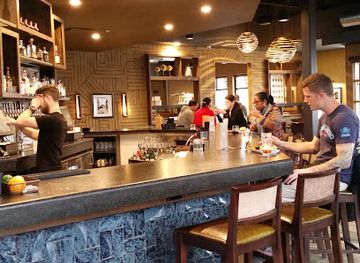
Carmel’s dining scene is spread across the Arts & Design District, Carmel City Center, Midtown and newer commercial areas, with independent restaurants joined by established regional and national operators. Visitors will find American comfort food, Italian cooking, sushi, Indian and other international cuisines, contemporary small plates, bakeries and cafés, reflecting the city’s diverse suburban population. Main Street and the Arts District are particularly convenient for combining galleries with a meal, while Clay Terrace and nearby office and retail corridors offer a broader selection of casual dining. Craft beer is well represented, and local food markets and seasonal events add a community dimension beyond conventional restaurants. The Carmel Farmers Market is a useful place to sample prepared foods and regional produce when operating, while Indiana ingredients such as sweet corn, pork and seasonal vegetables appear regularly on menus without defining the city’s cuisine as a single tradition.
-
American
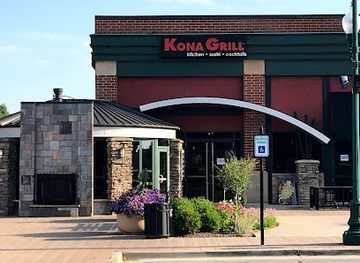
Kona Grill - Carmel
Discover a delightful fusion of American cuisine and sushi at Kona Grill in Carmel's Clay Terrace Shopping Center.
7 min drive · 2.3 km from city centre
-
Hamburger
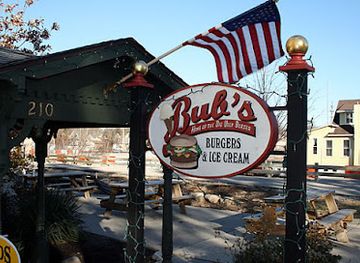
Bub's Burgers & Ice Cream
Discover the best burgers and delightful ice cream at Bub's Burgers & Ice Cream in Carmel - A true American dining experience!
13 min walk · 1.0 km from city centre
-
Hamburger
BRU Burger Bar - Carmel
Discover the ultimate burger experience at BRU Burger Bar in Carmel – where gourmet meets comfort in every bite.
7 min drive · 2.5 km from city centre
-
Indian
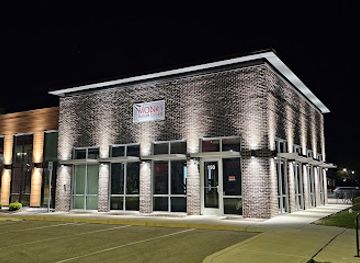
The Monk's
Experience the vibrant fusion of Indian and Asian flavors at The Monk's in Carmel – where culinary tradition meets modern innovation.
9 min drive · 2.9 km from city centre
Best bars in Carmel
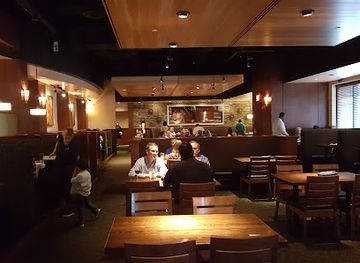
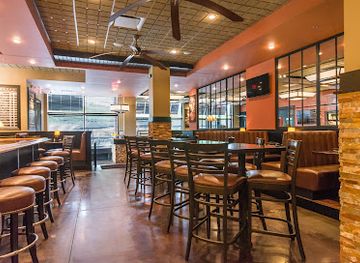
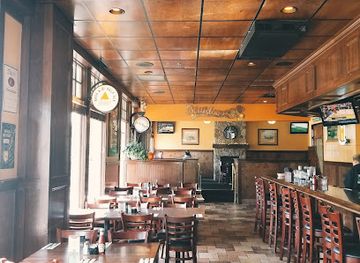
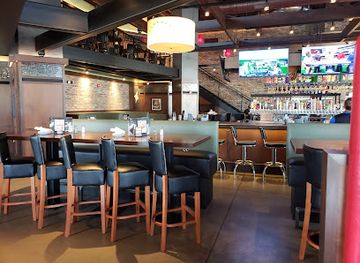
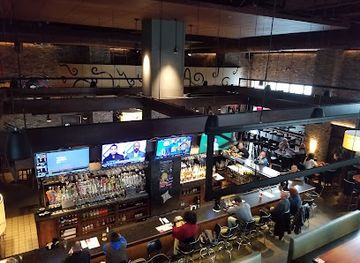
Carmel’s evening life is more focused on restaurants, craft breweries, cocktail lounges, live performances and relaxed social venues than on large nightclubs. The Arts & Design District and Midtown are the most convenient areas for moving between dinner, drinks and entertainment, while the Center for the Performing Arts provides concerts, theatre and other scheduled events after dark. Local beer culture is represented by breweries and taprooms, and cocktail and rooftop-style venues add a more polished option in central commercial districts. The city’s nightlife generally suits conversation, live music and planned entertainment rather than late-night warehouse-style clubbing. Events at the Palladium, Tarkington and Studio Theater can bring a theatre-going atmosphere to the centre, while evening walks around landscaped civic areas offer a quieter alternative to bar-focused outings.
-
American
Kona Grill - Carmel
Experience the best of American cuisine with fresh seafood and sushi at Kona Grill in Carmel's vibrant Clay Terrace Shopping Center.
7 min drive · 2.3 km from city centre
-
Bar
Matt the Miller's Tavern
Experience the vibrant culinary scene at Matt the Miller's Tavern in Carmel, IN, where gourmet dishes meet craft beers in a welcoming gastropub atmosphere.
15 min walk · 1.2 km from city centre
-
American
Muldoon's on Main
Savor the fusion of American and Irish flavors at Muldoon's on Main, a cozy pub in Carmel's vibrant Arts & Design District.
11 min walk · 0.9 km from city centre
-
Grill
Bar Louie - Carmel
Experience the vibrant atmosphere and flavorful menu at Bar Louie - Carmel, Indiana's go-to spot for American cuisine and handcrafted cocktails.
7 min drive · 2.4 km from city centre
Best nightclubs in Carmel
Carmel’s evening life is more focused on restaurants, craft breweries, cocktail lounges, live performances and relaxed social venues than on large nightclubs. The Arts & Design District and Midtown are the most convenient areas for moving between dinner, drinks and entertainment, while the Center for the Performing Arts provides concerts, theatre and other scheduled events after dark. Local beer culture is represented by breweries and taprooms, and cocktail and rooftop-style venues add a more polished option in central commercial districts. The city’s nightlife generally suits conversation, live music and planned entertainment rather than late-night warehouse-style clubbing. Events at the Palladium, Tarkington and Studio Theater can bring a theatre-going atmosphere to the centre, while evening walks around landscaped civic areas offer a quieter alternative to bar-focused outings.
-
Grill
Bar Louie - Carmel
Enjoy an unforgettable dining experience at Bar Louie in Carmel, where American classics meet a vibrant bar atmosphere with craft cocktails.
7 min drive · 2.4 km from city centre
-
Grill
Nippers Grill & Tap
Discover the flavors of Nippers Grill & Tap, Carmel's favorite grill and bar, where every meal is a celebration of taste and community.
7 min drive · 2.4 km from city centre
-
Gastropub
3UP
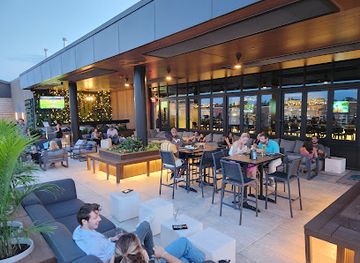
Experience the perfect blend of gourmet gastropub dining and breathtaking rooftop views at 3UP in Carmel's vibrant Arts & Design District.
13 min walk · 1.0 km from city centre
-
Bar
Old Town Tavern
Discover Old Town Tavern in Carmel, IN - a cozy bar with local brews, delicious bites, and an inviting atmosphere perfect for relaxation.
10 min walk · 0.8 km from city centre
Best shops in Carmel
Shopping in Carmel ranges from independent galleries and design-led businesses to open-air retail and specialist showrooms. The Carmel Arts & Design District is the most distinctive area for browsing, with art galleries, studios, jewellery, home furnishings and locally oriented gifts along and around Main Street. The Indiana Design Center adds a concentration of interior-design showrooms and professional design businesses, while Clay Terrace provides a larger open-air shopping environment with a wide mix of retailers, restaurants and services. Carmel City Center offers another central cluster of shops and businesses close to the performing arts complex. Seasonal markets, particularly the Carmel Farmers Market, are better suited to regional produce, prepared food and small-batch goods than conventional souvenir shopping. The city’s retail character is consequently more design-conscious and contemporary than rooted in a traditional covered market or historic bazaar.
-
Shopping mall
Clay Terrace
Discover the charm of Clay Terrace, an outdoor shopping haven in Carmel, Indiana, featuring unique boutiques and delightful dining options.
7 min drive · 2.5 km from city centre
-
Shopping mall
Merchants' Square
Experience the charm of Merchants' Square in Carmel, Indiana – a vibrant shopping destination with diverse stores and delightful dining options.
7 min drive · 2.2 km from city centre
-
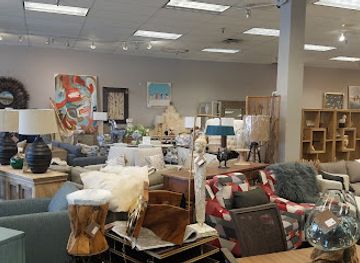
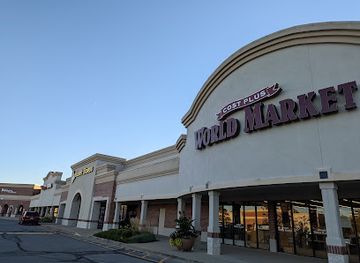
Furniture store
World Market
Explore a world of unique home furnishings and gourmet delights at World Market in Carmel, Indiana, where eclectic meets elegance.
6 min drive · 2.1 km from city centre
-
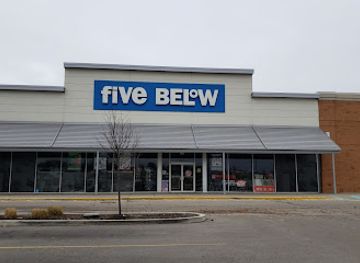
Gift shop
Five Below
Discover a world of trendy treasures and affordable fun at Five Below in Carmel, Indiana, where everything is $5 or less, making it a shopper's paradise.
9 min drive · 3.1 km from city centre
Get your free copy of our complete guide to Carmel, delivered straight to you.
Everything on this page, from attractions and restaurants to essentials and local phrases, in one PDF you can read offline, print or share.
Already have an account? Sign in
Your Carmel guide is ready.
We'll send it to · Not you? Sign out

Getting your guide ready…
We are putting together a fresh copy of the Carmel guide. This can take up to a minute.
This can take a few moments. If your browser asks, choose Allow so the download can start. You'll find the guide in your Downloads folder.
Nothing happened? Download it again
Sorry, the guide is taking longer than usual. Please try again in a minute, or get it by email instead.
Carmel essentials
Currency and Payment
Safety
Emergency Situations
Do's and Don'ts
Local Tips
From Eve
Local phrases worth knowing
You don't need to get them perfect. A few words go a long way, and locals appreciate the effort.
Basics
| English | Local | Say it |
|---|---|---|
| Hello | Howdy | [hau-dee] |
| Goodbye | See ya | [see yah] |
| Yes | Yep | [yep] |
| No | Nah | [na] |
| Please/You're welcome | Please/No worries | [pleez/no wuhr-eez] |
| Thank you | Thanks | [thanks] |
| Excuse me/Sorry | Excuse me/My bad | [ex-kyoos me/my bad] |
| How are you? | How's it going? | [hauz it go-in] |
| Fine. And you? | Good. And you? | [good. and yu] |
| Do you speak English? | Ya speak English? | [ya speak ing-glish] |
| I don't understand | I don't get it | [I don't get it] |
Eating & Drinking
| English | Local | Say it |
|---|---|---|
| I'd like to see the menu, please | I wanna check out the menu, please | [I wanna chek out the menu, please] |
| I don't eat meat | I don't do meat | [I don't do meat] |
| Cheers! | Cheers! | [Cheers!] |
| I would like to pay, please | I need to settle up, please | [I need to set-ul up, please] |
Emergencies
| English | Local | Say it |
|---|---|---|
| Help! | Help! | [Help!] |
| Go away! | Go away! | [Go away!] |
| Call the Police! | Call the cops! | [Call the cops!] |
| Call a doctor! | Get a doc! | [Get a doc!] |
| I'm lost | I'm turned around | [I'm turned around] |
| I'm ill | I'm under the weather | [I'm under the weath-er] |
Shopping
| English | Local | Say it |
|---|---|---|
| I'd like to buy... | I wanna buy... | [I wanna buy...] |
| I'm just looking | I'm just browsing | [I'm just browse-ing] |
| How much is it? | What's the damage? | [What's the dam-ij?] |
| That's too expensive | That's steep | [That's steep] |
| Can you lower the price? | Can you do any better? | [Can you do any bet-er?] |
Time & Numbers
| English | Local | Say it |
|---|---|---|
| What time is it? | What's the time? | [What's the time?] |
| It's one o'clock | It's one | [It's one] |
| Half past (10) | Ten thirty | [Ten thur-tee] |
| Morning | Mornin' | [Mornin'] |
| Afternoon | Afternoon | [Afternoon] |
| Evening | Evenin' | [Evenin'] |
| Yesterday | Yesterday | [Yesterday] |
| Today | Today | [Today] |
| Tomorrow | Tomorrow | [Tomorrow] |
| 1 | One | [One] |
| 2 | Two | [Two] |
| 3 | Three | [Three] |
| 4 | Four | [Four] |
| 5 | Five | [Five] |
| 6 | Six | [Six] |
| 7 | Seven | [Seven] |
| 8 | Eight | [Eight] |
| 9 | Nine | [Nine] |
| 10 | Ten | [Ten] |
Transport & Directions
| English | Local | Say it |
|---|---|---|
| Where's a/the...? | Where's the...? | [Where's the...?] |
| What's the address? | What's the addy? | [What's the add-ee?] |
| Can you show me (on the map)? | Can you point it out? | [Can you point it out?] |
| When's the next (bus)? | When's the next one? | [When's the next one?] |
| A ticket (to ....) | A ticket (to ....) | [A ticket (to ....)] |
History of Carmel
Quaker Beginnings at Bethlehem
Carmel’s origins are associated with Quaker settlers who established the village of Bethlehem in 1837. The settlement developed in a rural landscape shaped by farming, religious communities and the expanding network of roads across central Indiana. Its early identity was local and agricultural rather than urban, with modest buildings and institutions serving nearby residents. Although little of the original village remains as a complete historic streetscape, this foundation explains Carmel’s later development around community institutions and transport links. The name Bethlehem was eventually replaced, helping distinguish the settlement from other places with the same name.
The Name Carmel Takes Hold
In 1874 the community’s post office adopted the name Carmel, and the new name gradually became established in public and commercial use. During the late nineteenth century, Carmel remained a small settlement whose fortunes depended on farming, local trade and improved connections with surrounding communities. Churches, schools and civic organisations gave the village a more defined social structure, while changing transport patterns reduced its isolation. The name change did not create a new city in the modern sense, but it marked an important stage in the formation of the identity that Carmel retains today.
Railway Connections and Local Growth
Railway development in central Indiana improved Carmel’s links with Indianapolis and other nearby communities, supporting the movement of people, agricultural goods and commercial supplies. Like many settlements in the region, Carmel benefited from the railway’s ability to connect a rural economy with larger markets. The town grew gradually around established roads, civic buildings and businesses rather than through a single industrial transformation. The former rail corridor later became part of the Monon Trail, giving a visible contemporary reminder of the transport infrastructure that helped shape Carmel’s historical geography.
From Village to Indianapolis Suburb
For much of the twentieth century Carmel retained a small-town and semi-rural character, but its relationship with Indianapolis changed as roads improved and metropolitan growth moved northwards. Tract housing, schools, commercial development and professional employment expanded especially strongly in the later decades of the century. Carmel became increasingly integrated into the Indianapolis metropolitan economy while maintaining its own municipal institutions and community identity. This period transformed the city’s scale and land use, replacing much agricultural land with neighbourhoods, offices, retail areas and public facilities.
Roundabouts and Civic Reinvestment
From the late twentieth century onward, Carmel pursued an unusually extensive programme of roundabout construction and streetscape improvement. The policy altered traffic patterns while allowing space for landscaping, monuments and public art at many intersections. At the same time, the city invested in pedestrian routes, the Monon Trail, civic buildings and redesigned commercial areas. These decisions helped create the ordered, landscaped appearance associated with Carmel today. They also reflected a broader effort to make a rapidly growing suburb more walkable, visually distinctive and centred on shared public spaces.
Building a Cultural Identity
Carmel’s contemporary cultural profile emerged through sustained investment in performance, visual art, design and public gardens. The Center for the Performing Arts, including the Palladium, gave the city a major venue for concerts and theatre, while the Carmel Arts & Design District concentrated galleries, studios and independent businesses in a recognisable urban quarter. Public sculpture and civic landscaping further integrated art into everyday movement through the city. Rather than relying on a large inherited historic core, Carmel has built much of its present identity through planned cultural institutions and carefully shaped public places.
Carmel in Photos
Browse through our photo collection highlighting the charm and character of the destination.
Cities near Carmel
The closest cities to Carmel, if you have time for more than one stop.
-

-

-

-

-


Swipe for more cities
Explore more

Explore more of Indiana
Explore Indiana: From the bustling streets of Indianapolis to the serene beauty of Indiana Dunes, discover the diverse experiences that make Indiana the Crossroads of America.
Explore Indiana