

Canggu (Bali) Travel Guide - Free
Explore Canggu in Bali with Evendo's free guide. Find the best shops, historic streets, restaurants, and gems on web or mobile.


Canggu, Bali combines surf beaches, rice fields, beach clubs, cafés, yoga, Balinese temples and creative retreats on Indonesia’s southwest coast, near Seminyak.
Coastal Landscape and Everyday Character
Canggu occupies a broad stretch of Bali’s south-western coast, where sandy beaches, surf breaks and irrigated rice fields meet a rapidly changing village landscape. Rather than having one compact centre, it is a collection of locally rooted areas including Batu Bolong, Berawa, Padonan, Pererenan and parts of Tibubeneng. Narrow roads connect traditional compounds, small shrines and working fields with cafés, villas, studios and beach venues. The result is a place of sharp contrasts: silhouettes of coconut palms and temple walls appear beside contemporary architecture, while ceremonial processions still move through roads increasingly busy with visitors and scooters.Read more about Canggu
Beaches, Surf and Open Spaces
A Contemporary Balinese Meeting Place
Best attractions in Canggu
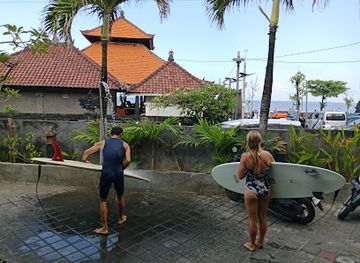
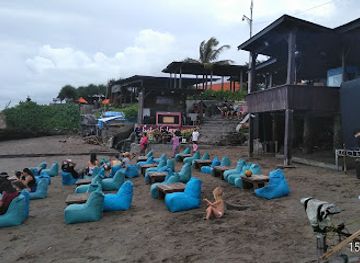
Canggu’s attractions are primarily landscape- and lifestyle-based rather than concentrated in formal museums. The beaches at Batu Bolong, Echo Beach, Berawa and Pererenan each offer a different setting for watching surfers, taking a sunset walk or observing the meeting of coastal recreation and village life. Inland, stretches of rice fields and coconut-lined lanes remain between newer villas and hospitality businesses, particularly away from the busiest roads. Visitors can also see local shrines, temple gateways and ceremonial decorations while moving through the villages, provided they remain respectful and do not enter restricted spaces. Contemporary attractions include surf schools, yoga studios, creative spaces and beachfront venues, although these are commercial experiences rather than historic monuments. Tanah Lot is a separate temple complex outside Canggu and should not be described as a neighbourhood attraction, even though it is a popular excursion from the area.
-
Tourist attraction
Pantai Berawa
Discover the tranquil beauty of Pantai Berawa, a serene beach in Bali known for its stunning sunsets, vibrant culture, and relaxed atmosphere.
14 min walk · 1.1 km from neighbourhood centre
-
Tourist attraction
Perancak Beach
Discover the tranquil beauty of Perancak Beach in Bali, a serene escape perfect for relaxation, scenic views, and unforgettable sunsets.
7 min walk · 0.6 km from neighbourhood centre
-
Tourist attraction
Echo beach surfspot
Discover Echo Beach in Canggu, Bali—a surfing haven with breathtaking sunsets, delicious cuisine, and a vibrant atmosphere perfect for all travelers.
13 min walk · 1.0 km from neighbourhood centre
-
Tourist attraction
Batu Bolong Beach
Discover the stunning Batu Bolong Beach in Canggu, Bali, where vibrant surf culture meets serene sunsets and local flavors.
3 min walk · 0.2 km from neighbourhood centre
Best landmarks in Canggu
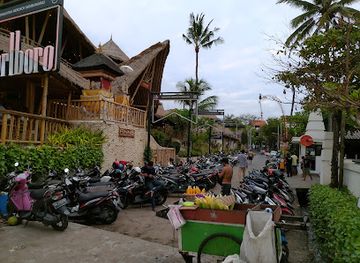
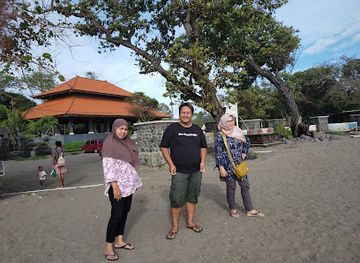
Canggu’s most important landmarks are often modest structures embedded in the village landscape rather than monumental civic buildings. Temple compounds, roadside shrines, decorated gateways and family walls reveal the continuing importance of Balinese Hindu practice, while ceremonial umbrellas and offerings can temporarily transform ordinary roads. The beaches at Batu Bolong, Echo Beach, Berawa and Pererenan are geographical landmarks in their own right, marking distinct coastal communities and surf breaks. Remaining rice terraces and irrigation channels are significant reminders of the agricultural system that shaped the area before rapid development. Many newer buildings are commercially prominent but not historic landmarks, and the neighbourhood has relatively few major protected monuments. The celebrated sea temple of Tanah Lot lies beyond Canggu, so it is best treated as a nearby excursion rather than part of the local landmark group.
-
Beach
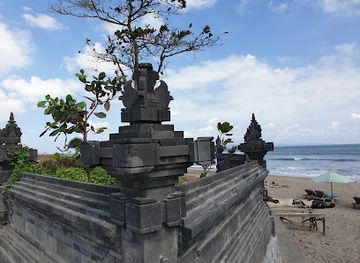
Pantai Batu Bolong
Explore the serene Pantai Batu Bolong beach in Canggu, Bali, where vibrant surf culture meets stunning sunsets and delicious local cuisine.
3 min walk · 0.2 km from neighbourhood centre
-
Bar
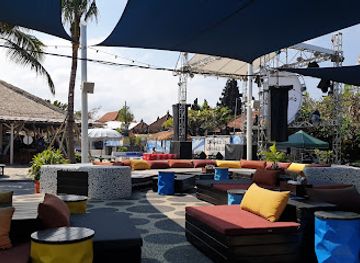
Old Man's
Experience the vibrant beachside atmosphere at Old Man's in Canggu, Bali, where great food and live entertainment come together for an unforgettable night.
3 min walk · 0.2 km from neighbourhood centre
-
Cafe
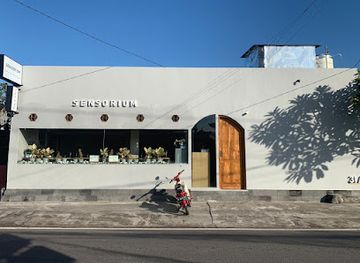
Sensorium Bali
Explore the delightful culinary offerings at Sensorium Bali, a charming cafe and brunch restaurant in the heart of Canggu, Bali.
16 min walk · 1.3 km from neighbourhood centre
-
Clothing store
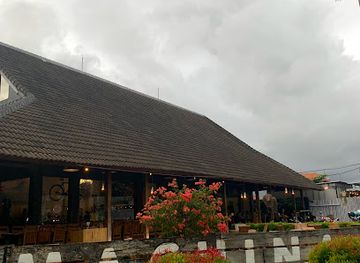
Deus Ex Machina - Temple of Enthusiasm
Experience the vibrant blend of fashion, food, and culture at Deus Ex Machina - Temple of Enthusiasm in Canggu, Bali's ultimate lifestyle destination.
13 min walk · 1.1 km from neighbourhood centre
Explore Canggu on the map
A handpicked selection of must-see spots in Canggu, mapped for you.
Best hotels in Canggu
Best restaurants in Canggu
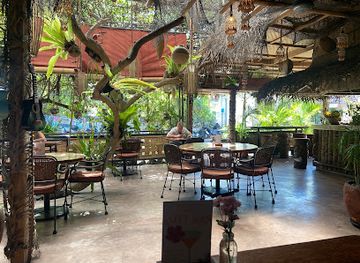
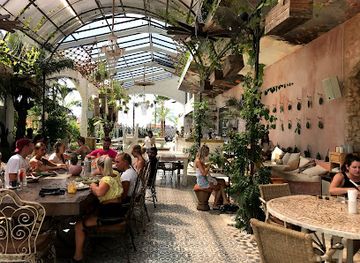
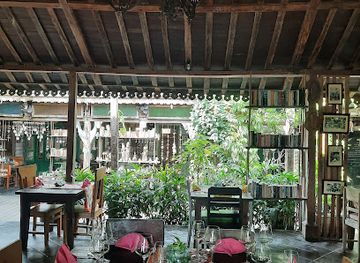
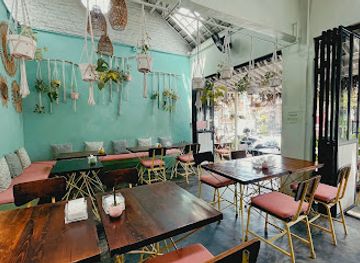
Canggu’s dining scene reflects its mixed population of Balinese residents, Indonesian visitors, long-stay travellers and international remote workers. Local warungs serve rice dishes, noodles, grilled seafood and Balinese specialities, while the principal roads and beach areas contain cafés focused on coffee, brunch, plant-based food, bakery items and contemporary international cooking. Batu Bolong and Berawa have the densest concentration of restaurants and casual eateries, with Pererenan offering a somewhat more spread-out mix of local and modern venues. Traditional food is best approached with curiosity and respect rather than reduced to a tourist theme; sambal can be hot, and menus vary between businesses. Markets and small food stalls provide a more everyday experience than the polished dining rooms, while beachfront restaurants and clubs are oriented towards sunset views and socialising rather than representing the whole culinary character of Canggu.
-
Restaurant
Moana Fish Eatery
Experience the best seafood in Canggu at Moana Fish Eatery – where fresh flavors meet creative cuisine.
18 min walk · 1.4 km from neighbourhood centre
-
Restaurant
Penny Lane
Discover Penny Lane in Canggu: A delightful blend of local flavors and international cuisine awaits you in this vibrant Balinese eatery.
11 min walk · 0.8 km from neighbourhood centre
-
Indonesian
Casa Tua Canggu
Experience authentic Indonesian cuisine at Casa Tua Canggu - a must-visit dining spot in Bali's vibrant coastal town.
6 min drive · 1.9 km from neighbourhood centre
-
Restaurant
Warung Local
Discover authentic Indonesian flavors at Warung Local in Canggu - a culinary gem where tradition meets taste.
6 min drive · 1.8 km from neighbourhood centre
Best bars in Canggu
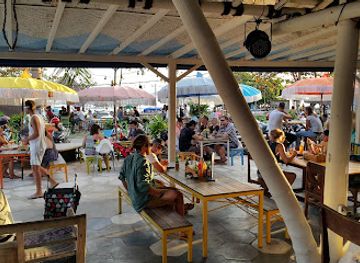
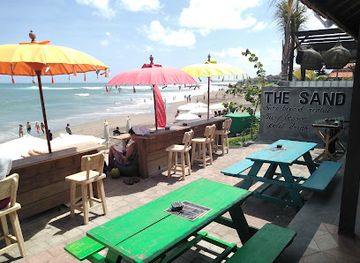
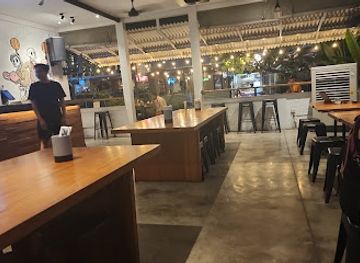
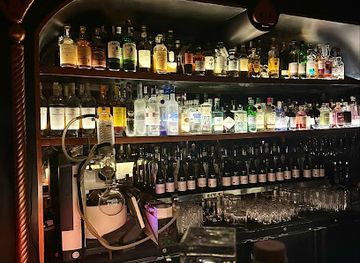
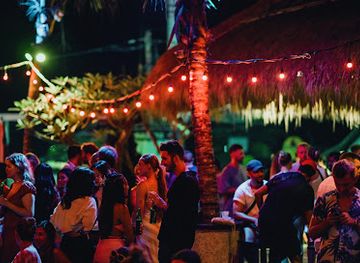
Canggu’s evening scene is concentrated around Batu Bolong, Berawa and parts of the coastal road, where beach bars, cocktail venues, casual pubs, DJ-led spaces and larger beach clubs attract a mixed international crowd. Sunset is a major transition point, with visitors moving from surf beaches and cafés into venues offering music, drinks and views across the coast. Some establishments are relaxed and open-air, while others operate as organised nightlife destinations with louder music and late gatherings. Pererenan tends to feel more dispersed, and inland village roads can become quiet once businesses close. Noise and traffic affect nearby residents, so visitors should leave venues considerately, use reputable transport and remember that a lively commercial strip can sit only a short distance from family compounds and temples.
-
Bar
Old Man's
Discover Old Man's in Canggu: A lively beachfront bar offering delicious food, refreshing drinks, and unforgettable nightlife in Bali.
3 min walk · 0.2 km from neighbourhood centre
-
Bar
Sand Bar
Discover the vibrant Sand Bar in Canggu, a tropical haven for food lovers and sunset seekers, offering a perfect blend of relaxation and entertainment.
3 min walk · 0.2 km from neighbourhood centre
-
Sports bar
The Bench Sports Bar Canggu
The Bench Sports Bar Canggu: Your ultimate sports haven in Bali, serving delicious food and drinks with a vibrant atmosphere.
4 min walk · 0.3 km from neighbourhood centre
-
Cocktail bar
The Shady Pig
Discover the vibrant nightlife at The Shady Pig in Canggu, where exquisite cocktails and lively music create an unforgettable experience.
13 min walk · 1.1 km from neighbourhood centre
Best nightclubs in Canggu
Canggu’s evening scene is concentrated around Batu Bolong, Berawa and parts of the coastal road, where beach bars, cocktail venues, casual pubs, DJ-led spaces and larger beach clubs attract a mixed international crowd. Sunset is a major transition point, with visitors moving from surf beaches and cafés into venues offering music, drinks and views across the coast. Some establishments are relaxed and open-air, while others operate as organised nightlife destinations with louder music and late gatherings. Pererenan tends to feel more dispersed, and inland village roads can become quiet once businesses close. Noise and traffic affect nearby residents, so visitors should leave venues considerately, use reputable transport and remember that a lively commercial strip can sit only a short distance from family compounds and temples.
-
Bar
La Brisa Bali | Beach Club
Discover the vibrant atmosphere of La Brisa Bali, a premier beach club offering exquisite seafood, stunning views, and unforgettable experiences on the shores of Canggu.
13 min walk · 1.0 km from neighbourhood centre
-
Night club
Old Man's
Discover the lively ambiance of Old Man's in Canggu, Bali, where delicious food, live music, and stunning ocean views create unforgettable nights.
3 min walk · 0.2 km from neighbourhood centre
-
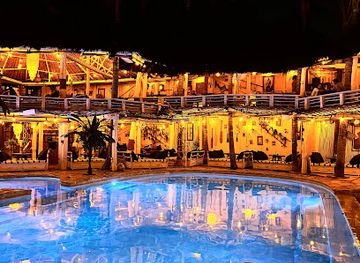
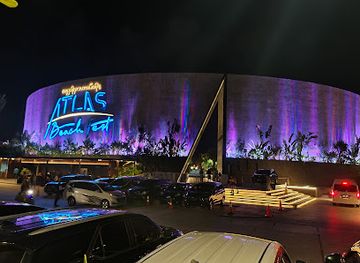
Club
Atlas Beach Club
Experience the vibrant atmosphere, stunning ocean views, and tropical luxury at Atlas Beach Club, Canggu's premier beach destination.
11 min walk · 0.9 km from neighbourhood centre
-
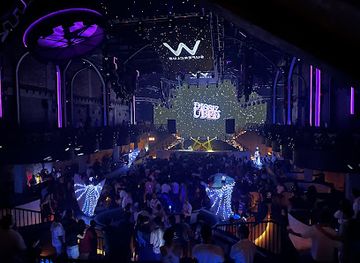
Night club
Atlas Super Club
Experience the electrifying nightlife at Atlas Super Club, Bali's top destination for music, dancing, and unforgettable moments.
11 min walk · 0.9 km from neighbourhood centre
Best shops in Canggu
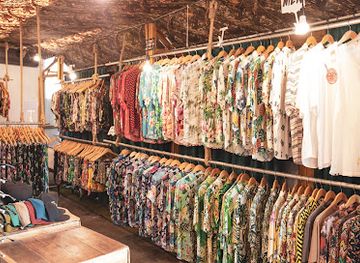
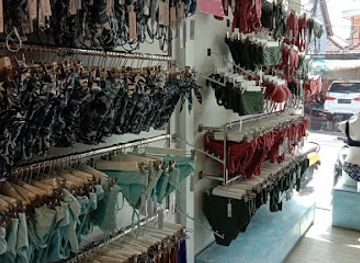
Shopping in Canggu is centred on independent, visitor-oriented retail rather than a traditional central market or large historic shopping street. Along Batu Bolong, Berawa, Pererenan and adjoining roads, small businesses sell surfwear, resort clothing, jewellery, homewares, art, wellness products and locally made goods, alongside convenience shops and everyday services. The selection changes frequently as the neighbourhood develops, while established local stalls and warungs provide a more practical counterpoint to curated boutiques. Visitors interested in Balinese handicrafts may find individual pieces in galleries and specialist shops, but Canggu is not the island’s principal destination for traditional craft markets. Bargaining is not appropriate everywhere; it depends on the type of business, and visitors should ask politely rather than assume. For broader market shopping, specialist craft areas elsewhere in Bali may offer more depth than the neighbourhood’s contemporary retail clusters.
-
Shopping mall
Canggu Love Anchor Store
Explore the eclectic shopping paradise of Canggu Love Anchor Store, where Balinese culture meets modern retail in a vibrant atmosphere.
13 min walk · 1.0 km from neighbourhood centre
-
Clothing store
Hedonist Store Bali
Explore Hedonist Store Bali for the finest selection of local fashion and skincare products, embodying the spirit of island life in Canggu.
7 min drive · 2.3 km from neighbourhood centre
-
Clothing store
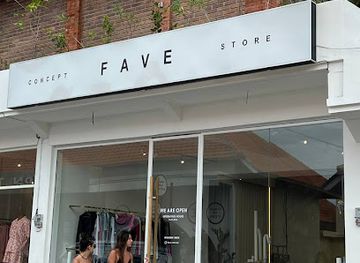
FAVE Concept store
Discover unique fashion pieces at FAVE Concept Store, a chic boutique in Canggu, Bali, offering stylish clothing and accessories for every taste.
5 min drive · 1.5 km from neighbourhood centre
-
Shopping mall
The Beach Store
Explore unique fashion and beach essentials at The Beach Store in Canggu, a shopping haven reflecting Bali's vibrant culture.
11 min walk · 0.9 km from neighbourhood centre

Canggu essentials
Getting There
Getting Around
Safety
Emergency Situations
Do's and Don'ts
Local Tips

From Eve
Local phrases worth knowing
You don't need to get them perfect. A few words go a long way, and locals appreciate the effort.
Basics
| English | Local | Say it |
|---|---|---|
| Hello | Halo | [ha-loh] |
| Goodbye | Selamat tinggal | [suh-lah-maht ting-gahl] |
| Yes | Ya | [yah] |
| No | Tidak | [tee-dahk] |
| Please/You're welcome | Tolong | [toh-lohng] |
| Thank you | Terima kasih | [teh-ree-mah kah-see] |
| Excuse me/Sorry | Maaf | [mah-ahf] |
| How are you? | Apa kabar? | [ah-pah kah-bahr] |
| Fine. And you? | Baik. Dan kamu? | [bah-ee-k. dahn kah-moo] |
| Do you speak English? | Apakah Anda bisa berbicara bahasa Inggris? | [ah-pah-kah ahn-dah bee-sah buhr-bee-chah bah-hah-sah ing-grees] |
| I don't understand | Saya tidak mengerti | [sah-yah tee-dahk muhn-guhr-tee] |
Eating & Drinking
| English | Local | Say it |
|---|---|---|
| I'd like to see the menu, please | Saya ingin melihat menu, tolong | [sah-yah een-geen meh-lee-haht meh-noo toh-lohng] |
| I don't eat meat | Saya tidak makan daging | [sah-yah tee-dahk mah-kahn dah-yahng] |
| Cheers! | Selamat minum! | [suh-lah-maht mee-noom] |
| I would like to pay, please | Saya ingin membayar, tolong | [sah-yah een-geen muhm-bah-yahr toh-lohng] |
Emergencies
| English | Local | Say it |
|---|---|---|
| Help! | Tolong! | [toh-lohng] |
| Go away! | Pergi! | [pehr-gee] |
| Call the Police! | Panggil polisi! | [pahng-geel poh-lee-see] |
| Call a doctor! | Panggil dokter! | [pahng-geel dohk-tehr] |
| I'm lost | Saya tersesat | [sah-yah tehr-suh-saht] |
| I'm ill | Saya sakit | [sah-yah sah-keet] |
Shopping
| English | Local | Say it |
|---|---|---|
| I'd like to buy... | Saya ingin membeli... | [sah-yah een-geen muhm-bay-lee] |
| I'm just looking | Saya hanya melihat | [sah-yah hahn-yah meh-lee-haht] |
| How much is it? | Berapa harganya? | [buh-rah-pah hahr-gahn-yah] |
| That's too expensive | Itu terlalu mahal | [ee-too tehr-lah-loo mah-hahl] |
| Can you lower the price? | Bisa turunkan harganya? | [bee-sah too-roon-kahn hahr-gahn-yah] |
Time & Numbers
| English | Local | Say it |
|---|---|---|
| What time is it? | Jam berapa sekarang? | [jahm buh-rah-pah suh-kah-rahn] |
| It's one o'clock | Sekarang pukul satu | [suh-kah-rahn poo-kool sah-too] |
| Half past (10) | Pukul setengah sebelas | [poo-kool suh-tuhng-ah suh-buh-lahs] |
| Morning | Pagi | [pah-gee] |
| Afternoon | Sore | [soh-reh] |
| Evening | Malam | [mah-lahm] |
| Yesterday | Kemarin | [kuh-mah-reen] |
| Today | Hari ini | [hah-ree ee-nee] |
| Tomorrow | Besok | [beh-sohk] |
| 1 | Satu | [sah-too] |
| 2 | Dua | [doo-ah] |
| 3 | Tiga | [tee-gah] |
| 4 | Empat | [em-paht] |
| 5 | Lima | [lee-mah] |
| 6 | Enam | [eh-nahm] |
| 7 | Tujuh | [too-joo-ah] |
| 8 | Delapan | [deh-lah-pahn] |
| 9 | Sembilan | [sem-bee-lahn] |
| 10 | Sepuluh | [suh-poo-loo] |
Transport & Directions
| English | Local | Say it |
|---|---|---|
| Where's a/the...? | Dimana... | [dee-mah-nah] |
| What's the address? | Alamatnya apa? | [ah-lah-maht-nyah ah-pah] |
| Can you show me (on the map)? | Bisakah Anda tunjukkan (pada peta)? | [bee-sah-kah ahn-dah toon-jook-kahn pah-dah peh-tah] |
| When's the next (bus)? | Kapan yang berikutnya (bis)? | [kah-pahn yang buh-ree-koot-nyah beess] |
| A ticket (to ....) | Tiket (ke ....) | [tee-keht (keh ....)] |
History of Canggu
A Rural Coastal Landscape
Before Canggu became an international visitor centre, the area was a group of Balinese villages and agricultural landscapes connected to the coast by narrow roads and footpaths. Rice cultivation, coconut palms, livestock and household compounds shaped everyday life, while temples and shrines organised religious and social responsibilities. The name Canggu is associated with the local village area rather than a single historic town centre, and the wider landscape developed through customary village institutions and irrigation traditions. Coastal fishing and farming formed part of the local economy, while beaches were primarily used by residents and surfers rather than lined with large-scale visitor facilities.
Tourism Reaches the Coast
Surfing helped draw early international visitors to Canggu’s beaches, following the wider expansion of tourism across southern Bali in the late twentieth century. Small accommodation businesses, cafés and surf-oriented enterprises gradually appeared along roads leading towards Batu Bolong and Echo Beach. For many years, development remained relatively low-rise and interspersed with rice fields, giving Canggu a different feel from the more established resort concentrations of Kuta and Seminyak. Local villages, temples and agricultural plots continued to define the area even as the coastal economy began shifting towards hospitality and recreation.
Roads, Villas and Rapid Growth
From the 2000s onwards, improved road access, Bali’s expanding visitor economy and demand for villas accelerated development in Canggu. Former fields were increasingly converted into accommodation, restaurants, studios and commercial premises, while traffic grew on roads that had not been designed for heavy urban use. Batu Bolong, Berawa and Pererenan developed distinct clusters of hospitality businesses, and the neighbourhood attracted surfers, creative workers and longer-stay international visitors. This transformation brought employment and new services but also placed pressure on farmland, drainage, waste management, water resources and the social balance of established villages.
A Global Village with Local Foundations
Canggu’s contemporary identity emerged from the meeting of Balinese village life with an international scene centred on surfing, wellness, food, fashion and remote work. Beach clubs, cafés and co-working spaces now sit close to family compounds, shrines and ceremonial routes, producing a landscape that changes noticeably from one lane to the next. The neighbourhood’s growth has made it one of Bali’s most recognisable visitor areas, while debates about congestion, construction and the preservation of rice fields remain part of its ongoing story. Its cultural life is still grounded in local temples, banjar communities and Hindu ceremonies rather than being solely a tourism creation.
Canggu in Photos
Browse through our photo collection highlighting the charm and character of the destination.
Neighbourhoods near Canggu
The closest neighbourhoods to Canggu, if you have time for more than one stop.
-

-

-

-

-


Swipe for more neighbourhoods
Explore more

Explore more of Bali
Discover Bali, the Island of Gods, where stunning beaches, vibrant culture, and lush landscapes create a tropical paradise for every traveler.
Explore Bali