

Pulau Weh, Indonesia Travel Guide
Discover Pulau Weh, Indonesia's hidden island paradise, perfect for diving, snorkeling, hiking, and experiencing traditional Indonesian culture.
Pulau Weh, a small island in Indonesia, is a hidden gem waiting to be discovered. Located at the northern tip of Sumatra, this island offers a perfect blend of natural beauty and cultural charm. The island is renowned for its pristine beaches, crystal-clear waters, and vibrant marine life. It is a paradise for divers and snorkelers, with several dive sites that showcase stunning coral reefs and diverse underwater species. One of the highlights of Pulau Weh is the underwater volcano, which creates a unique diving experience with warm waters and bubbling volcanic activity. The island's lush, green forests are perfect for hiking and exploring, offering breathtaking views of the surrounding sea. The local villages provide a glimpse into traditional Indonesian life, with friendly locals, delicious cuisine, and colorful markets. For those seeking relaxation, Pulau Weh's serene beaches are ideal for unwinding. Enjoy the soft white sands and the sound of waves gently lapping the shore. Sunsets here are spectacular, painting the sky in hues of orange and pink. Whether you're an adventure enthusiast or looking for a peaceful retreat, Pulau Weh has something to offer everyone.

Know before you go
Hi, I'm Eve. Here are a few practical things to know before exploring Pulau Weh.
- Bring cash, as ATMs are limited and credit cards are not widely accepted.
- Rent a scooter to explore the island's hidden spots and scenic routes.
- Visit during the dry season from April to October for the best weather and visibility for diving.
- Pack reef-safe sunscreen to protect the delicate marine life.
- Don't miss the traditional markets for unique souvenirs and local delicacies.
Explore Pulau Weh: Things to Do, Places to Eat, Hotels & More
Handpicked recommendations for top attractions, local dining, accommodations, and more

Best attractions in Pulau Weh
Top-rated picks
Best Attractions
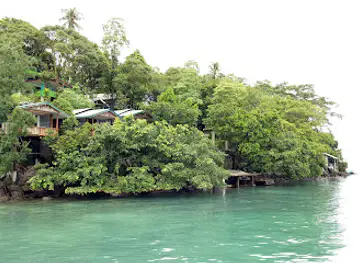
Kilometer Nol Monument
Discover the Kilometer Nol Monument, Indonesia's westernmost point, and immerse yourself in rich history and stunning coastal views.

Rubiah Beach
Explore the breathtaking beauty of Rubiah Beach, Aceh – a paradise for sunbathers and snorkeling enthusiasts alike, surrounded by nature's tranquility.

Wisata Gua Sarang
Explore the stunning limestone caves and vibrant marine life at Wisata Gua Sarang, a top tourist attraction in Aceh's breathtaking natural landscape.

Anoi Itam Japanese Fort
Explore Anoi Itam Japanese Fort in Sabang City, a historical gem offering stunning views and a glimpse into Indonesia's World War II past.

Best landmarks in Pulau Weh
Top-rated picks
Best Landmarks

Freddies Santai Sumurtiga
Experience the serenity of Freddie's Santai Sumurtiga, where comfort meets the beauty of Sumurtiga Beach in stunning Sabang, Aceh.

Rubiah Beach
Discover the breathtaking beauty of Rubiah Beach, a tropical paradise in Aceh, offering stunning views, vibrant marine life, and unforgettable relaxation.
Casa Nemo Beach Resort & Spa
Discover the serene beauty of Casa Nemo Beach Resort & Spa, your ultimate getaway in Pulau Weh, Aceh, Indonesia, where relaxation meets adventure.
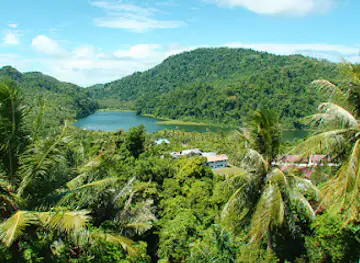
We Island
Experience the serene beauty of We Island in Aceh, Indonesia - a hidden gem for nature lovers and adventure seekers alike.

Best restaurants in Pulau Weh
Top-rated picks
Best Restaurants

D & D RESTAURANT
Experience fresh seafood like never before at D & D Restaurant in Iboih - where flavors meet breathtaking ocean views.

Olala Cafe
Experience the best of local flavors at Olala Cafe in Sabang City – where delicious meets affordable amidst stunning scenery.
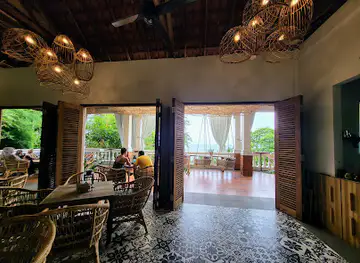
Aceh Heritage Village
Experience the unique fusion of Italian flavors in Aceh Heritage Village - where culinary excellence meets local charm.
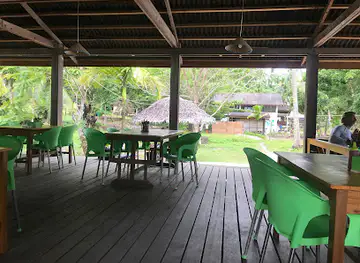
barracuda
Experience delightful dining at Barracuda Restaurant in Sabang - where local flavors meet international cuisine amidst stunning ocean views.

Best bars in Pulau Weh
Top-rated picks
Best Bars
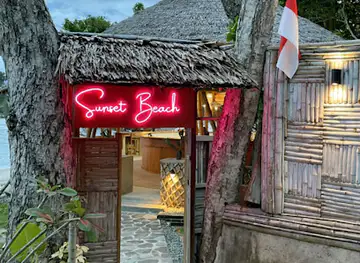
Sunset Beach Bamboo Bar & Resort
Experience the charm of Sunset Beach Bamboo Bar & Resort, where stunning sunsets, delicious cuisine, and adventure await in Pulau Weh, Aceh.

barracuda
Discover the authentic flavors of Aceh at Barracuda, a must-visit restaurant in Sabang for seafood lovers and culinary adventurers alike.

Dang Dangna Bungalows and Restaurant
Discover the serene beauty and authentic flavors at Dang Dangna Bungalows and Restaurant in the heart of Aceh.

Rumah Makan & Penginapan ( HARAPAN BUNDA)
Discover the authentic flavors of Indonesia at Rumah Makan & Penginapan (HARAPAN BUNDA), your culinary retreat in Sabang City.

Best nightclubs in Pulau Weh
Top-rated picks
Best Nightclubs

Sunset Beach Bamboo Bar & Resort
Discover the enchanting Sunset Beach Bamboo Bar & Resort, where relaxation meets adventure on the stunning shores of Pulau Weh.

Sunset Bar & Grill
Discover culinary delights at Sunset Bar & Grill, where grilled flavors meet stunning ocean views on Pulau Weh.
Warung olxtoto
Experience the vibrant local culture and refreshing drinks at Warung Olxtoto, a charming bar in the heart of Sabang, Aceh.

Mita Bacut Dumbekdeuk
Discover the pulsating nightlife of Sabang City at Mita Bacut Dumbekdeuk, where music and fun come alive in Aceh's premier night club.

Best shops in Pulau Weh
Top-rated picks
Best Shops

Piyoh
Discover Piyoh in Sabang, where authentic Acehnese souvenirs and gifts await to bring a piece of Indonesia back home.

BUNGÖNG JAROE souvenir & accesories
Explore BUNGÖNG JAROE for unique souvenirs and stylish beachwear reflecting the vibrant culture of Aceh, perfect for every traveler.

ENDATU KUPI
Experience the essence of Aceh at Endatu Kupi, where quality coffee and cozy ambiance create unforgettable moments.

Toko Istana Kado
Explore Toko Istana Kado in Sabang for unique Acehnese gifts, from handicrafts to souvenirs—perfect mementos of your travels.

Explore Pulau Weh on the Map
A handpicked selection of must-see spots in Pulau Weh, mapped for you.
Pulau Weh Essentials
-
Pulau Weh is located off the northern tip of Sumatra, Indonesia. The nearest airport is Sultan Iskandar Muda International Airport (BTJ) in Banda Aceh. From Banda Aceh, you can take a ferry to Pulau Weh. Ferries depart from Ulee Lheue Port in Banda Aceh and arrive at Balohan Port on Pulau Weh. There are both fast and slow ferry options, taking approximately 45 minutes and 2 hours respectively.
-
Once on Pulau Weh, transportation options include renting a scooter, hiring a car with a driver, or using local becaks (motorized rickshaws). Scooters are a popular choice for tourists and can be rented from various shops around the island. Taxis are also available but are less common. Remember that the terrain can be hilly and roads may be narrow, so drive cautiously.
-
The official currency is the Indonesian Rupiah (IDR). Credit cards are accepted in some hotels and larger restaurants, but it's advisable to carry cash for smaller establishments and local markets. ATMs are available in Sabang, the main town on the island, but can be limited in other areas. It's a good idea to withdraw sufficient cash before traveling to more remote parts of the island.
-
Pulau Weh is generally safe for tourists, but standard precautions should be taken. Avoid walking alone at night in secluded areas and keep an eye on your belongings in crowded places. There are no specific high-crime areas targeting tourists, but always stay vigilant. It's also important to be cautious when swimming or diving, as some areas have strong currents.
-
In case of emergency, dial 112 for immediate assistance. The main medical facility is the Sabang Hospital, located in the town of Sabang. Pharmacies are available in Sabang for minor health issues. It is highly recommended to have travel insurance that covers medical emergencies. For diving-related emergencies, there are hyperbaric chambers available on the island.
-
Fashion: Do dress modestly, especially when visiting religious sites. Avoid wearing revealing clothing. Religion: Do respect local customs and traditions. Cover your head and shoulders when entering mosques. Public Transport: Do be polite to drivers and fellow passengers. Don't eat or drink on public transport. Greetings: Do greet people with a smile and a slight bow. Handshakes are common, but always use your right hand. Eating & Drinking: Do try local dishes like Mie Aceh and seafood. Always accept food and drink offerings graciously. Don't refuse hospitality, as it is considered impolite.
-
To experience Pulau Weh like a local, visit the traditional markets in Sabang where you can buy fresh produce and local handicrafts. Engage with the locals, who are friendly and often eager to share stories about their island. Don't miss visiting the Japanese WWII bunkers and the Kilometer Zero Monument. For a unique underwater experience, snorkeling or diving at Rubiah Island is a must.
When is the best time to visit Pulau Weh?
Useful Local Phrases for Pulau Weh
You don't need to speak the language perfectly. Even learning a few simple words can make conversations warmer—and locals usually appreciate the effort.
— Eve

Here are the phrases I use most often in Pulau Weh. Try a few—you'll be surprised how far they go! 😊
❤️
-
- HelloHalo
[ha-loh] - GoodbyeSelamat tinggal
[seh-lah-mat ting-gal] - YesYa
[yah] - NoTidak
[tee-dak] - Please/You're welcomeSilakan
[see-lah-kan] - Thank youTerima kasih
[teh-ree-mah ka-see] - Excuse me/SorryMaaf
[mah-ahf] - How are you?Apa kabar?
[ah-pah kah-bar] - Fine. And you?Baik. Dan kamu?
[ba-ik dahn ka-moo] - Do you speak English?Apakah Anda bisa berbicara Bahasa Inggris?
[ah-pah-kah an-dah bee-sah ber-bee-cha ba-ha-sa ing-grees] - I don't understandSaya tidak mengerti
[sah-yah tee-dak men-ger-tee]
- HelloHalo
-
- I'd like to see the menu, pleaseSaya ingin melihat menu, tolong
[sah-yah in-gin me-lee-hat meh-noo toh-long] - I don't eat meatSaya tidak makan daging
[sah-yah tee-dak ma-kan dai-ning] - Cheers!Selamat minum!
[seh-lah-mat mee-noom] - I would like to pay, pleaseSaya ingin membayar, tolong
[sah-yah in-gin mem-bah-yar toh-long]
- I'd like to see the menu, pleaseSaya ingin melihat menu, tolong
-
- Help!Tolong!
[toh-long] - Go away!Pergi!
[per-gee] - Call the Police!Panggil polisi!
[pang-geel po-lee-see] - Call a doctor!Panggil dokter!
[pang-geel dok-ter] - I'm lostSaya tersesat
[sah-yah ter-ses-at] - I'm illSaya sakit
[sah-yah sah-keet]
- Help!Tolong!
-
- I'd like to buy...Saya ingin membeli...
[sah-yah in-gin mem-beh-lee] - I'm just lookingSaya hanya melihat-lihat
[sah-yah han-yah me-lee-hat-lee-hat] - How much is it?Berapa harganya?
[ber-ah-pah har-gan-ya] - That's too expensiveItu terlalu mahal
[ee-too tehr-la-loo mah-hal] - Can you lower the price?Bisa kurangi harganya?
[bee-sah koo-rang-ee har-gan-ya]
- I'd like to buy...Saya ingin membeli...
-
- What time is it?Jam berapa sekarang?
[jahm ber-ah-pah se-kah-rang] - It's one o'clockSekarang pukul satu
[se-kah-rang poo-kool sah-too] - Half past (10)Setengah (sepuluh)
[seh-ten-gah (seh-poo-loo)] - MorningPagi
[pah-gee] - AfternoonSore
[soh-reh] - EveningMalam
[mah-lahm] - YesterdayKemarin
[keh-mah-reen] - TodayHari ini
[hah-ree ee-nee] - TomorrowBesok
[beh-sohk] - 1Satu
[sah-too] - 2Dua
[doo-ah] - 3Tiga
[tee-gah] - 4Empat
[em-paht] - 5Lima
[lee-mah] - 6Enam
[eh-nahm] - 7Tujuh
[too-joo] - 8Delapan
[deh-lah-pan] - 9Sembilan
[sem-bee-lahn] - 10Sepuluh
[seh-poo-loo]
- What time is it?Jam berapa sekarang?
-
- Where's a/the...?Dimana ada...
[dee-mah-nah ah-dah] - What's the address?Berapa alamatnya?
[ber-ah-pah ah-lah-mat-nyah] - Can you show me (on the map)?Bisa tunjukkan ke saya (pada peta)?
[bee-sah toon-jook-kan keh sah-yah (pah-dah peh-tah)] - When's the next (bus)?Kapan yang berikutnya (bis)?
[kah-pan yang ber-ee-koot-nyah (bees)] - A ticket (to ....)Tiket (ke ....)
[tee-ket (ke ....)]
- Where's a/the...?Dimana ada...
History of Pulau Weh
-
Pulau Weh, often referred to as Sabang, has a history that dates back to ancient times. The island was inhabited by various indigenous communities who lived off the rich marine resources and fertile lands. Archaeological findings suggest that the region was a thriving settlement long before documented history, with evidence of early trade and cultural exchanges.
-
Due to its strategic location at the entrance of the Malacca Strait, Pulau Weh has always been a significant maritime hub. It served as a crucial point for maritime trade routes between the Indian Ocean and the Far East. This position made it an important stopover for traders, explorers, and even pirates. The island's natural harbors provided safe anchorage for ships, contributing to its development as a bustling port.
-
The colonial era brought significant changes to Pulau Weh. The Dutch East India Company (VOC) recognized the island's strategic importance and established a presence in the early 17th century. The Dutch fortified the island, building infrastructure to support their trading activities. Remnants of Dutch colonial architecture, including old fortifications and administrative buildings, can still be found on the island, offering a glimpse into this period of history.
-
Pulau Weh played a crucial role during World War II. The island was occupied by Japanese forces, who recognized its strategic importance for controlling the maritime routes. The Japanese built military installations, bunkers, and airstrips, many of which remain as historical relics scattered across the island. This period left an indelible mark on the local population, shaping their experiences and memories of wartime hardship.
-
After Indonesia gained independence in 1945, Pulau Weh transitioned into a period of modernization and growth. The island became part of the newly formed nation and saw efforts to develop its infrastructure and tourism potential. The establishment of Sabang as a free trade zone in the 1970s attracted investments and boosted the local economy. Today, Pulau Weh is known for its natural beauty, vibrant marine life, and rich cultural heritage, drawing visitors from around the world.
-
Pulau Weh is home to a diverse mix of cultures and traditions. The local Acehnese culture is predominant, characterized by its unique language, cuisine, and customs. Traditional festivals, such as the Acehnese New Year and various Islamic celebrations, play a significant role in the island's cultural calendar. Visitors can experience the warmth and hospitality of the local people, who take pride in sharing their rich heritage with outsiders.
-
In recent years, Pulau Weh has gained recognition for its commitment to marine conservation and sustainable tourism. The island's pristine coral reefs and diverse marine life make it a popular destination for diving and snorkeling enthusiasts. Efforts to protect and preserve the marine environment have led to the establishment of marine protected areas and eco-friendly tourism practices. These initiatives aim to balance conservation with the economic benefits of tourism, ensuring that Pulau Weh's natural beauty endures for future generations.
Neighbouring destination travel guides
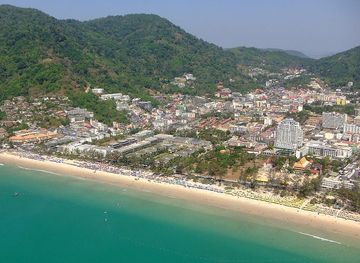
Browse our curated selection of top destinations, scenic points, and must-visit spots in the area.




Your all‑in‑one travel companion app
Explore expert travel guides, compare and book tours, experiences, hotels, and more—all from the palm of your hand. Download now for seamless trip planning wherever your wanderlust takes you.


Explore More of Aceh
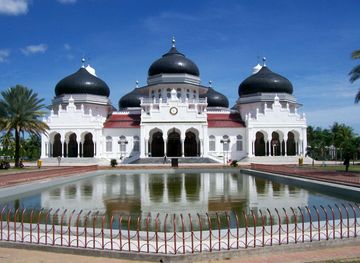
Looking beyond Pulau Weh? Discover Aceh for broader travel guides, local hot-spots, and regional highlights.
Explore AcehExplore More of Indonesia

Looking beyond Pulau Weh? Discover Indonesia for broader travel guides, local hot-spots, and regional highlights.
Explore IndonesiaPulau Weh in Photos
Browse through our photo collection highlighting the charm and character of the destination.
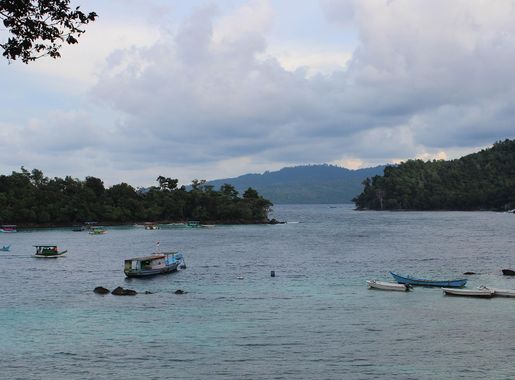


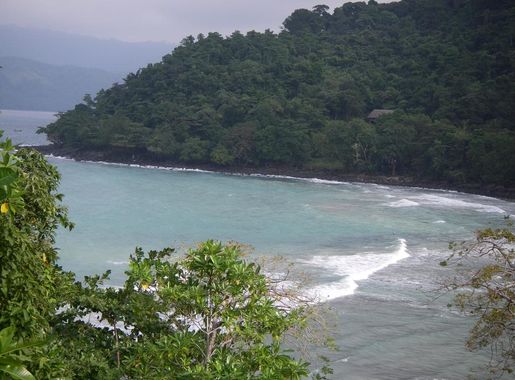
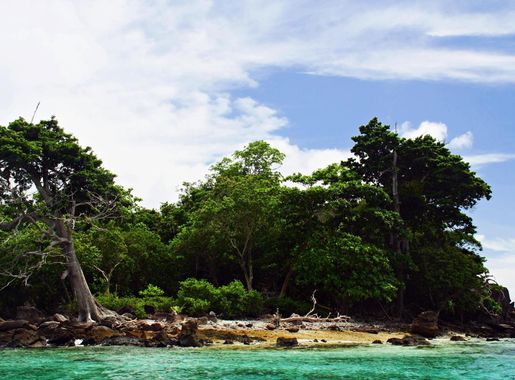

Pulau Weh: Indonesia's Hidden Island Treasure
Pulau Weh, a small island in Indonesia, is a hidden gem waiting to be discovered. Located at the northern tip of Sumatra, this island offers a perfect blend of natural beauty and cultural charm. The island is renowned for its pristine beaches, crystal-clear waters, and vibrant marine life. It is a paradise for divers and snorkelers, with several dive sites that showcase stunning coral reefs and diverse underwater species. One of the highlights of Pulau Weh is the underwater volcano, which creates a unique diving experience with warm waters and bubbling volcanic activity. The island's lush, green forests are perfect for hiking and exploring, offering breathtaking views of the surrounding sea. The local villages provide a glimpse into traditional Indonesian life, with friendly locals, delicious cuisine, and colorful markets. For those seeking relaxation, Pulau Weh's serene beaches are ideal for unwinding. Enjoy the soft white sands and the sound of waves gently lapping the shore. Sunsets here are spectacular, painting the sky in hues of orange and pink. Whether you're an adventure enthusiast or looking for a peaceful retreat, Pulau Weh has something to offer everyone.