

Free Fort Dodge Travel Guide & Mobile App
Plan your Fort Dodge trip with Evendo. Get free guides to top attractions, restaurants, hotels, and bars. Web access or download the mobile app.


Fort Dodge, Iowa combines frontier history, gypsum heritage, museums, river trails and welcoming Midwestern culture in north-central Iowa.
A River City with a Frontier Past
Fort Dodge stands in north-central Iowa beside the Des Moines River, where fertile farmland, gypsum-rich geology and a history of military settlement have shaped the city’s character. Its name comes from the United States Army post established here in 1850, although the garrison remained for only a few years. The community that followed developed as a regional centre for agriculture, trade, manufacturing and transport. Today, traces of that early history remain particularly visible around the Fort Museum and Frontier Village, where reconstructed and historic buildings evoke the formative years of the settlement.Read more about Fort Dodge
Heritage, Arts and Everyday City Life
Open Space beside the Des Moines River
When is the best time to visit Fort Dodge?
Best: June, August–September · 22–27°C| Month | High (°C) | Rainfall (mm) |
|---|---|---|
| January | -1 | 20 |
| February | 2 | 25 |
| March | 9 | 35 |
| April | 16 | 55 |
| May | 22 | 95 |
| June (best) | 26 | 105 |
| July | 27 | 105 |
| August (best) | 27 | 95 |
| September (best) | 22 | 75 |
| October | 16 | 55 |
| November | 8 | 35 |
| December | 1 | 25 |
Getting to and around Fort Dodge
How to get there
Transportation
Best attractions in Fort Dodge
Fort Dodge’s principal attractions combine local history, art and outdoor space. The Fort Museum and Frontier Village explains the city’s military origins and later settlement through historic and reconstructed buildings, period objects and an open-air setting. At Blanden Memorial Art Museum, changing exhibitions and educational displays provide a quieter cultural counterpoint, with works presented in a community-focused institution. Soldier Creek Nature Trail follows a green corridor suited to walking and cycling, while Oleson Park offers open lawns, wooded areas and recreational space within the city. The historic downtown rewards a slower stroll past commercial and civic architecture, and the Des Moines River gives the landscape its defining natural thread. Together these places show Fort Dodge not as a large-scale sightseeing centre, but as an accessible regional city where a compact heritage experience is complemented by trails, parks and the surrounding Iowa countryside.
-
Amusement center
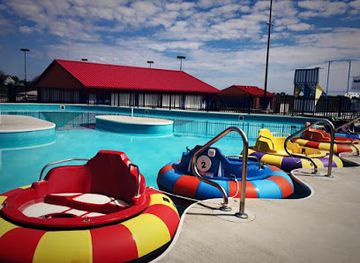
Fort Frenzy
Discover endless fun at Fort Frenzy, the top amusement center in Fort Dodge, Iowa, featuring thrilling rides, laser tag, go-karts, and more for all ages.
8 min drive · 2.7 km from city centre
-
Tourist attraction
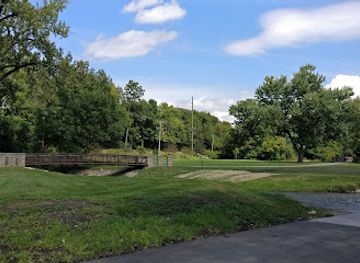
Snell-Crawford Park
Explore Snell-Crawford Park in Fort Dodge, IA - a family-friendly oasis of green spaces, recreation, and community spirit.
14 min walk · 1.1 km from city centre
-
Tourist attraction
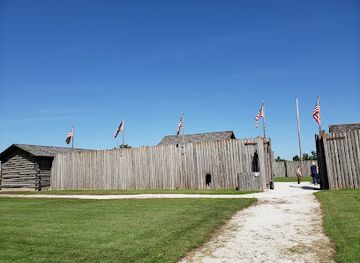
The Fort Museum and Frontier Village
Discover the captivating history of the American frontier at The Fort Museum and Frontier Village in Fort Dodge, Iowa, an engaging experience for all ages.
8 min drive · 2.7 km from city centre
-
Tourist attraction
Oleson Park Music Pavilion
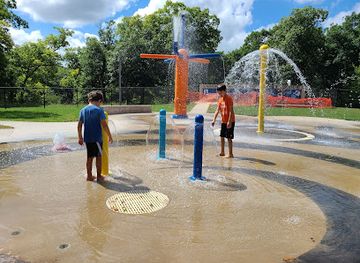
Discover the Oleson Park Music Pavilion, a hidden gem in Fort Dodge offering a serene atmosphere, engaging performances, and beautiful nature.
7 min drive · 2.2 km from city centre
Best landmarks in Fort Dodge
The Fort Museum and Frontier Village is Fort Dodge’s most evocative historical landmark complex, recalling the military post and the settlement that grew around it through preserved and reconstructed structures. The Webster County Courthouse represents the civic confidence of a prosperous county centre, while the historic downtown contains public and commercial buildings that chart the city’s growth during the late nineteenth and early twentieth centuries. Blanden Memorial Art Museum is significant not only as a cultural institution but also as a visible expression of the city’s long investment in public arts and education. The Des Moines River, though a natural feature rather than a single monument, is central to Fort Dodge’s identity: the military post, transport ambitions and later urban development all depended on the valley and its crossing points.
-
Mexican
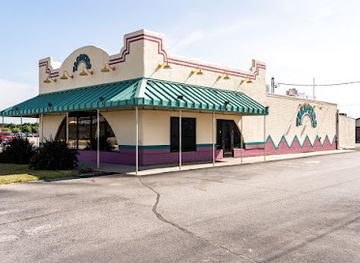
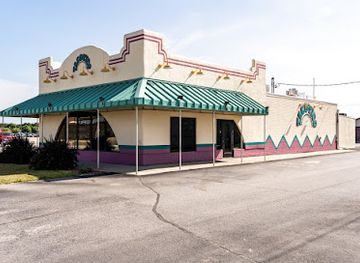
Taco Tico
Savor authentic Mexican flavors at Taco Tico in Fort Dodge, where fresh ingredients meet quick service for an unforgettable dining experience.
6 min drive · 1.9 km from city centre
-
American
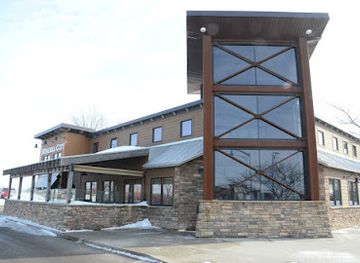
Mineral City Mill and Grill
Discover the flavors of America at Mineral City Mill and Grill, a beloved dining spot in Fort Dodge, Iowa, offering hearty dishes in a welcoming atmosphere.
5 min drive · 1.8 km from city centre
-
Restaurant
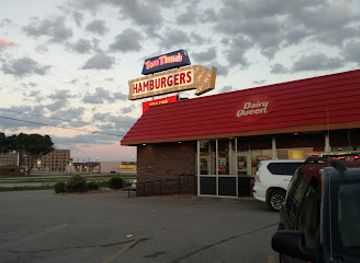
Tom Thumb Drive In
Experience classic American dining at Tom Thumb Drive In in Fort Dodge, Iowa, where delicious burgers and nostalgic flavors await.
10 min drive · 3.2 km from city centre
-
Mexican
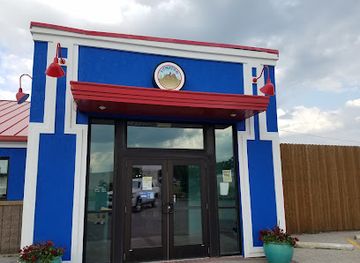
Lomita's Mexican Restaurant
Experience the authentic taste of Mexico at Lomita's Mexican Restaurant, where every meal is a celebration of flavors and culture in Fort Dodge, Iowa.
17 min walk · 1.3 km from city centre
Explore Fort Dodge on the map
Plan your Fort Dodge trip on one map. See where the top attractions, landmarks, restaurants, bars and hotels are, find what's near where you're staying, and book hotels and experiences in a few clicks.
Best hotels in Fort Dodge
Best restaurants in Fort Dodge
Fort Dodge’s dining scene reflects north-central Iowa’s agricultural setting and practical Midwestern character. Menus commonly draw on familiar American cooking, including burgers, steaks, pork, chicken, sandwiches and seasonal vegetables, while cafés and family-run restaurants provide relaxed options for breakfast or an informal meal. Local food traditions are connected to Iowa’s wider farm culture, where sweet corn, pork and baked goods appear regularly when in season. Downtown and the central commercial areas contain a mixture of independent eateries, casual dining rooms and drinking establishments, with further choices along the main roads serving residents and passing travellers. Food shopping and seasonal community markets can add a more local perspective, although the city is better known for dependable regional dining than for a highly specialised culinary scene. Nearby rural communities offer additional examples of small-town Iowa cooking.
-
Mexican
Taco Tico
Experience authentic Mexican fast food at Taco Tico in Fort Dodge – where flavor meets affordability!
6 min drive · 1.9 km from city centre
-
American
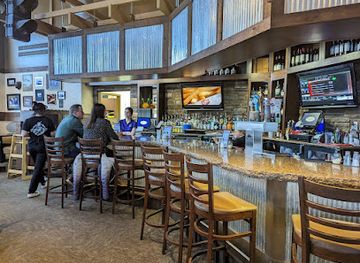
Mineral City Mill and Grill
Discover hearty American cuisine at Mineral City Mill and Grill in Fort Dodge - where flavor meets local charm.
5 min drive · 1.8 km from city centre
-
Fast Food
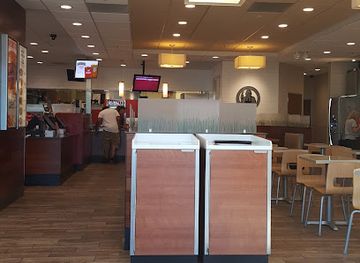
Wendy's
Savor classic American fast food at Wendy's in Fort Dodge—home of fresh ingredients and mouthwatering flavors.
18 min walk · 1.4 km from city centre
-
Restaurant
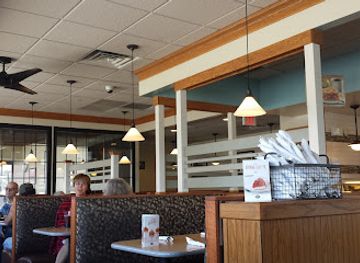
Perkins Restaurant & Bakery
Experience delicious comfort food at Perkins Restaurant & Bakery in Fort Dodge - perfect for breakfast lovers and dessert enthusiasts alike.
8 min drive · 2.7 km from city centre
Best bars in Fort Dodge
Fort Dodge’s evening scene is modest and locally oriented rather than built around large nightclubs. Downtown and the central commercial areas contain bars and casual establishments where residents meet for conversation, televised sport, drinks and occasional live entertainment. Community events, concerts and performances at local arts venues may provide a more cultural night out, while seasonal programmes can bring music and public activity to parks or civic spaces. The pace is generally relaxed, and many evenings are shaped by dining, local gatherings or performances rather than late-night clubbing. Visitors should check current community listings for live music, theatre and other events, since programming changes and smaller venues may operate on a limited schedule. Alcohol service follows Iowa and United States laws, including age restrictions and requirements concerning impaired driving.
-
Restaurant
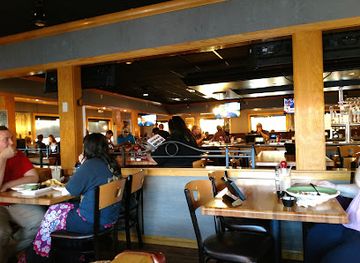
Applebee's Grill + Bar
Experience the best of American cuisine at Applebee's Grill + Bar in Fort Dodge, where every meal is a celebration of flavor and fun.
5 min drive · 1.8 km from city centre
-
Grill
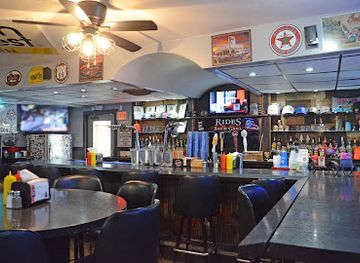
Rides Bar & Grill
Experience the vibrant flavors of Fort Dodge at Rides Bar & Grill, where delicious food meets a lively atmosphere.
8 min drive · 2.6 km from city centre
-
American
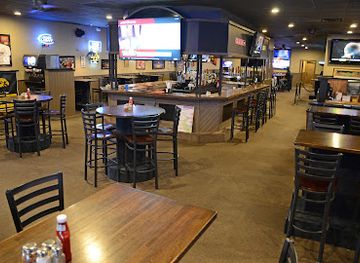
Sports Page Bar & Grill
Discover the vibrant atmosphere and delicious American fare at Sports Page Bar & Grill in Fort Dodge, IA – the ultimate sports dining experience.
8 min drive · 2.7 km from city centre
-
Bar
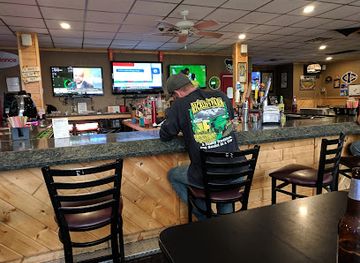
Sneakers Eatery and Pub
Discover Sneakers Eatery and Pub in Fort Dodge, where delicious American cuisine meets a vibrant pub atmosphere for an unforgettable dining experience.
3 min walk · 0.2 km from city centre
Best nightclubs in Fort Dodge
Fort Dodge’s evening scene is modest and locally oriented rather than built around large nightclubs. Downtown and the central commercial areas contain bars and casual establishments where residents meet for conversation, televised sport, drinks and occasional live entertainment. Community events, concerts and performances at local arts venues may provide a more cultural night out, while seasonal programmes can bring music and public activity to parks or civic spaces. The pace is generally relaxed, and many evenings are shaped by dining, local gatherings or performances rather than late-night clubbing. Visitors should check current community listings for live music, theatre and other events, since programming changes and smaller venues may operate on a limited schedule. Alcohol service follows Iowa and United States laws, including age restrictions and requirements concerning impaired driving.
-
Grill
Rides Bar & Grill
Experience a vibrant dining atmosphere at Rides Bar & Grill in Fort Dodge, featuring delicious grilled dishes and a full bar for a perfect night out.
8 min drive · 2.6 km from city centre
-
Bar
Sneakers Eatery and Pub
Experience the best of American cuisine and vibrant nightlife at Sneakers Eatery and Pub in Fort Dodge, Iowa.
3 min walk · 0.2 km from city centre
-
Bar
Fourth Street Depot
Discover Fourth Street Depot: A lively bar in Fort Dodge, Iowa, offering karaoke, affordable drinks, and a welcoming atmosphere for all.
15 min walk · 1.2 km from city centre
-
Bar
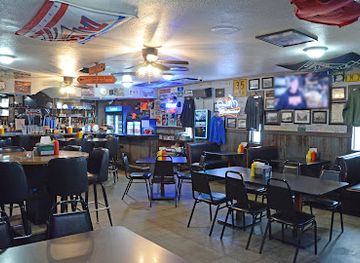
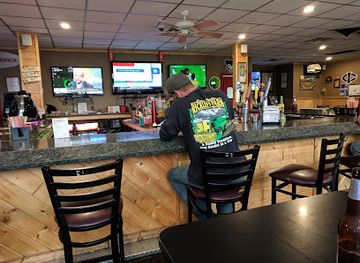
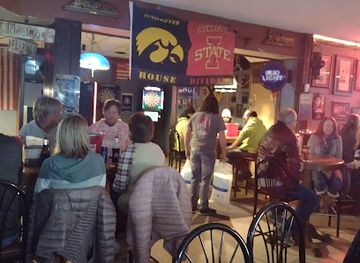
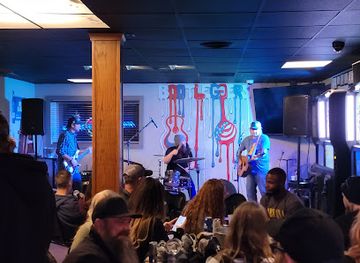
Bootleggers
Experience the vibrant nightlife at Bootleggers in Fort Dodge, IA, where great drinks and a friendly atmosphere await every visitor.
7 min drive · 2.2 km from city centre
Best shops in Fort Dodge
Shopping in Fort Dodge is centred on practical retail, local services and a modest independent presence rather than a specialist luxury quarter. Historic downtown streets offer small businesses, antique and gift shopping, seasonal events and locally oriented services, while larger retail areas and Crossroads Mall provide mainstream shops and everyday necessities. Visitors interested in regional products can look for Iowa-made foods, preserves, baked goods, crafts and locally themed gifts, with availability varying by season and retailer. Farmers’ markets and community sales may provide a more direct connection with nearby agricultural producers when operating. The city’s shopping geography reflects its role as a regional service centre: downtown supplies character and independent businesses, while commercial corridors offer convenience for residents and travellers.
-
Department store
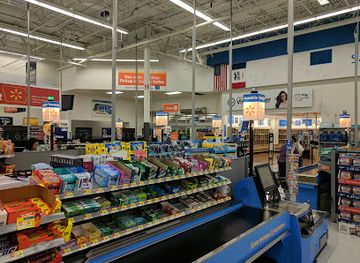
Walmart Supercenter
Discover convenience and value at Walmart Supercenter in Fort Dodge, your ultimate shopping destination for everything from groceries to electronics.
7 min drive · 2.2 km from city centre
-
Craft store
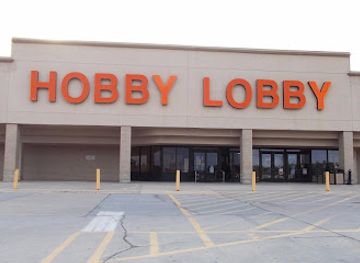
Hobby Lobby
Explore Hobby Lobby in Fort Dodge, Iowa for a vast selection of crafting supplies, home decor, and seasonal items to fuel your creative passions.
6 min drive · 2.0 km from city centre
-
Department store
Kohl's
Experience shopping bliss at Kohl's Fort Dodge, Iowa, where affordable prices meet a wide selection of quality products for the entire family.
7 min drive · 2.2 km from city centre
-
Department store
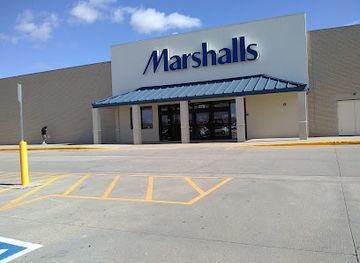
Marshalls
Shop at Marshalls in Fort Dodge for unbeatable deals on clothing, accessories, and home goods, making every shopping trip a delightful adventure.
6 min drive · 2.0 km from city centre

Get your free copy of our complete guide to Fort Dodge, delivered straight to you.
Everything on this page, from attractions and restaurants to essentials and local phrases, in one PDF you can read offline, print or share.
Already have an account? Sign in
Your Fort Dodge guide is ready.
We'll send it to · Not you? Sign out

Getting your guide ready…
We are putting together a fresh copy of the Fort Dodge guide. This can take up to a minute.
This can take a few moments. If your browser asks, choose Allow so the download can start. You'll find the guide in your Downloads folder.
Nothing happened? Download it again
Sorry, the guide is taking longer than usual. Please try again in a minute, or get it by email instead.
Fort Dodge essentials
Currency and Payment
Safety
Emergency Situations
Do's and Don'ts
Local Tips
From Eve
Local phrases worth knowing
You don't need to get them perfect. A few words go a long way, and locals appreciate the effort.
Basics
| English | Local | Say it |
|---|---|---|
| Hello | Howdy | [haw-dee] |
| Goodbye | See ya | [see yuh] |
| Yes | Yep | [yep] |
| No | Nah | [nah] |
| Please/You're welcome | Sure thing | [shore thang] |
| Thank you | Thanks | [thanks] |
| Excuse me/Sorry | Pardon me | [par-dun me] |
| How are you? | How ya doin'? | [haw yuh doin'] |
| Fine. And you? | Good. You? | [good. yuh?] |
| Do you speak English? | Ya speak English? | [yuh speak ing-lish?] |
| I don't understand | I dunno what ya mean | [I dunno what yuh mean] |
Eating & Drinking
| English | Local | Say it |
|---|---|---|
| I'd like to see the menu, please | Can I get the menu? | [kan I get the menu?] |
| I don't eat meat | I don't eat no meat | [I dun eat no meat] |
| Cheers! | Cheers! | [cheers!] |
| I would like to pay, please | I'll pay now | [I'll pay now] |
Emergencies
| English | Local | Say it |
|---|---|---|
| Help! | Help! | [help!] |
| Go away! | Go away! | [go away!] |
| Call the Police! | Call the Cops! | [call the cops!] |
| Call a doctor! | Get a doc! | [get a doc!] |
| I'm lost | I'm lost | [I'm lost] |
| I'm ill | I'm sick | [I'm sick] |
Shopping
| English | Local | Say it |
|---|---|---|
| I'd like to buy... | I wanna buy... | [I wanna buy...] |
| I'm just looking | Just browsin' | [just browsin'] |
| How much is it? | How much? | [how much?] |
| That's too expensive | That's pricey | [that's pricey] |
| Can you lower the price? | Can ya do better on the price? | [can yuh do better on the price?] |
Time & Numbers
| English | Local | Say it |
|---|---|---|
| What time is it? | What time is it? | [what time is it?] |
| It's one o'clock | It's one | [it's one] |
| Half past (10) | Half past ten | [half past ten] |
| Morning | Mornin' | [mornin'] |
| Afternoon | Afternoon | [afternoon] |
| Evening | Evenin' | [evenin'] |
| Yesterday | Yest'day | [yest'day] |
| Today | Today | [today] |
| Tomorrow | Tomorrah | [tomorrah] |
| 1 | One | [wun] |
| 2 | Two | [too] |
| 3 | Three | [three] |
| 4 | Four | [four] |
| 5 | Five | [five] |
| 6 | Six | [six] |
| 7 | Seven | [seven] |
| 8 | Eight | [eight] |
| 9 | Nine | [nine] |
| 10 | Ten | [ten] |
Transport & Directions
| English | Local | Say it |
|---|---|---|
| Where's a/the...? | Where's the...? | [where's the...?] |
| What's the address? | What's the address? | [what's the address?] |
| Can you show me (on the map)? | Show me (on the map)? | [show me (on the map)?] |
| When's the next (bus)? | When's the next (bus)? | [when's the next (bus)?] |
| A ticket (to ....) | A ticket (to ....) | [a ticket (to ....)] |
History of Fort Dodge
The Des Moines River Valley Before the City
Long before Fort Dodge was established, the Des Moines River valley was used and travelled by Indigenous peoples, including communities associated with the wider Dakota, Ho-Chunk, Sauk and Meskwaki cultural worlds. The river provided a natural corridor through what became north-central Iowa, while prairie, woodland and wetland environments supported hunting, fishing and seasonal movement. United States territorial expansion, land cessions and the arrival of Euro-American settlers radically altered those patterns during the nineteenth century. The river’s location nevertheless continued to determine the later settlement’s importance, providing access, water and a route through the surrounding agricultural country.
The Fort Dodge Military Post
The United States Army established a post on the Des Moines River in 1850, initially calling it Fort Clarke. It was renamed Fort Dodge in 1851, honouring Henry Dodge, a prominent military officer and territorial politician. The post formed part of a wider federal effort to maintain an American presence on the frontier, but its military life was brief; the garrison was withdrawn in 1853. The abandoned installation nevertheless gave the emerging settlement its enduring name. Later commemorations and reconstructed buildings at the Fort Museum and Frontier Village preserve the memory of this formative period, while also reflecting how frontier history has been interpreted for modern visitors.
Settlement and Civic Formation
After the army left, settlers developed a permanent town around the former post and the river crossing. Fort Dodge benefited from its position between expanding agricultural districts and from the Des Moines River’s potential as a transport route, even though river navigation never became the lasting foundation its promoters hoped for. Commercial activity, land speculation and public institutions followed during the 1850s and 1860s. The town was incorporated as a city in 1869, by which time Fort Dodge had assumed a regional role. Churches, schools, shops and civic buildings gradually replaced the temporary character of the military frontier.
Railways, Gypsum and Regional Growth
Rail connections in the later nineteenth century strengthened Fort Dodge’s position as a trading and distribution centre for north-central Iowa. At the same time, deposits of gypsum near the city encouraged quarrying, milling and manufacturing. Gypsum products became one of Fort Dodge’s defining industries, linking local geology with employment, investment and wider markets. Agricultural trade remained central, but the combination of rail transport and mineral production gave the city a more diversified economic base. Many of the substantial commercial and public buildings associated with the historic centre date from this era of expanding regional importance.
A Modern Regional Centre
During the twentieth century, Fort Dodge continued to serve surrounding farming communities while adapting its industrial, educational and civic institutions to changing economic conditions. The river corridor, former industrial sites and historic downtown became part of a broader conversation about conservation, heritage and urban renewal. Institutions such as Blanden Memorial Art Museum and the Fort Museum and Frontier Village helped broaden the city’s cultural profile beyond industry and commerce. Contemporary Fort Dodge retains the practical character of a regional Iowa centre, but its museums, parks, trails and preserved civic architecture make the layers of its development accessible to visitors.
Fort Dodge in Photos
Browse through our photo collection highlighting the charm and character of the destination.
Cities near Fort Dodge
The closest cities to Fort Dodge, if you have time for more than one stop.
-

-

-

-
-


Swipe for more cities
Explore more

Explore more of Iowa
Explore Iowa: The American Heartland with its blend of rural charm, vibrant cities, rich cultural experiences, and natural beauty, perfect for nature lovers and cultural enthusiasts.
Explore Iowa