Eridu, Sumeria, Dhi Qar Travel Guide
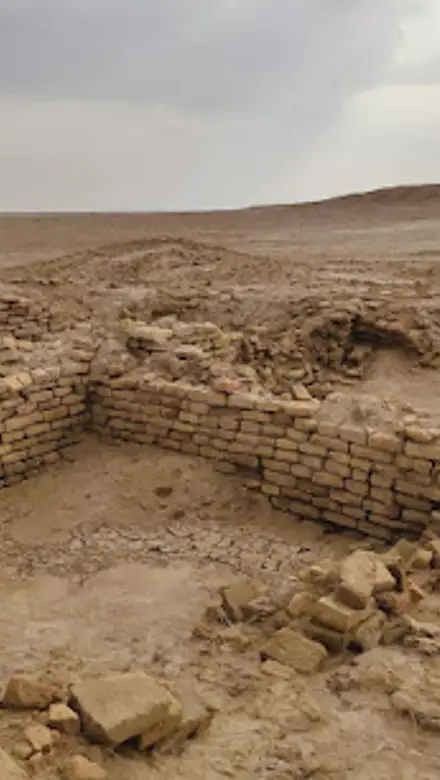
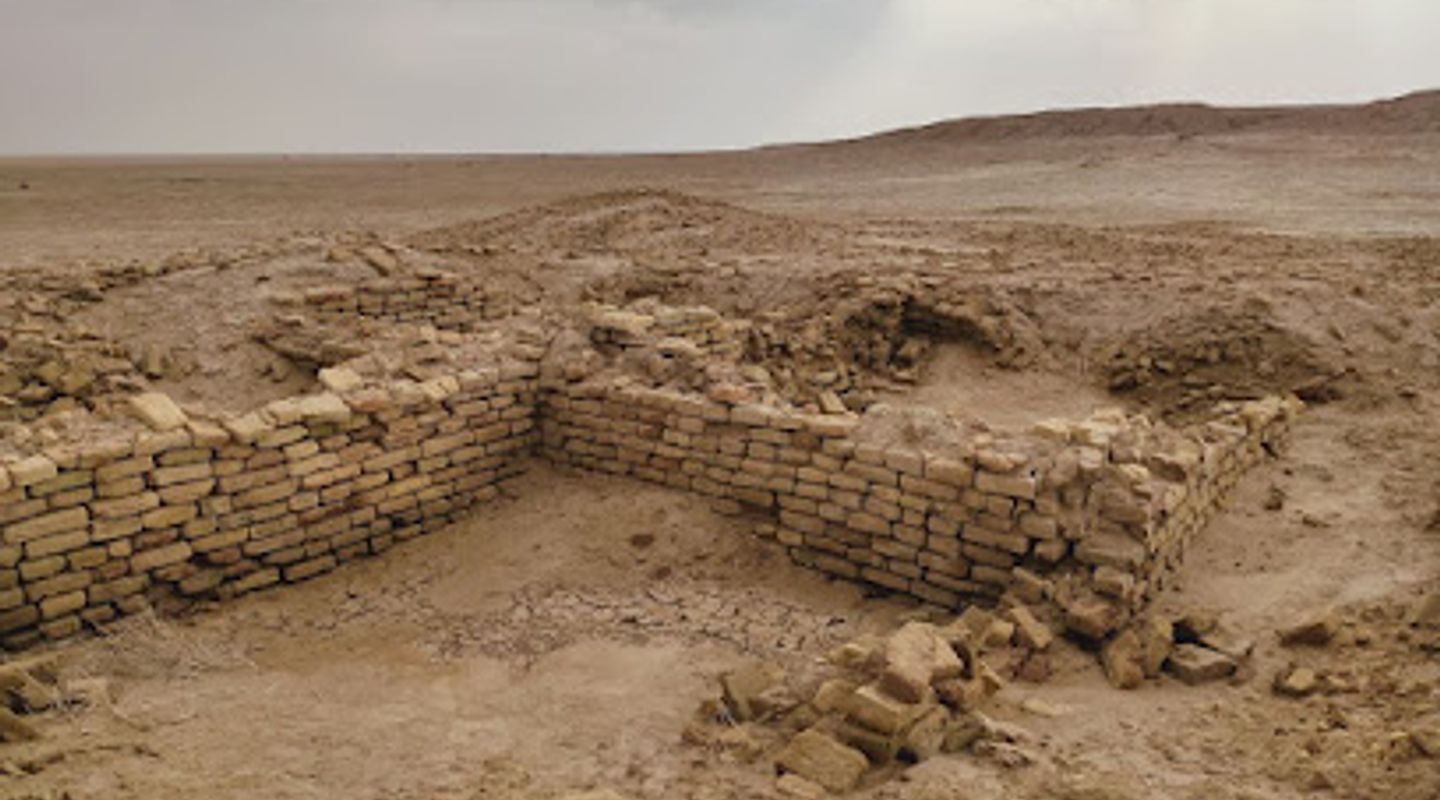
Journey to Eridu, the ancient Sumerian city and the mythological home of Enki, where civilization is believed to have begun.
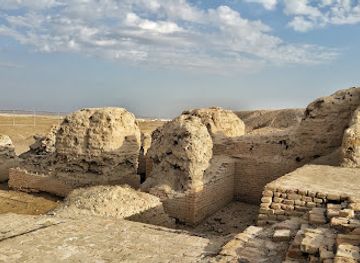
Explore the ruins of Eridu, considered by many to be the oldest city in Mesopotamia, dating back to 5400 BC. Discover the origins of urban life and the temple of Enki, the Sumerian god of water and wisdom.
A brief summary to Eridu, Sumeria
- RX8V+PW9, Dhi Qar Governorate, IQ

Know before you go
Hi, I'm Eve. Here are a few practical things to know before exploring Eridu, Sumeria.
- Visit during the cooler months (October to March) for a more comfortable experience.
- Hire a local guide to gain a deeper understanding of the historical context and significance of the ruins.
- Bring plenty of water and sun protection, as the site offers little shade.
- Respect the site and its artifacts; avoid climbing on the ruins.
- Check for any travel advisories or safety updates before planning your trip.
Do you manage this location?
Take control to get all the benefits, like improved information, better appearance, and stronger visibility across AI-powered discovery. Learn more about listing your business on Evendo
Activate your presenceOther nearby places you may find interesting
The closest places of the same kind, if this one is not quite what you had in mind.

Explore Eridu, Sumeria on the Map
A handpicked selection of must-see spots near Eridu, Sumeria, mapped for you.
Getting There
-
Public Transport
From Nasiriyah, take a shared taxi or minibus to Al-Qadisiyyah. The fare is approximately 1,000 IQD. From Al-Qadisiyyah, take another shared taxi directly to Eridu for around 1,500 IQD.
-
Taxi
Taxis are available in most urban areas in Southern Iraq. Negotiate the fare beforehand, which should be around 10,000 to 15,000 IQD depending on your starting location. Provide the driver with the coordinates RX8V+PW9 if they are unfamiliar with Eridu.
Discover more about Eridu, Sumeria













Your all‑in‑one travel companion app
Explore expert travel guides, compare and book tours, experiences, hotels, and more—all from the palm of your hand. Download now for seamless trip planning wherever your wanderlust takes you.


Explore More of Dhi Qar
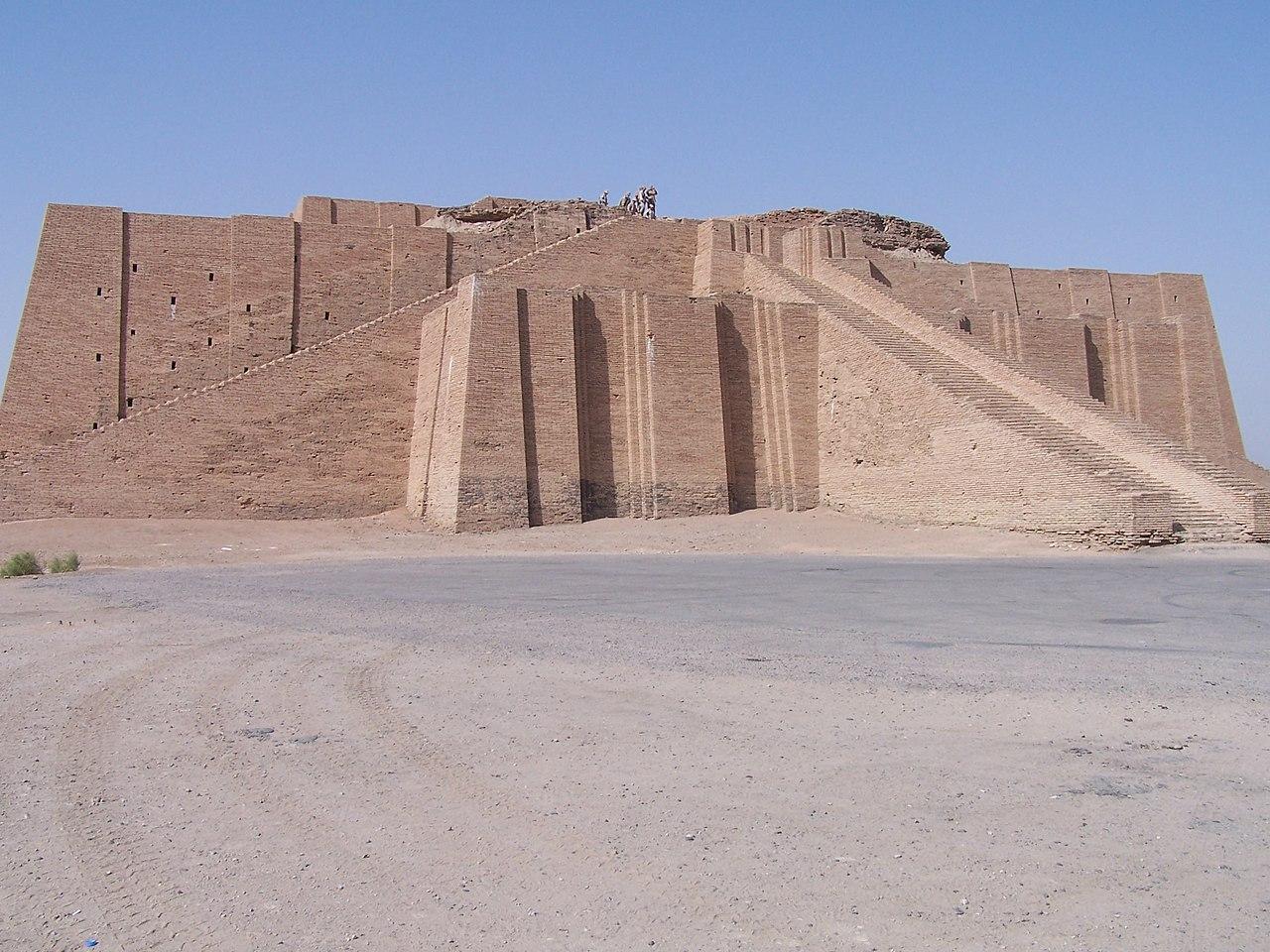
Looking beyond Eridu, Sumeria? Discover Dhi Qar for broader travel guides, local hot-spots, and regional highlights.
Explore Dhi Qar
A high-security prison near Nasiriyah, known for its overcrowding and controversial history. Not a typical tourist destination.
Uncover the ancient roots of civilization at Tell Eridu, a UNESCO World Heritage Site in Iraq's Dhi Qar Governorate. Explore Sumerian history.