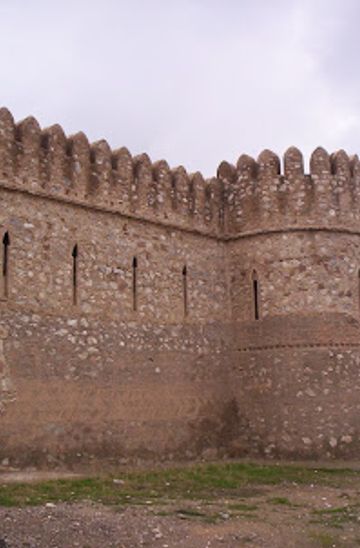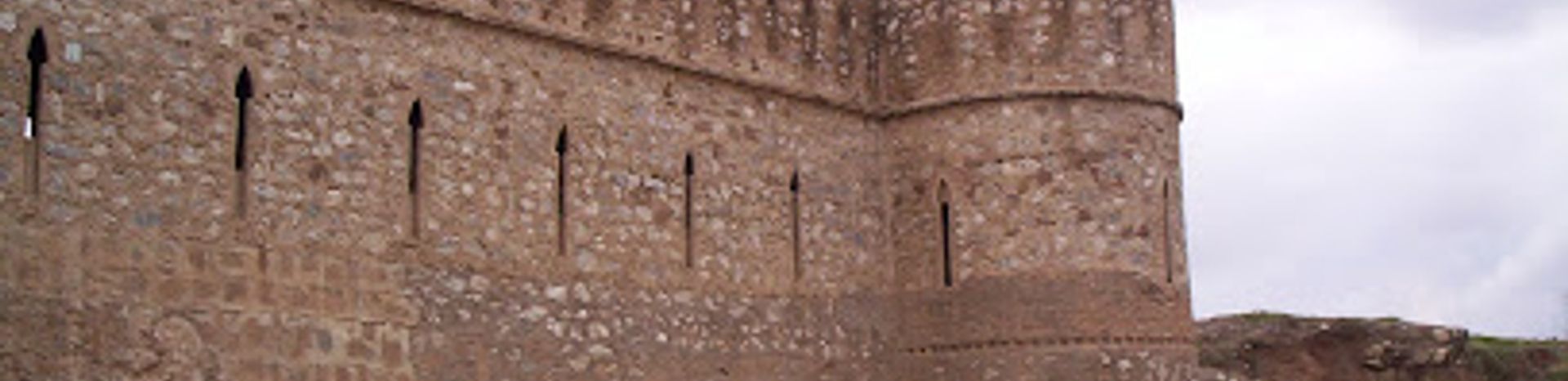
The Majestic Kirkuk Citadel: A Journey Through Time
Discover the ancient wonder of Kirkuk Citadel, a historical fortress showcasing Iraq's rich heritage and breathtaking views.
Kirkuk Citadel, an impressive historical fortress in Iraq, offers tourists a captivating glimpse into the region's rich heritage. Standing proudly atop a hill, this ancient stronghold is steeped in history, providing breathtaking views and a unique atmosphere that enchants visitors. Explore its ancient walls and immerse yourself in centuries of culture and tradition.
A brief summary to Kirkuk Citadel
- F99V+FX9, Kirkuk, Nahiyat Hammam, Kirkuk Governorate, 36001, IQ

Know before you go
Hi, I'm Eve. Here are a few practical things to know before exploring Kirkuk Citadel.
- Visit early in the morning or late afternoon to avoid the midday heat and enjoy the best lighting for photographs.
- Wear comfortable shoes as the terrain can be uneven, and you'll want to explore every corner.
- Consider hiring a local guide to enrich your experience with stories and insights about the citadel's history.
- Bring a water bottle to stay hydrated, especially during warmer months when temperatures can rise.
- Respect the local customs and dress modestly while visiting this historical site.
Do you manage this location?
Take control to get all the benefits, like improved information, better appearance, and stronger visibility across AI-powered discovery. Learn more
Activate your presenceOther nearby places you may find interesting
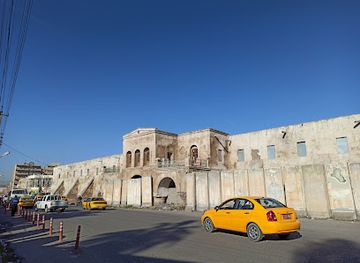

Getting There
-
Car
If you're traveling by car, head towards the city center of Kirkuk. From the main square, locate the road leading to the east towards Nahiyat Hammam. Continue driving for approximately 5 kilometers. Look for signs pointing to Kirkuk Citadel, which is situated at the coordinates 35.468652, 44.394981. Parking is usually available nearby, but be cautious of local traffic regulations.
-
Public Transportation
To reach Kirkuk Citadel via public transportation, take a local minibus or taxi from any central location in Kirkuk. Ask the driver for 'Kirkuk Citadel' or point to the coordinates (35.468652, 44.394981) on a map to ensure they understand your destination. The fare should be around 1,000 to 2,000 IQD, depending on your starting point. Once you arrive, the Citadel is a short walk from the nearest drop-off point.
-
Walking
If you are in close proximity to the Kirkuk Citadel, you can walk from nearby landmarks. From the central market, head east along Al-Mansour Street until you reach the intersection with 1st of May Street. Turn left and continue straight until you spot the Citadel. It's a prominent structure, making it easy to locate. The walk should take around 15-20 minutes.
Discover more about Kirkuk Citadel
Explore the best of what Kirkuk Citadel has to offer













More about Kirkuk Region
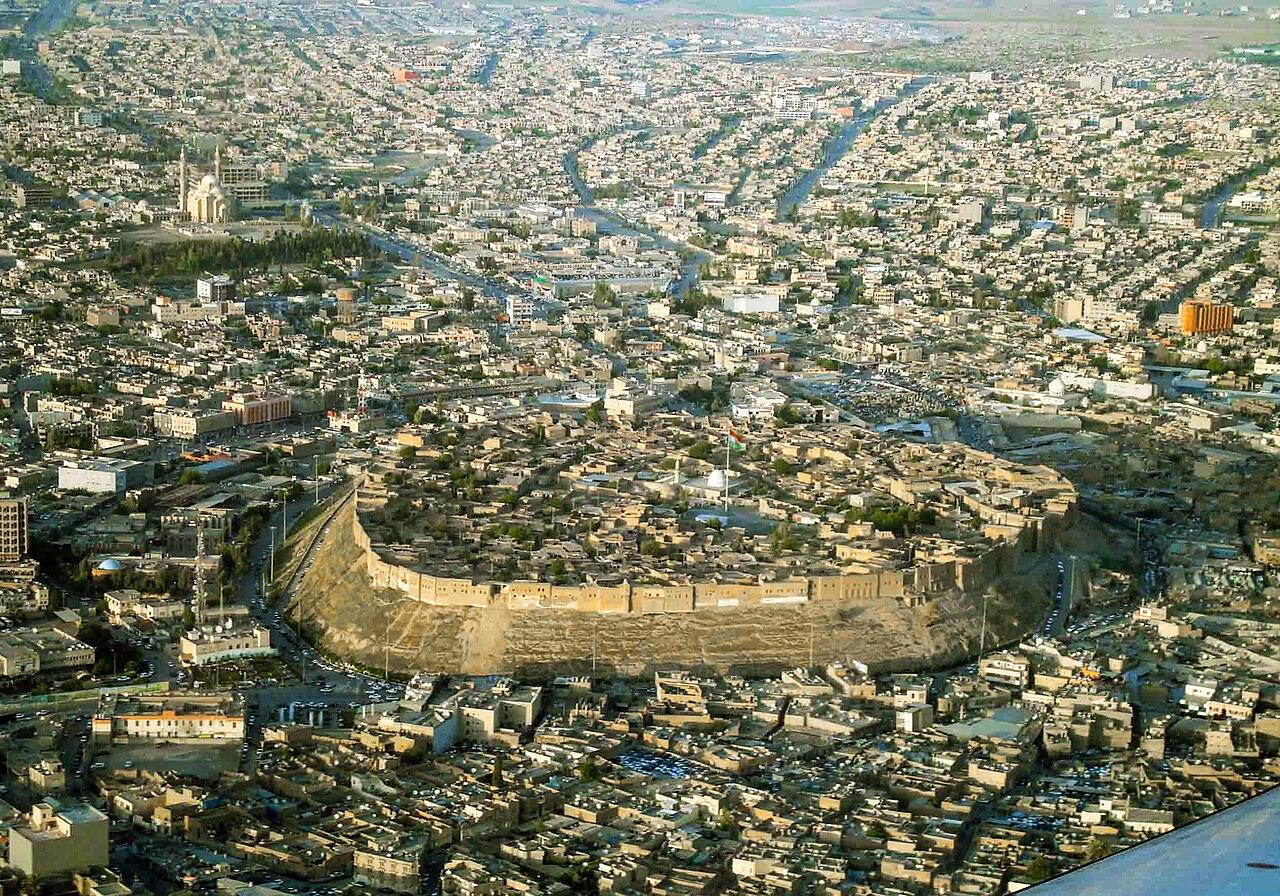
Explore Kirkuk: A historic gem in northern Iraq, where ancient ruins meet vibrant cultures and diverse cuisines in a city rich with history and natural beauty.
Tell me more about Kirkuk Region
Unearth the secrets of Tell al-Fakhar, an ancient Mesopotamian settlement in Kirkuk, revealing millennia of history and culture.
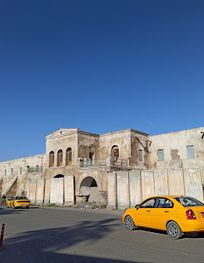
Explore Kirkuk Kishla, a historic Ottoman barrack turned archaeological museum, showcasing the diverse heritage of Kirkuk and its ancient civilizations.