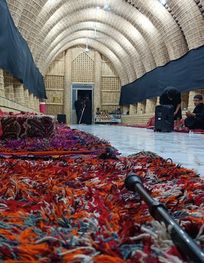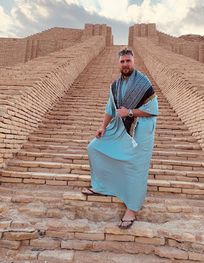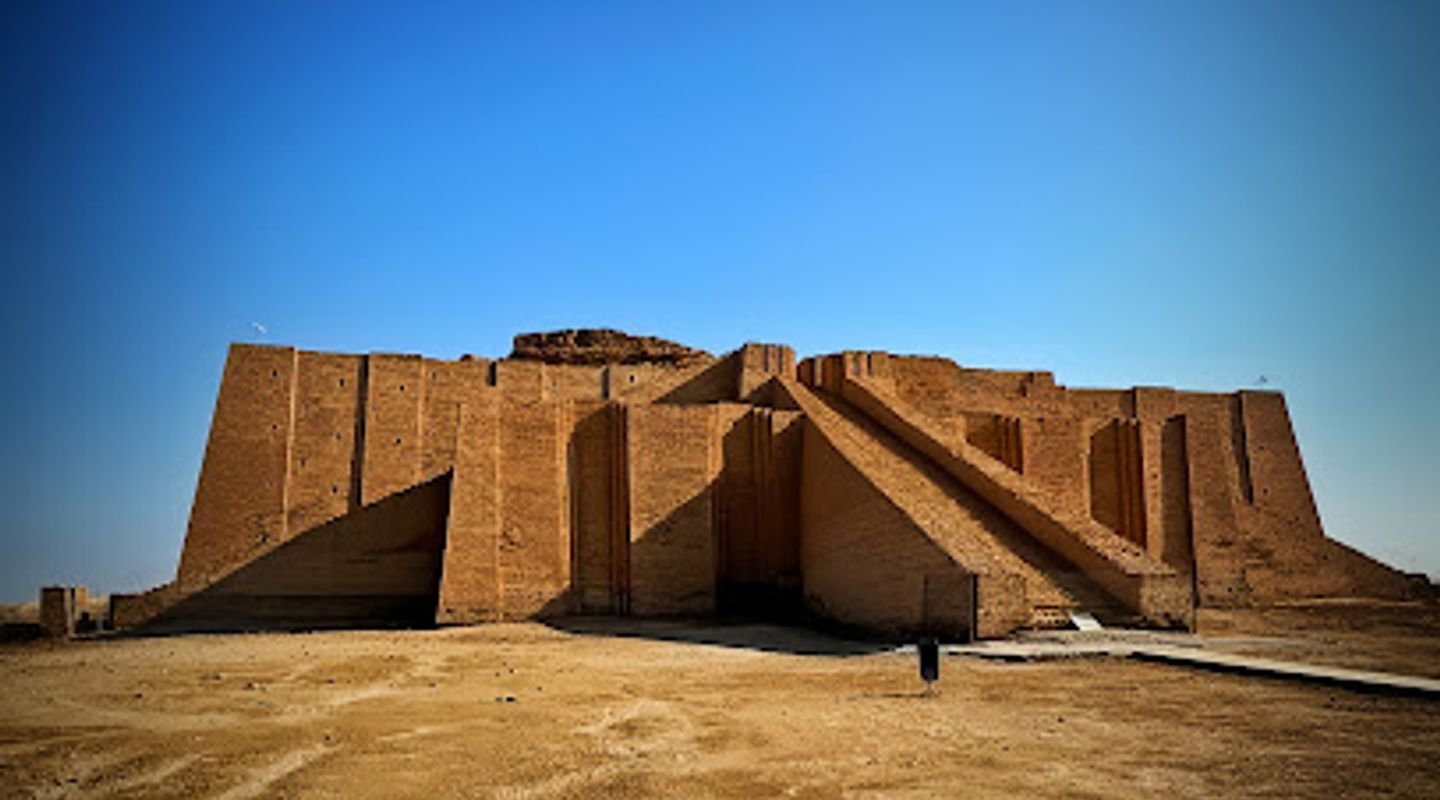
Dub lal makh temple معبد دي لال ماخ, Muthanna Travel Guide
Explore the historical Dublal Makh Temple in Dhi Qar, a landmark with ancient roots and echoes of Mesopotamia's past.
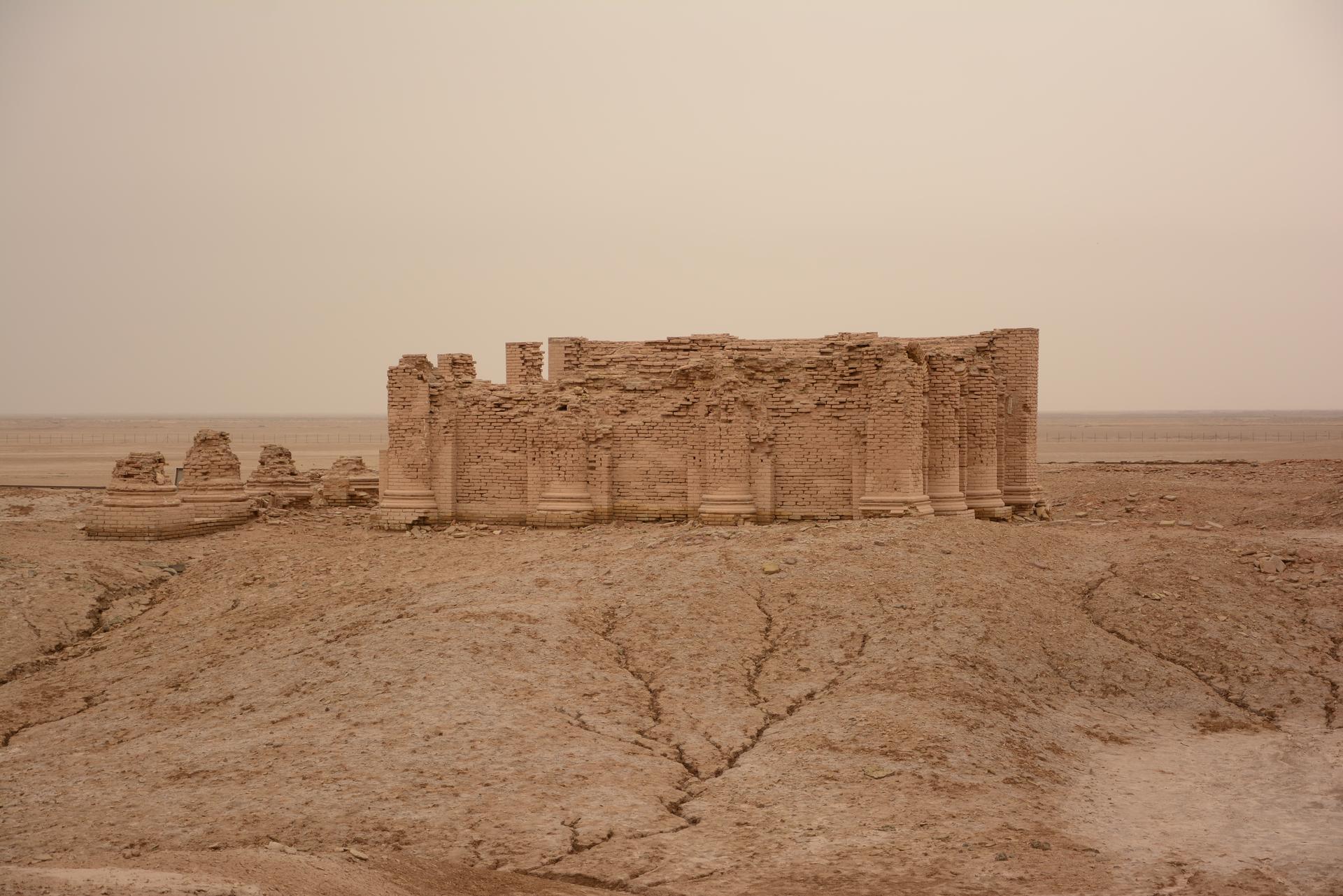
The Dublal Makh Temple, located in Mahatt Ur, Dhi Qar Governorate, stands as a historical landmark with a rich past. Once a hall of justice, this site offers a glimpse into the ancient world of Mesopotamia, inviting visitors to explore its enduring legacy.
A brief summary to Dub lal makh temple معبد دي لال ماخ
- X463+XJ, Mahatt Ur, Dhi Qar Governorate, IQ

Know before you go
Hi, I'm Eve. Here are a few practical things to know before exploring Dub lal makh temple معبد دي لال ماخ.
- Wear comfortable shoes suitable for walking on uneven terrain, as the site involves exploring ancient ruins.
- Bring water and sun protection, especially during the hot summer months.
- Consider hiring a local guide to gain deeper insights into the history and significance of the temple.
Do you manage this location?
Take control to get all the benefits, like improved information, better appearance, and stronger visibility across AI-powered discovery. Learn more about listing your business on Evendo
Activate your presenceOther nearby places you may find interesting
The closest places of the same kind, if this one is not quite what you had in mind.
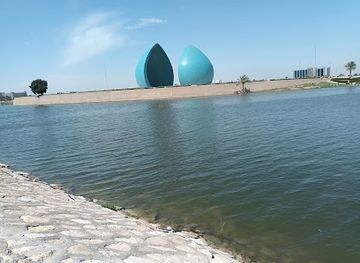
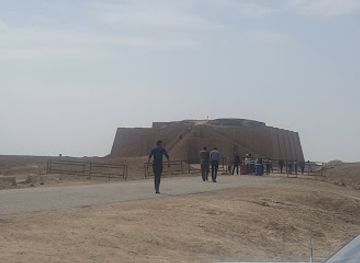
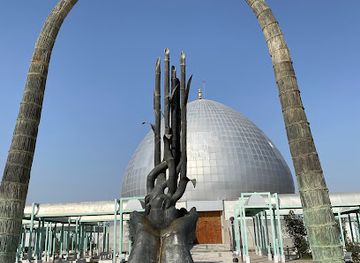
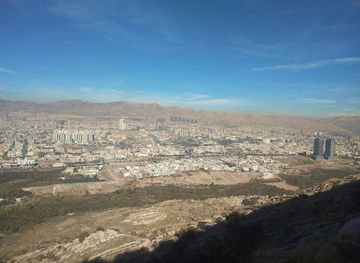
Explore Dub lal makh temple معبد دي لال ماخ on the Map
A handpicked selection of must-see spots near Dub lal makh temple معبد دي لال ماخ, mapped for you.
Getting There
-
Taxi
From Nasiriyah, taxis are readily available to reach the Dublal Makh Temple in Mahatt Ur. A typical taxi ride from the city center to the temple takes approximately 20-30 minutes. Confirm the fare before starting your journey. Taxi fares in Iraq are subject to negotiation, but a reasonable estimate for a one-way trip is between $10 and $20 USD.
-
Public Transport
While public transport options directly to the temple may be limited, local buses and shared taxis operate between Nasiriyah and nearby towns. From these towns, you may need to take a taxi or arrange for local transportation to reach the temple. The cost for public transport is minimal, typically less than $1 USD, but the additional taxi fare should be factored in.
Discover more about Dub lal makh temple معبد دي لال ماخ
More to explore near Dub lal makh temple معبد دي لال ماخ
-

Best experiences near Dub lal makh temple معبد دي لال ماخ
-

Best hotels near Dub lal makh temple معبد دي لال ماخ
-

Best attractions near Dub lal makh temple معبد دي لال ماخ
-

Best shops near Dub lal makh temple معبد دي لال ماخ
-

Best restaurants near Dub lal makh temple معبد دي لال ماخ
-

Best bars near Dub lal makh temple معبد دي لال ماخ







Your all‑in‑one travel companion app
Explore expert travel guides, compare and book tours, experiences, hotels, and more—all from the palm of your hand. Download now for seamless trip planning wherever your wanderlust takes you.


Explore More of Muthanna
Looking beyond Dub lal makh temple معبد دي لال ماخ? Discover Muthanna for broader travel guides, local hot-spots, and regional highlights.
Explore Muthanna