

Free Muthanna Travel Guide & Mobile App
Explore Muthanna with free travel guides. Discover regional history, expert tips, proposed trips, and audio guides on web or mobile app.


Explore Muthanna in southern Iraq for Euphrates landscapes, ancient Uruk, Lake Sawa, desert horizons and the food culture of Samawah.
Read more about Muthanna
When is the best time to visit Muthanna?
Best: February–March, November · 20–25°C| Month | High (°C) | Rainfall (mm) |
|---|---|---|
| January | 18 | 16 |
| February (best) | 20 | 12 |
| March (best) | 25 | 14 |
| April | 31 | 8 |
| May | 38 | 3 |
| June | 42 | 0 |
| July | 44 | 0 |
| August | 43 | 0 |
| September | 39 | 1 |
| October | 33 | 5 |
| November (best) | 24 | 11 |
| December | 19 | 14 |
Getting to and around Muthanna
How to get there
Transportation
Top city travel guides in Muthanna
The cities of Muthanna, and the easiest places to base yourself.
-

-

-


Swipe for more cities
Best attractions in Muthanna
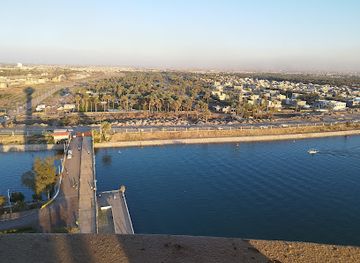
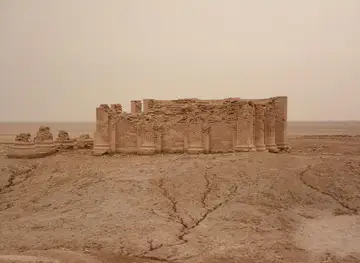
Muthanna’s attractions are defined by the meeting of ancient urban history, the Euphrates and open desert. The archaeological site of Warka, ancient Uruk, is the governorate’s most important heritage destination: its temple precincts, city walls and settlement mounds offer insight into the early development of cities and writing, although the remote site requires careful planning and local authorisation. Around Samawah, the Euphrates provides a more contemporary landscape of riverbanks, cultivated land, date palms and urban life. Lake Sawa, a saline lake near the capital, is a notable natural feature whose conditions and access should be checked before visiting. The broad Al-Salman desert appeals to travellers interested in geology, landscape photography and the stark geography of southern Iraq rather than conventional recreation. Local markets, cafés and riverfront areas provide a window into everyday life, while the governorate’s smaller settlements reveal the agricultural culture of the Euphrates plain. Few sites have extensive visitor infrastructure, so guided travel, water, transport and realistic timing are essential.
-
Baghdad Island Park
Escape to Baghdad Island Park: A serene retreat in the heart of the city with lush landscapes, recreational activities, and cultural events.
-
Jalil Khayat Mosque
Discover Erbil's architectural gem: the Jalil Khayat Mosque, a stunning blend of Islamic artistry and cultural significance.
-
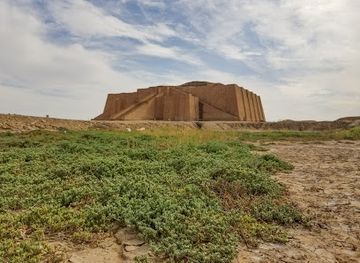
Great Ziggurat of Ur
Explore the ancient marvel of the Great Ziggurat of Ur, a testament to Sumerian civilization in Mesopotamia, near Nasiriyah, Iraq.
-
Baghdad Amusement Park - Zayiuna
Experience thrilling rides, a diverse zoo, and fun-filled games at Baghdad Amusement Park in Zayiuna – the perfect family escape!


Best landmarks in Muthanna
The defining landmark of Muthanna is Warka, the ancient city of Uruk, whose extensive mounds and monumental remains represent one of the foundational urban centres of Mesopotamia. Its significance lies not only in surviving ruins but in the city’s role in the emergence of administration, monumental architecture and early writing. Lake Sawa is the governorate’s best-known natural landmark, an inland saline lake set within the dry plain near Samawah; changing water levels have altered its appearance and visitor conditions over time. The Euphrates itself is a geographical and cultural landmark, passing through Samawah and giving form to a green, inhabited corridor amid otherwise arid country. Farther south and west, the Al-Salman desert provides a contrasting landmark landscape of flat gravel expanses, sparse vegetation and long views towards the Saudi frontier. Together, these places express Muthanna’s central identity: ancient urban civilisation beside a living river and an immense desert.
-
Erbil Citadel
Explore the ancient Erbil Citadel, a UNESCO World Heritage Site and one of the world's oldest continuously inhabited settlements, in the heart of Erbil.
-
Kufa Mosque
Discover one of Islam's oldest and most revered mosques, a center of faith, history, and architectural beauty in Kufa, Iraq.
-
Imam Ali Holy Shrine
Discover the spiritual heart of Najaf at the Imam Ali Holy Shrine, a beacon of faith and architectural brilliance.
-
Samî Abdulrahman Park
Erbil's largest park, offering a green escape with gardens, lakes, and recreational activities for all ages.


Explore Muthanna on the map
Plan your trip on one map. See where the top cities, national parks and sights are, and book hotels and experiences in a few clicks.
Best hotels in Muthanna
Best restaurants in Muthanna
Dining in Muthanna reflects the food culture of southern Iraq, with rice, grilled meats, stews, flatbreads, dates and strong black tea forming the foundation of many meals. In Samawah, restaurants and cafés commonly serve dishes such as masgouf or other grilled fish where available, alongside chicken, kebabs, biryani-style rice, dolma and kubba; these belong to wider Iraqi culinary traditions rather than being exclusive to Muthanna. The Euphrates corridor contributes dates and agricultural produce, while simple roadside and neighbourhood establishments provide some of the most characteristic settings for everyday eating. Visitors may also encounter samoon bread, yoghurt, pickles and sweet tea served with considerable hospitality. Dining options become scarce away from Samawah, Warka and the main settled routes, so desert excursions should be supplied in advance. Alcohol is not central to public dining culture, and modest dress and respectful behaviour are appropriate in restaurants and cafés.
-
Hajjy Husain Restaurant
Experience the authentic taste of Iraq at Hajjy Husain Restaurant in Al-Fallujah—where every dish tells a story.
-
Dream Land Restaurant
Experience authentic Iraqi cuisine at Dream Land Restaurant in Ramadi – where tradition meets taste in a welcoming atmosphere.
-
Hekaya Sham Restaurant
Discover authentic Middle Eastern flavors at Hekaya Sham Restaurant in Ramadi – a culinary gem that delights every palate.
-
مأكولات جود Jood
Discover authentic Iraqi cuisine at مأكولات جود Jood in Rumaythah - where every dish tells a story.


Best bars in Muthanna
Muthanna does not have a major international-style nightlife scene, and evening life is concentrated on cafés, restaurants, tea houses and family-oriented public spaces. Samawah is the governorate’s main centre for after-dark activity, with people gathering for conversation, tea, snacks and televised sport rather than clubbing. In smaller Euphrates settlements, evenings are quieter and shaped by local routines, family visits and market activity. Visitors should not expect a broad selection of licensed bars or nightclubs, particularly outside the capital. Any live music or cultural events are likely to be occasional and locally organised rather than part of a permanent entertainment circuit. Remote archaeological and desert areas have no meaningful nightlife infrastructure, so excursions should be completed during daylight and accommodation arranged in advance.
-
Mars Rooftop
Experience the vibrant nightlife at Mars Rooftop, Erbil's premier bar with stunning views and crafted cocktails.
-
Quiet House Rest&Bar
Experience the vibrant nightlife and delicious grilled cuisine at Quiet House Rest&Bar in Erbil, a perfect spot for unwinding after a day of exploration.
-
Moon Roof - Rooftop Bar & Restaurant
Experience Erbil's skyline from Moon Roof, a rooftop bar and restaurant offering exquisite dining and breathtaking views.
-
 Bar
بار مفاصيم
Experience the lively ambiance and local flavors at بار مفاصيم, the perfect bar for an unforgettable night in Rumaythah.


Best nightclubs in Muthanna
Muthanna does not have a major international-style nightlife scene, and evening life is concentrated on cafés, restaurants, tea houses and family-oriented public spaces. Samawah is the governorate’s main centre for after-dark activity, with people gathering for conversation, tea, snacks and televised sport rather than clubbing. In smaller Euphrates settlements, evenings are quieter and shaped by local routines, family visits and market activity. Visitors should not expect a broad selection of licensed bars or nightclubs, particularly outside the capital. Any live music or cultural events are likely to be occasional and locally organised rather than part of a permanent entertainment circuit. Remote archaeological and desert areas have no meaningful nightlife infrastructure, so excursions should be completed during daylight and accommodation arranged in advance.
-
HERA Club
Dive into the vibrant nightlife at HERA Club, Erbil's ultimate disco destination where music, dance, and friendship come alive.
-
Inferno Erbil
Experience the vibrant nightlife at Inferno Erbil, a premier nightclub featuring top DJs, luxurious ambiance, and unforgettable parties in the heart of Kurdistan.
-
LOTUS NIGHT CLUB
Experience the vibrant nightlife of Erbil at Lotus Night Club, a premier disco venue for dancing and socializing into the early hours.
-
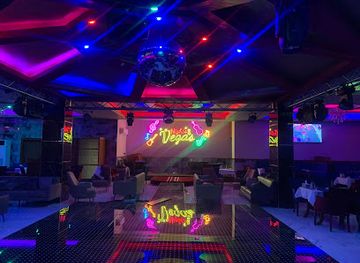
Vegas Nights club
Unleash your nightlife spirit at Vegas Nights Club, Baghdad's premier destination for unforgettable dance and entertainment experiences.


Best shops in Muthanna
Shopping in Muthanna is centred on Samawah’s traditional markets, neighbourhood shops and everyday commercial streets rather than large destination malls. Visitors can look for Iraqi dates and other packaged foods, tea, spices, sweets, bread and practical local goods, with the Euphrates agricultural zone contributing to the prominence of dates and produce. Small shops and market stalls are useful for supplies before travelling to Warka or the desert, where retail services are very limited. Souvenirs connected with ancient Mesopotamia should be purchased only from reputable sellers, and travellers must never buy archaeological objects or unprovenanced antiquities. Craft and textile selection is more modest than in Iraq’s largest cities, but simple household goods, scarves, prayer items and locally traded products may be available. Bargaining can occur in traditional markets, while pharmacies and supermarkets are concentrated in Samawah.
-
Supermarket
Furqan commercial shops
Explore Furqan Commercial Shops in Saqlawia for an authentic shopping experience filled with local flavors and vibrant culture.
-
Mobile home supply store
Imanishop
Discover Imanishop in أصفهان, your ultimate destination for all mobile home supplies, offering quality products and expert service.
-
Deli
chrome
Experience the flavors of Al Anbar at Chrome, a delightful deli offering local and international cuisine in a warm, inviting atmosphere.
-
Grocery store
Andesha supermarket
Experience the local flavors of Falahat at Andesha Supermarket, your go-to grocery store for fresh produce and authentic Iraqi snacks.


Get your free copy of our complete guide to Muthanna, delivered straight to you.
Everything on this page, from attractions and restaurants to essentials and local phrases, in one PDF you can read offline, print or share.
Already have an account? Sign in
Your Muthanna guide is ready.
We'll send it to · Not you? Sign out

Getting your guide ready…
We are putting together a fresh copy of the Muthanna guide. This can take up to a minute.
This can take a few moments. If your browser asks, choose Allow so the download can start. You'll find the guide in your Downloads folder.
Nothing happened? Download it again
Sorry, the guide is taking longer than usual. Please try again in a minute, or get it by email instead.
Muthanna essentials
Currency and Payment
Safety
Emergency Situations
Do's and Don'ts
Local Tips
From Eve
Local phrases worth knowing
You don't need to get them perfect. A few words go a long way, and locals appreciate the effort.
Basics
| English | Local | Say it |
|---|---|---|
| Hello | مرحبا | [Marhaban] |
| Goodbye | مع السلامة | [Ma'a as-salama] |
| Yes | نعم | [Na'am] |
| No | لا | [La] |
| Please/You're welcome | من فضلك | [Min fadlik] |
| Thank you | شكرا | [Shukran] |
| Excuse me/Sorry | عفوا | [Afwan] |
| How are you? | كيف حالك؟ | [Kayfa halak?] |
| Fine. And you? | بخير، وأنت؟ | [Bikhayr, wa anta?] |
| Do you speak English? | هل تتحدث الإنجليزية؟ | [Hal tatahadath al-ingliziyya?] |
| I don't understand | لا أفهم | [La afham] |
Eating & Drinking
| English | Local | Say it |
|---|---|---|
| I'd like to see the menu, please | أود رؤية القائمة، من فضلك | [Awad ru'yat al-qa'ima, min fadlik] |
| I don't eat meat | لا أتناول اللحم | [La atanaawal al-lahm] |
| Cheers! | في صحتك! | [Fi sihtak!] |
| I would like to pay, please | أود الدفع، من فضلك | [Awad ad-da'f, min fadlik] |
Emergencies
| English | Local | Say it |
|---|---|---|
| Help! | نجدة! | [Najda!] |
| Go away! | اذهب بعيدا! | [Izhab ba'eedan!] |
| Call the Police! | اتصل بالشرطة! | [Ittasil bil-shurta!] |
| Call a doctor! | اتصل بالطبيب! | [Ittasil bil-tabeeb!] |
| I'm lost | أنا ضائع | [Ana da'i'] |
| I'm ill | أنا مريض | [Ana marid] |
Shopping
| English | Local | Say it |
|---|---|---|
| I'd like to buy... | أود شراء... | [Awad shir'a...] |
| I'm just looking | أنا فقط أتفرج | [Ana faqat atfarraj] |
| How much is it? | كم ثمنه؟ | [Kam thamanuh?] |
| That's too expensive | هذا مكلف جدا | [Hatha mukallaf jiddan] |
| Can you lower the price? | هل يمكنك خفض السعر؟ | [Hal yumkinuka khafd as-si'r?] |
Time & Numbers
| English | Local | Say it |
|---|---|---|
| What time is it? | كم الساعة؟ | [Kam as-saa'a?] |
| It's one o'clock | الساعة الواحدة | [As-saa'a al-wahidah] |
| Half past (10) | نصف (10) | [Nisf (10)] |
| Morning | صباح | [Sabah] |
| Afternoon | بعد الظهر | [Ba'd az-zuhur] |
| Evening | مساء | [Masa'] |
| Yesterday | أمس | [Ams] |
| Today | اليوم | [Al-yawm] |
| Tomorrow | غدا | [Ghadan] |
| 1 | واحد | [Wahid] |
| 2 | اثنان | [Ithnan] |
| 3 | ثلاثة | [Thalatha] |
| 4 | أربعة | [Arba'a] |
| 5 | خمسة | [Khamsa] |
| 6 | ستة | [Sitta] |
| 7 | سبعة | [Sab'a] |
| 8 | ثمانية | [Thamaniya] |
| 9 | تسعة | [Tis'a] |
| 10 | عشرة | [Ashara] |
Transport & Directions
| English | Local | Say it |
|---|---|---|
| Where's a/the...? | أين...؟ | [Ayn...?] |
| What's the address? | ما هو العنوان؟ | [Ma huwa al-'unwan?] |
| Can you show me (on the map)? | هل يمكنك إظهار لي (على الخريطة)؟ | [Hal yumkinuka izhar li (ala al-kharita)?] |
| When's the next (bus)? | متى تأتي (الحافلة) القادمة؟ | [Mata ta'ti (al-hafila) al-qadima?] |
| A ticket (to ....) | تذكرة (إلى....) | [Tadhkara (ila....)] |
History of Muthanna
The Emergence of Uruk, fourth millennium BCE
The archaeological site of Uruk, or Warka, in Muthanna preserves the remains of one of the earliest large urban centres in Mesopotamia. During the fourth millennium BCE, Uruk developed monumental religious precincts, specialised administration and expanding systems of record-keeping. Clay tablets from the city are central to the history of early writing, while its architecture demonstrates the scale of organised labour in southern Iraq. Uruk’s influence reached far beyond its immediate settlement, helping shape the urban, political and economic patterns associated with early Mesopotamian civilisation.
Sumerian and later Mesopotamian settlement
Muthanna formed part of the southern Mesopotamian lowlands where settlement depended on the Euphrates, canals and carefully managed agriculture. Political control shifted among Sumerian, Akkadian, Babylonian and later powers, while cities and temple estates competed for land and water. Although many ancient waterways have changed course or disappeared, the region’s enduring relationship between river agriculture and settlement remains visible around Samawah and the Euphrates. Archaeological mounds across southern Iraq reflect successive layers of urban and rural occupation rather than a single uninterrupted civilisation.
Imperial rule and the changing Euphrates landscape
After the great southern Mesopotamian kingdoms, the area passed through the rule of the Achaemenid Persian, Seleucid, Parthian and Sasanian empires, followed by the early Islamic states. Each period connected the Euphrates settlements to wider systems of taxation, commerce, military movement and irrigation. The river corridor was particularly important because it linked inland southern Iraq with the cities and waterways of the lower plain. Surviving archaeological evidence is uneven, but the region’s strategic position continued to derive from its access to water and its routes across the desert.
The early Islamic period and the name Muthanna
The governorate’s name commemorates al-Muthanna ibn Haritha al-Shaybani, an early Islamic military commander associated with the Arab-Muslim conquest of Iraq in the seventh century. The name therefore links the modern administrative region to the formative period when Iraq became part of the expanding Islamic world. Over subsequent centuries, communities along the Euphrates were shaped by Islamic institutions, tribal affiliations, agriculture and movement between settled land and desert. The region’s present identity combines this later history with much older Mesopotamian archaeological foundations.
Ottoman administration and riverine communities
Under Ottoman rule, southern Iraq was governed through a combination of provincial administration, local notables and tribal relationships. The Euphrates corridor around the modern Muthanna area remained dependent on cultivation, date palms, livestock and access to canals and river crossings. Settlements grew and declined as watercourses shifted and political control changed. Ottoman-era patterns of administration and taxation contributed to the social geography inherited by the modern state, although many local communities continued to organise their economic life through older riverine and tribal structures.
The modern state and the formation of Muthanna Governorate
The modern governorate emerged within the administrative framework of the Iraqi state during the twentieth century and was named Muthanna after the early Islamic commander. Samawah developed as its principal urban centre on the Euphrates, benefiting from road and railway connections between central and southern Iraq. Agricultural activity, date production, public administration and trade shaped the local economy, while the surrounding desert gave the governorate a large territory extending well beyond its settled river districts. Contemporary Muthanna therefore combines a modern provincial capital with ancient sites and sparsely populated desert landscapes.
Muthanna in Photos
Browse through our photo collection highlighting the charm and character of the destination.
Neighbouring regions of Muthanna
The closest regions to Muthanna, if you have time for more than one.
-

-

-

-
-


Swipe for more regions
Explore more

Explore more of Iraq
Explore the cradle of civilization in Iraq, where ancient history, rich culture, and diverse landscapes create an unforgettable travel experience.
Explore Iraq