Ur, Northern Iraq Travel Guide
Discover Ur, the ancient Sumerian city in Dhi Qar, Iraq, where civilization thrived and history comes alive. Explore the Ziggurat and more!
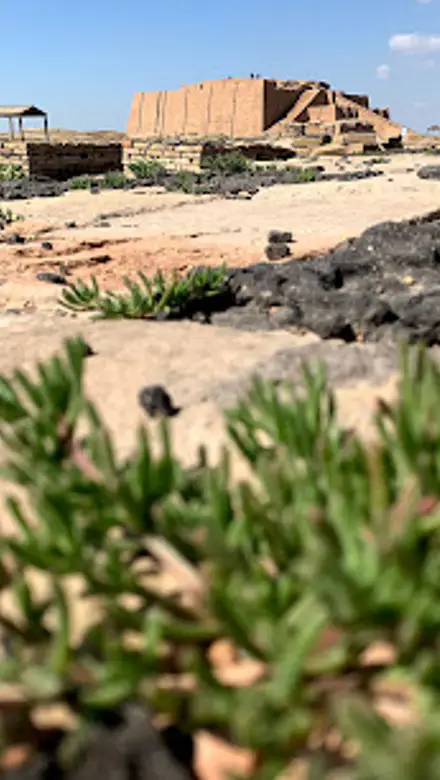
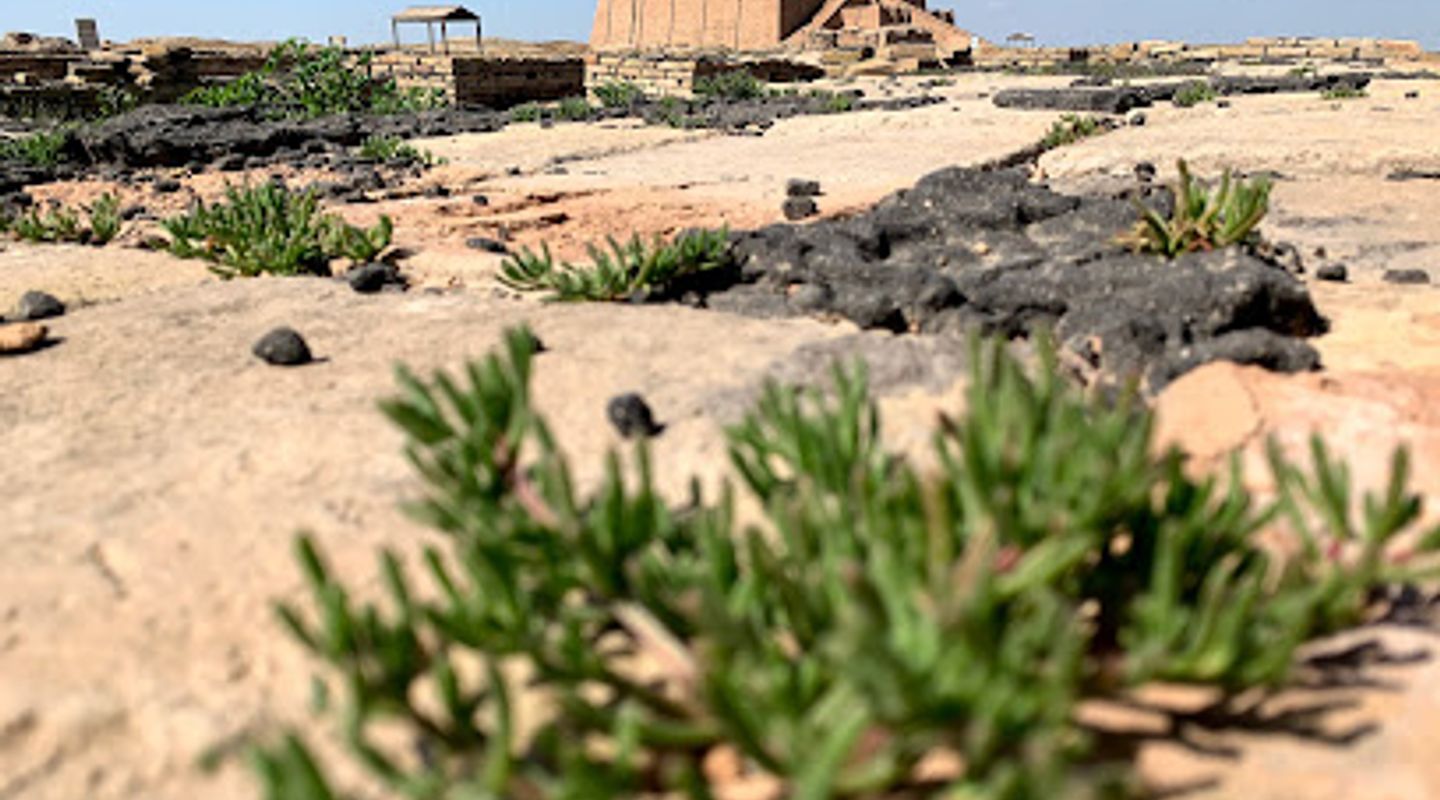
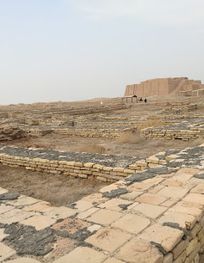
Explore the ancient city of Ur in Dhi Qar Governorate, a pivotal Sumerian city-state and the birthplace of Prophet Abraham. Wander through the ruins of Tell el-Muqayyar and marvel at the Ziggurat of Ur, a testament to Mesopotamia's rich history.
A brief summary to Ur
- Dhi Qar Governorate, IQ

Know before you go
Hi, I'm Eve. Here are a few practical things to know before exploring Ur.
- Wear comfortable shoes, as you'll be doing a lot of walking on uneven terrain while exploring the ruins.
- Bring plenty of water and sunscreen, especially during the hot summer months.
- Hire a local guide to learn more about the history and significance of Ur.
- Respect local customs and traditions when visiting religious sites.
Do you manage this location?
Take control to get all the benefits, like improved information, better appearance, and stronger visibility across AI-powered discovery. Learn more about listing your business on Evendo
Activate your presenceOther nearby places you may find interesting
The closest places of the same kind, if this one is not quite what you had in mind.
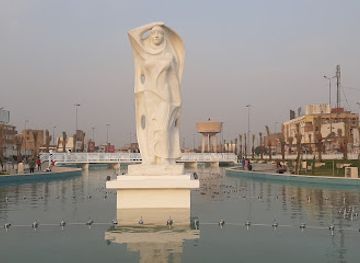
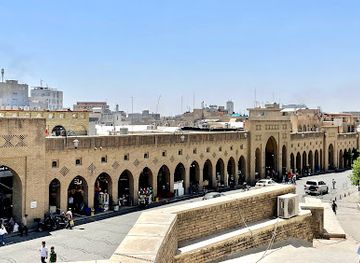
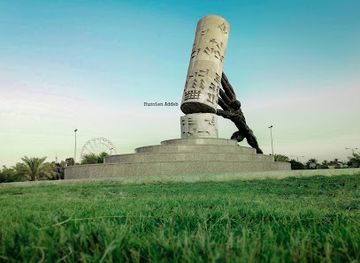
Explore Ur on the Map
A handpicked selection of must-see spots near Ur, mapped for you.
Getting There
-
Driving
From Nasiriyah, the capital of Dhi Qar Governorate, Ur is approximately a 30-minute drive. Take the main road towards Tell el-Muqayyar. Follow the signs for the Ziggurat of Ur. Parking is available near the site. Expect to pay around IQD 5,000 for parking.
-
Public Transport
From Nasiriyah, you can take a local bus or shared taxi to Tell el-Muqayyar. Buses depart from the main bus station in Nasiriyah. The journey takes approximately 45 minutes. A one-way fare costs around IQD 2,000. From Tell el-Muqayyar, it's a short walk to the entrance of Ur.
-
Taxi
Taxis are readily available in Nasiriyah. Negotiate the fare before starting your journey to Ur. A one-way trip should cost around IQD 15,000 to IQD 20,000. The journey takes approximately 30 minutes.
Discover more about Ur













Your all‑in‑one travel companion app
Explore expert travel guides, compare and book tours, experiences, hotels, and more—all from the palm of your hand. Download now for seamless trip planning wherever your wanderlust takes you.


Explore More of Northern Iraq
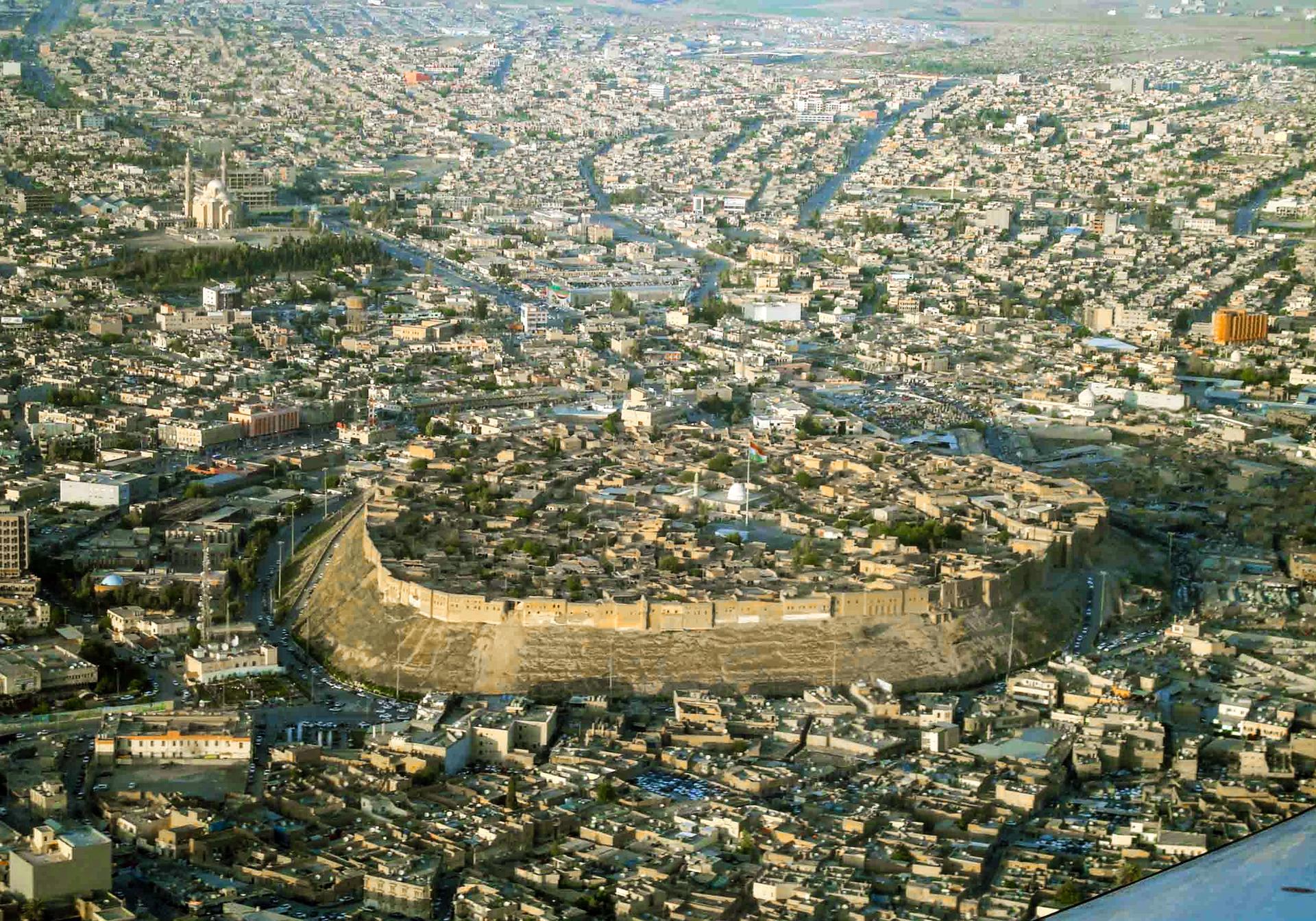
Looking beyond Ur? Discover Northern Iraq for broader travel guides, local hot-spots, and regional highlights.
Explore Northern Iraq
Experience authentic Iraqi hospitality at Muq's house in Nasiriyah, a window into local culture and daily life in the heart of Dhi Qar.
Explore the world's first museum in Dhi Qar, Iraq, founded in 530 BCE by Princess Ennigaldi, showcasing Mesopotamia's rich history and ancient artifacts.