

Northern Iraq, Iraq Travel Guide
Discover Northern Iraq: A land of ancient history, stunning natural landscapes, and rich cultural heritage, offering unique adventures and warm hospitality.
Northern Iraq is a land of contrasts, where ancient history meets natural beauty. Known for its rugged mountains and lush valleys, this region offers a unique blend of adventure and tranquility. The area is home to the stunning Zagros mountain range, which provides breathtaking landscapes and opportunities for hiking and exploration. The cities of Erbil and Sulaymaniyah are cultural hubs, rich with historical sites and vibrant markets. Erbil, one of the oldest continuously inhabited cities in the world, boasts the impressive Erbil Citadel, a UNESCO World Heritage site. In Sulaymaniyah, you can visit the Amna Suraka Museum to learn about the region's complex history. Northern Iraq is also known for its warm hospitality and delicious cuisine. Visitors can enjoy traditional Kurdish dishes like kebabs and dolma, often accompanied by freshly baked bread and aromatic tea. The local people are known for their friendliness and are always eager to share their culture and traditions with visitors.

Know before you go
Hi, I'm Eve. Here are a few practical things to know before exploring Northern Iraq.
- Respect local customs and dress modestly, especially in rural areas.
- Hire a local guide for hiking in the Zagros mountains to ensure safety and get the best experience.
- Visit the bustling markets early in the morning to beat the crowds and get the freshest produce.
- Learn a few basic phrases in Kurdish or Arabic to enhance your interactions with locals.
- Check travel advisories and ensure you have the necessary permits for certain areas.
Top City Travel Guides in Northern Iraq
The cities of Northern Iraq, and the easiest places to base yourself.


Destinations in Northern Iraq
Resorts, valleys and scenic spots worth a trip of their own.


Explore Northern Iraq: Things to Do, Places to Eat, Hotels & More
Handpicked recommendations for top attractions, local dining, accommodations, and more

Top Attractions & Sightseeing in Northern Iraq
Top-rated picks
Best Attractions

Aqua Tarin Water Park
Experience thrilling slides and relaxing pools at Aqua Tarin Water Park, the largest outdoor water park in Iraq, perfect for family fun in Erbil.

Geli Ali Bag Waterfall
Experience the breathtaking beauty of Geli Ali Bag Waterfall, the highest waterfall in Iraq, nestled in the heart of the Kurdistan Region.

Minara Park
Discover Erbil's tranquil Minara Park: A blend of nature, history, and culture in the heart of the city, featuring the iconic Mudhafaria Minaret.

Dur-Kurigalzu (Ziggurat at Aqar Quf)
Explore Dur-Kurigalzu, an ancient Mesopotamian city with a towering ziggurat, offering a glimpse into Iraq's rich Kassite history and culture.

Best landmarks in Northern Iraq
Top-rated picks
Best Landmarks

Geli Ali Bag Waterfall
Explore the breathtaking Geli Ali Bag Waterfall in Erbil Governorate, a natural wonder that captivates with its stunning cascades and serene surroundings.

کێڵگەی کوردستان
Experience the stunning landscapes and rich cultural heritage at Kêvgêy, a must-see tourist attraction in Kurdistan's Sulaymaniyah Governorate.

Citadel of Erbil
Explore the ancient Citadel of Erbil, a UNESCO World Heritage Site with a history spanning millennia, offering a glimpse into the heart of Kurdish culture.

Erbil Citadel
Explore the ancient Erbil Citadel, a UNESCO World Heritage Site and one of the world's oldest continuously inhabited settlements.

Best restaurants in Northern Iraq
Top-rated picks
Best Restaurants

Royal Galaxy Restaurant
Discover the rich flavors of Iraq at Royal Galaxy Restaurant—where traditional meets contemporary dining in Baghdad.

Top Organic
Discover the flavors of Iraq at Top Organic in Erbil – where fresh ingredients meet traditional cooking in an inviting atmosphere.

Samad Restaurant
Discover authentic Iraqi cuisine at Samad Restaurant in Erbil - where tradition meets flavor in a vibrant setting.

Restaurant Beeston Samad
Savor authentic Iraqi cuisine at Restaurant Beeston Samad in Baghdad - a culinary journey through traditional flavors.

Best bars in Northern Iraq
Top-rated picks
Best Bars

The Vinery Wine Bar
Discover the elegance of The Vinery Wine Bar in Erbil, where fine wines and gourmet cuisine create an unforgettable dining experience.
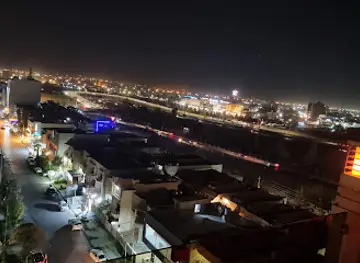
Mars Rooftop
Experience Erbil's nightlife at Mars Rooftop, a bar offering stunning views, delicious drinks, and a vibrant atmosphere in the heart of the city.

D lounge & Restaurant
Experience the vibrant nightlife at D Lounge & Restaurant, where delicious food and drinks meet the heart of Baghdad's social scene.

WOOD LOUNGE BAR & RESTAURANT
Experience the vibrant ambiance and diverse flavors at Wood Lounge Bar & Restaurant in Erbil, a culinary gem waiting to be explored.

Best nightclubs in Northern Iraq
Top-rated picks
Best Nightclubs

HERA Club
Discover the vibrant nightlife at HERA Club in Erbil, where dance, music, and socializing come alive every night.

Love time club
Discover Erbil's nightlife at Love Time Club, where music, dance, and unforgettable memories await until the early hours.

Roundabout
Experience the vibrant nightlife at Roundabout, a premier bar in Sulaymaniyah, offering signature cocktails and a lively atmosphere perfect for socializing.

Inferno Erbil
Experience the vibrant nightlife of Erbil at Inferno, where music, dance, and unforgettable moments await you.

Best shops in Northern Iraq
Top-rated picks
Best Shops

Family Mall Erbil
Experience the best of shopping, dining, and entertainment at Family Mall Erbil, a perfect destination for tourists and families alike.

Mansour Mall
Discover Mansour Mall in Baghdad: A shopping paradise with diverse retail, dining, and entertainment options for an unforgettable experience.

Majidi Mall Erbil
Explore the vibrant Majidi Mall Erbil, where shopping, dining, and entertainment come together for a memorable experience.

Babylon Mall
Explore Babylon Mall, Baghdad's premier shopping destination with diverse stores, dining options, and entertainment for the whole family.

Explore Northern Iraq on the Map
A handpicked selection of must-see spots in Northern Iraq, mapped for you.
Northern Iraq Essentials
-
Northern Iraq is accessible via several airports, with Erbil International Airport (EBL) and Sulaymaniyah International Airport (ISU) being the primary gateways. Both airports have direct flights from major cities in the Middle East and Europe. From the capital Baghdad, domestic flights, buses, and private taxis are available to reach Northern Iraq. Overland travel from neighboring countries such as Turkey and Iran is also possible via well-maintained highways and border crossings.
-
Once in Northern Iraq, transportation options include taxis, rental cars, and shared minibuses known as 'jawan'. Taxis are widely available in cities like Erbil and Sulaymaniyah and are relatively inexpensive. For intercity travel, long-distance buses and private car hires are commonly used. Public transportation is limited, so renting a car can offer more flexibility to explore remote areas.
-
The official currency in Iraq is the Iraqi Dinar (IQD). Credit cards are accepted in major hotels, restaurants, and some shops in larger cities, but it is advisable to carry cash, especially when traveling to smaller towns and rural areas. ATMs are available in cities like Erbil and Sulaymaniyah, but it's wise to withdraw sufficient cash before traveling to remote regions.
-
Northern Iraq is generally safer than other parts of the country, but travelers should remain vigilant. Erbil and Sulaymaniyah are considered safe, but caution is advised in the outskirts and rural areas. Avoid travel to areas near the Syrian and Iranian borders due to potential security risks. Petty crime like pickpocketing can occur in crowded places, so keep your belongings secured. Always stay updated on travel advisories from your government.
-
In case of emergency, dial 112 for police, fire, and medical assistance. Major cities like Erbil and Sulaymaniyah have hospitals and clinics that provide medical services. It is highly recommended to have travel insurance that covers medical emergencies. For minor health issues, pharmacies are available in urban areas where you can purchase over-the-counter medications.
-
Fashion: Do dress modestly; women should cover their shoulders and knees. Avoid wearing tight or revealing clothing. Religion: Do respect local customs and traditions. Always remove your shoes before entering a mosque. Public Transport: Do be respectful and offer your seat to elderly passengers. Don’t speak loudly or eat on public transport. Greetings: Do greet people with a handshake; men should wait for a woman to extend her hand first. Eating & Drinking: Do try local cuisine and accept food offerings graciously. Don’t refuse hospitality, as it is considered impolite.
-
To experience Northern Iraq like a local, visit the bustling bazaars in Erbil and Sulaymaniyah where you can buy traditional crafts and fresh produce. Engage with locals who are often friendly and eager to share stories about their culture and history. Don’t miss the Citadel of Erbil, a UNESCO World Heritage Site, and the stunning landscapes of the Zagros Mountains. For a unique experience, try the local bread called 'nan' and traditional Kurdish tea.
When is the best time to visit Northern Iraq?
Useful Local Phrases for Northern Iraq
You don't need to speak the language perfectly. Even learning a few simple words can make conversations warmer—and locals usually appreciate the effort.
— Eve

Here are the phrases I use most often in Northern Iraq. Try a few—you'll be surprised how far they go! 😊
❤️
-
- Helloسلام
[salam] - Goodbyeوداعا
[wada'an] - Yesنعم
[na'am] - Noلا
[la] - Please/You're welcomeمن فضلك
[min fadlik] - Thank youشكرا
[shukran] - Excuse me/Sorryعفوا
[afwan] - How are you?كيف حالك؟
[kayfa halak?] - Fine. And you?بخير. وأنت؟
[bikhayr. wa anta?] - Do you speak English?هل تتحدث الإنجليزية؟
[hal tatahadath al-ingliziyya?] - I don't understandأنا لا أفهم
[ana la afham]
- Helloسلام
-
- I'd like to see the menu, pleaseأريد رؤية القائمة، من فضلك
[urid ru'yat al-qa'ima, min fadlik] - I don't eat meatأنا لا آكل اللحم
[ana la akul al-lahm] - Cheers!في صحتك!
[fi sihtak!] - I would like to pay, pleaseأريد أن أدفع، من فضلك
[urid an adfa', min fadlik]
- I'd like to see the menu, pleaseأريد رؤية القائمة، من فضلك
-
- Help!مساعدة!
[musa'ada!] - Go away!ابتعد!
[ibt'id!] - Call the Police!اتصل بالشرطة!
[ittasil bil-shurta!] - Call a doctor!اتصل بطبيب!
[ittasil bi-tabib!] - I'm lostأنا ضائع
[ana da'i'] - I'm illأنا مريض
[ana marid]
- Help!مساعدة!
-
- I'd like to buy...أريد أن أشتري...
[urid an ashtari...] - I'm just lookingأنا فقط أنظر
[ana faqat anzur] - How much is it?كم ثمنه؟
[kam thamanuh?] - That's too expensiveهذا مكلف جدا
[hadha mukallif jidan] - Can you lower the price?هل يمكنك خفض السعر؟
[hal yumkinuk khafdh al-si'r?]
- I'd like to buy...أريد أن أشتري...
-
- What time is it?كم الساعة؟
[kam al-saa'a?] - It's one o'clockإنها الساعة الواحدة
[innaha al-saa'a al-wahidah] - Half past (10)نصف بعد (10)
[nisf ba'd (10)] - Morningصباح
[sabah] - Afternoonبعد الظهر
[ba'd al-zuhur] - Eveningمساء
[masa'] - Yesterdayأمس
[ams] - Todayاليوم
[al-yawm] - Tomorrowغدا
[ghadan] - 1١
[1] - 2٢
[2] - 3٣
[3] - 4٤
[4] - 5٥
[5] - 6٦
[6] - 7٧
[7] - 8٨
[8] - 9٩
[9] - 10١٠
[10]
- What time is it?كم الساعة؟
-
- Where's a/the...?أين الـ...؟
[ayn al...?] - What's the address?ما هو العنوان؟
[ma huwa al-unwan?] - Can you show me (on the map)?هل يمكنك أن تريني (على الخريطة)؟
[hal yumkinuk an turini (ala al-kharita)?] - When's the next (bus)?متى يأتي (الباص) التالي؟
[mata yati (al-bas) al-tali?] - A ticket (to ....)تذكرة (إلى ....)
[tadhkara (ila ....)]
- Where's a/the...?أين الـ...؟
History of Northern Iraq
-
Northern Iraq, part of the larger Mesopotamian region, is often referred to as the 'Cradle of Civilization.' The area between the Tigris and Euphrates rivers fostered the growth of some of the earliest human settlements. The Sumerians, Akkadians, Babylonians, and Assyrians all left their mark here, contributing to the development of writing, law, and urban planning. Archaeological sites such as Nineveh, Nimrud, and Khorsabad provide a glimpse into the advanced societies that once flourished in this region.
-
The Assyrian Empire, with its capital at Nineveh, was one of the most powerful empires of the ancient world. At its height, it controlled a vast territory stretching from Egypt to the Persian Gulf. The Assyrians were known for their military prowess, monumental architecture, and extensive library collections. The ruins of the ancient city of Nineveh, near modern-day Mosul, include the remains of the grand palace of King Sennacherib and the extensive library of Ashurbanipal.
-
Following the Islamic conquests in the 7th century, Northern Iraq became an important cultural and intellectual center. Cities like Mosul flourished under the Abbasid Caliphate, becoming hubs of learning and commerce. The region contributed significantly to the Islamic Golden Age, with advances in science, medicine, mathematics, and philosophy. The Great Mosque of al-Nuri in Mosul, with its famous leaning minaret, is a testament to the architectural and cultural achievements of this period.
-
Northern Iraq was incorporated into the Ottoman Empire in the 16th century and remained under Ottoman control until the early 20th century. The region experienced relative stability and prosperity during this period, becoming an important administrative and commercial center. The influence of Ottoman architecture and culture is still evident in the cities of Northern Iraq, including the old bazaars, mosques, and caravanserais that dot the landscape.
-
The 20th and 21st centuries have been tumultuous for Northern Iraq, marked by conflicts and political upheavals. The region has seen significant violence during the Iran-Iraq War, the Gulf War, and the Iraq War. More recently, the rise and fall of ISIS had a profound impact on the area, particularly on the city of Mosul, which was heavily damaged. Despite these challenges, efforts to rebuild and preserve the rich cultural heritage of Northern Iraq continue.
-
Northern Iraq is a mosaic of ethnic and religious groups, including Kurds, Assyrians, Arabs, Turkmen, Yazidis, and others. This diversity is reflected in the region's languages, traditions, and festivals. The Kurdish city of Erbil, with its ancient citadel, is one of the oldest continuously inhabited cities in the world and serves as a vibrant cultural and economic center. The Yazidi community, centered around the town of Lalish, maintains unique religious practices and traditions that date back thousands of years.
Neighbouring Regions of Northern Iraq
The closest regions to Northern Iraq, if you have time for more than one.


Your all‑in‑one travel companion app
Explore expert travel guides, compare and book tours, experiences, hotels, and more—all from the palm of your hand. Download now for seamless trip planning wherever your wanderlust takes you.


Explore More of Iraq

Looking beyond Northern Iraq? Discover Iraq for broader travel guides, local hot-spots, and regional highlights.
Explore IraqNorthern Iraq in Photos
Browse through our photo collection highlighting the charm and character of the destination.

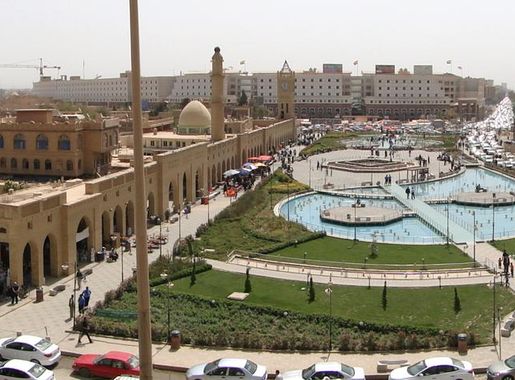


The Enigmatic Beauty of Northern Iraq
Northern Iraq is a land of contrasts, where ancient history meets natural beauty. Known for its rugged mountains and lush valleys, this region offers a unique blend of adventure and tranquility. The area is home to the stunning Zagros mountain range, which provides breathtaking landscapes and opportunities for hiking and exploration. The cities of Erbil and Sulaymaniyah are cultural hubs, rich with historical sites and vibrant markets. Erbil, one of the oldest continuously inhabited cities in the world, boasts the impressive Erbil Citadel, a UNESCO World Heritage site. In Sulaymaniyah, you can visit the Amna Suraka Museum to learn about the region's complex history. Northern Iraq is also known for its warm hospitality and delicious cuisine. Visitors can enjoy traditional Kurdish dishes like kebabs and dolma, often accompanied by freshly baked bread and aromatic tea. The local people are known for their friendliness and are always eager to share their culture and traditions with visitors.