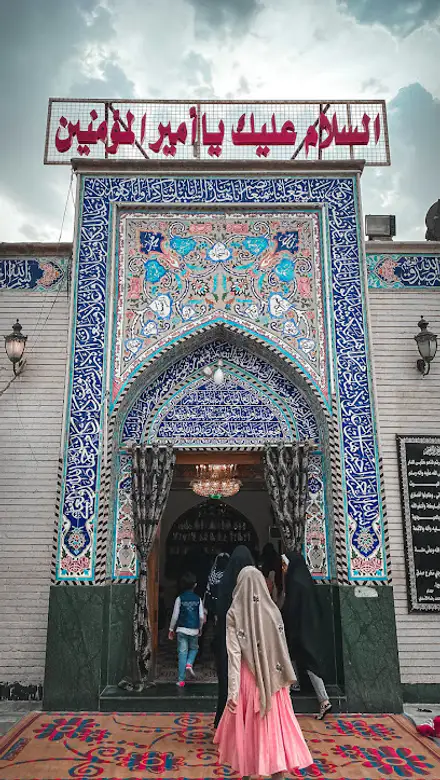
Darul 'Imara Travel Guide
Free Guide: Explore Darul 'Imara in Kufa, a historic palace showcasing early Islamic architecture and the rich heritage of Iraq.


A brief summary of Darul 'Imara
Explore Darul 'Imara in Kufa, a historic palace showcasing early Islamic architecture and the rich heritage of Iraq.
Darul 'Imara, located in Kufa, Iraq, is a historical landmark that once served as the palace of the governor. Built in 670 by Ziyad ibn Abihi, it stands as an early example of Islamic palatial architecture, drawing inspiration from Sasanian fortresses. Excavations have revealed multiple layers of construction, reflecting the region's rich history.
Opening hours
- Every day6 am–11 pm
Opening hours as listed on the venue’s Google Business Profile. Hours can change for services and special events, so check with the venue before you go.
- Address
- 2CH2+58P, Kufa, Najaf Governorate
- Website
Getting there
Walking
Taxi
Discover more about Darul 'Imara
Overview
Darul 'Imara, or the 'Palace of the Governor,' is a historically significant site in Kufa, Iraq. Constructed in 670 by Ziyad ibn Abihi, the palace was strategically positioned south of the Great Mosque to provide the caliph with direct access to the mosque. This architectural marvel represents an early example of Islamic palaces, incorporating design elements from Sasanian fortresses.Excavations at the site have uncovered three distinct layers of construction, each reflecting a different period in Kufa's history. The first layer dates back to the Islamic invasion of Iraq or earlier, featuring a 114 square meter foundation supported by 20 square towers. The second layer corresponds to the Umayyad period and includes a palace with both exterior and interior walls, also supported by 20 towers. The third layer dates to the early Abbasid era and showcases a large hall adjacent to a square courtyard, with brickwork reminiscent of Damghan and Ukhaider.The palace's architecture is notable for its Sasanian-influenced triple-aisled assembly room and domed chamber. The layout includes bayts with smaller courtyards and a throne room preceded by a vaulted corridor. Darul 'Imara offers visitors a glimpse into the administrative and political life of early Islamic Kufa. It stands as a testament to the city's historical importance as a center for knowledge, spirituality, and cultural exchange.
Evendo Review Centre
 Google
Guest reviews
Explore Darul 'Imara on the map
A handpicked selection of must-see spots near Darul 'Imara, mapped for you.
Get your free copy of our complete guide to Darul 'Imara, delivered straight to you.
Everything on this page, from opening hours and how to get there to Eve’s tips and the best time to go, in one PDF you can read offline, print or share.
Already have an account? Sign in
Your Darul 'Imara guide is ready.
We'll send it to · Not you? Sign out

Getting your guide ready…
We are putting together a fresh copy of the Darul 'Imara guide. This can take up to a minute.
This can take a few moments. If your browser asks, choose Allow so the download can start. You'll find the guide in your Downloads folder.
Nothing happened? Download it again
Sorry, the guide is taking longer than usual. Please try again in a minute, or get it by email instead.
Other nearby places you may find interesting
The closest places of the same kind, if this one is not quite what you had in mind.
-
-
-
-
-


Swipe for more places
More to explore near Darul 'Imara

 Best experiences near Darul 'Imara
 Best hotels near Darul 'Imara
 Best landmarks near Darul 'Imara
 Best attractions near Darul 'Imara
 Best shops near Darul 'Imara
 Best restaurants near Darul 'Imara
 Best bars near Darul 'Imara
Do you manage this location?
Take control to get all the benefits, like improved information, better appearance, and stronger visibility across AI-powered discovery.
Explore more
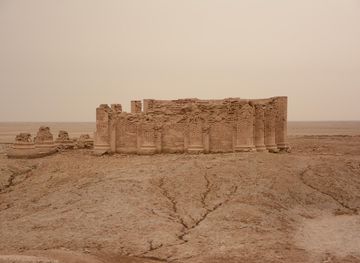
Explore more of Qadisiyyah
Explore Qadisiyyah, where ancient history meets modern charm in the heart of Iraq. Discover the rich heritage and serene landscapes of this unique destination.
Explore Qadisiyyah
Explore more of Iraq
Explore the cradle of civilization in Iraq, where ancient history, rich culture, and diverse landscapes create an unforgettable travel experience.
Explore Iraq