Najaf Sea Travel Guide
Free Guide: Discover the serene beauty of Najaf Sea, a seasonal salt lake with unique geological formations and tranquil landscapes in Najaf, Iraq.


A brief summary of Najaf Sea
Discover the serene beauty of Najaf Sea, a seasonal salt lake with unique geological formations and tranquil landscapes in Najaf, Iraq.
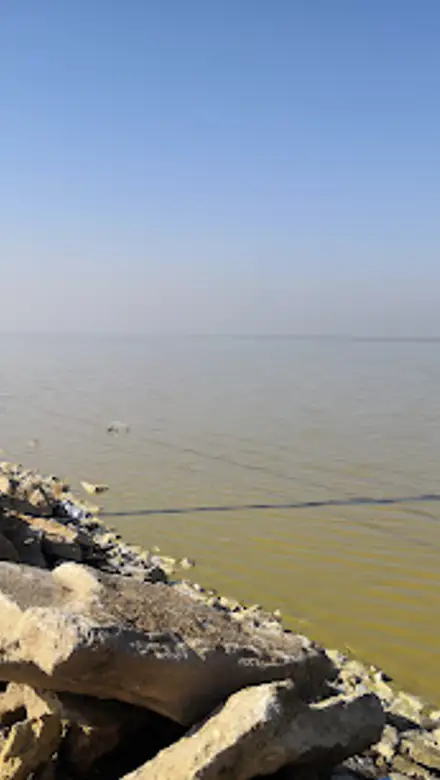
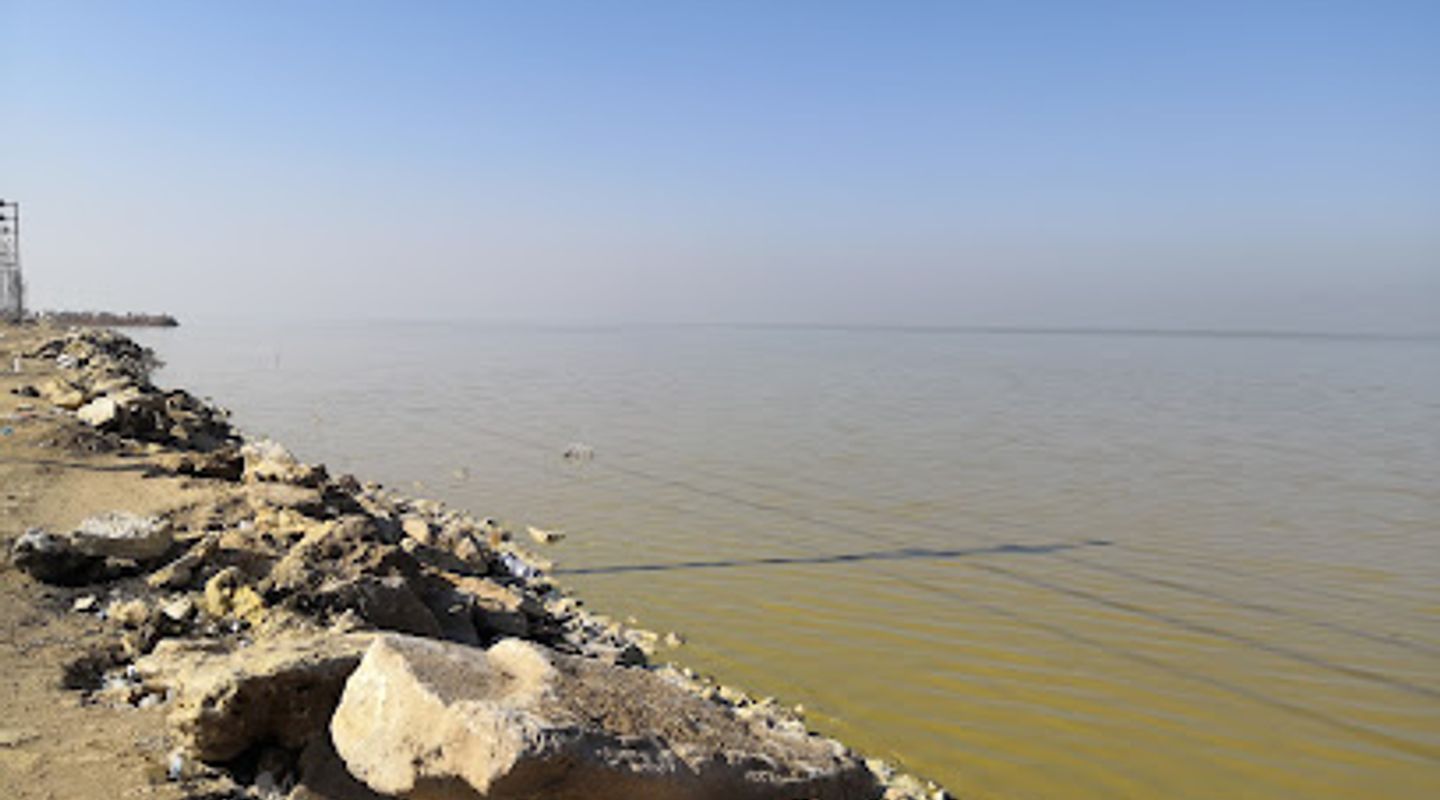
The Najaf Sea, or Bahr Al-Najaf, is a seasonal salt lake located in the Najaf Governorate of Iraq. Despite its name, it's not a sea but a depression that sometimes fills with water, creating a unique landscape of salt flats and marshland. It offers a tranquil escape and a glimpse into the region's natural history.
- Address
- Najaf Governorate
Getting there
Driving
Taxi
Discover more about Najaf Sea
Overview
The Najaf Sea, locally known as Bahr al-Najaf, presents a distinctive geographical feature in the otherwise arid landscape of the Najaf Governorate. It is situated to the west of the city of Najaf. This expansive, shallow depression transforms into a seasonal salt lake, its water levels fluctuating dramatically with rainfall and river flows. At times, it expands to cover approximately 100 square miles, creating a shimmering expanse of water that reflects the sky. At other times, it recedes, leaving behind vast salt flats and marshlands.Geologically, the Najaf Sea is a remnant of an ancient sea that once covered the region millions of years ago. The salt flats are rich in marine fossils, offering a glimpse into prehistoric marine life. The area holds ecological significance, providing habitats for local wildlife and vegetation adapted to the saline conditions. Bird watchers can spot diverse avian life along the shores during migration seasons.Historically, the Najaf Sea has been a landmark and a source of livelihood for the local population. Small villages and towns have thrived on traditional practices such as salt extraction from the lake. The lake has also been a place of recreation and natural beauty, offering a respite from the desert environment. There have been plans to develop the site for eco-tourism.Today, the Najaf Sea faces environmental challenges, including reduced water flow from the Euphrates River tributaries, climate change, and upstream damming. These factors have led to decreased water levels, impacting agriculture, fish resources, and the livelihoods of local communities. Despite these challenges, the Najaf Sea remains a unique and culturally significant site, drawing visitors with its stark beauty and serene atmosphere.
Evendo Review Centre
 Google
Guest reviews
Explore Najaf Sea on the map
A handpicked selection of must-see spots near Najaf Sea, mapped for you.
Get your free copy of our complete guide to Najaf Sea, delivered straight to you.
Everything on this page, from opening hours and how to get there to Eve’s tips and the best time to go, in one PDF you can read offline, print or share.
Already have an account? Sign in
Your Najaf Sea guide is ready.
We'll send it to · Not you? Sign out

Getting your guide ready…
We are putting together a fresh copy of the Najaf Sea guide. This can take up to a minute.
This can take a few moments. If your browser asks, choose Allow so the download can start. You'll find the guide in your Downloads folder.
Nothing happened? Download it again
Sorry, the guide is taking longer than usual. Please try again in a minute, or get it by email instead.
Other nearby places you may find interesting
The closest places of the same kind, if this one is not quite what you had in mind.
-
-
-
-
-


Swipe for more places
More to explore near Najaf Sea

 Best experiences near Najaf Sea
 Best hotels near Najaf Sea
 Best landmarks near Najaf Sea
 Best attractions near Najaf Sea
 Best shops near Najaf Sea
 Best restaurants near Najaf Sea
 Best bars near Najaf Sea
Do you manage this location?
Take control to get all the benefits, like improved information, better appearance, and stronger visibility across AI-powered discovery.
Explore more

Explore more of Western Desert
Explore the uncharted beauty and ancient history of Iraq's Western Desert, a vast landscape of dunes, archaeological marvels, and serene solitude.
Explore Western Desert
Explore more of Iraq
Explore the cradle of civilization in Iraq, where ancient history, rich culture, and diverse landscapes create an unforgettable travel experience.
Explore Iraq