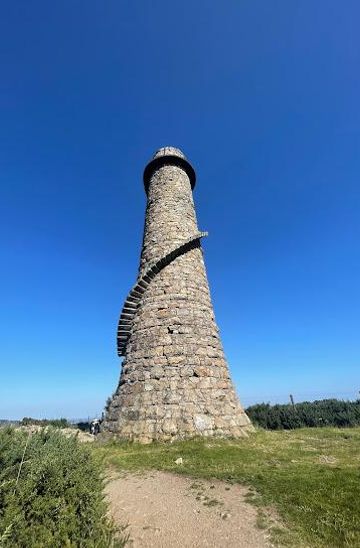
Exploring the Historical Depths of Ballycorus Lead Mines
Discover the rich history and natural beauty of the Ballycorus Lead Mines in Co. Dublin, a captivating historical landmark perfect for all travelers.
Nestled in the scenic Co. Dublin, the Ballycorus Lead Mines offer a captivating glimpse into Ireland's industrial past. Tourists can wander through the remnants of this once-thriving mining site, surrounded by lush landscapes and rich history. The site is perfect for those interested in heritage and nature, making it a must-visit for anyone exploring the Dublin area.
A brief summary to Ballycorus Lead Mines
- Ballycorus, Co. Dublin, IE

Know before you go
Hi, I'm Eve. Here are a few practical things to know before exploring Ballycorus Lead Mines.
- Wear comfortable walking shoes as the terrain can be uneven.
- Bring a camera to capture the stunning landscapes and historical remnants.
- Visit early in the morning or late afternoon for the best light and fewer crowds.
- Check the weather before your visit, as the site can be muddy after rain.
- Consider combining your visit with a hike on nearby trails for a full day of exploration.
Do you manage this location?
Take control to get all the benefits, like improved information, better appearance, and stronger visibility across AI-powered discovery. Learn more
Activate your presence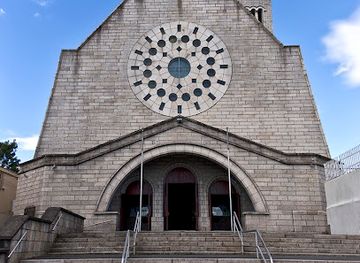
Getting There
-
Car
From Dublin city center, head south on O'Connell Street towards the River Liffey. Continue onto Clanbrassil Street and follow the signs for the N11. Merge onto the N11 and continue for approximately 10 kilometers. Take the exit toward the R116/Ballycorus Road. At the roundabout, take the second exit onto the R116 and follow it for about 4 kilometers. You will see signs for Ballycorus Lead Mines, which will be on your right. Look for the parking area near the entrance.
-
Public Transportation
From Dublin city center, take the Luas Green Line tram toward Brides Glen. Get off at the Sandyford stop. From there, catch the 44 bus towards Glencullen. Ride the bus for about 15 minutes and get off at the 'Ballycorus' stop. Walk approximately 10 minutes north on Ballycorus Road, and you will reach the Ballycorus Lead Mines.
Discover more about Ballycorus Lead Mines
Explore the best of what Ballycorus Lead Mines has to offer













More about County Dublin
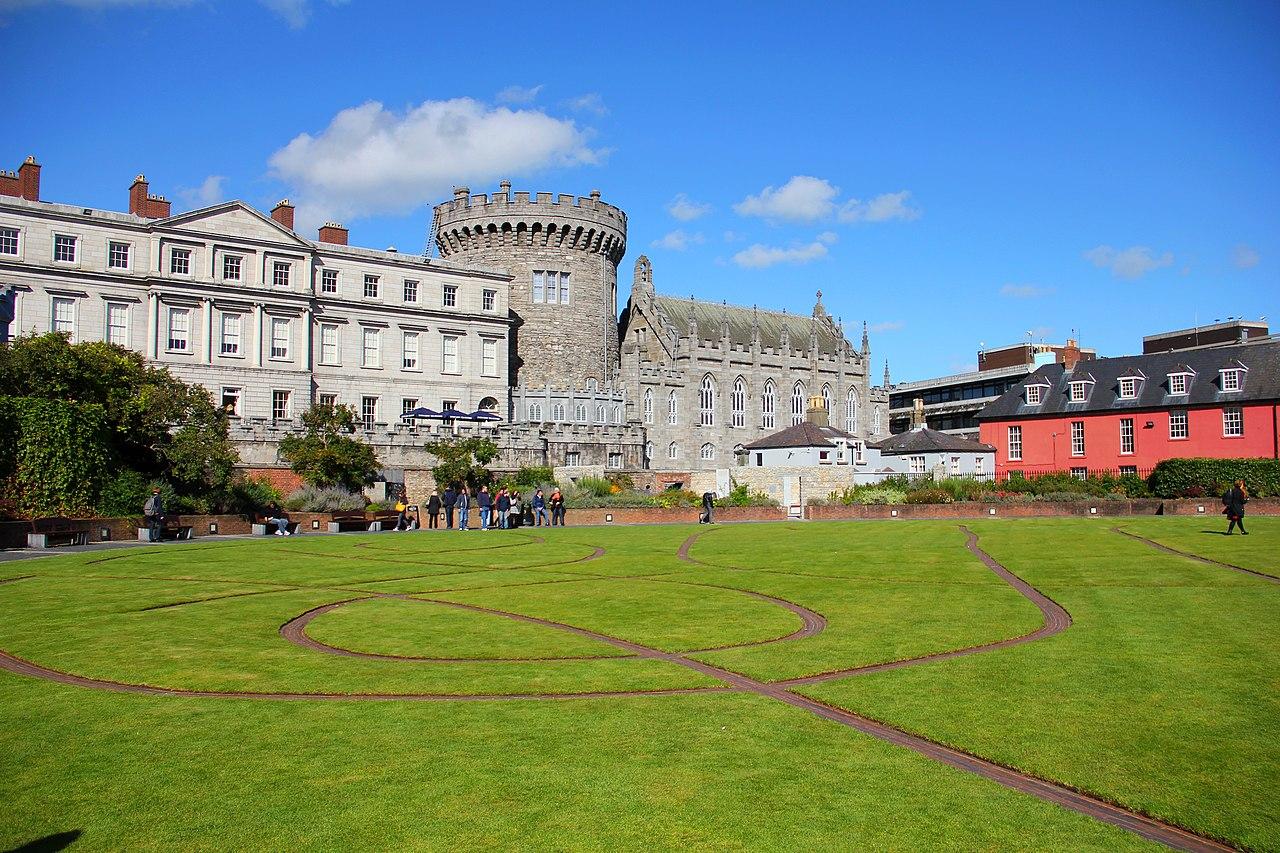
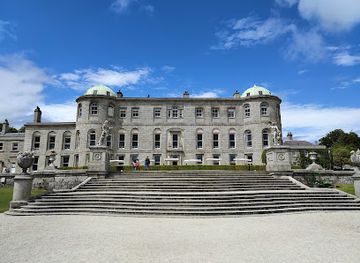
Discover the rich history, vibrant culture, and stunning landscapes of County Dublin, Ireland's dynamic capital region.
Tell me more about County Dublin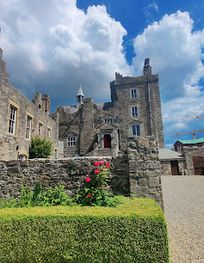
Explore the rich history and stunning architecture of Drimnagh Medieval Castle, a captivating landmark in Dublin surrounded by beautiful gardens.
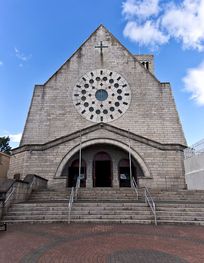
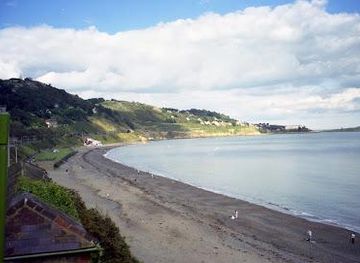
A blend of architectural styles and community spirit in the heart of Bray, County Wicklow.