Ballymote Castle, Connacht Travel Guide
Explore Ballymote Castle, a historic Norman fortress in County Sligo, Ireland, with impressive ruins and a rich medieval past.
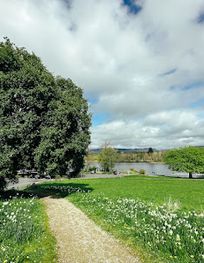
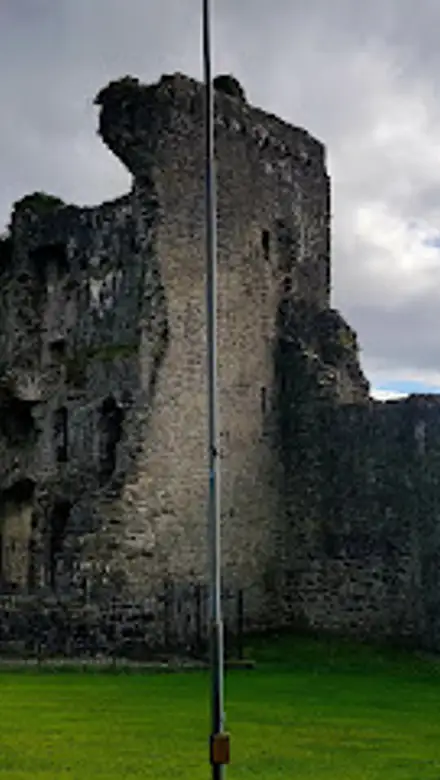
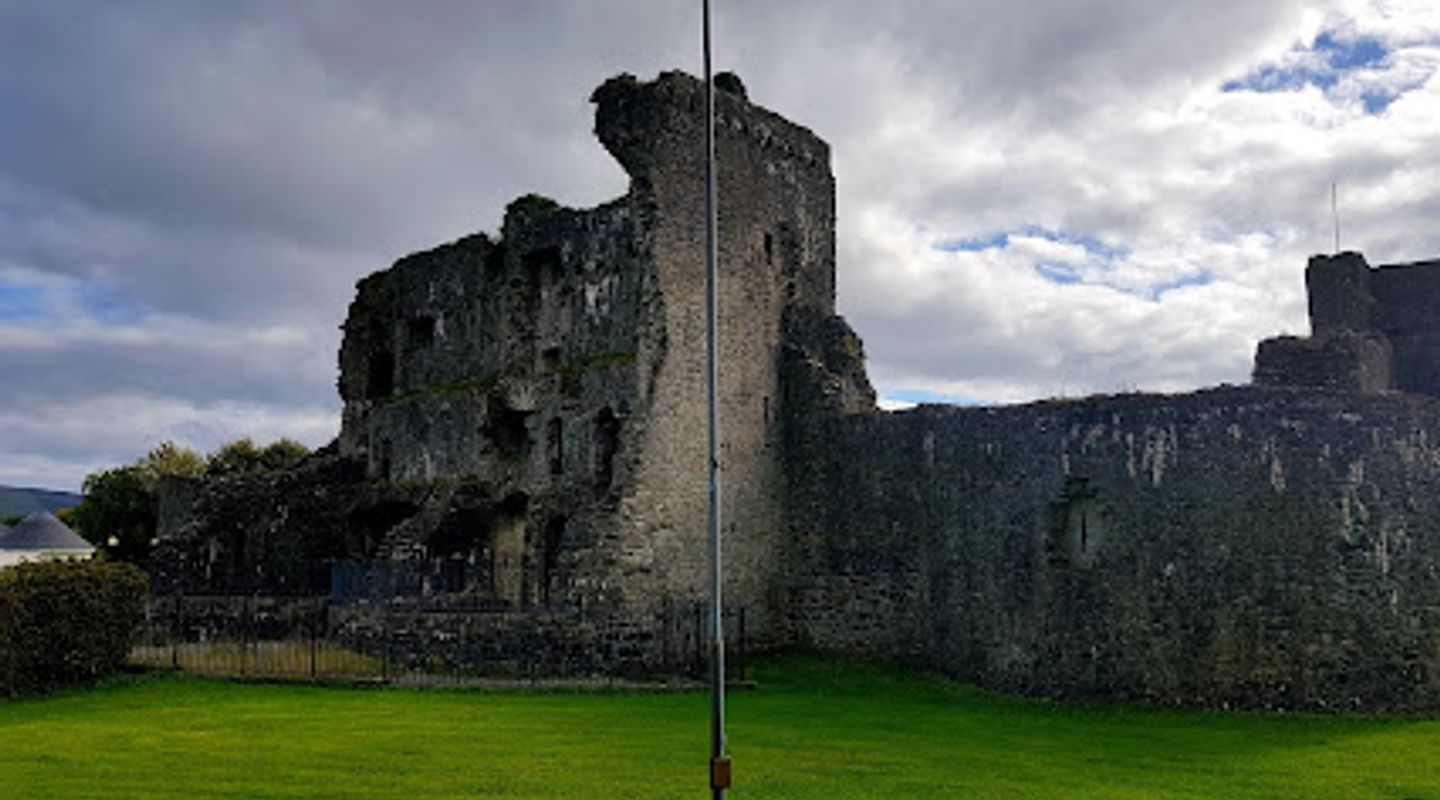
Ballymote Castle, a large keepless enclosure castle built around 1300 by Richard Óg de Burgh, the Red Earl of Ulster, stands as a testament to Norman influence in Connacht. Located in Ballymote, County Sligo, it is among the last and largest of the Norman castles. Though now a ruin, its imposing structure and strategic importance in Irish history continue to captivate visitors.
A brief summary to Ballymote Castle
- Ballymote, Carrownanty, Co. Sligo, IE
- Monday 9 am-5 pm
- Tuesday 9 am-5 pm
- Wednesday 9 am-5 pm
- Thursday 9 am-5 pm
- Friday 9 am-5 pm
- Saturday 9 am-5 pm
- Sunday 9 am-5 pm

Know before you go
Hi, I'm Eve. Here are a few practical things to know before exploring Ballymote Castle.
- Visit on a weekday for a quieter experience, as weekends tend to be more crowded.
- Bring a picnic to enjoy on the castle grounds, taking in the serene atmosphere and scenic views.
- Wear comfortable shoes, as exploring the castle ruins involves walking on uneven terrain.
- Check the weather forecast before your visit, as the castle is best enjoyed in pleasant conditions.
Do you manage this location?
Take control to get all the benefits, like improved information, better appearance, and stronger visibility across AI-powered discovery. Learn more about listing your business on Evendo
Activate your presenceOther nearby places you may find interesting
The closest places of the same kind, if this one is not quite what you had in mind.

Explore Ballymote Castle on the Map
A handpicked selection of must-see spots near Ballymote Castle, mapped for you.
Getting There
-
Walking
From Ballymote town center, the castle is a short 10-minute walk. Head west from the town square, following the R293 towards Tubbercurry. The castle is located on the left, just past the Catholic Church and opposite the Ballymote Railway Station. Access to the castle grounds is through the Ballymote Community Nursing Unit.
-
Public Transport
Ballymote is accessible by train and bus. The Ballymote train station is directly opposite the castle. Bus Éireann and TFI Local Link operate services to Ballymote from Sligo and surrounding areas. From the bus stop in Ballymote, it is a 10-minute walk to the castle. Follow Main Street, turn left onto the R293, and the castle will be on your left. A single train fare from Sligo to Ballymote costs approximately €3-€5. Bus fares vary.
-
Car
If driving from Sligo, take the N4 towards Dublin and then the R293 to Ballymote. Follow the signs for Ballymote Castle. The castle is located on the R296, opposite the Ballymote Railway Station. Limited parking is available near the castle. Roadside parking may be available if the community park is full. Parking is generally free in Ballymote.
Discover more about Ballymote Castle













Your all‑in‑one travel companion app
Explore expert travel guides, compare and book tours, experiences, hotels, and more—all from the palm of your hand. Download now for seamless trip planning wherever your wanderlust takes you.


Explore More of Connacht
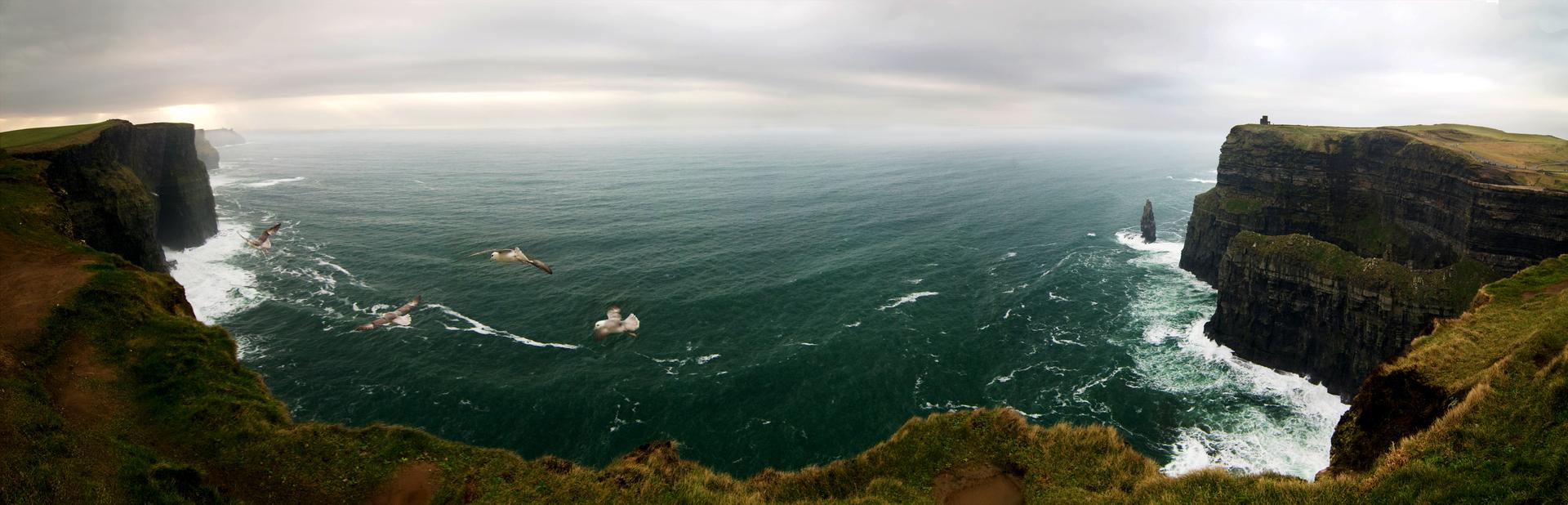
Looking beyond Ballymote Castle? Discover Connacht for broader travel guides, local hot-spots, and regional highlights.
Explore Connacht