

Free Castletown Travel Guide & Mobile App
Plan your Castletown trip with Evendo. Get free guides to top attractions, restaurants, hotels, and bars. Web access or download the mobile app.


Castletown, Isle of Man, pairs Castle Rushen, harbour walks and Manx heritage with museums, coastal scenery and easy southern-island sightseeing.
A Former Capital in the Southern Isle of Man
Castletown occupies a sheltered position on the southern coast of the Isle of Man, where a small harbour and the River Silverburn frame one of the island's most historically concentrated settlements. Once the capital of the Manx nation, the town retains an unusually strong sense of its past: Castle Rushen rises above the central square, while narrow lanes lead towards churches, civic buildings and waterfront warehouses. Its compact scale makes the centre easy to explore on foot, with history encountered almost continuously rather than confined to a single museum.Read more about Castletown
Castle, Parliament and Maritime Traditions
Southern Landscapes and Manx Character
When is the best time to visit Castletown?
Best: July–September · 17–20°C| Month | High (°C) | Rainfall (mm) |
|---|---|---|
| January | 8 | 82 |
| February | 8 | 67 |
| March | 9 | 60 |
| April | 10 | 55 |
| May | 13 | 54 |
| June | 16 | 66 |
| July (best) | 19 | 70 |
| August (best) | 20 | 75 |
| September (best) | 17 | 68 |
| October | 14 | 83 |
| November | 10 | 91 |
| December | 9 | 100 |
Getting to and around Castletown
How to get there
Transportation
Best attractions in Castletown
Castletown's principal attractions are concentrated within an easily walkable historic centre. Castle Rushen dominates the town, inviting visitors through its medieval rooms, defensive passages and later administrative spaces. The Old House of Keys offers a more intimate encounter with Manx political history, while the Nautical Museum explores the island's seafaring past and the story of Peggy, the preserved yacht associated with the collection. The Old Grammar School, a surviving medieval schoolhouse, adds an architectural glimpse of education in earlier centuries. St Mary's Church and the harbour provide quieter experiences, with the latter opening views across the water and towards the southern coast. Walking between these sites is part of the appeal: the route passes civic buildings, narrow lanes and older houses rather than isolated attractions. Castletown also makes a useful base for exploring nearby southern landscapes, although Port Erin, Port St Mary and The Sound are separate destinations rather than parts of the town.
-
Castle
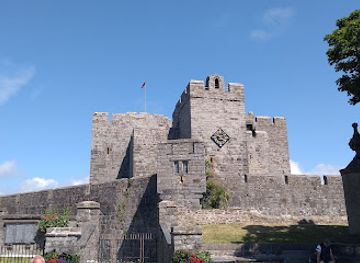
Castle Rushen
Uncover the rich history of the Isle of Man at Castle Rushen, a stunning 13th-century fortress and a key historical landmark.
2 min walk · 0.1 km from city centre
-
Museum
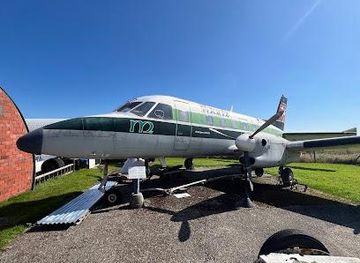
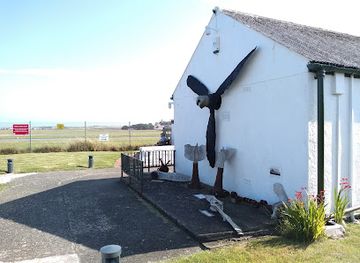
Manx Aviation and Military Museum
Discover the fascinating aviation and military history of the Isle of Man at the Manx Aviation and Military Museum, located at the airport.
19 min walk · 1.5 km from city centre
-
Tourist attraction
Old Grammar School
Explore the Old Grammar School in Castletown, a historical museum that offers a captivating insight into the Isle of Man's educational past.
3 min walk · 0.2 km from city centre
-
Sculpture
Captain Quilliam Statue
Explore the Captain Quilliam Statue in Castletown, a stunning tribute to maritime heritage and local artistry in the heart of the Isle of Man.
2 min walk · 0.2 km from city centre



Best landmarks in Castletown
Castle Rushen is Castletown's defining landmark, a substantial medieval fortress whose towers, gatehouse and later civic uses embody the island's political history. In the same historic centre, the Old House of Keys represents the former seat of the Manx elected chamber and helps explain Castletown's status as the island's capital until 1869. The Old Grammar School, a carefully preserved medieval school building, gives the town an unusually tangible connection with early education. St Mary's Church contributes a prominent religious landmark, while the harbour and River Silverburn explain the settlement's maritime geography. The Nautical Museum is significant not only for its collections but also for the survival of Peggy, a rare physical reminder of the boats and seafaring networks linked to the island. Together these landmarks show how defence, government, religion, education and trade shaped Castletown's form.
-
Castle
Castle Rushen
Explore Castle Rushen, a stunning medieval fortress in Castletown, revealing the rich history and heritage of the Isle of Man.
2 min walk · 0.1 km from city centre
-
Pub
The Sidings
Experience the warmth and charm of The Sidings, a cozy pub in Castletown, offering local cuisine and a welcoming atmosphere for all visitors.
7 min walk · 0.6 km from city centre
-
Railway services
Isle of Man Railway - Castletown Station
Explore the historic charm of Castletown Station, a key attraction on the Isle of Man Railway showcasing vintage steam trains and breathtaking landscapes.
8 min walk · 0.7 km from city centre
-
Museum
Manx Aviation and Military Museum
Discover the Isle of Man's aviation and military history at the Manx Aviation and Military Museum, a treasure trove of exhibits and artifacts.
19 min walk · 1.5 km from city centre


Explore Castletown on the map
Plan your Castletown trip on one map. See where the top attractions, landmarks, restaurants, bars and hotels are, find what's near where you're staying, and book hotels and experiences in a few clicks.
Best hotels in Castletown
Best restaurants in Castletown
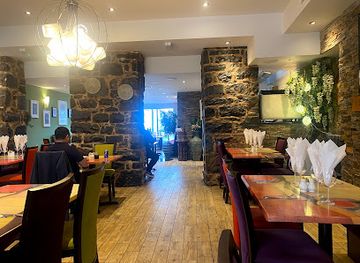
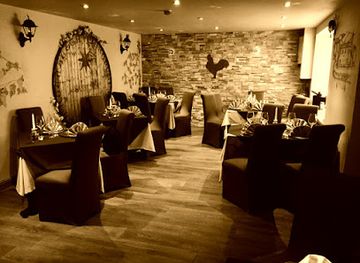
Castletown's dining scene is modest in scale and centred on cafés, pubs and independent eateries around the historic core, Market Square and the harbour. Menus commonly draw on the island's maritime setting, with seafood, locally sourced meat, baking and familiar British and Irish-influenced dishes appearing alongside contemporary café food. Manx specialities worth looking for include Manx kippers and queenies, small scallops associated with the island's surrounding waters, while local producers also contribute cheese, meat and seasonal goods. The town suits relaxed daytime eating after visiting Castle Rushen, with harbour-side settings adding a sense of place. Food shopping is more practical than market-driven, and visitors seeking a broader choice of restaurants may find it in Douglas, though Castletown's smaller scale allows independent businesses and traditional pub dining to retain a strong presence.
-
 Restaurant
The George Hotel
Discover culinary delights at The George Hotel in Castletown—a charming inn, pub, and restaurant offering unforgettable dining experiences.
2 min walk · 0.1 km from city centre
-
Italian
Leonardo's Restaurant
Discover authentic Italian flavors at Leonardo's Restaurant in Castletown - where every dish tells a story.
2 min walk · 0.2 km from city centre
-
Pizza
Secret Pizza
Indulge in delicious pizzas at Secret Pizza, Castletown's vibrant eatery known for live music and an inviting atmosphere.
1 min walk · 0.1 km from city centre
-
Restaurant
Tuscany Restaurant
Experience authentic Italian cuisine at Tuscany Restaurant in Castletown – where every meal is a celebration of flavor and hospitality.
1 min walk · 0.1 km from city centre
Best bars in Castletown
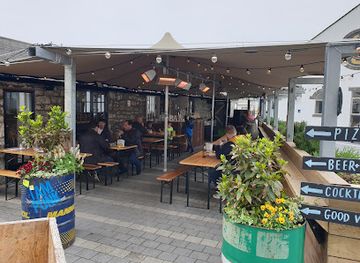
Castletown's evening life is low-key rather than club-focused, with traditional pubs and relaxed bars providing the main social settings around the central streets and harbour. Evenings tend to revolve around conversation, locally brewed or imported drinks, televised sport and occasional community activity rather than a large late-night circuit. The town's historic surroundings also suit an early evening walk, particularly around Castle Rushen and the waterfront, when the streets become quieter. Live entertainment and cultural events may appear as part of seasonal or community programmes, but availability varies and should not be assumed. Visitors seeking theatres, larger music venues or a wider choice of late-night bars will generally find more options in Douglas, connected to Castletown by road and public transport, while the southern town is better suited to an unhurried evening than a nightclub itinerary.
-
Hotel
The George Hotel
Experience the charm of Castletown at The George Hotel, your cozy retreat with local dining and vibrant pub atmosphere.
2 min walk · 0.1 km from city centre
-
Pub
The Sidings
Discover the warmth of Isle of Man hospitality at The Sidings, a cozy pub in Castletown, offering local brews and traditional cuisine.
7 min walk · 0.6 km from city centre
-
Italian
Leonardo's Restaurant
Experience authentic Italian cuisine at Leonardo's Restaurant in Castletown, where each dish is a flavorful journey through Italy's culinary traditions.
2 min walk · 0.2 km from city centre
-
Pizza
Secret Pizza
Discover the vibrant flavors of Secret Pizza in Castletown, where traditional Italian meets local charm in every bite.
1 min walk · 0.1 km from city centre


Best nightclubs in Castletown
Castletown's evening life is low-key rather than club-focused, with traditional pubs and relaxed bars providing the main social settings around the central streets and harbour. Evenings tend to revolve around conversation, locally brewed or imported drinks, televised sport and occasional community activity rather than a large late-night circuit. The town's historic surroundings also suit an early evening walk, particularly around Castle Rushen and the waterfront, when the streets become quieter. Live entertainment and cultural events may appear as part of seasonal or community programmes, but availability varies and should not be assumed. Visitors seeking theatres, larger music venues or a wider choice of late-night bars will generally find more options in Douglas, connected to Castletown by road and public transport, while the southern town is better suited to an unhurried evening than a nightclub itinerary.
-
Hotel
The George Hotel
Discover the charm and comfort of The George Hotel in Castletown, Isle of Man, where history meets hospitality.
2 min walk · 0.1 km from city centre
-
Pub
The Sidings
Discover the charm of The Sidings, a lively pub in Castletown, Isle of Man, offering local ales, live music, and a vibrant atmosphere.
7 min walk · 0.6 km from city centre
-
Pub
The Viking Hotel
Discover the vibrant charm and delicious offerings at The Viking Hotel, a beloved pub in Castletown, Isle of Man, perfect for relaxing after a day of exploration.
7 min walk · 0.6 km from city centre
-
Pub
The Castle Arms
Discover the inviting atmosphere and local flavors at The Castle Arms, a must-visit pub on the stunning quayside of Castletown.
2 min walk · 0.1 km from city centre


Best shops in Castletown
Shopping in Castletown is small-scale and locally oriented, with independent shops, cafés, galleries and craft retailers threaded through streets near Market Square, Castle Street and the harbour. Visitors may find Manx-themed gifts, locally made crafts, artwork, food products and textiles, while island-produced goods offer a more meaningful alternative to generic souvenirs. Manx tartan, created in distinctive island colourways, is one recognisable purchase, and local food specialities can include kippers, cheese, confectionery and other preserved or packaged products. The town does not function as a major shopping centre, so expectations are best focused on browsing rather than extensive retail choice. For everyday provisions and a broader selection of shops, Douglas is the island's principal commercial centre, while Castletown's appeal lies in the relationship between its independent businesses and historic setting.
-
Coffee shop
Costa Coffee
Experience the warm ambiance and exceptional coffee at Costa Coffee in Castletown, perfect for a refreshing break during your travels.
2 min walk · 0.1 km from city centre
-
Convenience store
Co-op Food - Castletown IOM
Experience the charm and convenience of Co-op Food in Castletown, your one-stop destination for local flavors and essentials.
2 min walk · 0.1 km from city centre
-
Home goods store
JAC Stores - Castletown
Discover unique home goods and Isle of Man-themed souvenirs at JAC Stores in Castletown, the perfect shopping destination for tourists.
1 min walk · 0.1 km from city centre
-
Bridal shop
Belles & Bows
Explore Belles & Bows, Castletown's premier bridal shop, where your dream wedding gown awaits amidst personalized service and elegant designs.
1 min walk · 0.1 km from city centre


Get your free copy of our complete guide to Castletown, delivered straight to you.
Everything on this page, from attractions and restaurants to essentials and local phrases, in one PDF you can read offline, print or share.
Already have an account? Sign in
Your Castletown guide is ready.
We'll send it to · Not you? Sign out

Getting your guide ready…
We are putting together a fresh copy of the Castletown guide. This can take up to a minute.
This can take a few moments. If your browser asks, choose Allow so the download can start. You'll find the guide in your Downloads folder.
Nothing happened? Download it again
Sorry, the guide is taking longer than usual. Please try again in a minute, or get it by email instead.
Castletown essentials
Currency and Payment
Safety
Emergency Situations
Do's and Don'ts
Local Tips
From Eve
Local phrases worth knowing
You don't need to get them perfect. A few words go a long way, and locals appreciate the effort.
Basics
| English | Local | Say it |
|---|---|---|
| Hello | Hallo | [hah-loh] |
| Goodbye | Slane lhiat | [slahn-eh leeat] |
| Yes | Yea | [yay] |
| No | Nagh | [nah] |
| Please/You're welcome | Cur do laue | [koor doh lay-oo] |
| Thank you | Gura mie ayd | [goo-rah mee ayd] |
| Excuse me/Sorry | Jeeagh dy mie | [jee-ahg dee mee] |
| How are you? | Con s'tou? | [kon stoo] |
| Fine. And you? | Taitnys. As t'ou? | [tayt-nees. ahs too] |
| Do you speak English? | Vel oo loayrt Baarle? | [vel oo loort bar-lay] |
| I don't understand | Cha nel feme erreeym | [khah nayl feh-meh er-raym] |
Eating & Drinking
| English | Local | Say it |
|---|---|---|
| I'd like to see the menu, please | Ta mee goll er y charder, cur do laue | [tah mee goll er ee khahr-der, koor doh lay-oo] |
| I don't eat meat | Cha nel'm ag imbagh feoilt | [khah nayl mahg im-bahg fay-olt] |
| Cheers! | Slaynt! | [slaynt] |
| I would like to pay, please | Ta mee goll dy giu, cur do laue | [tah mee goll dee gyoo, koor doh lay-oo] |
Emergencies
| English | Local | Say it |
|---|---|---|
| Help! | Cur marish! | [koor mah-rish] |
| Go away! | Gow mygeayrt! | [gow mi-gyert] |
| Call the Police! | Cur y Chosney! | [koor uh khos-nay] |
| Call a doctor! | Cur skeaylare! | [koor skay-lahr] |
| I'm lost | Ta mee hiarvaan | [tah mee hee-ar-vahn] |
| I'm ill | Ta mee chorree | [tah mee khohr-ree] |
Shopping
| English | Local | Say it |
|---|---|---|
| I'd like to buy... | Ta mee goll er ny chea... | [tah mee goll er nee kheh-ah] |
| I'm just looking | Cha nel'm agh shirrey | [khah nayl mahg agh sheer-ree] |
| How much is it? | Cre va shen? | [kreh vah shen] |
| That's too expensive | Ta shen roie dy lugh | [tah shen roy deeh loo] |
| Can you lower the price? | Vel oo jerrey yn phrimsys? | [vel oo jeh-ree un freem-sis] |
Time & Numbers
| English | Local | Say it |
|---|---|---|
| What time is it? | Cre'n traa t'eh? | [krehn trah tah] |
| It's one o'clock | Ta eh jeih-yeig | [tah eh yeh-yeg] |
| Half past (10) | Lheie er jeih | [lheh er yeh] |
| Morning | Yiass | [yee-ahs] |
| Afternoon | Aghin-oon | [ah-yin oon] |
| Evening | Feaill | [fayl] |
| Yesterday | Yannoo | [yan-oo] |
| Today | Jiu | [yoo] |
| Tomorrow | Mayr | [mair] |
| 1 | Noo | [noo] |
| 2 | Daoo | [day-oo] |
| 3 | Tree | [tree] |
| 4 | Kiare | [kee-are] |
| 5 | Queig | [kweyg] |
| 6 | Shey | [shay] |
| 7 | Shiaght | [shee-akht] |
| 8 | Hoght | [hokht] |
| 9 | Naoi | [nee] |
| 10 | Jeih | [yeh] |
Transport & Directions
| English | Local | Say it |
|---|---|---|
| Where's a/the...? | C'raad t'eh y...? | [kraad tah y] |
| What's the address? | Cre ta'n cheddin? | [kreh taan khed-din] |
| Can you show me (on the map)? | Vel oo er-yiagh mee (er y mappan)? | [vel oo er-yee-akh mee (er ee mahp-pan)] |
| When's the next (bus)? | Quoi yn-yeig (guoon)? | [kwee yeh-yeg (gwahn)] |
| A ticket (to ....) | Tickeid (da ....) | [tick-ayd (dah)] |
History of Castletown
Early Settlement and Manx Rule
The area around Castletown developed within the wider history of the Isle of Man, an island shaped by both Celtic and Norse cultures. Its sheltered southern setting offered access to the sea and routes across the island, while nearby fertile land supported settlement. Medieval Manx society was governed through a mixture of local custom and external lordship, and the island's political history moved between Norse, Scottish and English influence. Castletown's later importance grew from its defensible position and its proximity to the medieval stronghold that became Castle Rushen. The town therefore emerged not simply as a port, but as an administrative centre connected to the island's rulers and institutions.
Castle Rushen and Medieval Authority
Castle Rushen developed over several centuries as a major fortress and seat of authority for the Lords of Mann. Its stone towers, gatehouse and enclosing walls reflect the strategic importance of controlling the southern part of the island and the approaches to the harbour. The castle was altered as military technology and political needs changed, and it later accommodated civic and judicial functions beyond its original defensive role. Castletown grew around this centre of power, with churches, residences and commercial premises forming the town visible today. The castle's survival provides an unusually clear physical link between medieval government and the later civic life of the settlement.
The Capital and the House of Keys
Castletown served as the capital of the Isle of Man until 1869, when Douglas assumed that role as the island's commercial and administrative importance shifted. During Castletown's capital period, the town was closely associated with the Tynwald, the Manx parliament, and with the island's courts and government. The Old House of Keys, a modest but important building near Castle Rushen, recalls the work of the elected chamber before it moved to Douglas. This political history helps explain why Castletown contains civic architecture on a scale greater than might be expected from its present population. Its streets preserve the imprint of a former national centre.
Maritime Trade and the Harbour
Castletown's harbour supported fishing, coastal commerce and links with the wider Irish Sea world. Maritime activity brought goods, people and ideas to the town, while the surrounding coast shaped local employment and daily life. The Nautical Museum's association with Peggy, an early nineteenth-century yacht preserved in the town, offers a tangible reminder of these seafaring connections. Harbour buildings and waterfront lanes also reflect the practical relationship between trade and settlement, even though Castletown's economic role later diminished in comparison with Douglas and other island ports. The sea remains central to the town's character, but today it is experienced as much through heritage and leisure as through working commerce.
From Victorian Change to Heritage Town
The nineteenth century brought major changes across the Isle of Man, including the growth of Douglas, improved transport and the development of tourism. Castletown lost its capital status but retained its historic buildings and civic identity. Rail and road connections made the southern town more accessible, while the island's political institutions continued to evolve. In the modern period, conservation and heritage interpretation have given Castle Rushen, the Old House of Keys, the Nautical Museum and other buildings renewed public importance. Castletown now functions as a living town rather than a preserved open-air museum: ordinary homes, local businesses and community spaces occupy the same streets as buildings that document centuries of Manx history.
Castletown in Photos
Browse through our photo collection highlighting the charm and character of the destination.
Cities near Castletown
The closest cities to Castletown, if you have time for more than one stop.
-

-

-

-
-


Swipe for more cities
Explore more

Explore more of Isle of Man
Discover the Isle of Man: A captivating blend of natural beauty, rich history, and vibrant culture nestled in the Irish Sea, perfect for a tranquil yet adventurous getaway.
Explore Isle of Man