
Ballasalla, Isle of Man Travel Guide
Discover the serene village of Ballasalla on the Isle of Man, known for its historic Rushen Abbey, scenic Silverdale Glen, and easy access to the island’s attractions.
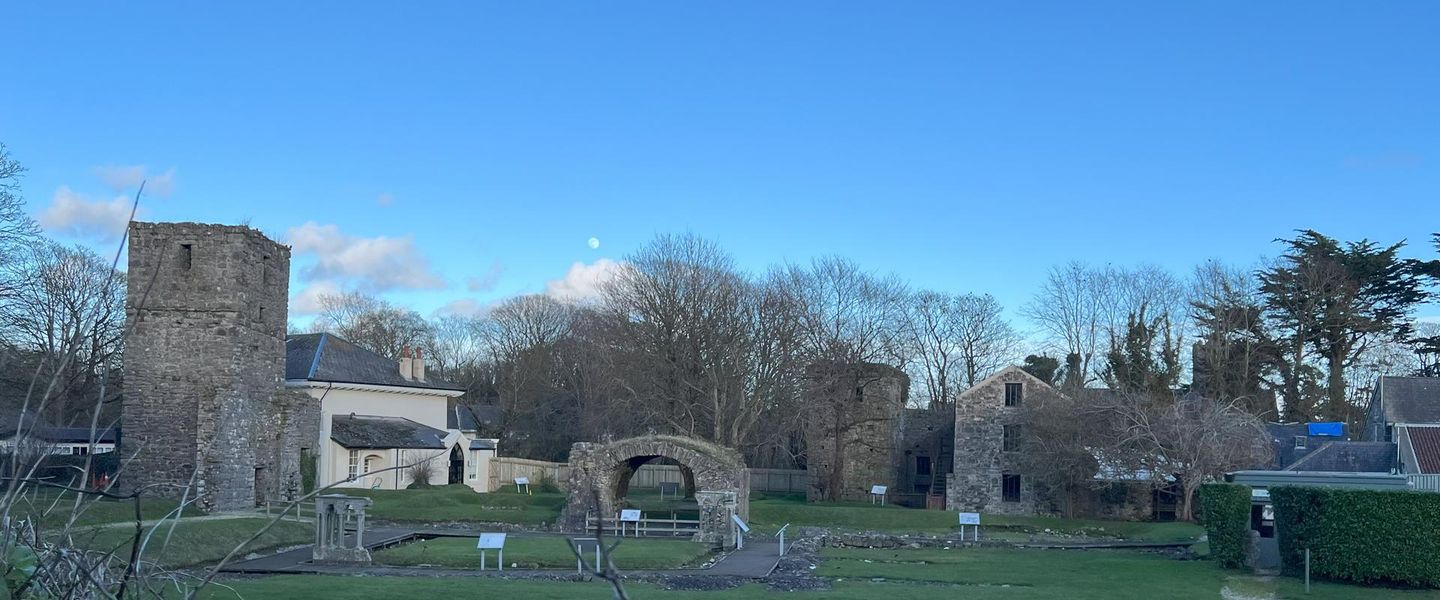
Nestled in the heart of the Isle of Man, Ballasalla is a charming village that offers a serene escape from the hustle and bustle of city life. Known for its picturesque landscapes and rich history, Ballasalla is a perfect destination for those seeking tranquility and a touch of culture. One of the main attractions in Ballasalla is Rushen Abbey, a historic site dating back to the 12th century. The Abbey provides a fascinating glimpse into the island's monastic past and is surrounded by beautiful gardens ideal for a leisurely stroll. The nearby Silverdale Glen is another must-visit, offering a scenic park with a boating lake, play area, and winding paths through lush greenery. Ballasalla also serves as a gateway to the rest of the Isle of Man, with excellent transport links to other key destinations. The village's proximity to Ronaldsway Airport makes it an accessible spot for international travelers. Whether you're exploring the local heritage or simply enjoying the peaceful countryside, Ballasalla is sure to leave a lasting impression.

Know before you go
Hi, I'm Eve. Here are a few practical things to know before exploring Ballasalla.
- Visit Rushen Abbey early in the morning to avoid crowds and enjoy a peaceful experience.
- Take a stroll through Silverdale Glen and don't miss the charming boating lake.
- Stay connected with the village’s history by visiting the local heritage sites and museums.
- Use Ballasalla as a base to explore the Isle of Man, thanks to its excellent transport links.
- For a unique experience, visit during local festivals to enjoy traditional Manx culture.
Explore Ballasalla: Things to Do, Places to Eat, Hotels & More
Handpicked recommendations for top attractions, local dining, accommodations, and more

Best attractions in Ballasalla
Top-rated picks
Best Attractions

Castle Rushen
Discover the rich history and stunning architecture of Castle Rushen, a medieval fortress that tells the story of the Isle of Man.

Murray's Motorcycle Museum
Explore the rich history of motorcycling at Murray's Motorcycle Museum, a captivating attraction on the Isle of Man showcasing over 200 bikes.

Fairy Bridge
Explore the Fairy Bridge on the Isle of Man, a historic landmark steeped in folklore and surrounded by breathtaking scenery.

Manx Aviation and Military Museum
Uncover the fascinating aviation and military history of the Isle of Man at the Manx Aviation and Military Museum, a perfect stop for history buffs and families.

Best landmarks in Ballasalla
Top-rated picks
Best Landmarks

Castle Rushen
Explore Castle Rushen, an iconic medieval fortress in Castletown, Isle of Man, rich in history and stunning architecture.

Home of Rest for Old Horses
Discover the heartwarming Home of Rest for Old Horses in Douglas, Isle of Man, where equine welfare and compassion come together in a unique sanctuary experience.

Silverdale Glen Cafe
Discover the serene Silverdale Glen Cafe, a perfect blend of nature and delicious homemade treats on the Isle of Man.

The Whitestone Inn
Experience the warmth of The Whitestone Inn in Ballasalla, Isle of Man—where local brews and hearty meals await every traveler.

Best restaurants in Ballasalla
Top-rated picks
Best Restaurants

The George Hotel
Discover the perfect blend of history and modernity at The George Hotel, your culinary destination in Castletown.

The Forge
Discover culinary excellence at The Forge in Mount Murray – where fresh ingredients meet exceptional flavors in an inviting atmosphere.

Leonardo's Restaurant
Experience the heart of Italy at Leonardo's Restaurant in Castletown - where authentic flavors meet warm hospitality.

The Abbey Restaurant
Discover exquisite cuisine at The Abbey Restaurant in Ballasalla - where history meets culinary artistry on the Isle of Man.

Best bars in Ballasalla
Top-rated picks
Best Bars
The George Hotel
Discover the historic elegance of The George Hotel in Castletown, where comfort meets local charm and vibrant hospitality awaits.

The Sidings
Discover the cozy charm of The Sidings, a quintessential pub in Castletown, Isle of Man, offering local brews and hearty meals in a historic setting.

The Whitestone Inn
Experience the charm of The Whitestone Inn, a cozy pub in Ballasalla offering delicious local cuisine and a welcoming atmosphere for all.

The Abbey Restaurant
Indulge in exquisite dishes at The Abbey Restaurant, where heritage meets modern cuisine in the heart of the Isle of Man.

Best nightclubs in Ballasalla
Top-rated picks
Best Nightclubs

The Sidings
Experience the lively spirit of The Sidings Pub in Castletown, where local culture meets excellent service and live entertainment.

The Whitestone Inn
Experience the heart of local culture at The Whitestone Inn, a lively pub in Ballasalla, Isle of Man, known for its welcoming ambiance and delicious food.

The Viking Hotel
Discover the charm of The Viking Hotel in Castletown, where warm hospitality, delicious food, and local culture meet.

Rendezvous Executive Lounge
Discover tranquility at the Rendezvous Executive Lounge, your serene escape in Ronaldsway Airport, offering fine wines and cozy comfort.

Best shops in Ballasalla
Top-rated picks
Best Shops

Ballasalla Stores
Explore local flavors and artisanal delights at Ballasalla Stores, the heart of grocery shopping in the Isle of Man.

Toque Snuff Ltd
Explore the rich world of tobacco at Toque Snuff Ltd, the Isle of Man's premier destination for snuff and tobacco products.

Beautiful Blooms Ltd
Discover Beautiful Blooms Ltd, a charming florist in Ballasalla offering exquisite floral arrangements and unique gifts that capture the Isle of Man's beauty.

Watches of Mann
Explore the exquisite collection of luxury watches at Watches of Mann in Ballasalla, Isle of Man, where timeless elegance meets exceptional service.

Explore Ballasalla on the Map
A handpicked selection of must-see spots in Ballasalla, mapped for you.
Ballasalla Essentials
-
Ballasalla is located in the south of the Isle of Man. The nearest airport is Isle of Man Airport (Ronaldsway Airport), which is just a few minutes away by taxi or bus. Regular flights connect the Isle of Man to several cities in the UK and Ireland. Additionally, you can reach the Isle of Man by ferry from Liverpool, Heysham, Belfast, and Dublin. Once on the island, Ballasalla is easily accessible by car, taxi, or public transport.
-
Ballasalla is well-connected by public transport. Buses operated by Isle of Man Transport provide regular services to and from Ballasalla. For a more scenic route, the Isle of Man Steam Railway stops at Ballasalla, connecting it with Douglas and Port Erin. Taxis are also readily available, and renting a car is a convenient option for exploring the island at your own pace.
-
The official currency of the Isle of Man is the Manx pound (IMP), which is equivalent to the British pound (GBP). British pounds are also widely accepted. Credit and debit cards are accepted in most establishments, but it's advisable to carry some cash for smaller shops and rural areas. ATMs are available in Ballasalla and nearby towns.
-
Ballasalla is generally a safe destination for tourists. However, like any travel destination, it is advisable to take standard precautions. Avoid leaving valuables unattended and be cautious when walking alone at night. There are no specific high-crime areas targeting tourists in Ballasalla, but it's always best to stay vigilant.
-
In case of emergency, dial 999 or 112 for immediate assistance. The nearest police station and medical facilities are available in nearby towns such as Castletown and Douglas. It is recommended to have travel insurance that covers medical emergencies. Pharmacies are available in Ballasalla and surrounding areas for over-the-counter medications.
-
Fashion: Do dress comfortably and appropriately for the weather. Avoid overly revealing clothing in more conservative areas. Religion: Do respect local customs and traditions, especially when visiting religious sites. Public Transport: Do be respectful and give up your seat to elderly passengers. Don't eat or drink on public transport. Greetings: Do greet people with a friendly 'Hello' or 'Hi.' A handshake is also common. Eating & Drinking: Do try local delicacies and accept food offerings graciously. Don't refuse hospitality, as it is considered impolite.
-
To experience Ballasalla like a local, visit the local markets and shops where you can buy fresh produce and Manx goods. Engage with locals, as they are often friendly and willing to share stories about the area. Don't miss visiting the historical Rushen Abbey and the Silverdale Glen, a beautiful park perfect for a leisurely stroll. For a unique experience, take a walk along the Millennium Way footpath, which offers stunning views of the island's countryside.
When is the best time to visit Ballasalla?
Useful Local Phrases for Ballasalla
You don't need to speak the language perfectly. Even learning a few simple words can make conversations warmer—and locals usually appreciate the effort.
— Eve

Here are the phrases I use most often in Ballasalla. Try a few—you'll be surprised how far they go! 😊
❤️
-
- HelloShoh
[sho] - GoodbyeSlane
[slan-eh] - YesAyr
[ayr] - NoNagh
[nah] - Please/You're welcomeCur do ghaa
[koor do gah] - Thank youGura mie ayd
[gura mee ayd] - Excuse me/SorryFarghyn dou
[far-in doo] - How are you?Con s'baghtyn ort?
[kon s-vaktin ort] - Fine. And you?Ard. As shiu?
[ard. as shoo] - Do you speak English?Vel Gaelg ayms aght er y Chengey?
[vel gaelg aims ayt er ee chen-gee] - I don't understandCha nel feme aym rish
[cha nel faym ay-m reesh]
- HelloShoh
-
- I'd like to see the menu, pleaseTa mish gra dy reilt y menu, cur do ghaa
[ta mish gra dy reilt uh menu, koor do gah] - I don't eat meatCha nel mee gra dy it
[cha nel mee gra dy it] - Cheers!Slaynt!
[slant] - I would like to pay, pleaseTa mee gra dy phagh, cur do ghaa
[ta mee gra dy fah, koor do gah]
- I'd like to see the menu, pleaseTa mish gra dy reilt y menu, cur do ghaa
-
- Help!Cooney!
[coo-ney] - Go away!Gow mygey!
[gow mee-geh] - Call the Police!Cur y Polis!
[koor uh pol-is] - Call a doctor!Cur dty Vaid!
[koor duh vayd] - I'm lostTa mish traaill
[ta mish trah-ill] - I'm illTa mish cowragh
[ta mish koo-rah]
- Help!Cooney!
-
- I'd like to buy...Ta mish gra dy chee...
[ta mish gra dy chee...] - I'm just lookingTa mish jannoo reill
[ta mish yan-oo reel] - How much is it?Cre cha nel eh?
[kre cha nel eh] - That's too expensiveTa shen ro hick
[ta shen ro hik] - Can you lower the price?Vel oo cairys y phriis?
[vel oo kaires uh fris]
- I'd like to buy...Ta mish gra dy chee...
-
- What time is it?Cre'n traa t'ayn?
[kren trah t-ane] - It's one o'clockT'eh jeih er y chlag
[t-eh yay er ee chlag] - Half past (10)Queig mychione (10)
[kwayg mick-yon-eh (10)] - MorningMaidin
[may-din] - AfternoonAghaaldyn
[ah-gahl-din] - EveningOie
[oy] - YesterdayYunrey
[yun-ray] - TodayJiu
[joo] - TomorrowMayr
[mayr] - 1Un
[oon] - 2Doo
[doo] - 3Tree
[tree] - 4Kiare
[kee-are] - 5Queig
[kwayg] - 6Shey
[shay] - 7Shiaght
[shig-ut] - 8Oie
[oy] - 9Nuy
[noo-ee] - 10Jeih
[yay]
- What time is it?Cre'n traa t'ayn?
-
- Where's a/the...?Quoi ta'n...?
[kwoy tahn] - What's the address?Cre ta'n shennal?
[kre tahn shen-ul] - Can you show me (on the map)?Vel oo er-y-fa dy choo mee (er y thie-ghiare)?
[vel oo er-ee-fa dy choo mee (er ee hee-gear)] - When's the next (bus)?Quoi tra yn-arran (boayl)?
[kwoy trah un-arr-an (boil)] - A ticket (to ....)Billee (gys ....)
[bill-ay (gis)]
- Where's a/the...?Quoi ta'n...?
History of Ballasalla
-
Ballasalla, derived from the Manx 'Balley Sallagh' meaning 'Place of Willows,' is a village in the parish of Malew in the Isle of Man. Its origins can be traced back to the Viking and Gaelic settlements that shaped much of the island's early history.
-
Founded in 1134 by Olaf I, King of Mann and the Isles, Rushen Abbey became one of the Isle of Man's most important religious sites. The Abbey played a significant role in the island’s medieval history, serving as a center for learning and agriculture until its dissolution in 1540.
-
During the medieval period, Ballasalla developed into a bustling market town. Its strategic location near the Abbey and the Silverburn River made it an essential hub for trade and commerce. Evidence of this can still be seen in the remnants of old market structures and paths.
-
In 1540, under Henry VIII's dissolution of the monasteries, Rushen Abbey was seized by the Crown. This event drastically altered the village's landscape and economy as the Abbey's lands were redistributed and the monastic community disbanded.
-
The Industrial Revolution brought significant change to Ballasalla. The opening of the Isle of Man Railway in 1874 connected Ballasalla to Douglas and Port Erin, facilitating easier movement of goods and people. This development spurred local industry and population growth.
-
During World War II, the Isle of Man was home to several internment camps for enemy aliens. While Ballasalla itself did not host a camp, its proximity to the Knockaloe camp in Peel meant that it played a supporting role in the logistics and administration of these facilities.
-
In recent decades, Ballasalla has seen significant residential and commercial development. The village has retained its historical charm while adapting to modern needs, making it a unique blend of the old and new. Key developments include the refurbishment of Rushen Abbey as a heritage site and the expansion of local amenities.
Cities near Ballasalla
The closest cities to Ballasalla, if you have time for more than one stop.



Your all‑in‑one travel companion app
Explore expert travel guides, compare and book tours, experiences, hotels, and more—all from the palm of your hand. Download now for seamless trip planning wherever your wanderlust takes you.


Ballasalla in Photos
Browse through our photo collection highlighting the charm and character of the destination.




Ballasalla: A Peaceful Gem on the Isle of Man
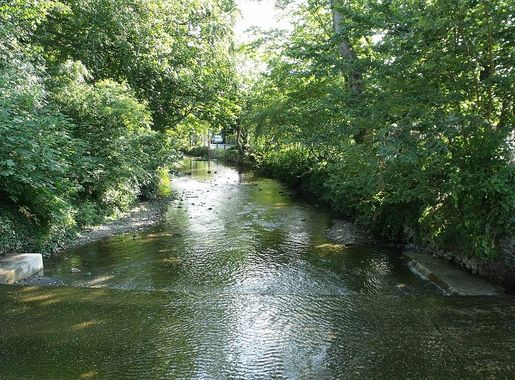
Nestled in the heart of the Isle of Man, Ballasalla is a charming village that offers a serene escape from the hustle and bustle of city life. Known for its picturesque landscapes and rich history, Ballasalla is a perfect destination for those seeking tranquility and a touch of culture. One of the main attractions in Ballasalla is Rushen Abbey, a historic site dating back to the 12th century. The Abbey provides a fascinating glimpse into the island's monastic past and is surrounded by beautiful gardens ideal for a leisurely stroll. The nearby Silverdale Glen is another must-visit, offering a scenic park with a boating lake, play area, and winding paths through lush greenery. Ballasalla also serves as a gateway to the rest of the Isle of Man, with excellent transport links to other key destinations. The village's proximity to Ronaldsway Airport makes it an accessible spot for international travelers. Whether you're exploring the local heritage or simply enjoying the peaceful countryside, Ballasalla is sure to leave a lasting impression.
Explore More of Isle of Man

Looking beyond Ballasalla? Discover Isle of Man for broader travel guides, local hot-spots, and regional highlights.
Explore Isle of Man