

Free Herzliya Travel Guide & Mobile App
Plan your Herzliya trip with Evendo. Get free guides to top attractions, restaurants, hotels, and bars. Web access or download the mobile app.


Herzliya, Israel combines Mediterranean beaches, Apollonia’s ancient ruins, marina life, contemporary culture and easy access to Tel Aviv for coastal sightseeing.
A Coastal City with Two Distinct Faces
Herzliya stretches along Israel’s central Mediterranean coast, north of Tel Aviv, combining sandy beaches and a modern marina with an inland city of neighbourhood streets, parks, galleries and everyday Israeli life. The seafront is the city’s most recognisable setting: surfers and swimmers gather along its beaches, while Herzliya Marina adds promenades, restaurants and views across the water. Inland, commercial streets and residential districts give the city a more local rhythm, with cafés, shopping centres and cultural institutions serving residents as well as visitors.Read more about Herzliya
History Beside the Sea
Culture, Beaches and Contemporary Life
When is the best time to visit Herzliya?
Best: April–May, November · 23–27°C| Month | High (°C) | Rainfall (mm) |
|---|---|---|
| January | 16 | 110 |
| February | 17 | 90 |
| March | 19 | 80 |
| April (best) | 23 | 40 |
| May (best) | 27 | 20 |
| June | 31 | 0 |
| July | 32 | 0 |
| August | 33 | 0 |
| September | 32 | 0 |
| October | 29 | 20 |
| November (best) | 25 | 50 |
| December | 20 | 90 |
Getting to and around Herzliya
How to get there
Transportation
Best attractions in Herzliya
Herzliya’s principal attractions combine coastline, archaeology and contemporary culture. The city’s beaches provide space for swimming, walking and seasonal watersports, while Herzliya Marina brings together a waterfront promenade, boats, restaurants and open views across the Mediterranean. North of the central beach area, Apollonia National Park is the most distinctive historical attraction: paths cross the remains of an ancient coastal settlement and Crusader fortress, with the ruins set above the sea. The Herzliya Museum of Contemporary Art presents changing exhibitions in a modern cultural setting and offers a counterpoint to the city’s older archaeological heritage. Inland, parks, cafés and shopping centres reveal the everyday side of the municipality rather than a purely resort atmosphere. The city is also close enough to Tel Aviv for visitors to combine Herzliya’s beaches and archaeological sites with the larger city’s museums, markets and performing arts.
-
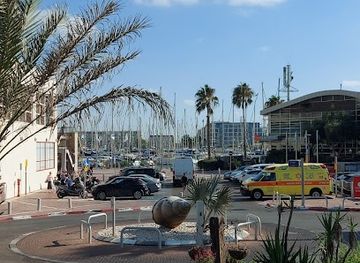
Marina
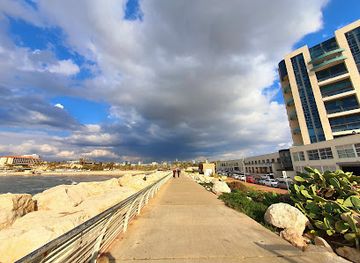
Marina Herzliya
Experience the vibrant atmosphere and stunning views of Marina Herzliya, a must-visit waterfront destination in Israel, perfect for relaxation and adventure.
14 min drive · 4.6 km from city centre
-
Tourist attraction
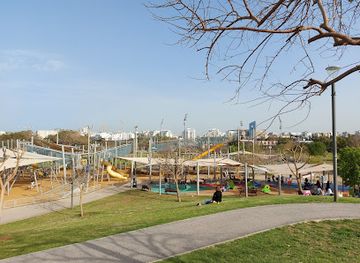
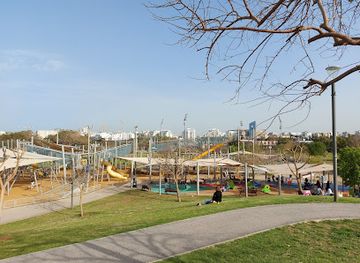
Herzliya Park
Discover Herzliya Park, a beautiful urban oasis offering lush landscapes, family-friendly activities, and stunning views of the Mediterranean coastline.
7 min drive · 2.2 km from city centre
-
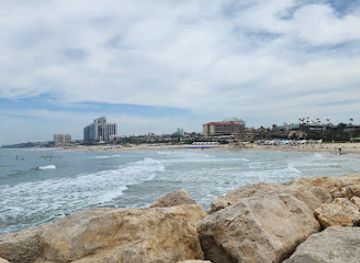
National park
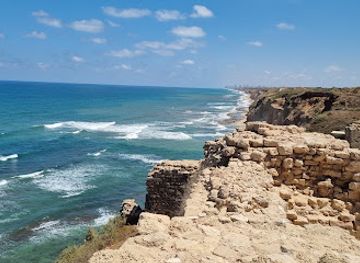
Apollonia National Park
Explore Apollonia National Park: A stunning blend of history and nature along the Mediterranean coast, ideal for hiking and sightseeing in Herzliya.
15 min drive · 4.9 km from city centre
-
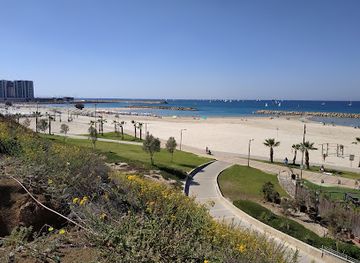
Beach
Acadia Beach
Experience the relaxation and vibrant atmosphere of Acadia Beach, a picturesque coastal paradise in Israel, perfect for sun seekers and adventure lovers.
13 min drive · 4.4 km from city centre

Best landmarks in Herzliya
Herzliya’s most significant landmarks reveal both its ancient coastal importance and its modern civic identity. The ruins at Apollonia National Park, including the remains of the Crusader fortress, occupy a sandstone ridge above the Mediterranean and form the city’s strongest archaeological symbol. Herzliya Marina is a contemporary landmark of a different kind, marking the transformation of the shoreline into a centre for leisure, boating and waterfront development. The Herzliya Museum of Contemporary Art represents the municipality’s investment in modern cultural life, while the city’s early agricultural history survives more through its urban pattern and local heritage than through a single monumental structure. Herzliya Pituah’s villas, institutional buildings and coastal avenues provide a visual expression of the city’s later development. Together these places connect the ancient settlement of Arsuf, the twentieth-century agricultural colony and the present-day metropolitan coast.
-
Marina
Marina Herzliya
Discover the vibrant Marina Herzliya, where stunning views, exquisite dining, and exciting water activities await in the heart of Israel's coastline.
14 min drive · 4.6 km from city centre
-
Park
Herzliya Park
Explore the beauty and tranquility of Herzliya Park, a stunning urban oasis by the Mediterranean perfect for relaxation, recreation, and scenic views.
7 min drive · 2.2 km from city centre
-
National park
Apollonia National Park
Explore the rich history and breathtaking coastal landscapes of Apollonia National Park, a perfect blend of nature and ancient ruins in Herzliya, Israel.
15 min drive · 4.9 km from city centre
-
Shopping mall
Arena
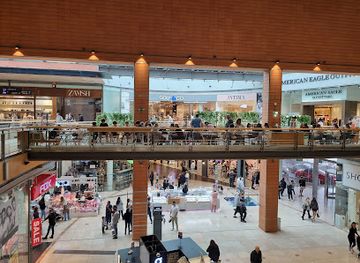
Experience the best of shopping, dining, and entertainment at Arena Mall in Herzliya, a vibrant destination for every traveler.
13 min drive · 4.5 km from city centre
Explore Herzliya on the map
Plan your Herzliya trip on one map. See where the top attractions, landmarks, restaurants, bars and hotels are, find what's near where you're staying, and book hotels and experiences in a few clicks.
Neighbourhoods in Herzliya
-

-


Swipe for more neighbourhoods
Best hotels in Herzliya
Best restaurants in Herzliya
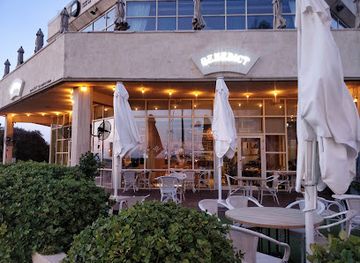
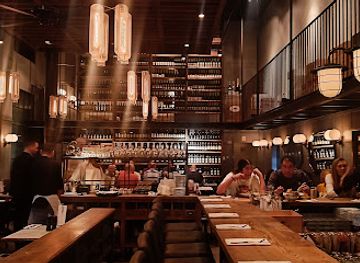
Herzliya’s dining scene reflects its Mediterranean setting and its proximity to Tel Aviv, with seafood, grilled meats, salads, hummus, tahini, fresh vegetables and Levantine flavours appearing alongside international cooking. The marina and Herzliya Pituah are the principal areas for restaurants and cafés, offering settings that range from casual daytime meals to more polished evening dining. Local bakeries and coffee shops suit breakfast and light meals, while contemporary Israeli kitchens draw on seasonal produce and the country’s mixed culinary heritage. Visitors will find familiar street-food traditions such as falafel and shawarma alongside restaurants serving fish, modern Mediterranean dishes and cuisines brought by Israel’s diverse communities. Menus and opening patterns can change around Shabbat and Jewish holidays, so checking individual arrangements is wise. The city’s food culture is strongest when experienced as a mixture of seaside leisure, informal cafés and neighbourhood dining rather than as a single traditional cuisine.
-
Restaurant
Sebastian
Discover the culinary excellence of Sebastian in Herzliya - where exquisite flavors meet elegant dining.
10 min drive · 3.2 km from city centre
-
Greek
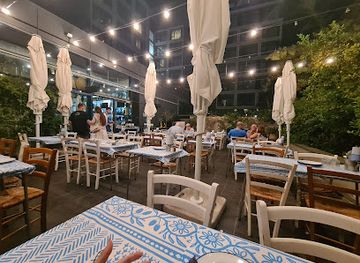
גרקו בוזוקיה | הרצליה
Experience authentic Greek cuisine at Greco Buzuki in Herzliya - a vibrant restaurant offering delicious Mediterranean flavors and stunning views.
10 min drive · 3.4 km from city centre
-
Restaurant
Benedict
Experience the best breakfast and brunch at Benedict in Herzliya – where culinary delights await every visitor.
13 min drive · 4.2 km from city centre
-
Restaurant
MeatBar
Experience an unforgettable culinary journey at MeatBar in Herzliya—where premium cuts meet exceptional service.
11 min drive · 3.6 km from city centre

Best bars in Herzliya
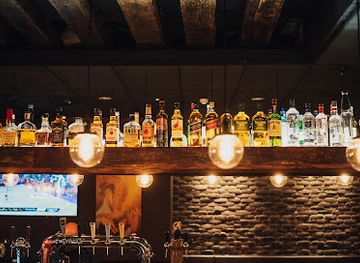
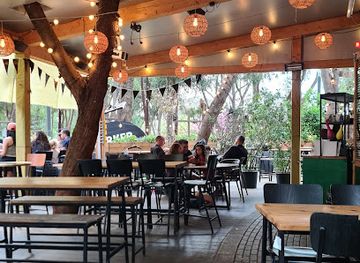
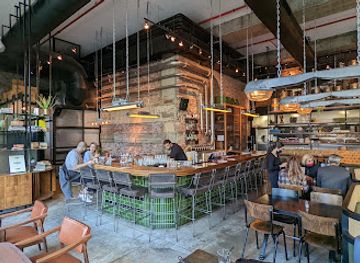
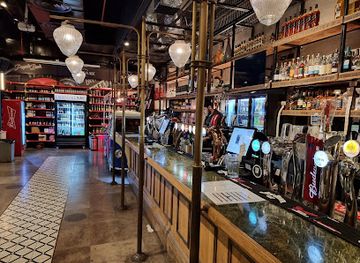
Herzliya’s evening scene is concentrated around the marina, the coastal districts and selected restaurant streets rather than forming a dense nightclub quarter. Marina venues provide places for drinks, music and late meals with a waterfront setting, while Herzliya Pituah has a more polished mix of bars and restaurants. The atmosphere is generally social and contemporary, with evenings often beginning over food before moving to cocktails or live entertainment. Some venues cater to students and younger residents connected with Reichman University, while others are oriented towards business travellers and local professionals. The city is quieter than central Tel Aviv, but Tel Aviv’s larger club, concert and theatre scene is easily reached for visitors seeking a later night. Friday evenings and weekends can have a particularly social character, although opening patterns and entertainment programmes vary by venue and season.
-
Bar
Inga Bar
Experience the vibrant nightlife at Inga Bar in Herzliya, offering exquisite cocktails, live music, and a lively atmosphere for an unforgettable evening.
10 min drive · 3.3 km from city centre
-
Gastropub
Parker
Experience the vibrant flavors of Herzliya at Parker, a gastropub offering an eclectic menu and lively atmosphere for food enthusiasts.
6 min drive · 2.0 km from city centre
-
Bar
Jem's
Discover Jem's in Herzliya for a unique blend of craft beers and delicious cuisine, perfect for an unforgettable dining experience.
10 min drive · 3.2 km from city centre
-
Bar
Lager & Ale
Experience the vibrant atmosphere of Lager & Ale, where beer lovers unite over a diverse selection of brews and mouthwatering fast food in Herzliya.
14 min drive · 4.6 km from city centre
Best nightclubs in Herzliya
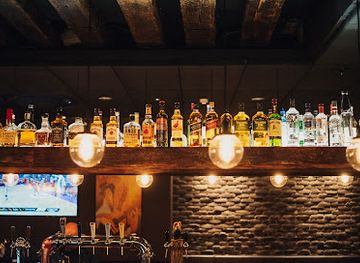
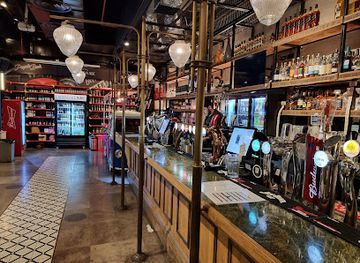
Herzliya’s evening scene is concentrated around the marina, the coastal districts and selected restaurant streets rather than forming a dense nightclub quarter. Marina venues provide places for drinks, music and late meals with a waterfront setting, while Herzliya Pituah has a more polished mix of bars and restaurants. The atmosphere is generally social and contemporary, with evenings often beginning over food before moving to cocktails or live entertainment. Some venues cater to students and younger residents connected with Reichman University, while others are oriented towards business travellers and local professionals. The city is quieter than central Tel Aviv, but Tel Aviv’s larger club, concert and theatre scene is easily reached for visitors seeking a later night. Friday evenings and weekends can have a particularly social character, although opening patterns and entertainment programmes vary by venue and season.
-
Bar
Inga Bar
Experience the vibrant nightlife at Inga Bar in Herzliya, where delicious cocktails meet an electrifying atmosphere.
10 min drive · 3.3 km from city centre
-
Bar
Lager & Ale
Discover the best craft beers and delicious fast food at Lager & Ale, Herzliya's favorite bar for a vibrant night out.
14 min drive · 4.6 km from city centre
-
Bar
ים בר הרצליה
Experience the perfect blend of coastal beauty and vibrant nightlife at Yambár Herzliya, where every sunset is a celebration.
13 min drive · 4.3 km from city centre
-
Bar
D Bar
Experience the vibrant nightlife of Herzliya at D Bar, where lively music, delicious cocktails, and unforgettable memories await.
10 min drive · 3.3 km from city centre


Best shops in Herzliya
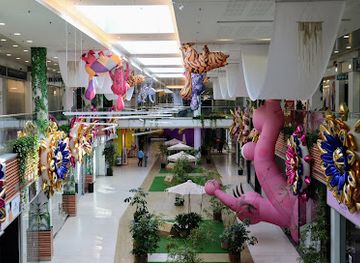
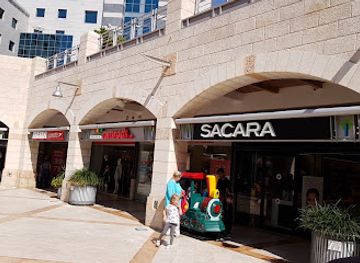
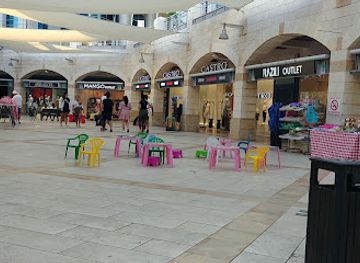
Shopping in Herzliya ranges from everyday Israeli retail to large modern centres and specialist businesses near the coast. The Seven Stars Mall and Shivat HaKochavim Mall provide fashion, food, services and familiar international and Israeli brands, while the Arena Mall by the marina adds a leisure-oriented shopping setting close to the waterfront. Sokolov Street and other inland commercial areas are more useful for local cafés, practical purchases and neighbourhood life than for landmark sightseeing. Visitors looking for gifts can browse Israeli food products, cosmetics, Judaica, design objects and crafts, although the most distinctive choice varies between individual shops rather than belonging to one traditional Herzliya craft. The city does not centre on a large historic bazaar, so market-style shopping is better sought at scheduled local events or in nearby Tel Aviv. Mall and shop hours may differ on Friday evening, Saturday and Jewish holidays.
-
Shopping mall
Seven Stars Mall
Experience the best of shopping and dining at Seven Stars Mall in Herzliya, a vibrant destination for tourists and locals alike.
6 min drive · 2.0 km from city centre
-
Shopping mall
Arena
Discover the ultimate shopping experience at Arena in Herzliya, where fashion meets flavor and entertainment awaits every visitor.
13 min drive · 4.5 km from city centre
-
Shopping mall
Azrieli Mall Herzelia
Explore Azrieli Mall Herzliya, the ultimate shopping destination offering a variety of brands, delightful dining options, and year-round entertainment.
10 min drive · 3.2 km from city centre
-
Outlet mall
Azrieli outlet mall Herzelia
Explore the Azrieli Outlet Mall in Herzliya for unbeatable shopping deals, diverse dining options, and a fun-filled family atmosphere.
10 min drive · 3.2 km from city centre
Get your free copy of our complete guide to Herzliya, delivered straight to you.
Everything on this page, from attractions and restaurants to essentials and local phrases, in one PDF you can read offline, print or share.
Already have an account? Sign in
Your Herzliya guide is ready.
We'll send it to · Not you? Sign out

Getting your guide ready…
We are putting together a fresh copy of the Herzliya guide. This can take up to a minute.
This can take a few moments. If your browser asks, choose Allow so the download can start. You'll find the guide in your Downloads folder.
Nothing happened? Download it again
Sorry, the guide is taking longer than usual. Please try again in a minute, or get it by email instead.
Herzliya essentials
Currency and Payment
Safety
Emergency Situations
Do's and Don'ts
Local Tips
From Eve
Local phrases worth knowing
You don't need to get them perfect. A few words go a long way, and locals appreciate the effort.
Basics
| English | Local | Say it |
|---|---|---|
| Hello | שָׁלוֹם | [shalom] |
| Goodbye | להתראות | [lehitraot] |
| Yes | כֵּן | [ken] |
| No | לֹא | [lo] |
| Please/You're welcome | בבקשה | [bevakasha] |
| Thank you | תודה | [toda] |
| Excuse me/Sorry | סליחה | [slicha] |
| How are you? | איך אתה? | [ech ata] |
| Fine. And you? | טוב. ואיתך? | [tov. veitcha] |
| Do you speak English? | אתה מדבר אנגלית? | [ata medaber anglit] |
| I don't understand | אני לא מבין | [ani lo mevin] |
Eating & Drinking
| English | Local | Say it |
|---|---|---|
| I'd like to see the menu, please | אני רוצה לראות את התפריט, בבקשה | [ani rotze lir'ot et hata'arich, bevakasha] |
| I don't eat meat | אני לא אוכל בשר | [ani lo ochel basar] |
| Cheers! | לחיים! | [lechayim] |
| I would like to pay, please | אני רוצה לשלם, בבקשה | [ani rotze lishlem, bevakasha] |
Emergencies
| English | Local | Say it |
|---|---|---|
| Help! | עזרה! | [ezra!] |
| Go away! | לך לעבור! | [lech leavor!] |
| Call the Police! | קרא למשטרה! | [kra limishtara!] |
| Call a doctor! | קרא לרופא! | [kra larofe!] |
| I'm lost | אני אבוד | [ani avud] |
| I'm ill | אני חולה | [ani holeh] |
Shopping
| English | Local | Say it |
|---|---|---|
| I'd like to buy... | אני רוצה לקנות... | [ani rotze liknot...] |
| I'm just looking | אני רק רואה | [ani rak roeh] |
| How much is it? | כמה זה עולה? | [kama ze ole?] |
| That's too expensive | זה יקר מדי | [ze yakar madi] |
| Can you lower the price? | אתה יכול להוריד את המחיר? | [ata yachol lehorid et hamechir?] |
Time & Numbers
| English | Local | Say it |
|---|---|---|
| What time is it? | מה השעה? | [ma hasha'a?] |
| It's one o'clock | השעה אחת | [hasha'a achat] |
| Half past (10) | חצי (עשר) | [chatzi (eser)] |
| Morning | בוקר | [boker] |
| Afternoon | צהריים | [tzohorayim] |
| Evening | ערב | [erev] |
| Yesterday | אתמול | [etmol] |
| Today | היום | [hayom] |
| Tomorrow | מחר | [machar] |
| 1 | אחד | [echad] |
| 2 | שניים | [shnayim] |
| 3 | שלשה | [shalosh] |
| 4 | ארבעה | [arba'a] |
| 5 | חמישה | [chamisha] |
| 6 | שישה | [shisha] |
| 7 | שבעה | [shiva] |
| 8 | שמונה | [shmoneh] |
| 9 | תשעה | [tisha] |
| 10 | עשרה | [eser] |
Transport & Directions
| English | Local | Say it |
|---|---|---|
| Where's a/the...? | איפה נמצא/ת ה... | [eifo nimtza/nimtza'a ha...] |
| What's the address? | מה הכתובת? | [ma hakatovet?] |
| Can you show me (on the map)? | אתה יכול להראות לי (על המפה)? | [ata yachol leha'arot li (al hamapa)?] |
| When's the next (bus)? | מתי האוטובוס הבא? | [matay ha'otobus haba?] |
| A ticket (to ....) | כרטיס (ל...) | [kartis (le...)] |
History of Herzliya
The Ancient Coast of Apollonia
The coast around modern Herzliya has a long history of settlement and maritime exchange. At Apollonia National Park, the ancient site of Arsuf preserves evidence of a settlement associated with the Phoenician world and later shaped by Hellenistic, Roman, Byzantine and Islamic periods. Its position on a sandstone ridge above the sea made it useful for trade and defence. The surviving remains, including fortification traces and the ruined medieval fortress, show how control of this shoreline changed over many centuries. Although the archaeological site does not represent the modern city’s foundation, it provides the deepest historical context for Herzliya’s coastal landscape.
A Medieval Fortress on the Shore
During the medieval period, Arsuf became an important fortified settlement on the central coast. It was captured by the forces of the Kingdom of Jerusalem in the twelfth century and later developed as a Crusader stronghold. The fortress was associated with the coastal power struggles that followed the Crusader conquests, before the site was taken by the Mamluks in the thirteenth century. The settlement subsequently declined, leaving a striking archaeological landscape of walls, foundations and views across the Mediterranean. The remains at Apollonia help explain why the coastal ridge was strategically valuable long before Herzliya became an urban centre.
The Founding of Herzliya
Modern Herzliya was founded in 1924 by Jewish immigrants and pioneers who established an agricultural settlement on the central coastal plain. It was named after Theodor Herzl, whose ideas had helped shape the Zionist movement. Early residents worked orchards and fields, and the settlement’s economy was connected to agriculture and the development of nearby communities. The first decades were marked by gradual growth rather than the dense urban form visible today. Agricultural traces remained important to Herzliya’s identity even as roads, housing and commercial activity expanded across the plain.
From Agricultural Colony to Municipality
Herzliya developed rapidly during the twentieth century as Israel’s population and economy grew. New neighbourhoods replaced or surrounded many agricultural areas, while improved roads and regional connections linked the settlement more closely with Tel Aviv and other coastal towns. Herzliya was declared a city in 1960, reflecting its transformation from a small agricultural colony into an expanding municipality. Residential districts, schools, public institutions and commercial centres reshaped the urban landscape, while the coast remained a defining geographical and recreational asset.
The Modern Coastal City
In the later twentieth century and early twenty-first century, Herzliya acquired several distinct urban identities. Herzliya Pituah became associated with high-value residential development, diplomatic residences and business activity, while the marina created a newer focus for boating, restaurants and leisure. Educational and cultural institutions, including Reichman University and the Herzliya Museum of Contemporary Art, contributed to the city’s contemporary profile. At the same time, archaeological conservation at Apollonia and the protection of beaches preserved links with earlier layers of the coast. Present-day Herzliya therefore reflects agricultural origins, ancient maritime history and modern metropolitan expansion.
Herzliya in Photos
Browse through our photo collection highlighting the charm and character of the destination.
Cities near Herzliya
The closest cities to Herzliya, if you have time for more than one stop.
-

-

-

-

-


Swipe for more cities

