

Free Modi'in Travel Guide & Mobile App
Plan your Modi'in trip with Evendo. Get free guides to top attractions, restaurants, hotels, and bars. Web access or download the mobile app.


Modi'in, Israel blends planned modern neighbourhoods, Maccabean heritage, green parks, archaeological sites and easy access between Jerusalem and Tel Aviv.
A Planned City in Central Israel
Modi'in lies in central Israel between Tel Aviv and Jerusalem, on a series of low hills overlooking the Ayalon Valley. Unlike many Israeli cities, it was largely planned and built from the 1990s onwards, giving its neighbourhoods broad avenues, apartment complexes, civic squares and an unusually generous network of parks. The city is officially known as Modi'in-Maccabim-Re'ut, reflecting its development alongside the earlier communities of Maccabim and Re'ut. Its position makes it both a residential centre and a convenient base for exploring central Israel.Read more about Modi'in
Maccabean Associations and Archaeological Traces
Parks, Community Life and the Hills
When is the best time to visit Modi'in?
Best: April, October–November · 26–31°C| Month | High (°C) | Rainfall (mm) |
|---|---|---|
| January | 17 | 90 |
| February | 19 | 80 |
| March | 23 | 70 |
| April (best) | 27 | 40 |
| May | 33 | 20 |
| June | 37 | 0 |
| July | 40 | 0 |
| August | 40 | 0 |
| September | 36 | 0 |
| October (best) | 31 | 20 |
| November (best) | 26 | 50 |
| December | 20 | 80 |
Getting to and around Modi'in
How to get there
Transportation
Best attractions in Modi'in
Modi'in's principal attractions reflect its modern urban design and the older landscape beneath it. Khirbet Umm el-Umdan is the city's most significant archaeological site, with the remains of a Second Temple-period Jewish village, including a synagogue, ritual baths and domestic buildings. Anabe Park provides a broad recreational setting around the Anabe Valley, with paths, lawns and open views across the hills, while the surrounding network of neighbourhood parks shows how greenery was integrated into the city's planning. The city's cultural and civic facilities offer a contemporary counterpoint to the ruins, and Azrieli Modi'in provides shops, cafés and everyday services in a central commercial setting. Visitors interested in local history can also observe the distinctive planned streets of Modi'in-Maccabim-Re'ut, where newer apartment districts stand alongside the lower-density communities of Maccabim and Reut. The appeal is less about a concentrated collection of monuments than about moving between archaeology, public spaces and the central Israeli landscape.
-
Tourist attraction
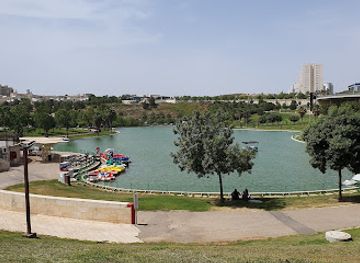
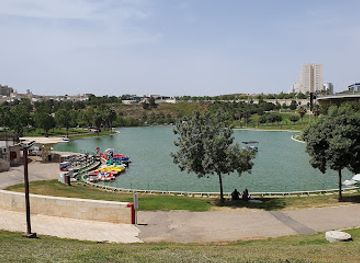
Anava Park
Experience the natural beauty and family-friendly fun of Anava Park in Modi'in-Maccabim-Re'ut, a perfect retreat for relaxation and recreation.
15 min walk · 1.2 km from city centre
-
Tourist attraction
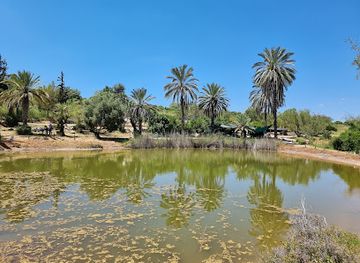
Neot Kedumim שמורת טבע נאות קדומים
Discover the beauty of biblical landscapes at Neot Kedumim, a serene nature preserve and hiking area in Israel, perfect for adventure and tranquility.
17 min drive · 5.5 km from city centre
-
Tourist attraction
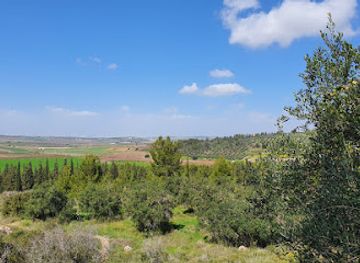
Ben Shemen Forest
Discover the breathtaking beauty of Ben Shemen Forest, a national treasure in Israel, perfect for outdoor adventures and family picnics.
21 min drive · 6.9 km from city centre
-
Tourist attraction
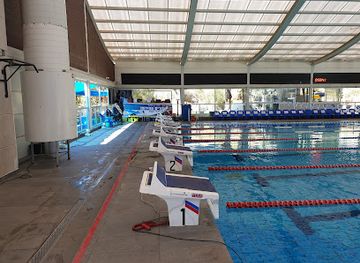
Park HaMayim - Reut
Discover Park HaMayim - Reut, a fun-filled water park offering year-round aquatic adventures for families and tourists in Modi'in-Maccabim-Re'ut.
7 min drive · 2.3 km from city centre
Best landmarks in Modi'in
Modi'in's most meaningful landmarks combine archaeological evidence with the symbols of a deliberately planned modern city. Khirbet Umm el-Umdan preserves a Second Temple-period synagogue, ritual baths and village buildings, making it an important physical record of Jewish life in the ancient central highlands. The city's name and civic symbolism refer to the Maccabees, although the precise location of ancient Modi'in and the Maccabean tombs remains unresolved. Anabe Park and its valley function as a contemporary landscape landmark, expressing the importance given to open space in the city's design. The railway stations, broad civic approaches and distinctive residential ensembles are also part of Modi'in's modern architectural identity, with public buildings and neighbourhoods laid out across the hills rather than around a conventional historic square. Nearby Maccabim and Reut add a different architectural layer through their earlier, lower-density settlement patterns.
-
Park
Anava Park
Discover the lush landscapes and vibrant recreational activities at Anava Park, a serene oasis in Modi'in-Maccabim-Re'ut, perfect for family fun and relaxation.
15 min walk · 1.2 km from city centre
-
Restaurant
Fedrik
Discover the vibrant flavors of Israeli cuisine at Fedrik, a culinary gem in Modi'in-Maccabim-Re'ut, offering an unforgettable dining experience.
13 min drive · 4.4 km from city centre
-
Nature preserve
Neot Kedumim שמורת טבע נאות קדומים
Explore Neot Kedumim - a captivating nature preserve in Israel showcasing biblical landscapes, diverse ecosystems, and engaging outdoor activities for all.
17 min drive · 5.5 km from city centre
-
Shopping mall
Modiin Center
Experience the energy of Modi'in Center, a shopping mall offering diverse retail, dining, and entertainment options in Modi'in-Maccabim-Re'ut.
11 min walk · 0.9 km from city centre


Explore Modi'in on the map
Plan your Modi'in trip on one map. See where the top attractions, landmarks, restaurants, bars and hotels are, find what's near where you're staying, and book hotels and experiences in a few clicks.
Best hotels in Modi'in
Best restaurants in Modi'in
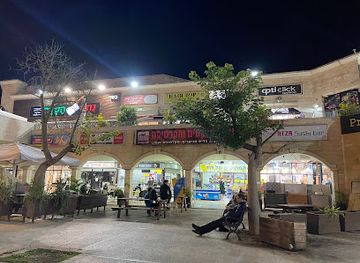
Modi'in's dining scene is concentrated around shopping centres, neighbourhood commercial strips and cafés serving the city's largely residential population. Menus commonly draw on Israeli staples such as salads, hummus, grilled meats, shakshuka and filled pastries, alongside Mediterranean, Middle Eastern and international dishes suited to a young suburban city. Cafés are important social spaces, particularly around commercial areas, while bakeries and casual restaurants provide practical options for families and commuters. The city's kosher food culture is visible in the number of establishments operating under kosher supervision, although standards and opening patterns vary between venues. Friday meals, takeaway counters and food brought home for Shabbat form part of ordinary local life, while the central malls provide the broadest concentration of dining choices. Modi'in is not primarily a destination for a historic culinary quarter; its food culture is contemporary, convenient and shaped by central Israel's diverse urban population.
-
Hamburger
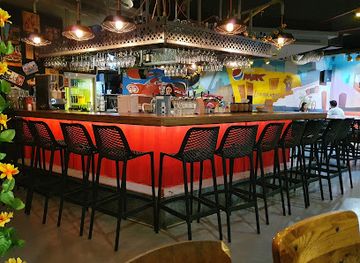
More-Than-Bar
Discover the ultimate dining experience at More-Than-Bar in Modi'in-Maccabim-Re'ut—where gourmet hamburgers meet vibrant nightlife.
12 min drive · 4.1 km from city centre
-
Restaurant
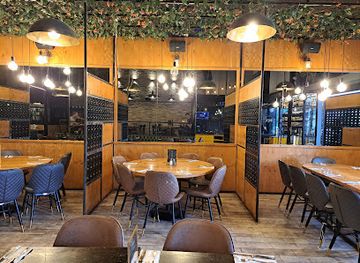
ROZA
Discover the vibrant flavors of ROZA in Modi'in—a culinary haven offering delicious dishes in a welcoming atmosphere.
14 min drive · 4.6 km from city centre
-
Restaurant
Fedrik
Discover the flavors of modern Israeli cuisine at Fedrik in Modi'in-Maccabim-Re'ut – where tradition meets innovation in every dish.
13 min drive · 4.4 km from city centre
-
Restaurant
Michali's
Discover Michali's: A delightful restaurant and pastry shop in Modi'in-Maccabim-Re'ut offering exquisite flavors and cozy ambiance.
15 min drive · 4.8 km from city centre
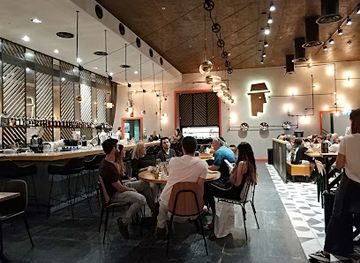
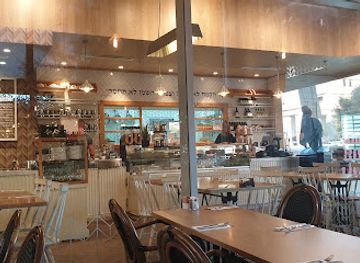
Best bars in Modi'in
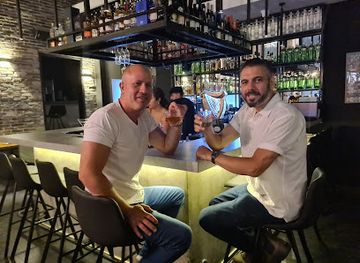
Modi'in has a relatively restrained evening scene rather than a club-centred nightlife district. Evening activity is focused on cafés, restaurants and small bars in shopping and neighbourhood centres, where residents meet for conversation, coffee, wine or a casual meal. Some venues host occasional live music, cultural programming or televised sporting events, but the scale is local and schedules can change. The city's parks and broad public spaces are used for relaxed evening walks, while municipal cultural facilities and performance programmes provide alternatives to drinking-based entertainment. Shabbat and Jewish holidays affect opening patterns, and many businesses close or alter their hours from Friday afternoon through Saturday evening. Visitors seeking a larger concentration of nightclubs, late bars or live-music venues generally travel to Tel Aviv or Jerusalem, rather than expecting Modi'in to function as a major nightlife destination.
-
Hamburger
More-Than-Bar
Discover More-Than-Bar, a vibrant culinary hotspot in Modi'in-Maccabim-Re'ut, offering gourmet hamburgers and a lively pub atmosphere for an unforgettable night out.
12 min drive · 4.1 km from city centre
-
Irish pub
O'Sullivan
Discover O'Sullivan - the premier Irish pub in Modi'in-Maccabim-Re'ut, blending authentic cuisine, live music, and a welcoming atmosphere.
14 min drive · 4.7 km from city centre
-
Bar
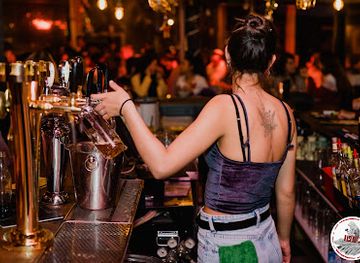
Jem's Beer Factory
Discover the vibrant world of craft beer at Jem's Beer Factory in Modi'in-Maccabim-Re'ut - a must-visit for every beer lover.
14 min drive · 4.7 km from city centre
-
Gastropub
שמבז | Shambaz
Discover Shambaz, a lively gastropub in Modi'in-Maccabim-Re'ut, serving mouthwatering dishes and a vibrant atmosphere perfect for every occasion.
9 min drive · 3.1 km from city centre
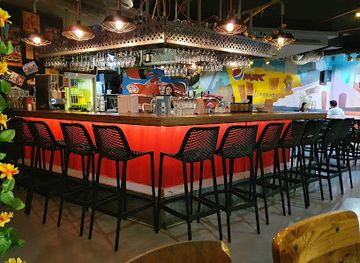


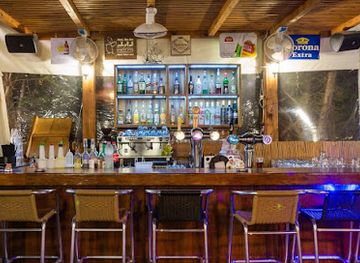
Best nightclubs in Modi'in
Modi'in has a relatively restrained evening scene rather than a club-centred nightlife district. Evening activity is focused on cafés, restaurants and small bars in shopping and neighbourhood centres, where residents meet for conversation, coffee, wine or a casual meal. Some venues host occasional live music, cultural programming or televised sporting events, but the scale is local and schedules can change. The city's parks and broad public spaces are used for relaxed evening walks, while municipal cultural facilities and performance programmes provide alternatives to drinking-based entertainment. Shabbat and Jewish holidays affect opening patterns, and many businesses close or alter their hours from Friday afternoon through Saturday evening. Visitors seeking a larger concentration of nightclubs, late bars or live-music venues generally travel to Tel Aviv or Jerusalem, rather than expecting Modi'in to function as a major nightlife destination.
-
Live music bar
מועדון הגריי GRAY מודיעין
Discover the pulsating nightlife at Gray Club, Modi'in's top live music bar, where great food meets unforgettable performances.
7 min walk · 0.5 km from city centre
-
Bar
Geppetto Bar
Experience the vibrant nightlife of Modi'in at Geppetto Bar, a lively pub offering great drinks and entertainment for every taste.
12 min drive · 4.1 km from city centre
-
Bar
Menda bar
Discover the vibrant nightlife at Menda Bar in Modi'in, where great drinks and a lively atmosphere await you.
4 min walk · 0.3 km from city centre
-
Event venue
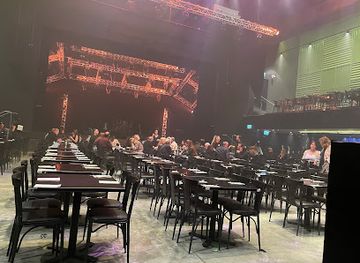
MoveIt Club
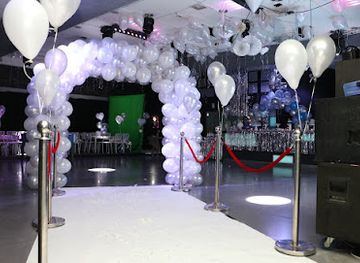
Discover the energetic nightlife and vibrant events at MoveIt Club, the ultimate entertainment venue in Modi'in-Maccabim-Re'ut.
13 min drive · 4.5 km from city centre
Best shops in Modi'in
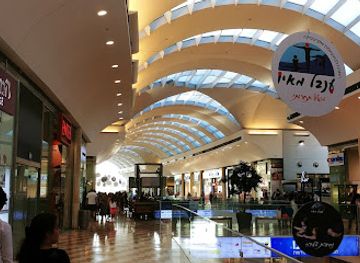
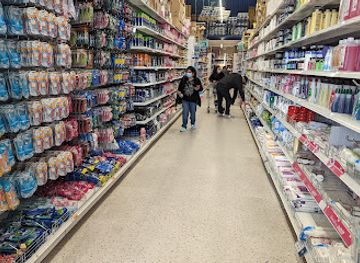
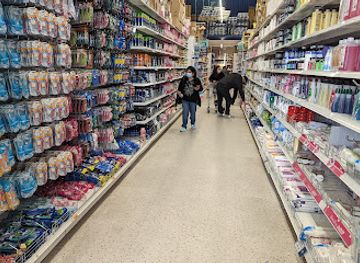
Shopping in Modi'in centres on modern commercial complexes rather than a historic bazaar. Azrieli Modi'in is the city's principal retail and leisure hub, with fashion, household goods, food outlets and everyday services, while smaller neighbourhood shopping areas serve local residents close to home. Supermarkets and specialist shops are useful for assembling picnics or practical supplies for walks around Anabe Park and the archaeological sites. Visitors looking for Israeli food products can find packaged olive oil, dates, halva, wine and other regional goods through supermarkets and specialist retailers, though Modi'in is not especially known for a single signature craft tradition. The city also has the practical retail character of a growing residential centre, with cafés and services integrated into commercial streets. For large markets, antiques and a broader craft selection, travellers usually need to visit other towns or cities in central Israel.
-
Shopping mall
Azrieli Shopping Mall - Modi'in
Experience the best of shopping, dining, and entertainment at Azrieli Shopping Mall in Modi'in, the heart of modern retail in Israel.
11 min walk · 0.9 km from city centre
-
Shopping mall
Ishpro Center Modi'in
Experience the ultimate shopping and entertainment destination at Ishpro Center Modi'in, where variety and vibrancy meet.
14 min drive · 4.7 km from city centre
-
Variety store
ליאור עדיקה
Explore Lior Adika, a unique variety and cosmetics store in Modi'in-Maccabim-Re'ut for unforgettable souvenirs and local finds.
14 min drive · 4.7 km from city centre
-
Shopping mall
Modiin Center
Discover Modiin Center, a bustling shopping haven featuring diverse stores, delightful dining, and exciting entertainment options for all visitors.
11 min walk · 0.9 km from city centre
Get your free copy of our complete guide to Modi'in, delivered straight to you.
Everything on this page, from attractions and restaurants to essentials and local phrases, in one PDF you can read offline, print or share.
Already have an account? Sign in
Your Modi'in guide is ready.
We'll send it to · Not you? Sign out

Getting your guide ready…
We are putting together a fresh copy of the Modi'in guide. This can take up to a minute.
This can take a few moments. If your browser asks, choose Allow so the download can start. You'll find the guide in your Downloads folder.
Nothing happened? Download it again
Sorry, the guide is taking longer than usual. Please try again in a minute, or get it by email instead.
Modi'in essentials
Currency and Payment
Safety
Emergency Situations
Do's and Don'ts
Local Tips
From Eve
Local phrases worth knowing
You don't need to get them perfect. A few words go a long way, and locals appreciate the effort.
Basics
| English | Local | Say it |
|---|---|---|
| Hello | שָׁלוֹם | [Shalom] |
| Goodbye | לְהִתְרָאוֹת | [Lehitra'ot] |
| Yes | כֵּן | [Ken] |
| No | לֹא | [Lo] |
| Please/You're welcome | בבקשה | [Bevakasha] |
| Thank you | תודה | [Toda] |
| Excuse me/Sorry | סְלִיחָה | [S'licha] |
| How are you? | אֵיך אַתָּה? | [Eich Atah?] |
| Fine. And you? | טוֹב. וְאַתָּה? | [Tov. Ve'ata?] |
| Do you speak English? | האם אתה מדבר אנגלית? | [Ha'Im Ata Medaber Anglit?] |
| I don't understand | אני לא מבין | [Ani Lo Mevin] |
Eating & Drinking
| English | Local | Say it |
|---|---|---|
| I'd like to see the menu, please | אני רוצה לראות את התפריט, בבקשה | [Ani Rotze La'rot Et Ha'tafrtit, Bevakasha] |
| I don't eat meat | אני לא אוכל בשר | [Ani Lo Ochel Basar] |
| Cheers! | לחיים! | [Lechayim!] |
| I would like to pay, please | אני רוצה לשלם, בבקשה | [Ani Rotze Leshalem, Bevakasha] |
Emergencies
| English | Local | Say it |
|---|---|---|
| Help! | עזור! | [Ezor!] |
| Go away! | לך לעבור! | [Lech La'avor!] |
| Call the Police! | קרא למשטרה! | [Kara La'mishtara!] |
| Call a doctor! | קרא לרופא! | [Kara La'rofe!] |
| I'm lost | אני אבוד | [Ani Avud] |
| I'm ill | אני חולה | [Ani Choleh] |
Shopping
| English | Local | Say it |
|---|---|---|
| I'd like to buy... | אני רוצה לקנות... | [Ani Rotze Liknot...] |
| I'm just looking | אני רק מסתכל | [Ani Rak Mestakel] |
| How much is it? | כמה זה עולה? | [Kama Ze Ole?] |
| That's too expensive | זה יקר מדי | [Ze Yikar M'odi] |
| Can you lower the price? | האם אתה יכול להוריד את המחיר? | [Ha'Im Ata Yachol Lehored Et Ha'mechir?] |
Time & Numbers
| English | Local | Say it |
|---|---|---|
| What time is it? | כמה השעה? | [Kama Ha'sha'a?] |
| It's one o'clock | השעה אחת | [Ha'sha'a Echat] |
| Half past (10) | חצי (עשר) | [Chatzi (Eser)] |
| Morning | בוקר | [Boker] |
| Afternoon | צהריים | [Tzohorayim] |
| Evening | ערב | [Erev] |
| Yesterday | אתמול | [Etmol] |
| Today | היום | [Ha'yom] |
| Tomorrow | מחר | [Machar] |
| 1 | אחת | [Echat] |
| 2 | שתיים | [Shtayim] |
| 3 | שלש | [Shalosh] |
| 4 | ארבע | [Arba] |
| 5 | חמש | [Chamesh] |
| 6 | שש | [Shesh] |
| 7 | שבע | [Sheva] |
| 8 | שמונה | [Shmoneh] |
| 9 | תשע | [Tisha] |
| 10 | עשר | [Eser] |
Transport & Directions
| English | Local | Say it |
|---|---|---|
| Where's a/the...? | איפה נמצא...? | [Eifo Nimtza...?] |
| What's the address? | מה הכתובת? | [Ma Ha'ktovet?] |
| Can you show me (on the map)? | האם אתה יכול להראות לי (על המפה)? | [Ha'Im Ata Yachol Leharaot Li (Al Ha'mapa)?] |
| When's the next (bus)? | מתי האוטובוס הבא? | [Matai Ha'otobus Ha'ba?] |
| A ticket (to ....) | כרטיס (ל....) | [Kartis (Le....)] |
History of Modi'in
The Maccabean Landscape
The name Modi'in is inseparable from the Maccabees, a Jewish priestly family associated with the revolt against the Seleucid king Antiochus IV Epiphanes in the second century BCE. According to the Books of the Maccabees, Mattathias began the uprising at Modi'in, after which his sons, including Judah Maccabee, led a successful campaign that restored Jewish control of Jerusalem and permitted the Temple's rededication. The ancient settlement's exact location has not been established with certainty, and proposed sites extend across the surrounding Shephelah and central hills. This uncertainty is an important part of the area's historical character: Modi'in's modern identity draws on a powerful ancient tradition while archaeological evidence continues to be interpreted cautiously.
A Second Temple Village
Excavations at Khirbet Umm el-Umdan, within modern Modi'in, uncovered a Jewish village dating mainly from the late Second Temple period. The remains include domestic buildings, an early synagogue, ritual baths and installations connected with everyday agricultural life. The site was destroyed during the Jewish revolt against Rome in the first century CE, a period of upheaval that transformed Jewish settlements throughout Judaea. Although Umm el-Umdan is sometimes discussed in relation to ancient Modi'in, the identification is not definitive. Its importance lies in the evidence it provides for village society, religious practice and architecture in the centuries surrounding the life of Jesus and the destruction of the Second Temple.
From Roman Judaea to Rural Villages
Following the Roman suppression of the Jewish revolts, the wider Modi'in region remained a landscape of agricultural settlements connected to the roads linking the coastal plain with Jerusalem. Roman and Byzantine communities farmed the hills and valleys, while later periods brought changing political authorities and patterns of rural habitation. Caves, terraces, cisterns and scattered ruins across the surroundings preserve traces of this long agricultural history, even where no large ancient urban centre survives. The region later formed part of the rural hinterland of Palestine under successive Islamic dynasties and, from the sixteenth century, the Ottoman Empire. Before modern construction, the hills were characterised by villages, fields and open Mediterranean terrain.
The Modern Maccabim and Reut Communities
The foundations of the modern city were laid in the late twentieth century with the establishment of Maccabim and Reut, communities created in the area west of Jerusalem. Their names deliberately evoked Jewish national and historical themes: Maccabim referred to the Maccabean tradition, while Reut means friendship or fellowship in Hebrew. These communities formed part of a broader pattern of new settlement and suburban development in central Israel. Their lower-density streets and detached homes differed in character from the larger planned city that followed, but they became an integral part of the municipality's later identity and landscape.
The Planned City Since the 1990s
Construction of Modi'in began in the 1990s as Israel sought to create a substantial new urban centre between Tel Aviv and Jerusalem. The master plan, associated with architect Moshe Safdie, organised neighbourhoods around civic facilities, commercial centres, green corridors and a network of roads designed for a growing population. The city developed rapidly through successive waves of residential construction, attracting families and new residents from across Israel. In 2003, Modi'in, Maccabim and Reut were brought together in the municipality now known as Modi'in-Maccabim-Re'ut. Its modern form therefore reflects deliberate planning rather than the gradual accretion of an ancient town.
A Growing Regional Centre
During the twenty-first century, Modi'in expanded its schools, cultural facilities, parks, commercial areas and transport connections. The railway strengthened the city's relationship with Tel Aviv, Ben Gurion Airport and Jerusalem, while new neighbourhoods extended across the surrounding ridges. The city has continued to balance residential growth with archaeological preservation, particularly where ancient remains lie beneath or beside new development. Today, Modi'in is recognised less for a traditional historic centre than for the way it combines contemporary Israeli urban planning with a landscape carrying layered military, religious and agricultural histories.
Modi'in in Photos
Browse through our photo collection highlighting the charm and character of the destination.
Cities near Modi'in
The closest cities to Modi'in, if you have time for more than one stop.
-

-

-

-

-


Swipe for more cities
Explore more

Explore more of Israel
Discover Israel, a country where ancient history and modern culture meet, offering a rich tapestry of religious significance, vibrant cities, and diverse landscapes.
Explore Israel