

Old Tel Aviv Port (Tel Aviv) Travel Guide - Free
Explore Old Tel Aviv Port in Tel Aviv with Evendo's free guide. Find the best shops, historic streets, restaurants, and gems on web or mobile.


Old Tel Aviv Port in Tel Aviv blends converted harbour sheds, sea views, restaurants, markets, cycling and sunset walks beside the Mediterranean.
Port Heritage and Coastal Setting
Old Tel Aviv Port, usually known locally as Namal Tel Aviv, occupies a broad stretch of the Mediterranean waterfront at the northern edge of central Tel Aviv. Its low-slung former warehouses, timber decking and expansive promenades preserve the outline of a working harbour, while restaurants, cafés, shops and public spaces have given the area a contemporary leisure role. The port sits beside the mouth of the Yarkon River and the open coastline, with the city extending southwards along the beach and the quieter Independence Garden nearby.Read more about Old Tel Aviv Port
From Cargo Sheds to Public Waterfront
Everyday Life beside the Mediterranean
Best attractions in Old Tel Aviv Port
The principal attraction is the waterfront itself: a long, open pedestrian deck where former port sheds meet the Mediterranean and the horizon remains visible between restaurants, shops and public seating. The Namal Market occupies part of the renewed harbour and offers food stalls and indoor browsing, while the surrounding hangars contain changing retail, dining and leisure uses rather than a single museum-style collection. A walk through the port reveals loading-era architecture, broad views towards the coastline and an active public realm of runners, families, cyclists and sunset watchers. Independence Garden, immediately south of the port, adds lawns and planted paths, while the northern edge leads towards the Yarkon River and its larger riverside landscapes. The nearby beaches provide a different perspective on the harbour, especially when viewed from the shoreline rather than the raised deck.
-
Tourist attraction
Tel Aviv Port
Experience the lively atmosphere of Tel Aviv Port, where history meets modern culture by the Mediterranean Sea.
1 min walk · 0.1 km from neighbourhood centre
-
Tourist attraction
Tel Aviv Port Market
Explore the Tel Aviv Port Market for a vibrant mix of local cuisine, artisanal products, and an unforgettable seaside atmosphere in the heart of Tel Aviv.
2 min walk · 0.1 km from neighbourhood centre
-
Tourist attraction
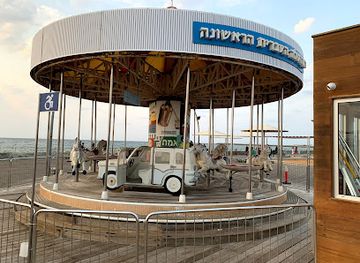
World's First Hebrew Carrousel
Discover the enchanting charm of the World's First Hebrew Carousel in Tel Aviv-Yafo, where tradition meets artistry for an unforgettable experience.
2 min walk · 0.1 km from neighbourhood centre
-
Tourist attraction
Tel Aviv Port Logo
Explore Tel Aviv Port - a vibrant blend of culture, cuisine, and stunning Mediterranean views that encapsulate the spirit of Israel's dynamic coastal city.
3 min walk · 0.2 km from neighbourhood centre



Best landmarks in Old Tel Aviv Port
Old Tel Aviv Port's defining landmarks are its surviving harbour structures and the relationship between them and the sea. The low-rise warehouses and former hangars preserve the scale of the 1930s port, even though their uses have shifted from cargo handling to dining, retail and leisure. The broad wooden and paved deck traces the working waterfront and is now the district's principal civic space, carrying the visual memory of loading areas and harbour movement. The port's northern setting also places it close to the mouth of the Yarkon River, while Independence Garden forms a green urban counterpoint immediately to the south. The Reading Power Station, a notable industrial landmark, lies across the Yarkon near the port rather than inside the harbour district itself; its presence helps explain the infrastructure-heavy character of Tel Aviv's northern waterfront.
-
Farmers' market
Tel Aviv Port Market
Experience the flavors and vibrant culture of Tel Aviv at the bustling Port Market, a must-visit for food lovers and cultural explorers.
2 min walk · 0.1 km from neighbourhood centre
-
Bay
Tel Aviv Port
Experience the vibrant atmosphere of Tel Aviv Port, where stunning views, delicious cuisine, and cultural events come together in a lively beachfront setting.
1 min walk · 0.1 km from neighbourhood centre
-
Tourist attraction
Tel Aviv Port Logo
Discover the cultural and culinary delights at Tel Aviv Port, a vibrant waterfront destination with stunning views and lively atmosphere.
3 min walk · 0.2 km from neighbourhood centre


Explore Old Tel Aviv Port on the map
A handpicked selection of must-see spots in Old Tel Aviv Port, mapped for you.
Best hotels in Old Tel Aviv Port
Best restaurants in Old Tel Aviv Port
Dining at Old Tel Aviv Port is concentrated in converted harbour buildings and along the waterfront, where cafés, restaurants, casual counters and dessert places take advantage of the sea-facing setting. The Namal Market adds an indoor food-oriented experience, with stalls and small-format eating that suit grazing rather than a single formal meal. The wider offer reflects Tel Aviv's broad culinary culture: Mediterranean cooking, seafood, salads, bakery items, contemporary Israeli dishes and international influences appear alongside coffee and evening drinks. The character is more leisure-oriented than residential, and prices, menus and individual tenants change over time, so the port is best understood as a cluster of dining choices rather than a fixed culinary institution. For a quieter meal, look beyond the busiest sea-facing seating and explore the side edges of the converted sheds, while recognising that weekend and evening demand can be considerable.
-
Restaurant
Café Nimrod
Discover Café Nimrod in Tel Aviv-Yafo: A cozy café offering delectable dishes and exquisite coffee amidst vibrant local culture.
1 min walk · 0.1 km from neighbourhood centre
-
Seafood
Benny the Fisherman - Tel Aviv Port
Discover fresh seafood delights at Benny the Fisherman in Tel Aviv Port – where Mediterranean flavors meet breathtaking views.
1 min walk · 0.1 km from neighbourhood centre
-
Restaurant
White Pergola
Experience the best of seafood and chophouse cuisine at White Pergola in Tel Aviv-Yafo - where every meal is a delightful journey.
2 min walk · 0.1 km from neighbourhood centre
-
Restaurant
Fantastic
Discover Fantastic in Tel Aviv: A unique restaurant offering exquisite cuisine and vibrant cocktails within the Port and Blue Hotel.
3 min walk · 0.2 km from neighbourhood centre



Best bars in Old Tel Aviv Port
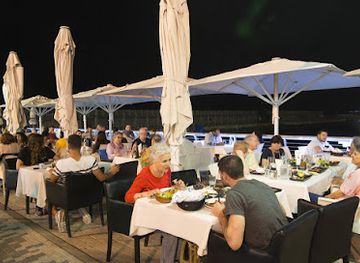
Evenings at Old Tel Aviv Port are centred on restaurants, wine bars, casual drinking venues and the social life of the waterfront rather than on a concentrated nightclub strip. The former hangars and sea-facing terraces remain active after sunset, with people meeting for drinks, food and a walk along the illuminated deck. Music and entertainment may form part of individual venues or temporary programming, but the port's nightlife is generally broad, commercial and open-air in character rather than strongly associated with one particular genre. The sea breeze and expansive public space make the area appealing for an unhurried evening, while the popularity of the promenade means that noise and crowd levels vary. Visitors seeking late-night club culture will find a wider choice elsewhere in Tel Aviv, whereas the port suits a combined meal, drink and coastal stroll.
-
Cocktail bar
Fantastic
Experience the essence of Tel Aviv nightlife at Fantastic, a premier cocktail bar within the luxurious Port and Blue Hotel, serving expertly crafted drinks.
3 min walk · 0.2 km from neighbourhood centre

Best nightclubs in Old Tel Aviv Port
Evenings at Old Tel Aviv Port are centred on restaurants, wine bars, casual drinking venues and the social life of the waterfront rather than on a concentrated nightclub strip. The former hangars and sea-facing terraces remain active after sunset, with people meeting for drinks, food and a walk along the illuminated deck. Music and entertainment may form part of individual venues or temporary programming, but the port's nightlife is generally broad, commercial and open-air in character rather than strongly associated with one particular genre. The sea breeze and expansive public space make the area appealing for an unhurried evening, while the popularity of the promenade means that noise and crowd levels vary. Visitors seeking late-night club culture will find a wider choice elsewhere in Tel Aviv, whereas the port suits a combined meal, drink and coastal stroll.
-
Night club
המסבאה
Dive into the heart of Tel Aviv's nightlife at המסבאה, where music, dance, and unforgettable memories collide.
2 min walk · 0.2 km from neighbourhood centre

Best shops in Old Tel Aviv Port
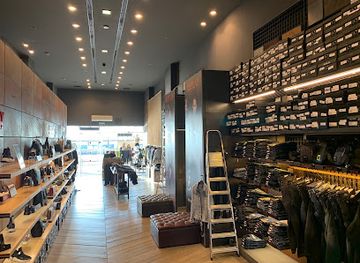
Shopping at Old Tel Aviv Port is closely tied to its converted harbour sheds and leisure setting rather than to a traditional high street. The Namal Market is the most recognisable retail and food destination, while the surrounding port buildings house changing selections of fashion, lifestyle goods, design-led merchandise and small independent businesses. The atmosphere is spacious and waterfront-oriented, with browsing often combined with a meal or walk instead of treated as a purely commercial outing. Visitors should expect a curated mix of contemporary retail and market-style food rather than the specialist fabric, electronics or produce shops found in older city neighbourhoods. Tenants and stock change, so the port's strongest constant is its setting: low industrial buildings, open decks and Mediterranean views create a different shopping environment from Tel Aviv's inland streets and shopping centres.
-
Tourist attraction
Tel Aviv Port
Discover the vibrant atmosphere of Tel Aviv Port, where Mediterranean charm meets culinary delights and cultural experiences.
1 min walk · 0.1 km from neighbourhood centre
-
Farmers' market
Tel Aviv Port Market
Explore Tel Aviv Port Market: A vibrant culinary hotspot with fresh produce, artisanal foods, and a rich cultural experience.
2 min walk · 0.1 km from neighbourhood centre
-
Swimwear store
SunWay
Explore SunWay in Tel Aviv for stylish swimwear, beach clothing, and hats, perfect for your Mediterranean adventure!
1 min walk · 0.1 km from neighbourhood centre
-
Clothing store
Replay
Explore the chic and trendy Replay clothing store in Tel Aviv, where style meets comfort in the heart of the city.
1 min walk · 0.1 km from neighbourhood centre


Old Tel Aviv Port essentials
Getting There
Getting Around
Safety
Emergency Situations
Do's and Don'ts
Local Tips

From Eve
Local phrases worth knowing
You don't need to get them perfect. A few words go a long way, and locals appreciate the effort.
Basics
| English | Local | Say it |
|---|---|---|
| Hello | שָׁלוֹם | [Shalom] |
| Goodbye | לְהֵיפָּגֵשׁ | [Lehitraot] |
| Yes | כֵּן | [Ken] |
| No | לֹא | [Lo] |
| Please/You're welcome | בבקשה | [Bevakasha] |
| Thank you | תודה | [Toda] |
| Excuse me/Sorry | סְלִיחָה | [Slicha] |
| How are you? | איך אתה? | [Eich Ata?] |
| Fine. And you? | טוב. ואתה? | [Tov. Ve'ata?] |
| Do you speak English? | האם אתה מדבר אנגלית? | [Ha'Im Ata Medaber Anglit?] |
| I don't understand | אני לא מבין | [Ani Lo Mevin] |
Eating & Drinking
| English | Local | Say it |
|---|---|---|
| I'd like to see the menu, please | אני רוצה לראות את התפריט, בבקשה | [Ani Rotze Lir'ot Et Ha'Ta'amit, Bevakasha] |
| I don't eat meat | אני לא אוכל בשר | [Ani Lo Ochel Basar] |
| Cheers! | לחיים! | [Lechayim!] |
| I would like to pay, please | אני רוצה לשלם, בבקשה | [Ani Rotze Leshalem, Bevakasha] |
Emergencies
| English | Local | Say it |
|---|---|---|
| Help! | עזרה! | [Ezra!] |
| Go away! | לך לעבור! | [Lech Le'avor!] |
| Call the Police! | קרא למשטרה! | [Kara Le'Mishtara!] |
| Call a doctor! | קרא לרופא! | [Kara Le'Rofe!] |
| I'm lost | אני אבוד | [Ani Avud] |
| I'm ill | אני חולה | [Ani Choleh] |
Shopping
| English | Local | Say it |
|---|---|---|
| I'd like to buy... | אני רוצה לקנות... | [Ani Rotze Liknot...] |
| I'm just looking | אני רק מסתכל | [Ani Rak Mistakel] |
| How much is it? | כמה זה עולה? | [Kama Ze Ole?] |
| That's too expensive | זה יקר מדי | [Ze Yakar M'od] |
| Can you lower the price? | אתה יכול להוריד את המחיר? | [Ata Yachol Lehored Et Ha'Machir?] |
Time & Numbers
| English | Local | Say it |
|---|---|---|
| What time is it? | מה השעה? | [Ma Ha'Sha'a?] |
| It's one o'clock | השעה היא אחת | [Ha'Sha'a Hi Echat] |
| Half past (10) | חצי (עשר) | [Chatzi (Esre)] |
| Morning | בוקר | [Boker] |
| Afternoon | צהריים | [Tzohorayim] |
| Evening | ערב | [Erev] |
| Yesterday | אתמול | [Etmol] |
| Today | היום | [Ha'Yom] |
| Tomorrow | מחר | [Mahar] |
| 1 | אחד | [Echad] |
| 2 | שניים | [Shnayim] |
| 3 | שלשה | [Shalosh] |
| 4 | ארבעה | [Arba'a] |
| 5 | חמישה | [Chamisha] |
| 6 | שישה | [Shisha] |
| 7 | שבעה | [Sheva'a] |
| 8 | שמונה | [Shmoneh] |
| 9 | תשעה | [Tish'a] |
| 10 | עשרה | [Esreh] |
Transport & Directions
| English | Local | Say it |
|---|---|---|
| Where's a/the...? | איפה נמצא/ת... | [Eifo Nimtza/Ta...] |
| What's the address? | מה הכתובת? | [Ma Ha'Ktovet?] |
| Can you show me (on the map)? | אתה יכול להראות לי (על המפה)? | [Ata Yachol Lehare'ot Li (Al Ha'Mapa)?] |
| When's the next (bus)? | מתי האוטובוס הבא? | [Matai Ha'Oto'bus Ha'Ba?] |
| A ticket (to ....) | כרטיס (ל...) | [Kartis (Le...)] |
History of Old Tel Aviv Port
A New Harbour for Tel Aviv
Old Tel Aviv Port opened in 1936, during the Arab Revolt and a period when Jewish shipping through Jaffa was disrupted by strikes and political tension. The new harbour was established on Tel Aviv's northern coast, where a shallow, exposed shoreline required ships to unload offshore and goods to be moved ashore by lighter boats. Its creation gave the growing Jewish city an independent maritime outlet and a visible symbol of economic and civic self-reliance. Warehouses, loading areas and service buildings formed a practical industrial landscape that was quite separate from the more formal streets of central Tel Aviv.
Commercial Port and Urban Expansion
For several decades the harbour handled imports, exports and general cargo, linking Tel Aviv's expanding economy with Mediterranean shipping. Its activity influenced the northern edge of the city, drawing workers, transport and storage functions to an area that had previously been largely coastal open land. The port was never a deep-water facility, however, and improvements to larger maritime infrastructure elsewhere gradually reduced its commercial importance. As Tel Aviv grew northwards, the harbour's industrial buildings became increasingly surrounded by residential, recreational and beach development.
Closure and Long Period of Dormancy
Commercial operations at Tel Aviv Port ended in 1965 after the opening of Ashdod Port, which could accommodate larger ships and handle modern cargo traffic more efficiently. The harbour then entered a long period of limited use, and its sheds and hard-surfaced spaces lost their original economic purpose. Although the waterfront remained part of the city's geography, it was not yet the leisure district familiar to contemporary visitors. This interval helped preserve much of the port's low-rise physical character while the surrounding coastline became increasingly important for recreation.
Regeneration as a Public Waterfront
From the late 1990s and especially in the 2000s, the port was progressively renewed as a pedestrian-oriented destination. Former industrial structures were adapted for food, retail, culture and entertainment, while the harbour deck and waterfront routes were improved for public use. The project connected the port more closely with Tel Aviv's beaches, cycling network and northern districts without erasing its warehouse identity. Today, Namal Tel Aviv illustrates the wider transformation of obsolete waterfront infrastructure into civic leisure space, while also reflecting the pressures that accompany popular redevelopment and commercialisation.
Old Tel Aviv Port in Photos
Browse through our photo collection highlighting the charm and character of the destination.
Neighbourhoods near Old Tel Aviv Port
The closest neighbourhoods to Old Tel Aviv Port, if you have time for more than one stop.
-

-

-

-

-


Swipe for more neighbourhoods
Explore more

Explore more of Tel Aviv
Tel Aviv combines Mediterranean beaches, Bauhaus architecture, Jaffa history, lively markets, contemporary art and an energetic culinary scene in Israel.
Explore Tel Aviv