Procida: Italy's Colorful Island Gem
Discover Procida: A vibrant Italian island with colorful charm, rich history, and stunning coastal beauty in the Bay of Naples.
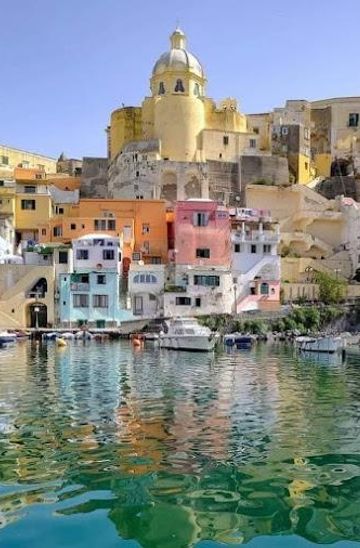
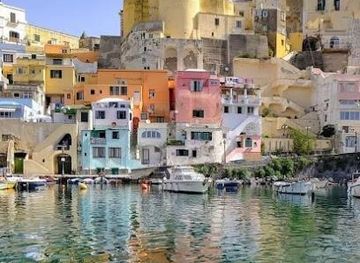
Procida, a captivating island in the Bay of Naples, offers a vibrant and authentic Italian experience. Known for its colorful houses, stunning beaches, and rich history, Procida was named Italy's Capital of Culture in 2022 and provides a unique blend of natural beauty and cultural heritage, making it a must-see destination.
A brief summary to Procida
- Procida, Metropolitan City of Naples, IT

Know before you go
Hi, I'm Eve. Here are a few practical things to know before exploring Procida.
- Explore Marina Corricella, Procida's oldest fishing village, for its colorful houses and waterfront restaurants.
- Visit Terra Murata for panoramic views and historical landmarks like Palazzo d'Avalos and the Abbey of San Michele Arcangelo.
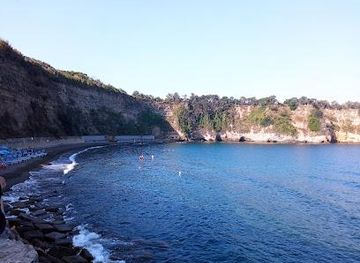
- Take a boat tour around the island to discover hidden coves and enjoy the stunning coastal scenery.
- Sample local cuisine, especially fresh seafood, at the island's restaurants.
- Consider visiting between May and September for the best weather.
Do you manage this location?
Take control to get all the benefits, like improved information, better appearance, and stronger visibility across AI-powered discovery. Learn more
Activate your presenceOther nearby places you may find interesting

Getting There
-
Ferry
The primary way to reach Procida is by ferry or hydrofoil from Naples or Pozzuoli. From Naples: Ferries depart from Molo Beverello and Calata Porta di Massa. SNAV and Caremar are the main ferry companies. Hydrofoils (fast ferries) take around 40 minutes, while regular ferries take about an hour. Ferry tickets from Naples to Procida range from €12 to €20. From Pozzuoli: Ferries also depart from Pozzuoli, a shorter trip (around 40 minutes). Caremar operates ferries on this route. Once in Procida (Marina Grande port): Local buses, taxis, and rental scooters are available to reach your final destination. Bus tickets cost €1.20 if purchased in advance or €1.40 on board. A taxi from the port to Terra Murata costs around €15.
-
Walking
Procida is a small island and is easily explored on foot. From the Marina Grande port, it's a 20-minute walk to Terra Murata, the highest point on the island. The walk to Marina Corricella involves taking a long staircase down from Terra Murata. Walking is a great way to experience the island's charm and discover hidden corners.
-
Public Transport
Local buses connect the main destinations on Procida. The bus terminal is near the church of Santa Maria della Pietà at the Marina Grande port. There are four bus routes that operate every 10-15 minutes. A bus ticket costs €1.20 if purchased in advance at bars, tobacco shops, or newsstands, or €1.40 if bought on board.
Discover more about Procida
Explore the best of what Procida has to offer













More about Campania
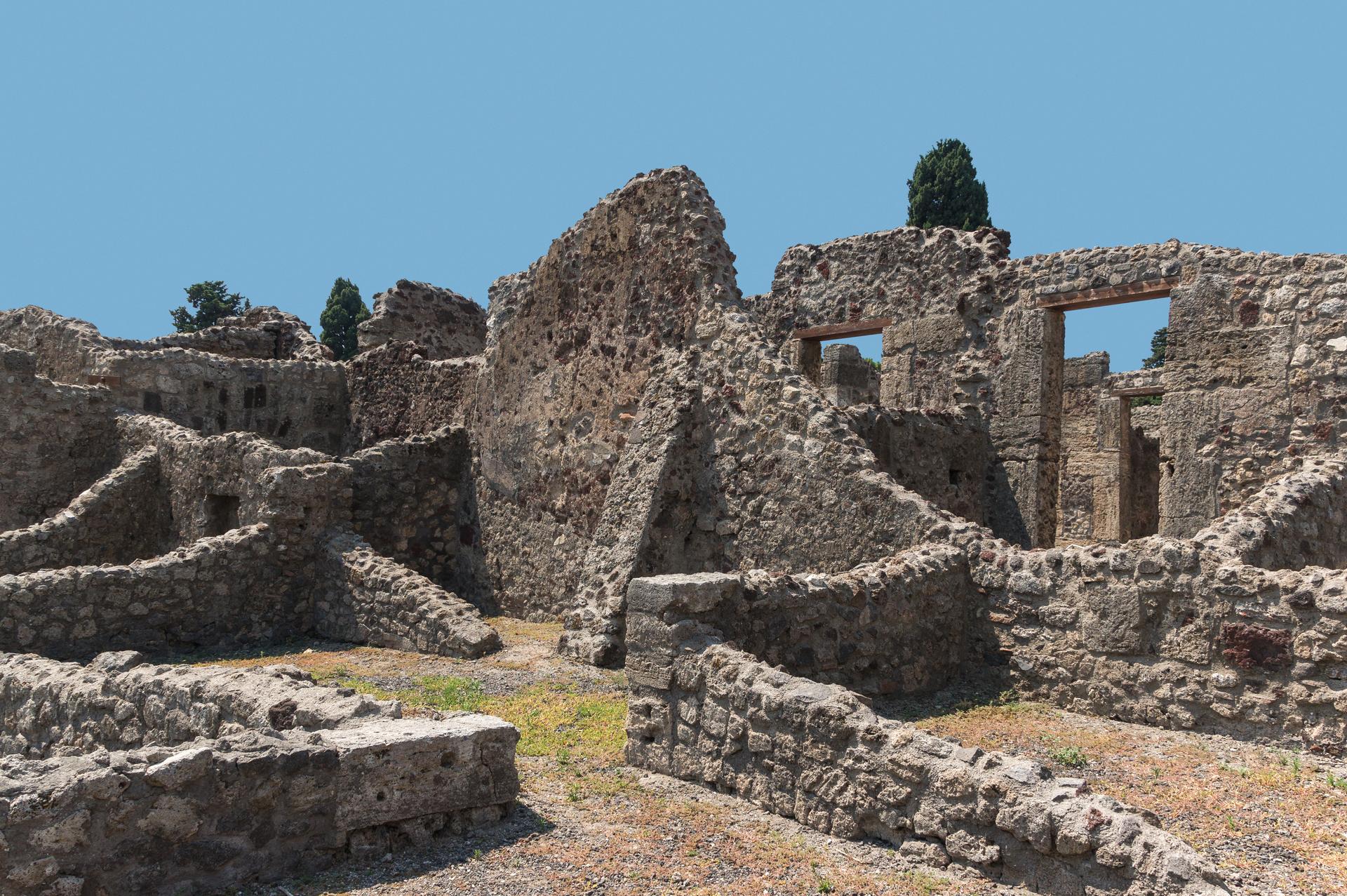
Discover the rich history, stunning landscapes, and vibrant culture of Campania, Italy's enchanting southern gem, from Naples to the Amalfi Coast and the island of Capri.
Tell me more about Campania