

Free Campania Travel Guide & Mobile App
Explore Campania with free travel guides. Discover regional history, expert tips, proposed trips, and audio guides on web or mobile app.


Discover the rich history, stunning landscapes, and vibrant culture of Campania, Italy's enchanting southern gem, from Naples to the Amalfi Coast and the island of Capri.
Read more about Campania
When is the best time to visit Campania?
Best: May–June, September · 24–29°C| Month | High (°C) | Rainfall (mm) |
|---|---|---|
| January | 13 | 90 |
| February | 14 | 80 |
| March | 17 | 80 |
| April | 20 | 70 |
| May (best) | 24 | 60 |
| June (best) | 29 | 50 |
| July | 33 | 40 |
| August | 33 | 50 |
| September (best) | 28 | 70 |
| October | 22 | 90 |
| November | 17 | 110 |
| December | 14 | 100 |
Getting to and around Campania
How to get there
Transportation
Top city travel guides in Campania
The cities of Campania, and the easiest places to base yourself.
-
 Herculaneum
Discover Herculaneum: A well-preserved Roman town frozen in time, offering an intimate and detailed look at ancient daily life, architecture, and culture.
Herculaneum
Discover Herculaneum: A well-preserved Roman town frozen in time, offering an intimate and detailed look at ancient daily life, architecture, and culture.
-
 Naples
Discover Naples, a city where history, culture, and culinary delights converge along the stunning Tyrrhenian coastline. Experience the true essence of Southern Italy.
Naples
Discover Naples, a city where history, culture, and culinary delights converge along the stunning Tyrrhenian coastline. Experience the true essence of Southern Italy.
-
 Pompeii
Discover Pompeii, the ancient city preserved by volcanic ash, where history and culture come alive amidst its remarkable ruins and breathtaking landscapes.
Pompeii
Discover Pompeii, the ancient city preserved by volcanic ash, where history and culture come alive amidst its remarkable ruins and breathtaking landscapes.
-
 Amalfi
Experience the charm and beauty of Amalfi, a stunning coastal town on Italy's Sorrentine Peninsula, known for its dramatic cliffs, historical landmarks, and vibrant local culture.
Amalfi
Experience the charm and beauty of Amalfi, a stunning coastal town on Italy's Sorrentine Peninsula, known for its dramatic cliffs, historical landmarks, and vibrant local culture.
-
 Sorrento
Discover Sorrento, the gateway to the Amalfi Coast, where stunning views, rich history, and vibrant culture await. Explore ancient ruins, savor local cuisine, and unwind in paradise.
Sorrento
Discover Sorrento, the gateway to the Amalfi Coast, where stunning views, rich history, and vibrant culture await. Explore ancient ruins, savor local cuisine, and unwind in paradise.
-
 Capri
Discover Capri, a stunning island in the Tyrrhenian Sea known for its natural beauty, luxurious amenities, and rich history. An unforgettable destination for relaxation and adventure.
Capri
Discover Capri, a stunning island in the Tyrrhenian Sea known for its natural beauty, luxurious amenities, and rich history. An unforgettable destination for relaxation and adventure.
Swipe for more cities
Destinations in Campania
Resorts, valleys and scenic spots worth a trip of their own.
-
 Amalfi Coast
Discover the breathtaking beauty of Italy's Amalfi Coast: a paradise of vibrant villages, azure waters, and culinary delights, perfect for relaxation and adventure.
Amalfi Coast
Discover the breathtaking beauty of Italy's Amalfi Coast: a paradise of vibrant villages, azure waters, and culinary delights, perfect for relaxation and adventure.
-
 Sorrento
Discover Sorrento, the enchanting seaside town on Italy's Amalfi Coast, offering breathtaking views, rich history, and delicious cuisine.
Sorrento
Discover Sorrento, the enchanting seaside town on Italy's Amalfi Coast, offering breathtaking views, rich history, and delicious cuisine.
-
 Puglia
Discover Puglia: Italy’s hidden gem with stunning coastlines, historic towns, and rich culinary traditions. Perfect for a serene and culturally immersive getaway.
Puglia
Discover Puglia: Italy’s hidden gem with stunning coastlines, historic towns, and rich culinary traditions. Perfect for a serene and culturally immersive getaway.
Swipe for more destinations
Best attractions in Campania
Campania, a sun-kissed region in southern Italy, offers an irresistible blend of natural beauty, historical treasures, and vibrant culture. Visitors can explore the ancient ruins of Pompeii and Herculaneum, where time seems to have stood still since the catastrophic eruption of Mount Vesuvius in 79 AD. The stunning Amalfi Coast, with its dramatic cliffs and picturesque towns like Positano and Ravello, promises breathtaking views and romantic getaways. Naples, the bustling heart of the region, invites you to dive into its rich history, savor authentic Neapolitan pizza, and admire masterpieces in the Naples National Archaeological Museum. The serene island of Capri, with its magical Blue Grotto and luxury boutiques, offers a taste of the high life, while the less touristy, yet equally charming, island of Ischia tempts with its thermal spas and lush gardens. Whether you are an adventurer, a history buff, or simply in search of la dolce vita, Campania's diverse attractions cater to every traveler's dream.
-
Scenic spot
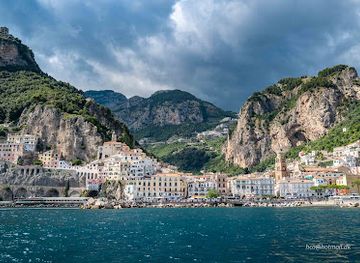
Amalfi Coast
Experience the breathtaking scenery, rich culture, and delicious cuisine of the Amalfi Coast, a must-visit destination in Italy.
-
Archaeological museum
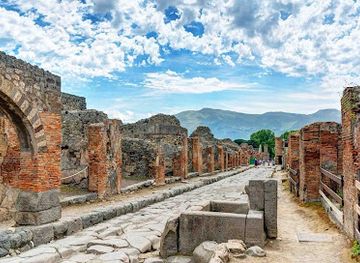
Archaeological Park of Pompeii
Explore the remarkably preserved ruins of Pompeii, a UNESCO World Heritage site frozen in time by Mount Vesuvius's eruption.
-
Museum
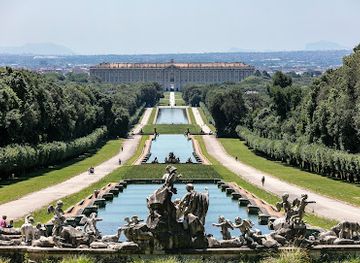
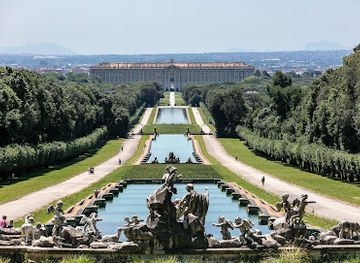
Royal Palace of Caserta
Explore the Royal Palace of Caserta, a stunning UNESCO World Heritage site known for its grandeur, beautiful gardens, and rich royal history.
-
Art museum
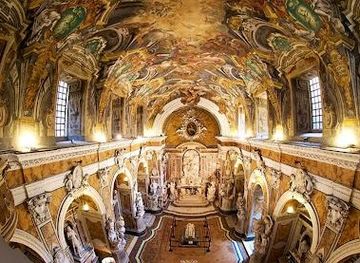
Sansevero Chapel Museum
Explore the rich history and stunning artistry of the Sansevero Chapel Museum in Naples, home to the iconic Veiled Christ and other Baroque masterpieces.

Best landmarks in Campania
Campania, a region steeped in history and natural beauty, offers visitors an unparalleled journey through time and culture. Begin your adventure in Naples, where the bustling streets are alive with the aroma of pizza and the echoes of ancient civilizations, and don't miss the stunning art and architecture of the Naples Cathedral. Venture to Pompeii and Herculaneum, the legendary cities frozen in time by the eruption of Mount Vesuvius, offering an extraordinary glimpse into Roman daily life. The Amalfi Coast, with its breathtaking cliffs and azure waters, promises picturesque towns like Positano and Ravello, where you can lose yourself in narrow alleys and panoramic views. Explore the grandeur of the Royal Palace of Caserta, often compared to Versailles, with its opulent interiors and expansive gardens. On the serene island of Capri, marvel at the Blue Grotto's ethereal light and take in the island's chic ambiance and natural wonders. Each landmark in Campania invites you to uncover layers of history, art, and nature, creating a rich tapestry of experiences that will leave you enchanted.
-
Scenic spot
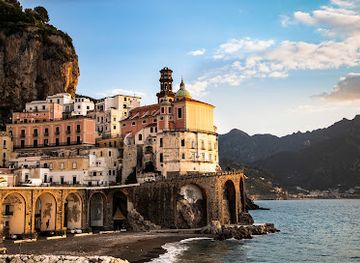
Amalfi Coast
Experience the stunning Amalfi Coast, a UNESCO World Heritage site with breathtaking views, charming villages, and rich Italian culture.
-
Archaeological museum
Archaeological Park of Pompeii
Discover the haunting beauty and rich history of the Archaeological Park of Pompeii, a UNESCO World Heritage Site that transports you to ancient Roman life.
-
Museum
Royal Palace of Caserta
Discover the Royal Palace of Caserta, a stunning Baroque masterpiece with opulent interiors and sprawling gardens, a must-visit for every traveler in Italy.
-
Shopping mall
Shopping Complex Campania
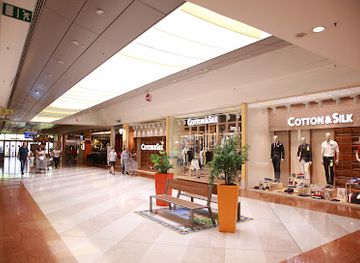
Discover Shopping Complex Campania in Marcianise, where shopping, dining, and entertainment come together for an unforgettable experience.

Explore Campania on the map
Plan your trip on one map. See where the top cities, national parks and sights are, and book hotels and experiences in a few clicks.
Best hotels in Campania
Best restaurants in Campania
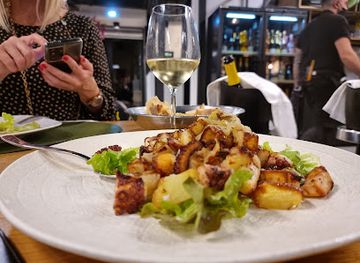
Campania's dining scene is a symphony of flavors that captures the essence of Italian cuisine, offering tourists an unparalleled gastronomic journey. Picture yourself indulging in authentic Neapolitan pizza, with its thin, crispy crust and fresh, locally sourced toppings, or savoring creamy buffalo mozzarella produced in the lush countryside. The coastal towns serve up the freshest seafood, from succulent grilled octopus to delicate spaghetti alle vongole, while the region's fertile lands provide rich tomatoes and aromatic herbs that elevate every dish. Don't miss the chance to sample traditional pastries like sfogliatella, a shell-shaped delight filled with sweet ricotta, or the iconic limoncello liqueur made from the fragrant lemons of the Amalfi Coast. Each meal in Campania is an invitation to experience the passion and tradition of its people, making every bite a memorable adventure.
-
Marina
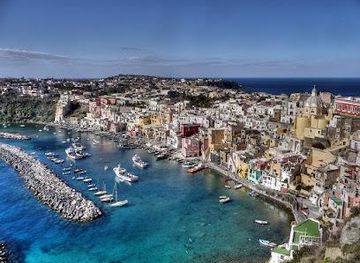
Marina di Corricella
Procida's colorful 17th-century fishing amphitheater: car-free lanes, vivid houses, cinema fame, and serene sea vibes for ultimate island romance.
-
Seafood
Cantina Antica
Discover Cantina Antica: A Seafood Haven Blending Authentic Italian and Neapolitan Flavors in Giugliano.
-
Italian
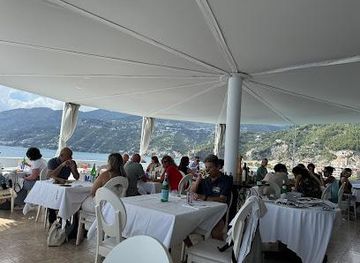
Ristorante Torre Normanna
Medieval tower restaurant on the Amalfi Coast serving refined Italian seafood cuisine with breathtaking sea views.
-
Restaurant
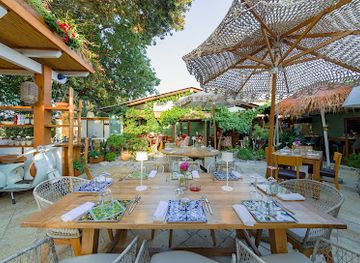
Abraxas Osteria
Experience authentic Italian flavors at Abraxas Osteria in Pozzuoli – where exquisite cuisine meets exceptional wines.
Best bars in Campania
The nightlife in Campania is a vibrant tapestry of experiences, seamlessly blending history, culture, and modernity. Begin your evening in Naples, where the bustling piazzas transform into lively hubs filled with music, laughter, and the tantalizing aroma of local cuisine. Head to the historic center to find hidden speakeasies and sophisticated wine bars offering a taste of the region's finest vintages. For a more dynamic scene, the coastal towns of Sorrento and Amalfi boast chic beach clubs and open-air discos, where you can dance the night away under the stars with the Mediterranean waves as your soundtrack. Meanwhile, the island of Capri offers exclusive nightclubs and elegant lounges frequented by the international jet set, providing a glamorous backdrop to your nighttime adventures. Each locale in Campania invites you to immerse yourself in its unique charm, ensuring unforgettable nights in this enchanting region.
-
Bar
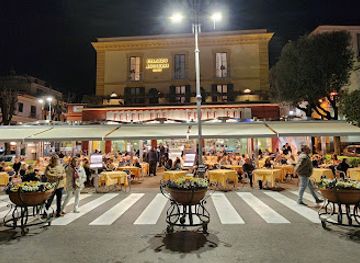
Fauno Bar
Experience the vibrant flavors and lively atmosphere of Sorrento at Fauno Bar, where Italian cuisine meets local charm.
-
Espresso bar
Roof Garden Lounge Bar
Discover the vibrant atmosphere of the Roof Garden Lounge Bar in Ercolano, where live music meets exquisite espresso and breathtaking views.
-
Bar
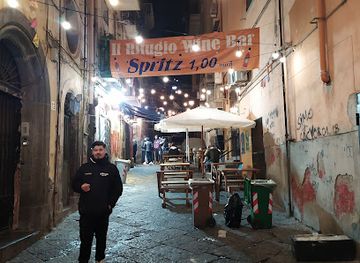
Cammarota Spritz
Experience the vibrant nightlife of Naples at Cammarota Spritz, where every sip of our signature cocktails tells the story of local culture and flavor.
-
Bar
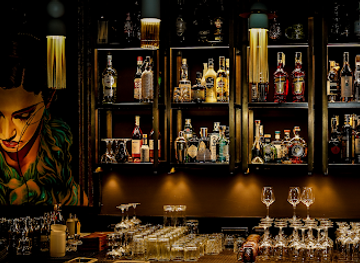
Shanti Art Musik Bar
Experience the vibrant fusion of art, music, and drinks at Shanti Art Musik Bar in Naples, where unforgettable nights await.

Best nightclubs in Campania
The nightlife in Campania is a vibrant tapestry of experiences, seamlessly blending history, culture, and modernity. Begin your evening in Naples, where the bustling piazzas transform into lively hubs filled with music, laughter, and the tantalizing aroma of local cuisine. Head to the historic center to find hidden speakeasies and sophisticated wine bars offering a taste of the region's finest vintages. For a more dynamic scene, the coastal towns of Sorrento and Amalfi boast chic beach clubs and open-air discos, where you can dance the night away under the stars with the Mediterranean waves as your soundtrack. Meanwhile, the island of Capri offers exclusive nightclubs and elegant lounges frequented by the international jet set, providing a glamorous backdrop to your nighttime adventures. Each locale in Campania invites you to immerse yourself in its unique charm, ensuring unforgettable nights in this enchanting region.
-
Bar
Bar del Sole
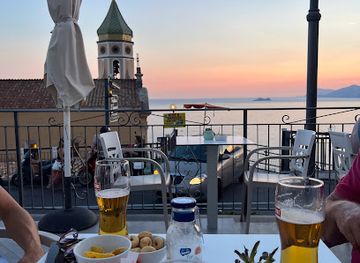
Experience the charm of Bar del Sole in Praiano, where delicious cocktails and stunning sea views create unforgettable memories.
-
Disco club
Music On the Rocks
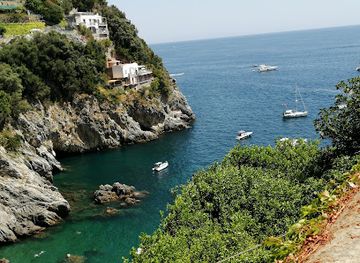
Experience the vibrant nightlife of Positano at Music On the Rocks, a stunning disco club with breathtaking views and an electric atmosphere.
-
Lido
Acquachiara Spiaggia
Experience the lively charm of Acquachiara Spiaggia on the Amalfi Coast, where relaxation meets vibrant nightlife in a stunning coastal setting.
-
Night club
Filou Club
Discover the electrifying nightlife of Sorrento at Filou Club, where live music and vibrant crowds create an unforgettable experience.


Best shops in Campania
Campania's shopping scene is a vibrant tapestry of traditional craftsmanship and contemporary flair, offering visitors an unparalleled blend of history and modernity. Wander through the bustling streets of Naples, where you'll find a treasure trove of artisanal boutiques selling everything from exquisite handmade leather goods and intricately designed ceramics to sumptuous local delicacies like limoncello and pastiera. In the charming coastal towns of the Amalfi Coast, boutique shops line the picturesque alleys, showcasing stunning hand-painted tiles, bespoke jewelry, and fashionable resort wear. For a taste of luxury, the upscale shopping district in Positano features high-end fashion brands and chic designer stores. Meanwhile, the historic markets of Salerno and Benevento beckon with their vibrant atmospheres, offering fresh produce, vintage finds, and unique souvenirs that capture the essence of Campania's rich cultural heritage.
-
Shopping mall
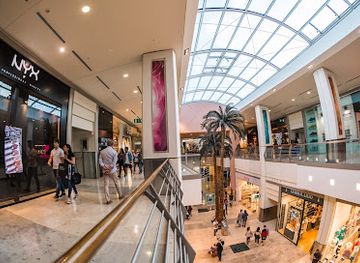
Shopping Complex Campania
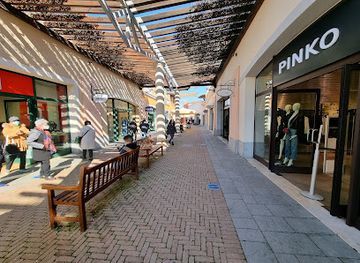
Explore Shopping Complex Campania - your ultimate shopping destination in Marcianise, featuring over 300 stores, dining options, and entertainment for all ages.
-
Outlet mall
Designer Outlet La Reggia
Explore Designer Outlet La Reggia for exclusive designer deals and a delightful shopping experience in the heart of Italy.
-
Shopping mall
Parco Commerciale Grande Sud
Discover a shopper's paradise at Parco Commerciale Grande Sud, where diverse retail and dining options meet vibrant entertainment in Giugliano in Campania.
-
Shopping mall
Centro Commerciale La Cartiera
Discover a vibrant shopping experience at Centro Commerciale La Cartiera, featuring diverse stores and delicious dining options in Pompei.

Get your free copy of our complete guide to Campania, delivered straight to you.
Everything on this page, from attractions and restaurants to essentials and local phrases, in one PDF you can read offline, print or share.
Already have an account? Sign in
Your Campania guide is ready.
We'll send it to · Not you? Sign out

Getting your guide ready…
We are putting together a fresh copy of the Campania guide. This can take up to a minute.
This can take a few moments. If your browser asks, choose Allow so the download can start. You'll find the guide in your Downloads folder.
Nothing happened? Download it again
Sorry, the guide is taking longer than usual. Please try again in a minute, or get it by email instead.
Campania essentials
Currency and Payment
Safety
Emergency Situations
Do's and Don'ts
Local Tips
From Eve
Local phrases worth knowing
You don't need to get them perfect. A few words go a long way, and locals appreciate the effort.
Basics
| English | Local | Say it |
|---|---|---|
| Hello | Ciao | [chow] |
| Goodbye | Addio | [ah-dee-oh] |
| Yes | Sì | [see] |
| No | No | [no] |
| Please/You're welcome | Per favore | [per fah-voh-reh] |
| Thank you | Grazie | [grah-tsee-eh] |
| Excuse me/Sorry | Scusami | [skoo-zah-mee] |
| How are you? | Come stai? | [koh-meh stigh] |
| Fine. And you? | Bene. E tu? | [beh-neh. eh too] |
| Do you speak English? | Parli inglese? | [par-lee een-gleh-zeh] |
| I don't understand | Non capisco | [non kah-pees-koh] |
Eating & Drinking
| English | Local | Say it |
|---|---|---|
| I'd like to see the menu, please | Vorrei vedere il menù, per favore | [vor-ray veh-deh-reh eel meh-noo, per fah-voh-reh] |
| I don't eat meat | Non mangio carne | [non mahn-joh kar-neh] |
| Cheers! | Salute! | [sah-loo-teh] |
| I would like to pay, please | Vorrei pagare, per favore | [vor-ray pah-gah-reh, per fah-voh-reh] |
Emergencies
| English | Local | Say it |
|---|---|---|
| Help! | Aiuto! | [ah-yoo-toh] |
| Go away! | Vai via! | [vie vee-ah] |
| Call the Police! | Chiama la polizia! | [kee-ah-mah lah poh-leet-see-ah] |
| Call a doctor! | Chiama un dottore! | [kee-ah-mah oon doht-toh-reh] |
| I'm lost | Sono perso | [soh-noh pehr-soh] |
| I'm ill | Sono malato | [soh-noh mah-lah-toh] |
Shopping
| English | Local | Say it |
|---|---|---|
| I'd like to buy... | Vorrei comprare... | [vor-ray kom-prah-reh] |
| I'm just looking | Sto solo guardando | [stoh soh-loh gwahr-dahn-doh] |
| How much is it? | Quanto costa? | [kwan-toh koh-stah] |
| That's too expensive | È troppo costoso | [eh troh-poh koh-stoh-soh] |
| Can you lower the price? | Puoi abbassare il prezzo? | [pwoy ah-bah-sah-reh eel pret-soh] |
Time & Numbers
| English | Local | Say it |
|---|---|---|
| What time is it? | Che ore sono? | [keh oh-reh soh-noh] |
| It's one o'clock | È l'una | [eh loo-nah] |
| Half past (10) | Dieci e mezza | [dee-eh-chee eh meh-zah] |
| Morning | Mattina | [maht-tee-nah] |
| Afternoon | Pomeriggio | [poh-meh-ree-joh] |
| Evening | Sera | [seh-rah] |
| Yesterday | Ieri | [yeh-ree] |
| Today | Oggi | [oh-jee] |
| Tomorrow | Domani | [doh-mah-nee] |
| 1 | Uno | [oo-noh] |
| 2 | Due | [doo-eh] |
| 3 | Tre | [treh] |
| 4 | Quattro | [kwah-troh] |
| 5 | Cinque | [cheen-kweh] |
| 6 | Sei | [say] |
| 7 | Sette | [seht-teh] |
| 8 | Otto | [oht-toh] |
| 9 | Nove | [noh-veh] |
| 10 | Dieci | [dee-eh-chee] |
Transport & Directions
| English | Local | Say it |
|---|---|---|
| Where's a/the...? | Dove si trova...? | [doh-veh see troh-vah] |
| What's the address? | Qual è l'indirizzo? | [kwahl eh leen-dee-reet-soh] |
| Can you show me (on the map)? | Puoi mostrarmi (sulla mappa)? | [pwoy mohs-trar-mee (soo-lah mahp-pah)] |
| When's the next (bus)? | Quando passa il prossimo (autobus)? | [kwan-doh pahs-sah eel proh-ssee-mo (au-toh-boos)] |
| A ticket (to ....) | Un biglietto (per ....) | [oon bee-lyet-toh (per ....)] |
History of Campania
Ancient Origins
Campania's history stretches back to ancient times, with evidence of human habitation dating to the Neolithic period. The region was initially settled by Oscan-speaking Italic tribes before the Etruscans and Greeks began to influence the area in the first millennium BCE. The Greeks established colonies such as Cumae and Neapolis (modern-day Naples), which became significant cultural and commercial centers.
Roman Campania
Under Roman rule, Campania flourished and became one of the empire's most prosperous regions. The area was favored for its fertile land, scenic beauty, and strategic location. Roman Campania is perhaps best known for the tragic yet fascinating history of Pompeii and Herculaneum, which were buried under volcanic ash during the eruption of Mount Vesuvius in 79 CE. These sites provide a remarkable glimpse into daily life in ancient Rome.
Medieval and Norman Influence
After the fall of the Roman Empire, Campania experienced a period of turmoil and fragmentation. The region was invaded by various groups, including the Goths, Byzantines, Lombards, and Saracens. In the 11th century, the Normans conquered Campania, bringing stability and fostering economic and cultural growth. The Normans established the Kingdom of Sicily, with Salerno and Naples becoming important centers of learning and governance.
The Angevin and Aragonese Periods
In the 13th century, the Kingdom of Naples came under the control of the French Angevin dynasty, which left a lasting architectural and cultural legacy in Campania. Notable figures such as Charles I of Anjou played a significant role in shaping the region's history. The 15th century saw the Aragonese take over, further enriching Campania's cultural heritage. Naples became a major European capital, attracting artists, scholars, and merchants.
The Spanish and Bourbon Rule
From the 16th to the 18th centuries, Campania was under Spanish rule, and later, the Bourbon dynasty. This period witnessed both prosperity and hardship, with the construction of grand palaces and the flourishing of Baroque art, alongside economic challenges and social unrest. The Bourbon rule saw the construction of the Royal Palace of Caserta, one of the most magnificent palaces in Europe, symbolizing the opulence of the era.
The Unification of Italy
The 19th century was a time of significant change for Campania, as it became a central battleground in the Italian unification movement (Risorgimento). The region played a crucial role in the campaigns led by figures such as Giuseppe Garibaldi. In 1861, Campania became part of the newly unified Kingdom of Italy. This period marked the beginning of modernization and economic development, although it also brought new challenges.
Modern Campania
In the 20th century, Campania faced the trials of two World Wars, the rise and fall of Fascism, and significant social and economic changes. Post-war reconstruction and industrialization transformed the region, especially its capital, Naples. Today, Campania is known for its vibrant culture, rich history, and stunning landscapes, from the Amalfi Coast to the archaeological treasures of Pompeii and Paestum. The region continues to be a major cultural and tourist destination in Italy.
Campania in Photos
Browse through our photo collection highlighting the charm and character of the destination.
Neighbouring regions of Campania
The closest regions to Campania, if you have time for more than one.
-
 Irpinia
Discover Irpinia, Italy's hidden gem, where ancient ruins, breathtaking landscapes, and exquisite local cuisine await in a tranquil, authentic setting.
Irpinia
Discover Irpinia, Italy's hidden gem, where ancient ruins, breathtaking landscapes, and exquisite local cuisine await in a tranquil, authentic setting.
-
 Sannio
Discover Sannio, Italy's hidden gem, rich in history, culture, and culinary delights. Explore medieval towns, scenic vineyards, and breathtaking landscapes.
Sannio
Discover Sannio, Italy's hidden gem, rich in history, culture, and culinary delights. Explore medieval towns, scenic vineyards, and breathtaking landscapes.
-
 Basilicata
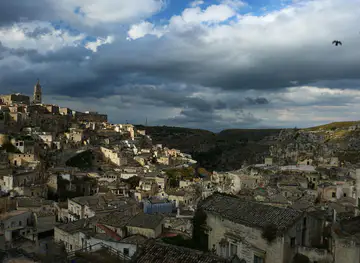
Discover Basilicata, Italy's hidden gem with ancient cave dwellings, stunning landscapes, and rich culinary traditions. Experience the charm and beauty of this unspoiled region.
Basilicata
Discover Basilicata, Italy's hidden gem with ancient cave dwellings, stunning landscapes, and rich culinary traditions. Experience the charm and beauty of this unspoiled region.
-
 Molise
Discover Molise, Italy's unspoiled region, where ancient traditions, scenic landscapes, and charming villages await. Perfect for history buffs, nature lovers, and beachgoers.
Molise
Discover Molise, Italy's unspoiled region, where ancient traditions, scenic landscapes, and charming villages await. Perfect for history buffs, nature lovers, and beachgoers.
-
 Apulia
Discover Apulia, Italy's southern jewel known for its stunning coastlines, unique trulli houses, Baroque architecture, and delectable cuisine.
Apulia
Discover Apulia, Italy's southern jewel known for its stunning coastlines, unique trulli houses, Baroque architecture, and delectable cuisine.
Swipe for more regions

