

Porta Maggiore, Lazio Travel Guide
Explore Porta Maggiore: a majestic Roman gate, ancient aqueduct support, and historic gateway in the Aurelian Walls.
Porta Maggiore, also known as Porta Praenestina, is an ancient Roman gate built in 52 AD by Emperor Claudius. Originally designed as a decorative support for the Aqua Claudia and Anio Novus aqueducts, it later became part of the Aurelian Walls and remains a significant historical landmark and transportation hub in Rome.
A brief summary to Porta Maggiore
- Piazza di Porta Maggiore, Rome, Metropolitan City of Rome Capital, 00182, IT
- Click to display

Know before you go
Hi, I'm Eve. Here are a few practical things to know before exploring Porta Maggiore.
- Visit early in the morning to avoid crowds and capture the best photos of the gate and surrounding area.
- Take a moment to relax in the nearby piazza and enjoy a coffee at a local cafe.
- Look for guided tours that include Porta Maggiore to learn more about its history and significance.
- Check out the nearby Tomb of Eurysaces, an unusual monument built by a wealthy Roman baker.
Do you manage this location?
Take control to get all the benefits, like improved information, better appearance, and stronger visibility across AI-powered discovery. Learn more about listing your business on Evendo
Activate your presenceOther nearby places you may find interesting
The closest places of the same kind, if this one is not quite what you had in mind.
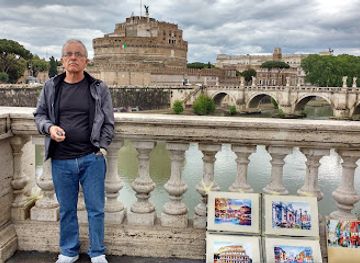
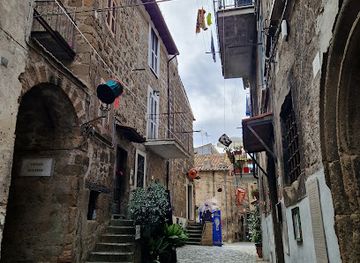
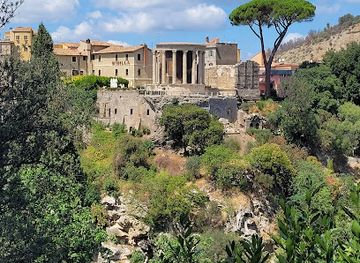
Explore Porta Maggiore on the Map
A handpicked selection of must-see spots near Porta Maggiore, mapped for you.
Unlock the Best of Porta Maggiore
Buy tickets
-
No tickets available
Book tours with entry
-
No tours available


Getting There
-
Public Transport
Piazza di Porta Maggiore is a major transport hub in Rome. From Termini Station, take bus routes 105, 210, or 313 to Piazza di Porta Maggiore. Alternatively, take tram routes 5 or 14 from the 'Vittorio Emanuele' tram stop. A single-use ticket costs €1.50 and is valid for 100 minutes. Tickets can be purchased at metro stations, tobacco shops, and newspaper stands.
-
Walking
From the Colosseum, head east on Via di San Giovanni in Laterano. Continue onto Via Casilina to reach Porta Maggiore. The walk is approximately 2.5 kilometers and should take around 30-40 minutes.
-
Taxi
Taxis are readily available throughout Rome. A taxi from Termini Station to Porta Maggiore will cost approximately €8-€15, plus a €2 surcharge from Termini Station. The initial fare is €3.50 during the day, with additional charges based on distance and time. Be sure the taxi is official and the meter is running.
Discover more about Porta Maggiore













Your all‑in‑one travel companion app
Explore expert travel guides, compare and book tours, experiences, hotels, and more—all from the palm of your hand. Download now for seamless trip planning wherever your wanderlust takes you.


Explore More of Lazio
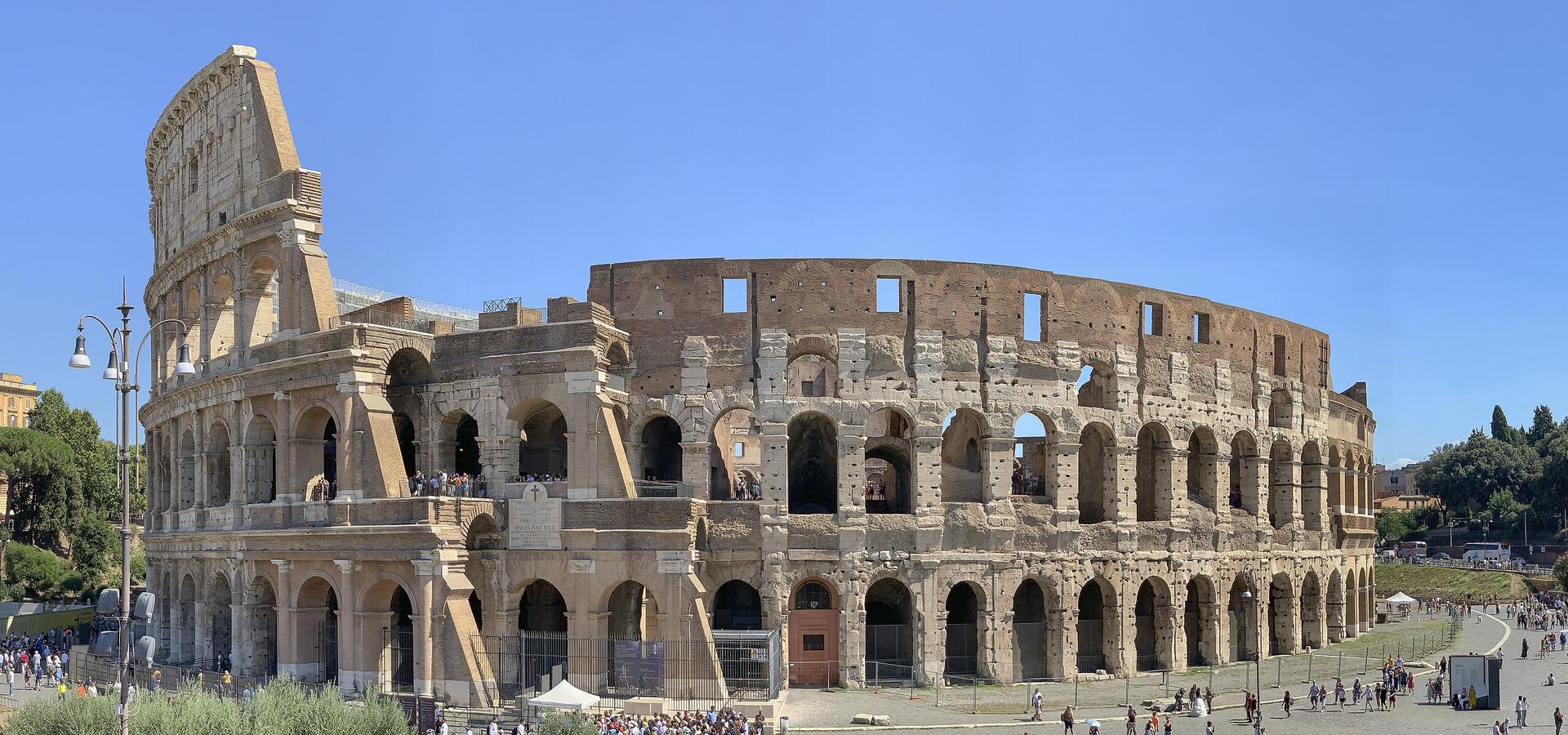
Looking beyond Porta Maggiore? Discover Lazio for broader travel guides, local hot-spots, and regional highlights.
Explore Lazio
Explore Terme Eleniane, a historical landmark in Rome showcasing the grandeur of ancient Roman baths and rich cultural history.

Explore the hidden beauty of Basilica Sotterranea di Porta Maggiore, an archaeological marvel beneath the streets of Rome, steeped in ancient history.
