

Palazzo Binelli Travel Guide
Free Guide: Explore Carrara's Palazzo Binelli, a historic landmark showcasing the city's marble legacy and architectural beauty.


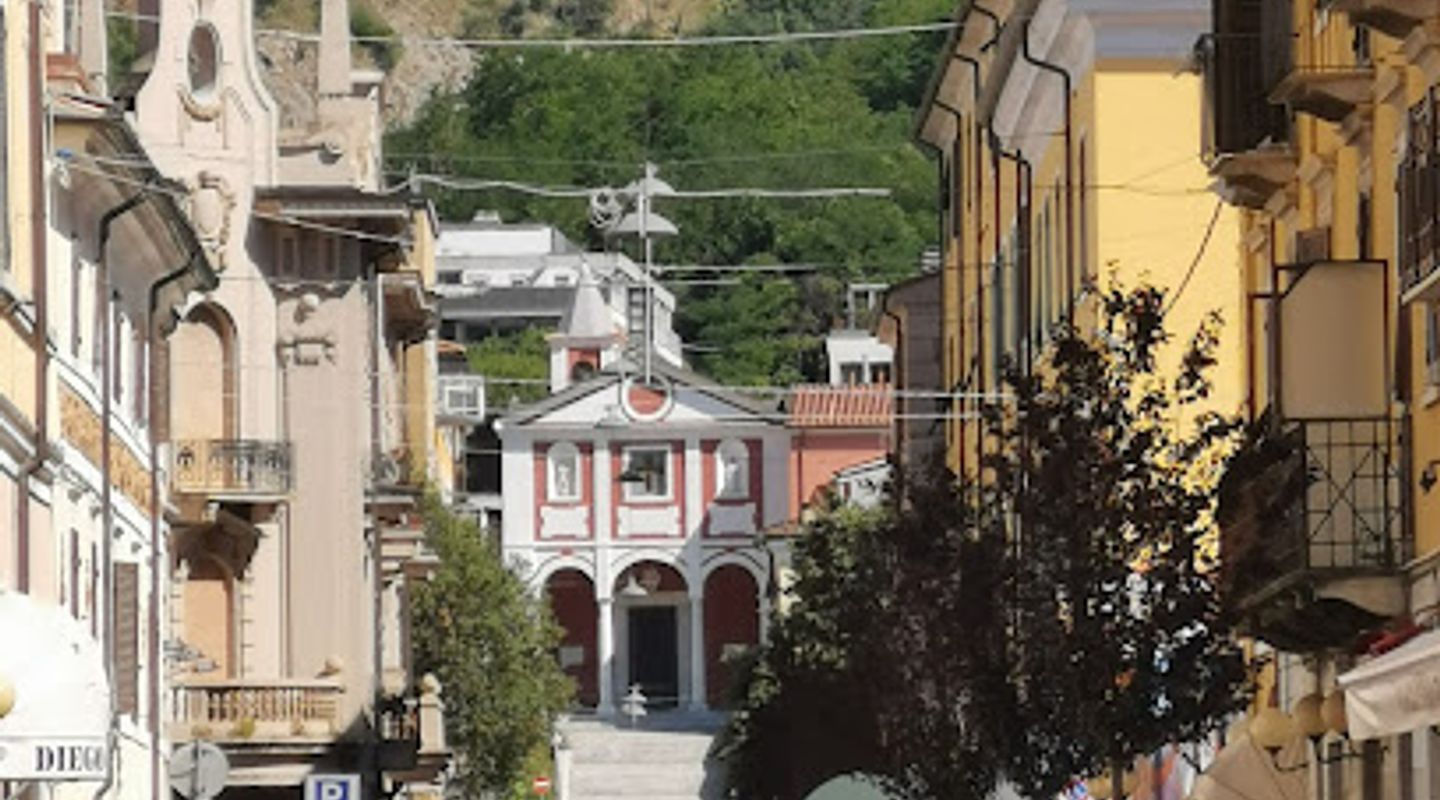
A brief summary of Palazzo Binelli
Explore Carrara's Palazzo Binelli, a historic landmark showcasing the city's marble legacy and architectural beauty.
Palazzo Binelli, an architectural gem in Carrara, showcases the city's rich marble history and economic development in the late 19th century. Built by the Binelli family, prominent marble industrialists, the palace has served various roles, including a bank and an art academy, before becoming a cultural center.
Opening hours
- Every day10 am–1 pm
Opening hours as listed on the venue’s Google Business Profile. Hours can change for services and special events, so check with the venue before you go.
- Address
- Via Verdi, 7, 54033 Carrara MS
- Phone
- Website
Getting there
Walking
Public Transport
Taxi
Discover more about Palazzo Binelli
Overview
Palazzo Binelli stands as a testament to Carrara's prosperous past, deeply intertwined with the marble industry. Constructed in 1888 by the Binelli family, influential figures in marble production, the palace reflects the architectural vision of Leandro Caselli, who reshaped Carrara's urban landscape. The palace's design embodies a symmetrical, neoclassical style, evident in its grand central staircase crafted from monolithic white marble.Throughout its history, Palazzo Binelli has adapted to various functions. Initially a family residence with public and private spaces, it was sold to the Bank of Italy in 1921, becoming a local branch. In 1966, it transitioned into a temporary home for the Academy of Fine Arts and a local art school. Acquired by the Cassa di Risparmio di Carrara in 1994 and later by the Fondazione Cassa di Risparmio di Carrara in 2006, the palace underwent extensive restoration.Today, Palazzo Binelli serves as a cultural hub, hosting conference spaces and exhibition halls that showcase local and international artists. The Fondazione Cassa di Risparmio di Carrara uses the building for cultural and public activities, maintaining its historical significance while contributing to Carrara's contemporary cultural scene.
Evendo Review Centre
 Google
Guest reviews
Explore Palazzo Binelli on the map
A handpicked selection of must-see spots near Palazzo Binelli, mapped for you.
Get your free copy of our complete guide to Palazzo Binelli, delivered straight to you.
Everything on this page, from opening hours and how to get there to Eve’s tips and the best time to go, in one PDF you can read offline, print or share.
Already have an account? Sign in
Your Palazzo Binelli guide is ready.
We'll send it to · Not you? Sign out

Getting your guide ready…
We are putting together a fresh copy of the Palazzo Binelli guide. This can take up to a minute.
This can take a few moments. If your browser asks, choose Allow so the download can start. You'll find the guide in your Downloads folder.
Nothing happened? Download it again
Sorry, the guide is taking longer than usual. Please try again in a minute, or get it by email instead.
Other nearby places you may find interesting
The closest places of the same kind, if this one is not quite what you had in mind.
-
Castello del Piagnaro Explore a medieval castle in Pontremoli, offering stunning views and housing the fascinating Museum of Stele Statues.
-
Museo delle Statue Stele Lunigianesi - Pontremoli Uncover the mysteries of prehistoric Lunigiana at the Museo delle Statue Stele, nestled within the historic Piagnaro Castle in Pontremoli.
-
Malgrate Castle Explore Malgrate Castle in Lunigiana: a medieval fortress with stunning views and rich history. A must-see for history buffs and nature lovers alike.
-
Parco Alpi Apuane Discover the breathtaking beauty of Parco Alpi Apuane: Hike majestic peaks, explore ancient caves, and witness the iconic marble quarries of Tuscany.
-
Monia’s Waterfall & Balrog’s Windmill Experience the serene beauty of Monia's Waterfall & Balrog's Windmill in Lunigiana: nature, history, and stunning landscapes await!
Swipe for more places
More to explore near Palazzo Binelli

 Best experiences near Palazzo Binelli
 Best hotels near Palazzo Binelli
 Best landmarks near Palazzo Binelli
 Best attractions near Palazzo Binelli
 Best shops near Palazzo Binelli
 Best restaurants near Palazzo Binelli
 Best bars near Palazzo Binelli
Do you manage this location?
Take control to get all the benefits, like improved information, better appearance, and stronger visibility across AI-powered discovery.
Explore more
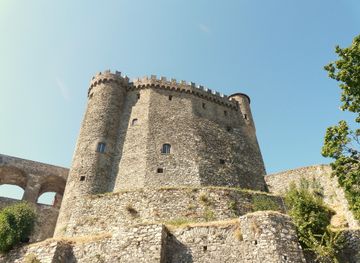
Explore more of Lunigiana
Discover Lunigiana: A land of medieval castles, charming villages, scenic trails, and authentic Italian cuisine nestled between the Apennine Mountains and the Ligurian Sea.
Explore Lunigiana
Explore more of Italy
Discover Italy: A land of ancient history, artistic marvels, and culinary delights; where every corner reveals a new story and every meal is a celebration.
Explore Italy
