
Lunigiana, Italy Travel Guide
Discover Lunigiana: A land of medieval castles, charming villages, scenic trails, and authentic Italian cuisine nestled between the Apennine Mountains and the Ligurian Sea.
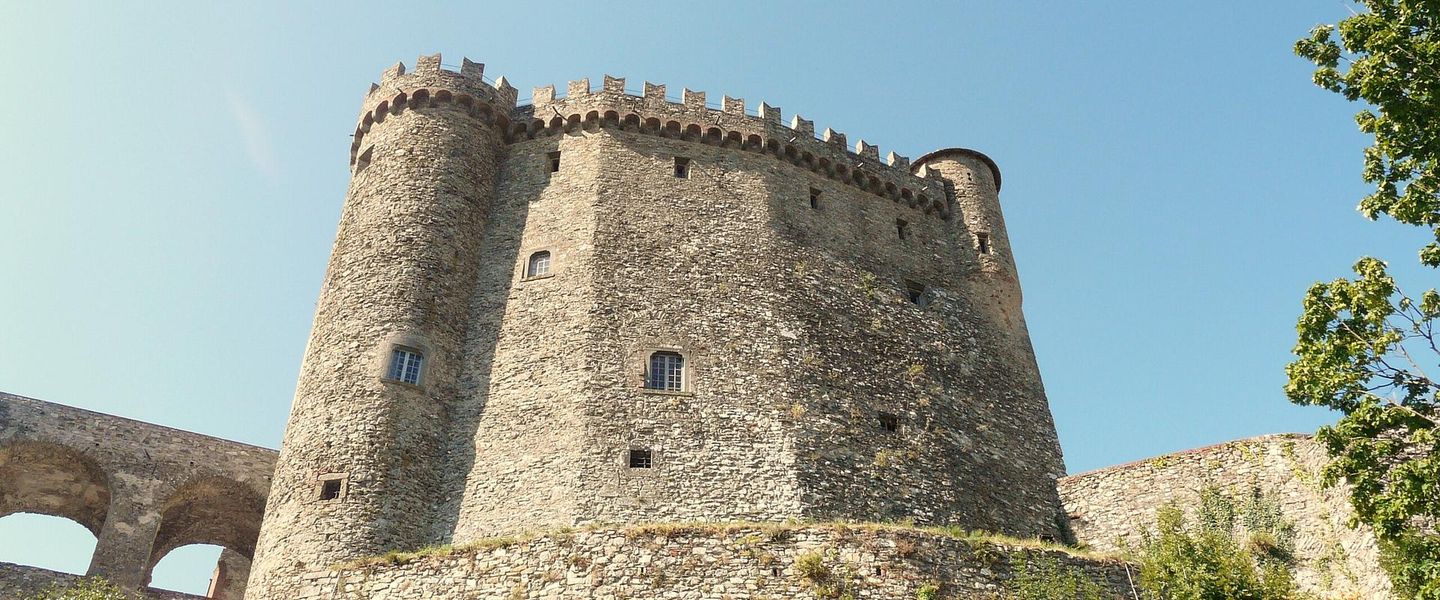
Nestled between the rugged Apennine Mountains and the sparkling Ligurian Sea, Lunigiana is a region rich in history, culture, and natural beauty. Known as the 'Land of a Hundred Castles,' Lunigiana boasts a remarkable collection of medieval fortresses and towers that tell tales of its storied past. Wander through charming villages like Pontremoli and Fivizzano, where cobblestone streets lead to ancient churches and bustling piazzas. Lunigiana is also a haven for nature lovers. The region offers numerous hiking trails that traverse lush forests, rolling hills, and scenic rivers. The Via Francigena, an ancient pilgrim route, passes through Lunigiana and provides a unique way to explore its picturesque landscapes. In the summer, the cool mountain streams and waterfalls offer a refreshing escape. Food enthusiasts will delight in Lunigiana's culinary offerings. The region is famed for its traditional dishes, such as testaroli and panigacci, which are often accompanied by locally produced wines. Visit local markets and family-run trattorias to experience the authentic flavors of this enchanting land. Whether you are drawn by its historical allure, natural splendor, or gastronomic delights, Lunigiana promises an unforgettable journey through one of Italy's most captivating regions.

Know before you go
Hi, I'm Eve. Here are a few practical things to know before exploring Lunigiana.
- Visit in spring or autumn to enjoy mild weather and fewer tourists.
- Rent a car to explore the region's remote villages and scenic routes.
- Bring comfortable walking shoes for hiking and exploring cobblestone streets.
- Try the local delicacies at family-run trattorias for an authentic culinary experience.
- Check local event calendars for traditional festivals and markets.
Top City Travel Guides in Lunigiana
The cities of Lunigiana, and the easiest places to base yourself.

Explore Lunigiana: Things to Do, Places to Eat, Hotels & More
Handpicked recommendations for top attractions, local dining, accommodations, and more

Top Attractions & Sightseeing in Lunigiana
Top-rated picks
Best Attractions

Devil's Bridge
Discover the legendary Devil's Bridge in Tuscany: a medieval marvel with unique architecture, rich history, and captivating folklore in Borgo a Mozzano.

Parco Naturale Regionale di Porto Venere
Explore the breathtaking coastal beauty and rich biodiversity of Parco Naturale Regionale di Porto Venere, a must-visit nature preserve in Italy.

Tuscan-Emilian Apennines National Park
Discover the Tuscan-Emilian Apennines National Park: a blend of biodiversity, outdoor adventures, and cultural heritage in the heart of Italy.
Parco Alpi Apuane
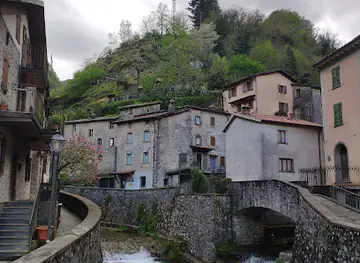
Discover the breathtaking beauty of Parco Alpi Apuane: Hike majestic peaks, explore ancient caves, and witness the iconic marble quarries of Tuscany.

Best landmarks in Lunigiana
Top-rated picks
Best Landmarks

Palazzo Vecchio
Discover the historical treasures of Palazzo Vecchio in Florence, a museum where art, history, and architecture unite to tell the story of the Renaissance.

Opera del Duomo Museum
Explore the Opera del Duomo Museum in Florence, home to Renaissance masterpieces and the history of the iconic Duomo.

Brunelleschi's dome
Explore Brunelleschi's Dome, a stunning Renaissance masterpiece in Florence, offering breathtaking views and rich historical significance.

Basilica di San Miniato
Discover the breathtaking beauty and spiritual legacy of Basilica di San Miniato, an architectural gem in Florence offering stunning views and rich history.

Best restaurants in Lunigiana
Top-rated picks
Best Restaurants

Ristorante Bernardi
Experience authentic Italian cuisine at Ristorante Bernardi in Tresana - where every meal tells a story.

Trattoria Norina
Experience authentic Italian flavors at Trattoria Norina in Pontremoli – where every dish tells a story.
Locanda all'Antico Mulino
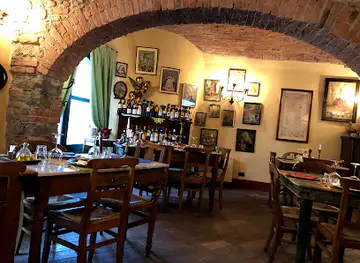
Discover Locanda all'Antico Mulino: A hidden gem offering authentic Italian flavors in Villafranca in Lunigiana.
Locanda Ristorante Gavarini
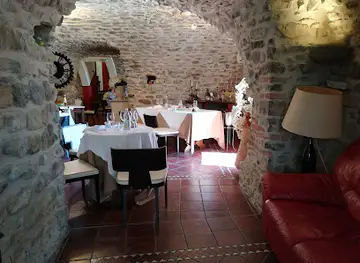
Discover authentic Italian cuisine and cozy accommodations at Locanda Ristorante Gavarini in scenic Mocrone.

Best bars in Lunigiana
Top-rated picks
Best Bars

Locanda Ristorante Gavarini
Experience authentic Italian cuisine and warm hospitality at Locanda Ristorante Gavarini, a culinary gem in Lunigiana.

Castelnuovo's Crazy Beer
Discover Castelnuovo's Crazy Beer: A brewpub experience filled with artisanal beers, local culture, and a vibrant atmosphere in Colombiera-Molicciara.

La Caverna dei Nani
Experience the unique flavors of La Caverna dei Nani, where artisanal beer meets gourmet burgers in the heart of Pontremoli.

Locanda del Deglio
Experience the essence of Italian and seafood cuisine at Locanda del Deglio, a scenic restaurant in the heart of Lunigiana, Italy.

Best nightclubs in Lunigiana
Top-rated picks
Best Nightclubs

Barlume
Experience the vibrant nightlife of Marina di Carrara at Barlume, a premier disco club and cocktail bar with live music and delicious dining.

La Skaletta Rock Club
Discover La Skaletta Rock Club in La Spezia - a vibrant live music venue offering unforgettable performances and a lively atmosphere for music lovers.

Discoteca Duple'
Discover the electrifying nightlife at Discoteca Duple', a premier disco club in Serricciolo, perfect for dancing and socializing until dawn.

Dancing Divina
Discover the electrifying atmosphere at Dancing Divina, the ultimate dance club in Piano di Valeriano-Bottagna for an unforgettable night out.

Best shops in Lunigiana
Top-rated picks
Best Shops

Castello del Piagnaro
Discover the rich history and breathtaking views at Castello del Piagnaro, a must-visit castle in the heart of Pontremoli, Italy.

Equi Terme Caves
Explore the breathtaking Equi Terme Caves, a stunning natural wonder filled with adventure, history, and mesmerizing geological formations in Italy.

CONAD SUPERSTORE
Discover the flavors of Tuscany at CONAD SUPERSTORE, your one-stop-shop for local delicacies and everyday essentials in Licciana Nardi.

Museo delle Statue Stele Lunigianesi - Pontremoli
Explore the rich history of Lunigiana at the Museo delle Statue Stele Lunigianesi, home to ancient stone sculptures and captivating stories.

Explore Lunigiana on the Map
A handpicked selection of must-see spots in Lunigiana, mapped for you.
Lunigiana Essentials
-
Lunigiana is located in the northern part of Tuscany, Italy, nestled between the Ligurian Sea and the Apennine Mountains. The most convenient airport is Pisa International Airport (Galileo Galilei), about 100 kilometers away. From Pisa, you can take a train to Aulla, a major town in Lunigiana, which usually takes around 1.5 hours. Alternatively, you can rent a car at the airport for a scenic drive through Tuscany.
-
Lunigiana is best explored by car due to its many small villages and scenic routes. Car rentals are available in larger towns like Aulla and Pontremoli. Public transportation options include regional trains and local buses, but they may not reach more remote areas. Taxis are available but can be expensive. Cycling is also a popular option for those looking to explore the countryside at a slower pace.
-
The official currency in Italy is the Euro (EUR). Credit and debit cards are widely accepted in most hotels, restaurants, and shops in Lunigiana. However, it's advisable to carry some cash, especially when visiting smaller villages and local markets. ATMs are available in larger towns like Aulla, Pontremoli, and Fivizzano.
-
Lunigiana is generally a very safe destination for tourists. Violent crime is rare, but petty theft and pickpocketing can occur, particularly in crowded areas and tourist spots. Always keep an eye on your belongings and avoid leaving valuables in your car. There are no specific high-crime areas targeting tourists, but standard travel precautions should always be observed.
-
In case of an emergency, dial 112, the European emergency number, which will connect you to police, medical services, or fire services. Major towns in Lunigiana like Aulla and Pontremoli have medical facilities and pharmacies. It's recommended to have travel insurance that covers medical emergencies. For minor health issues, local pharmacies can provide over-the-counter medications.
-
Fashion: Do dress modestly, especially when visiting religious sites. Avoid wearing beachwear or overly casual clothing in towns. Religion: Do respect local customs and traditions. Always cover your shoulders and knees when entering churches. Public Transport: Do be respectful and offer your seat to elderly passengers. Don't speak loudly or play music. Greetings: Do greet people with a handshake or a 'Ciao'. Eating & Drinking: Do try local delicacies and accept food offerings graciously. Don't rush meals; dining is a social event in Italy.
-
To experience Lunigiana like a local, visit the weekly markets in towns like Fivizzano and Pontremoli where you can buy fresh produce and local crafts. Engage with locals; they are often friendly and proud of their heritage. Don't miss the traditional sagre (festivals) which celebrate local food and culture. Try the local specialties like testaroli and panigacci. For a unique experience, explore the ancient castles and stone villages scattered throughout the region.
When is the best time to visit Lunigiana?
Useful Local Phrases for Lunigiana
You don't need to speak the language perfectly. Even learning a few simple words can make conversations warmer—and locals usually appreciate the effort.
— Eve

Here are the phrases I use most often in Lunigiana. Try a few—you'll be surprised how far they go! 😊
❤️
-
- HelloCiao
[chow] - GoodbyeAddio
[ah-dee-oh] - YesSì
[see] - NoNo
[noh] - Please/You're welcomePer favore
[pehr fah-voh-reh] - Thank youGrazie
[grah-tsee-eh] - Excuse me/SorryScusa
[skoozah] - How are you?Come stai?
[koh-meh stah-ee] - Fine. And you?Bene. E tu?
[beh-neh. eh too] - Do you speak English?Parli inglese?
[par-lee een-gleh-seh] - I don't understandNon capisco
[nohn kah-pees-koh]
- HelloCiao
-
- I'd like to see the menu, pleaseVorrei vedere il menu, per favore
[vor-ray veh-deh-reh eel meh-noo, pehr fah-voh-reh] - I don't eat meatNon mangio carne
[nohn mahn-joh kar-neh] - Cheers!Cin cin!
[cheen cheen] - I would like to pay, pleaseVorrei pagare, per favore
[vor-ray pah-gah-reh, pehr fah-voh-reh]
- I'd like to see the menu, pleaseVorrei vedere il menu, per favore
-
- Help!Aiuto!
[ah-yoo-toh] - Go away!Vattene!
[vaht-teh-neh] - Call the Police!Chiama la polizia!
[kee-ah-mah lah poh-leet-zee-ah] - Call a doctor!Chiama un dottore!
[kee-ah-mah oon doht-toh-reh] - I'm lostSono perso
[soh-noh pehr-soh] - I'm illSono malato
[soh-noh mah-lah-toh]
- Help!Aiuto!
-
- I'd like to buy...Vorrei comprare...
[vor-ray kom-prah-reh] - I'm just lookingSto solo guardando
[sto soh-loh gwahr-dahn-doh] - How much is it?Quanto costa?
[kwahn-toh koh-stah] - That's too expensiveÈ troppo caro
[eh troh-poh kah-roh] - Can you lower the price?Puoi abbassare il prezzo?
[pwoy ahb-bah-sah-reh eel pret-zoh]
- I'd like to buy...Vorrei comprare...
-
- What time is it?Che ore sono?
[keh oh-reh soh-noh] - It's one o'clockÈ l'una
[eh loo-nah] - Half past (10)Dieci e mezzo
[dee-eh-chee eh meh-tsoh] - MorningMattina
[maht-tee-nah] - AfternoonPomeriggio
[poh-meh-ree-joh] - EveningSera
[seh-rah] - YesterdayIeri
[yeh-ree] - TodayOggi
[oh-gee] - TomorrowDomani
[doh-mah-nee] - 1Uno
[oo-noh] - 2Due
[doo-eh] - 3Tre
[treh] - 4Quattro
[kwah-troh] - 5Cinque
[cheen-kweh] - 6Sei
[say] - 7Sette
[seht-teh] - 8Otto
[oht-toh] - 9Nove
[noh-veh] - 10Dieci
[dee-eh-chee]
- What time is it?Che ore sono?
-
- Where's a/the...?Dove si trova...?
[doh-veh see troh-vah] - What's the address?Qual è l'indirizzo?
[kwahl eh leen-dee-reet-soh] - Can you show me (on the map)?Puoi mostrarmi (sulla mappa)?
[pwoy mohs-trar-mee (soo-lah mahp-pah)] - When's the next (bus)?Quando passa il prossimo (autobus)?
[kwahn-doh pah-sah eel proh-see-moh (ow-toh-boos)] - A ticket (to ....)Un biglietto (per....)
[oon bee-lyet-toh (pehr....)]
- Where's a/the...?Dove si trova...?
History of Lunigiana
-
Lunigiana, nestled between the Apennine Mountains and the Ligurian Sea, has a history that dates back to the ancient Etruscans and Ligurians. Archaeological evidence suggests that these ancient peoples inhabited the region as early as the 6th century BCE, leaving behind stone carvings and artifacts. The Etruscans, known for their sophisticated culture and engineering skills, greatly influenced the development of Lunigiana.
-
The strategic location of Lunigiana made it a valuable asset during the Roman era. The Romans conquered the region in the 2nd century BCE and integrated it into their empire. Lunigiana became an important transit point along the Via Aemilia Scauri, a crucial Roman road that connected the region to other parts of Italy. Roman architectural remnants, such as bridges and roads, still dot the landscape.
-
The Middle Ages saw Lunigiana transform into a land of fortresses and castles. Due to its strategic position, the region was frequently contested by various noble families and city-states. The Malaspina family, in particular, played a significant role in shaping the region's history. They built numerous castles, such as the Castello di Fosdinovo and Castello di Verrucola, which stand as testaments to the region's turbulent medieval past.
-
During the Renaissance, Lunigiana experienced a period of cultural and artistic flourishing. The region's towns, such as Pontremoli and Fivizzano, became centers of learning and art. Notable figures like Leonardo da Vinci and Michelangelo are believed to have visited the area. Renaissance architecture and frescoes can still be seen in local churches and palaces, reflecting the region's rich artistic heritage.
-
The Napoleonic era brought significant changes to Lunigiana. In the early 19th century, the region was incorporated into the French Empire under Napoleon Bonaparte. This period saw the introduction of new administrative and legal reforms. Later, Lunigiana played a role in the Risorgimento, the movement for Italian unification. The region's strategic location made it a focal point during the campaigns leading to the unification of Italy in 1861.
-
Lunigiana was a significant theater of operations during World War II. The rugged terrain provided a natural stronghold for Italian partisans who resisted the German occupation and Fascist forces. The region witnessed numerous skirmishes and acts of sabotage. The memory of the resistance is still honored today, with several memorials and museums dedicated to the brave men and women who fought for freedom.
-
Lunigiana's rich cultural heritage is reflected in its traditions, festivals, and cuisine. The region is known for its unique culinary delights, such as testaroli and panigacci, which are traditional flatbreads. Festivals like the Medievalis in Pontremoli and the Bancarella Prize, a prestigious literary award, celebrate the region's history and culture. The preservation of local dialects and customs adds to the area's charm and cultural diversity.
Neighbouring Regions of Lunigiana
The closest regions to Lunigiana, if you have time for more than one.



Your all‑in‑one travel companion app
Explore expert travel guides, compare and book tours, experiences, hotels, and more—all from the palm of your hand. Download now for seamless trip planning wherever your wanderlust takes you.


Explore More of Italy

Looking beyond Lunigiana? Discover Italy for broader travel guides, local hot-spots, and regional highlights.
Explore ItalyLunigiana in Photos
Browse through our photo collection highlighting the charm and character of the destination.


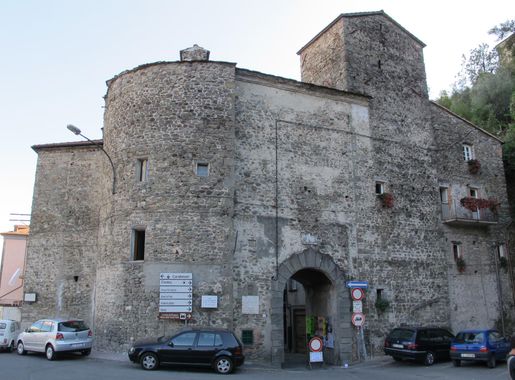

Lunigiana: The Hidden Gem of Tuscany
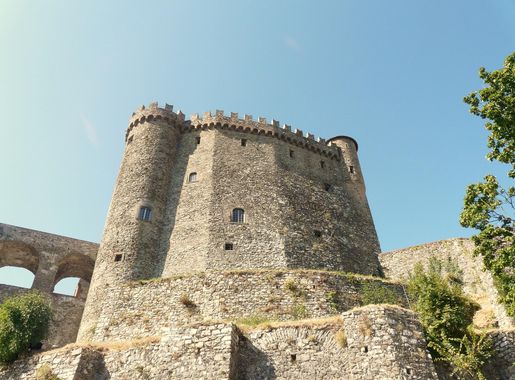
Nestled between the rugged Apennine Mountains and the sparkling Ligurian Sea, Lunigiana is a region rich in history, culture, and natural beauty. Known as the 'Land of a Hundred Castles,' Lunigiana boasts a remarkable collection of medieval fortresses and towers that tell tales of its storied past. Wander through charming villages like Pontremoli and Fivizzano, where cobblestone streets lead to ancient churches and bustling piazzas. Lunigiana is also a haven for nature lovers. The region offers numerous hiking trails that traverse lush forests, rolling hills, and scenic rivers. The Via Francigena, an ancient pilgrim route, passes through Lunigiana and provides a unique way to explore its picturesque landscapes. In the summer, the cool mountain streams and waterfalls offer a refreshing escape. Food enthusiasts will delight in Lunigiana's culinary offerings. The region is famed for its traditional dishes, such as testaroli and panigacci, which are often accompanied by locally produced wines. Visit local markets and family-run trattorias to experience the authentic flavors of this enchanting land. Whether you are drawn by its historical allure, natural splendor, or gastronomic delights, Lunigiana promises an unforgettable journey through one of Italy's most captivating regions.