Porticoes of Bologna: A UNESCO World Heritage
Explore Bologna's iconic porticoes: a UNESCO World Heritage site offering a unique blend of history, architecture, and vibrant city life.
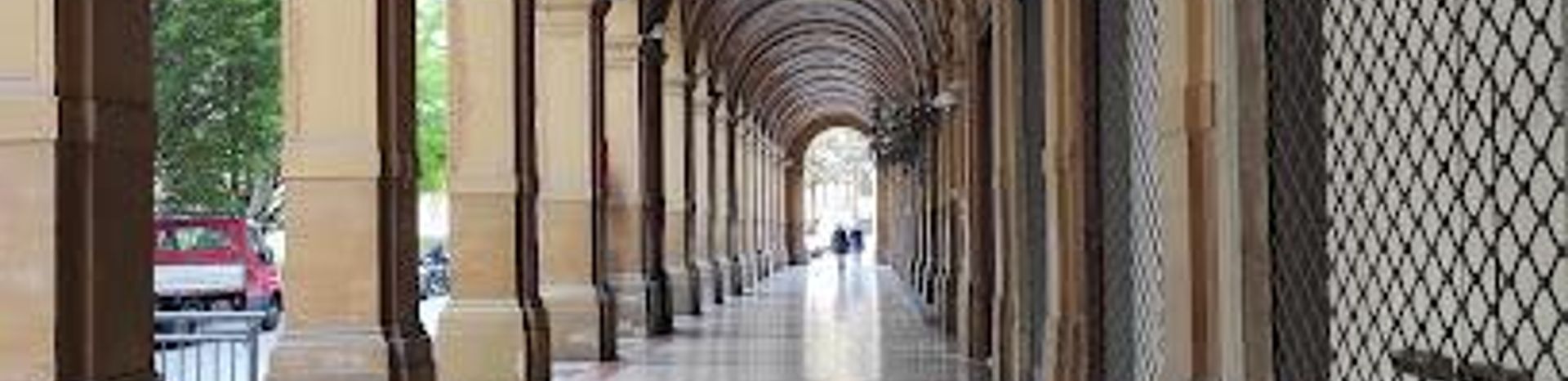
The Porticoes of Bologna, a UNESCO World Heritage site since 2021, are a defining architectural feature of the city. These covered walkways, which extend for over 62 kilometers, provide shelter and a unique urban experience, embodying Bologna's history and culture.
A brief summary to Portici di Bologna
- Via Farini, Bologna, Metropolitan City of Bologna, IT
- Visit website
- Monday 12 am-12 am
- Tuesday 12 am-12 am
- Wednesday 12 am-12 am
- Thursday 12 am-12 am
- Friday 12 am-12 am
- Saturday 12 am-12 am
- Sunday 12 am-12 am
Local tips
- Take a stroll along Via Farini to experience the elegance and architectural details of the porticoes.
- Visit the Portico of San Luca, the world's longest, for a scenic walk to the Sanctuary of the Madonna di San Luca.
- Explore the medieval porticoes in Strada Maggiore, such as those at Casa Isolani, to see the original wooden structures.
- Check out the Christmas market at Portico dei Servi.

Getting There
-
Walking
From Piazza Maggiore, walk south along Via Farini. The porticoes line both sides of the street, providing a covered walkway. The walk is approximately 500 meters and takes about 5-10 minutes. This route is flat and easily accessible.
-
Public Transport
From Bologna Centrale train station, take bus number 25 or 27 towards the city center. Get off at the Farini stop, which is directly on Via Farini. The bus ride takes approximately 15-20 minutes. A single ticket costs €2.30.
-
Taxi/Ride-share
A taxi or ride-share from Bologna Centrale train station to Via Farini typically costs between €8-€13 and takes about 10 minutes, depending on traffic. Several taxi stands are available outside the station.
Discover more about Portici di Bologna
Iconic landmarks you can’t miss

P.za Cavour
0.1 km
Discover the vibrant atmosphere of P.za Cavour in Bologna, where history, culture, and local life converge in a picturesque square.
Piazza Minghetti
0.1 km
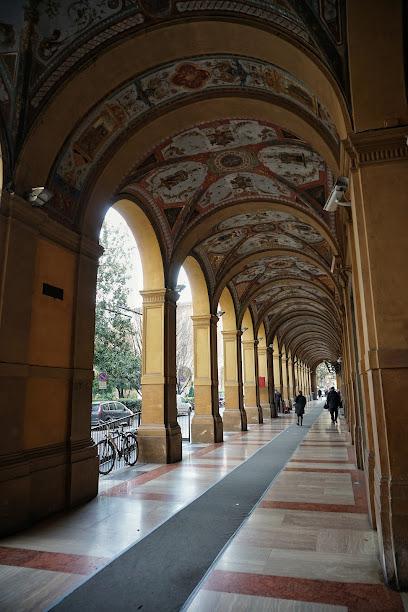
Discover the charm and cultural richness of Piazza Minghetti in Bologna, where history meets vibrant local life and culinary delights.
Statue of Luigi Galvani
0.1 km
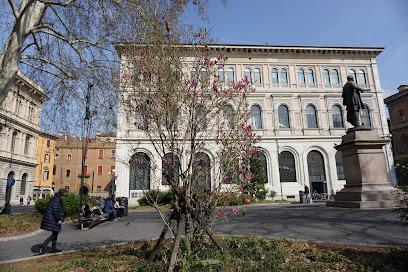
Explore Bologna's vibrant history at the Statue of Luigi Galvani, a stunning tribute to science and culture in the heart of the city.
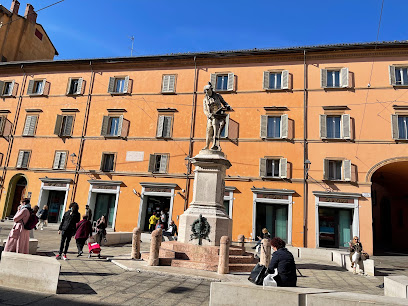
Basilica di San Petronio
0.2 km
Explore the Basilica di San Petronio in Bologna, an architectural marvel with stunning art and rich history located in the vibrant heart of the city.

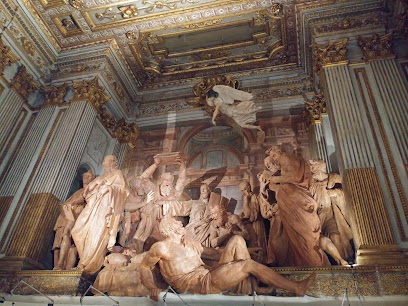
Oratorio dei Battuti
0.2 km
Discover the serene Oratorio dei Battuti in Bologna, a hidden treasure filled with stunning Renaissance frescoes and rich spiritual history.
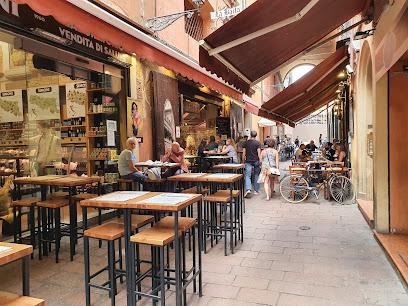
Via Pescherie Vecchie
0.2 km
Explore the enchanting Via Pescherie Vecchie in Bologna, a historical street filled with culinary delights and rich cultural heritage.
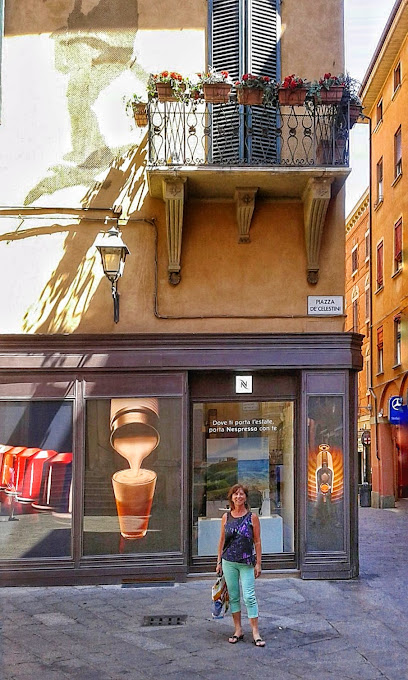
Piazza De' Celestini
0.3 km
Experience the serene atmosphere and rich history of Piazza De' Celestini, a hidden gem in Bologna that captures the essence of Italian culture.
Palazzo dei Notai
0.3 km
Explore the historical splendor of Palazzo dei Notai, a cultural gem in Bologna that showcases the city's rich legal heritage and stunning architecture.
Bologna Welcome - Official Tourist Office (IAT)
0.3 km
Discover Bologna's rich history and culinary delights at Bologna Welcome, your essential tourist information hub in the heart of the city.
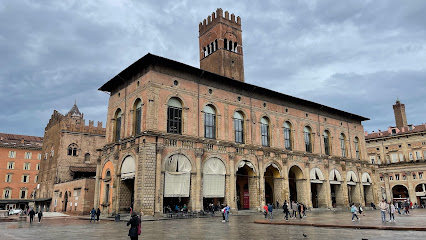
Oratorio dello Spirito Santo
0.3 km
Experience the serene beauty of Oratorio dello Spirito Santo, a hidden gem in Bologna, showcasing stunning Baroque architecture and rich artistic heritage.
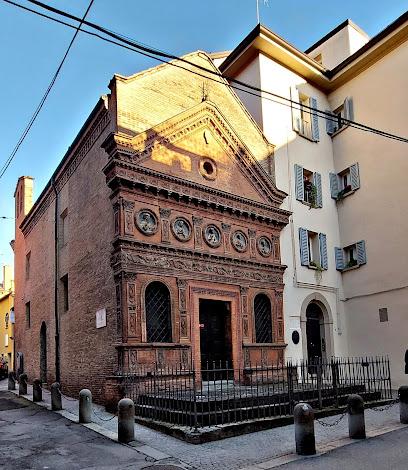
Palazzo d'Accursio
0.3 km
Discover the rich artistic heritage of Bologna at Palazzo d'Accursio, a historic museum set in the heart of the city's vibrant Piazza Maggiore.
Palazzo della Mercanzia
0.3 km
Explore the architectural beauty and historical significance of Palazzo della Mercanzia in Bologna, a must-visit for every traveler seeking cultural immersion.
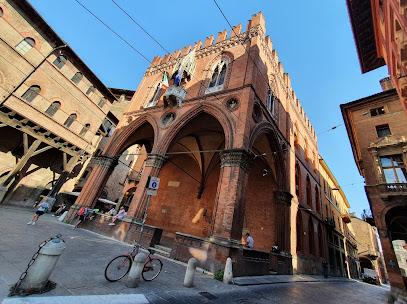
Piazza del Nettuno
0.3 km
Explore the historic and vibrant atmosphere of Piazza del Nettuno, Bologna's iconic square featuring the stunning Fountain of Neptune and local culture.
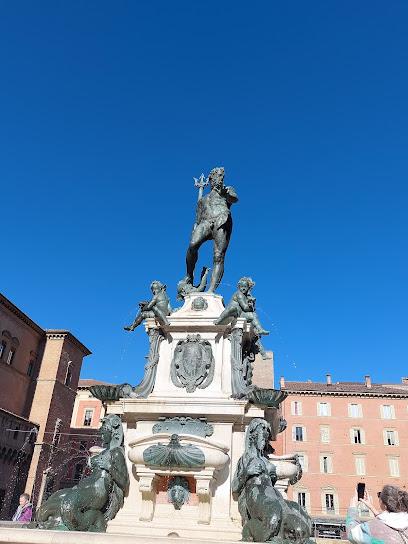
Piazza della Mercanzia
0.3 km
Discover the enchanting Piazza della Mercanzia in Bologna, a historical square filled with stunning architecture, delightful cuisine, and vibrant culture.
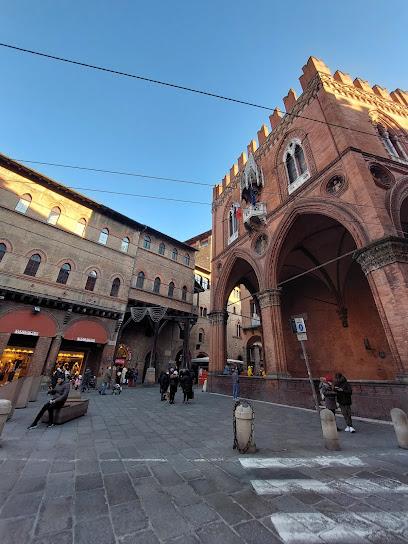
Il Quadrilatero
0.3 km
Explore Il Quadrilatero in Bologna, where culinary delights and historical charm intertwine in a vibrant market atmosphere.
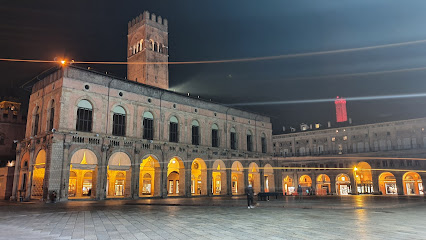
Unmissable attractions to see

Portico del Pavaglione
0.1 km
Explore the architectural beauty and vibrant culture of Portico del Pavaglione in Bologna, a must-see tourist attraction rich in history and local charm.
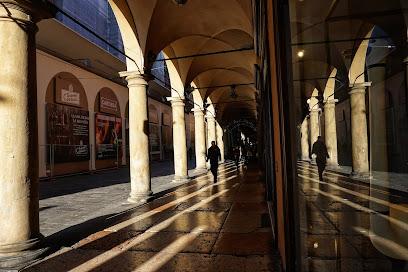
Archiginnasio Palace and Anatomical Theater
0.1 km
Explore the Archiginnasio Palace and Anatomical Theater, a historic site blending art, science, and education in the heart of Bologna.
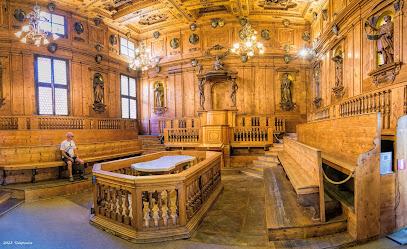
Biblioteca Comunale dell'Archiginnasio
0.1 km
Discover the Biblioteca Comunale dell'Archiginnasio: a treasure trove of history and literature in the heart of Bologna, Italy.
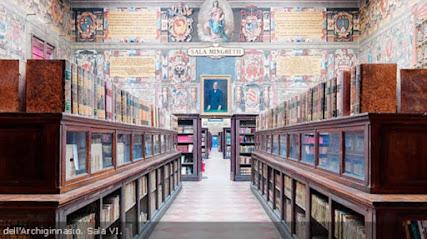
Piazza Galvani
0.1 km
Experience the charm of Piazza Galvani in Bologna, where history meets modern culture in a vibrant city square.
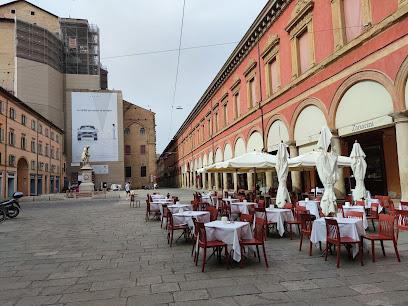
Via de' Foscherari
0.1 km
Experience the captivating charm of Via de' Foscherari in Bologna, a blend of history, culinary delights, and vibrant local culture.
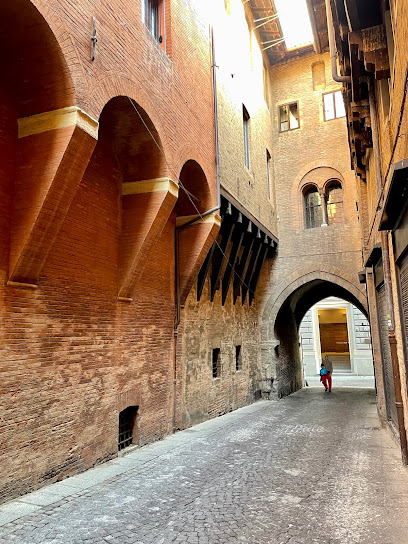
Archaeological Museum of Bologna
0.1 km
Explore the rich history of ancient civilizations at the Archaeological Museum of Bologna, where artifacts narrate the stories of the past.
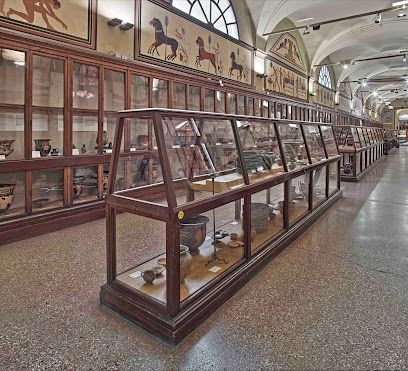
Torre Galluzzi
0.2 km
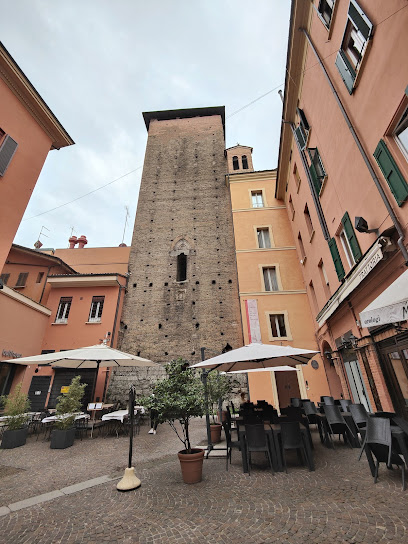
Explore Torre Galluzzi, a medieval marvel in Bologna, offering stunning views and rich history in the heart of Italy.
Arca di Egidio Foscherari
0.2 km
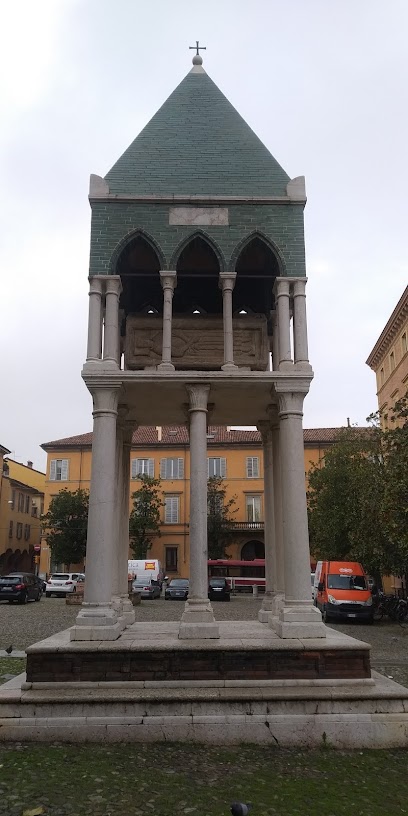
Explore the Arca di Egidio Foscherari, a historical landmark in Bologna that captures the essence of Italy's rich architectural heritage and cultural significance.
Palazzo dei Banchi
0.2 km
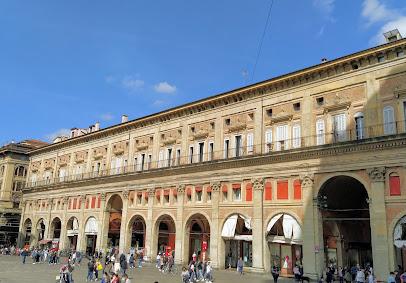
Explore the architectural beauty and vibrant cultural scene of Palazzo dei Banchi in Bologna's historic Piazza Maggiore, a jewel of Renaissance heritage.
Basilica of San Domenico
0.2 km
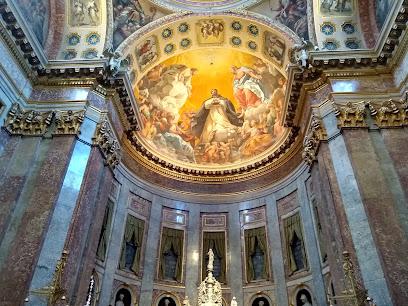
Explore the Basilica of San Domenico in Bologna – a stunning architectural gem rich in art, history, and spiritual heritage.
Palazzo Pepoli - Museo della Storia di Bologna
0.2 km
Explore Bologna's captivating history at Palazzo Pepoli, where art and culture meet in a stunning historical museum.
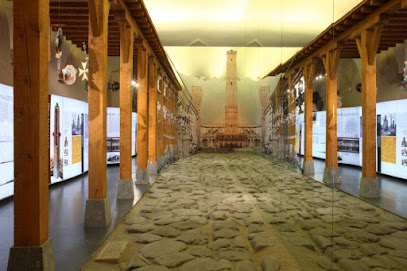
Palazzo Pepoli Campogrande
0.2 km
Discover Bologna's rich heritage at Palazzo Pepoli Campogrande, a historical museum showcasing the city's captivating stories and stunning architecture.
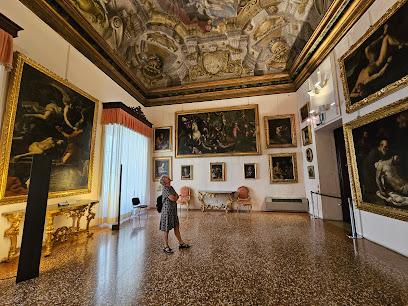
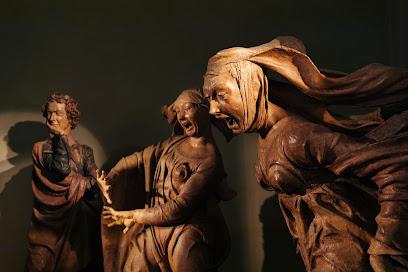
Santuario di Santa Maria della Vita
0.2 km
Discover the serene Santuario di Santa Maria della Vita, a historical shrine in Bologna filled with artistic treasures and deep spiritual significance.
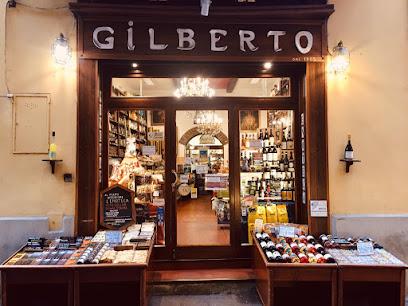
Drogheria Gilberto
0.3 km
Experience authentic Italian culture at Drogheria Gilberto, Bologna's charming wine bar with exquisite wines and artisanal chocolates.
Piazza Maggiore
0.3 km
Explore the vibrant Piazza Maggiore in Bologna, where history meets culture in the heart of Italy's culinary capital.
Essential places to dine

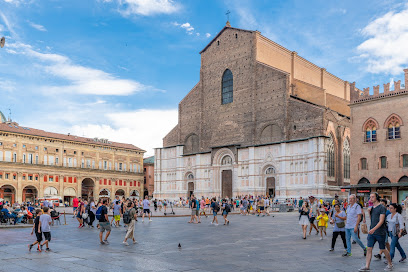
Taverna del Postiglione
0.2 km
Discover authentic Italian flavors at Taverna del Postiglione in Bologna - a true gem for food lovers seeking traditional cuisine.
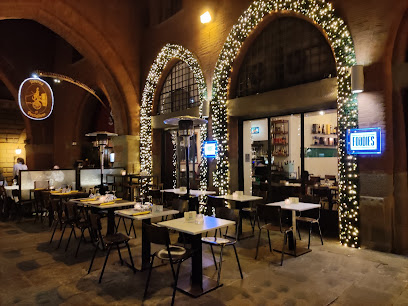
051 Osteria
0.2 km
Experience authentic Bolognese flavors at 051 Osteria, where every dish tells a story in this cozy bistro dedicated to small plates.
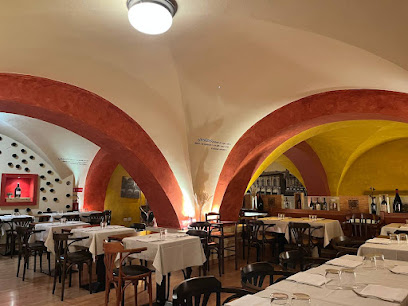
Zerocinquantino
0.2 km
Experience authentic Italian flavors at Zerocinquantino, Bologna's premier destination for small plates and local delicacies.
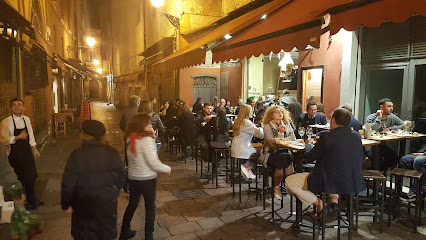
Zerocinquantello Osteria - Bologna Centro (Mercato di Mezzo)
0.2 km
Experience authentic Italian cuisine at Zerocinquantello Osteria in Bologna Centro, where every dish tells a story.
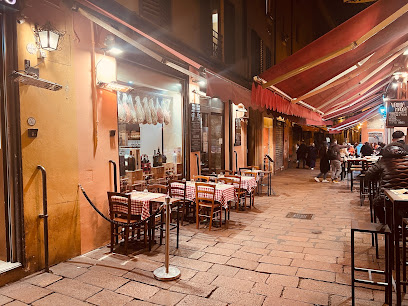
Da Cesari
0.3 km
Experience authentic Italian cuisine at Da Cesari, where tradition meets flavor in the heart of Bologna.
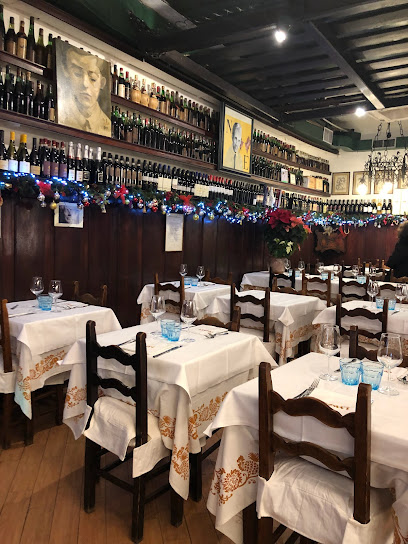
Sfoglia Rina
0.3 km
Discover authentic Italian cuisine at Sfoglia Rina in Bologna - home to exquisite homemade pasta and delightful breakfast options.
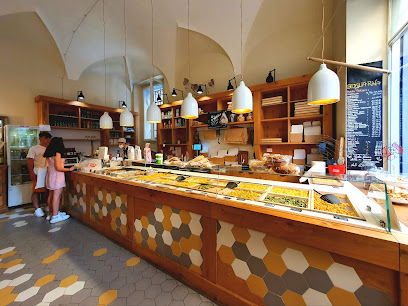
Eataly Bologna Ambasciatori
0.3 km
Discover authentic Italian flavors at Eataly Bologna Ambasciatori - your gateway to Italy's rich culinary traditions.
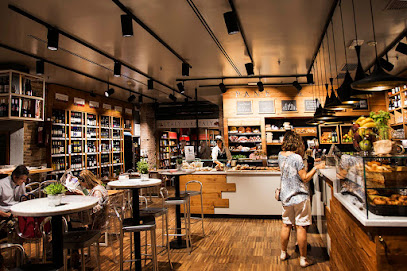
Osteria Angolo degli Orefici
0.3 km
Experience authentic Italian cuisine at Osteria Angolo degli Orefici in Bologna - where tradition meets modernity in every delicious dish.
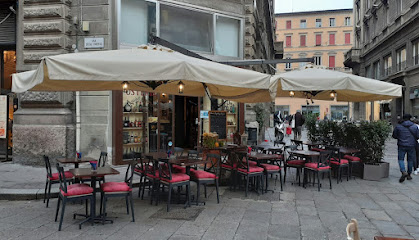
Botanica Lab Cucina
0.3 km
Experience innovative vegan cuisine at Botanica Lab Cucina in Bologna - where sustainability meets flavor in every dish.
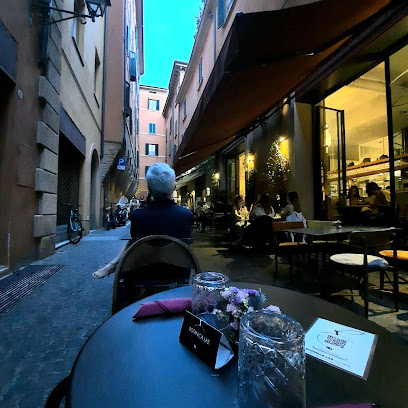
Arrosticino nel cuore
0.4 km
Experience the authentic taste of Southern Italy at Arrosticino nel cuore in Bologna, where every dish tells a story.
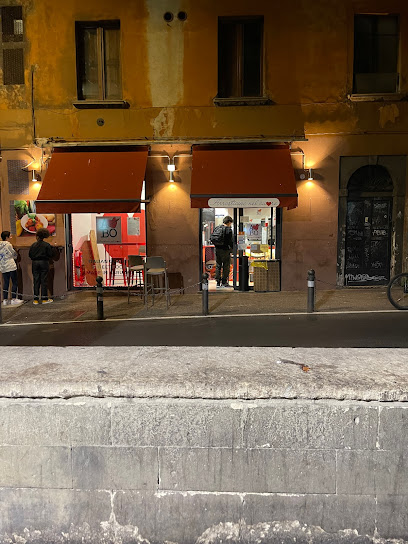
La Capriata
0.4 km
Experience authentic Italian cuisine at La Capriata in Bologna - where tradition meets flavor in every dish.
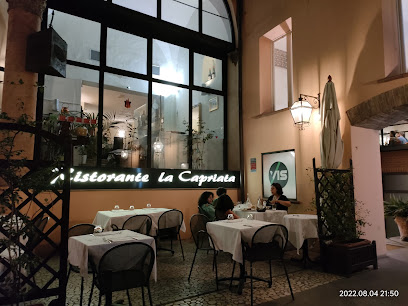
Bottega Portici - 2 Torri
0.4 km
Experience authentic Italian cuisine at Bottega Portici - where tradition meets flavor in Bologna's historic center.
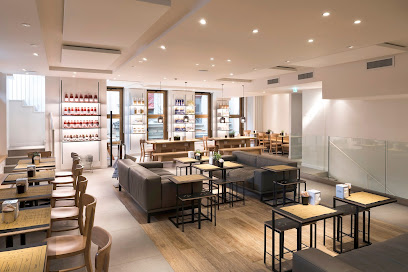
Ca' Pelletti - Altabella
0.4 km
Discover authentic Italian flavors at Ca' Pelletti in Bologna – where tradition meets taste in every dish.
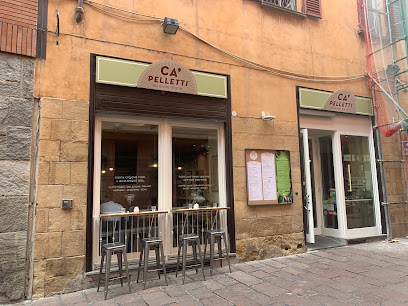
Osteria dei Grifoni
0.4 km
Experience authentic Northern Italian cuisine at Osteria dei Grifoni in Bologna - where tradition meets flavor in a cozy bistro setting.
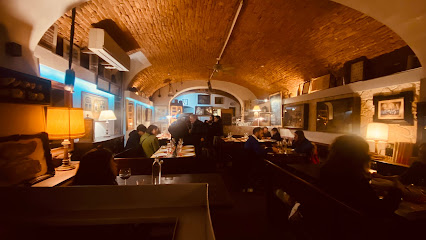
Ca' Pelletti
0.4 km
Experience authentic Bolognese cuisine at Ca' Pelletti - home to handmade pasta and local delicacies in the heart of Italy.
Markets, malls and hidden boutiques

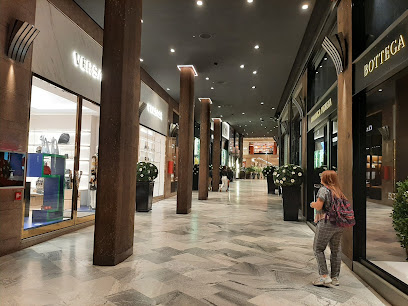
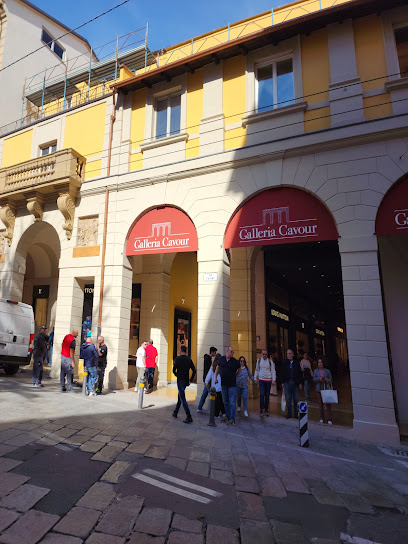
Galleria Cavour
0.0 km
Experience the elegance of Galleria Cavour, where luxury shopping meets exquisite dining in the heart of Bologna's vibrant culture.
Louis Vuitton Bologna
0.0 km
Experience unparalleled luxury shopping at Louis Vuitton Bologna, where elegance meets craftsmanship in the heart of Italy's fashion scene.
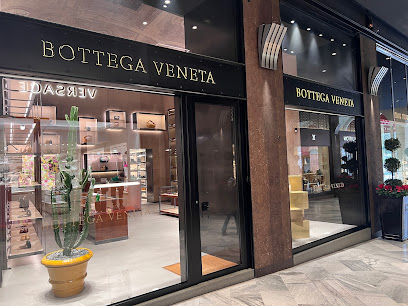
Bottega Veneta Bologna
0.0 km
Discover the essence of Italian luxury at Bottega Veneta Bologna, where exquisite craftsmanship meets contemporary fashion in a stunning boutique setting.
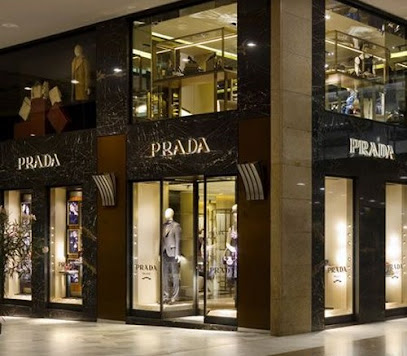
Prada Bologna
0.0 km
Discover the essence of luxury shopping at Prada Bologna, where elegance meets high-end fashion in the heart of Italy.
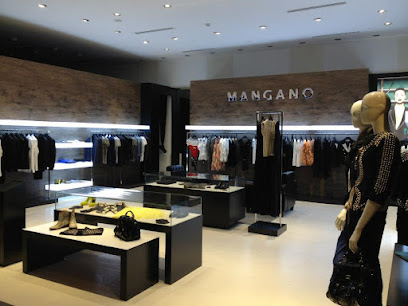
MANGANO
0.0 km
Explore MANGANO in Bologna for a blend of contemporary and classic Italian fashion that defines elegance.
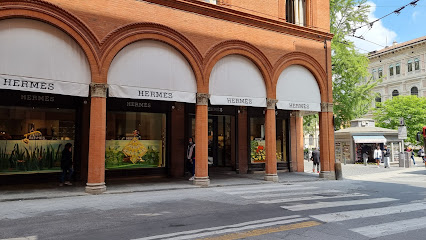
HERMÈS Bologna
0.1 km
Discover HERMÈS Bologna, where luxury leather goods meet timeless craftsmanship in the heart of Italy's historic city.
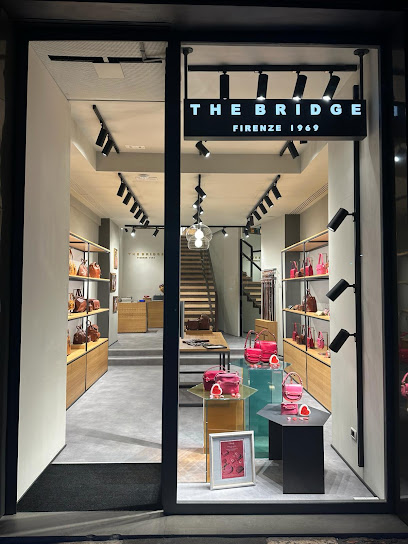
Boutique The Bridge Bologna
0.1 km
Discover the charm of Italian craftsmanship at Boutique The Bridge Bologna, your destination for elegant leather goods in the heart of the city.
Montblanc Boutique Bologna
0.1 km
Discover luxury and timeless elegance at Montblanc Boutique Bologna, the ultimate shopping destination for exquisite jewelry and leather goods.
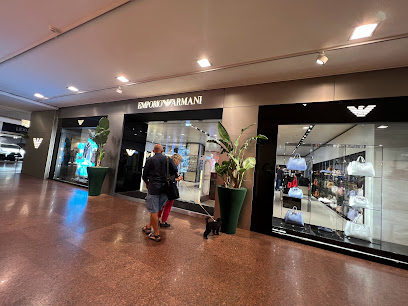
EMPORIO ARMANI Bologna Store
0.1 km
Experience the elegance of Italian fashion at Emporio Armani Bologna, where style meets sophistication in a stunning boutique setting.
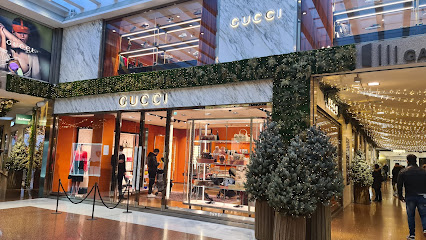
Gucci - Bologna Galleria
0.1 km
Explore the luxurious world of Gucci in Bologna's Galleria Cavour, where elegance and style come together in a premier shopping destination.
Dev
0.1 km
Discover the allure of Italian fashion at Dev Boutique, Bologna's premier destination for stylish clothing, leather goods, and accessories.
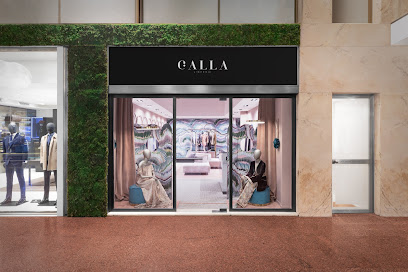
Galleria Cavour 1959
0.1 km
Explore Galleria Cavour in Bologna, where luxury meets contemporary fashion in an elegant shopping destination.
Pinko Boutique Bologna
0.1 km
Discover exquisite women's fashion and stylish accessories at Pinko Boutique Bologna, a must-visit for fashion enthusiasts in the heart of the city.
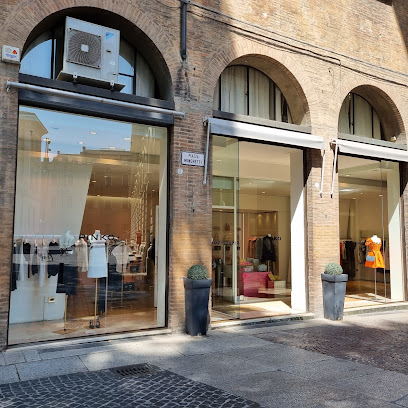
FR Boutique Uomo [Folli Follie - Ratti]
0.1 km
Explore FR Boutique Uomo for exquisite men's clothing and accessories in the heart of Bologna, where style meets sophistication.
![FR Boutique Uomo [Folli Follie - Ratti]](https://evendo-location-media.s3.amazonaws.com/ShoppingImages/6e54260e-76d2-48c0-b8d4-0a076df8c2a5)
FR Boutique Donna [Folli Follie - Ratti]
0.2 km
Discover Bologna's fashion treasures at FR Boutique Donna, where style meets elegance in a charming atmosphere.
![FR Boutique Donna [Folli Follie - Ratti]](https://evendo-location-media.s3.amazonaws.com/ShoppingImages/fdad3e55-ecfe-48d2-bdde-90292e9bdf76)
Essential bars & hidden hideouts

NU Lounge Bar
0.2 km
Experience the vibrant atmosphere and tropical cocktails at NU Lounge Bar, Bologna's premier Tiki and cocktail destination.
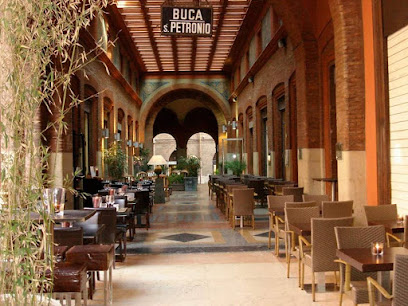
Bebi Bar
0.3 km
Experience the heart of Bologna at Bebi Bar, where cozy ambiance meets delightful drinks in a perfect blend of local charm.
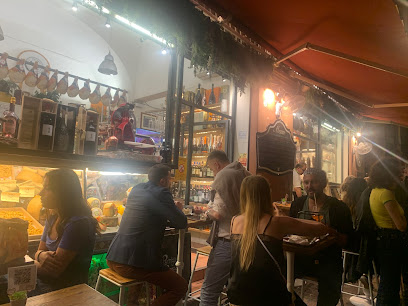
Le Mercanzie Lounge Bar
0.3 km
Discover Bologna's nightlife at Le Mercanzie Lounge Bar, where innovative cocktails and a lively atmosphere await you in the heart of the city.
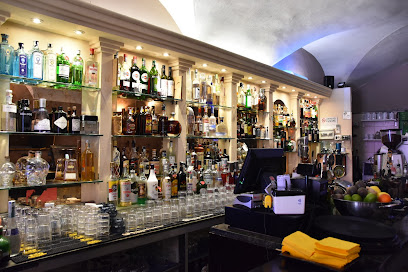
Roxy Bar
0.3 km
Experience the vibrant atmosphere of Roxy Bar in the heart of Bologna, where great drinks and local culture come together.
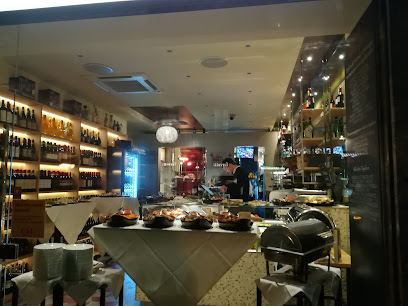
Ruggine
0.4 km
Discover Ruggine, a unique cocktail bar in Bologna offering exquisite drinks, delicious food, and an inviting atmosphere for a memorable night out.
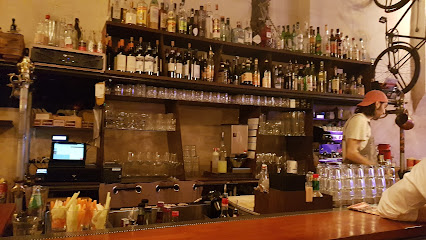
Celtic Druid Irish Pub
0.4 km
Discover the authentic taste of Ireland at Celtic Druid Irish Pub in Bologna, where great food and lively atmosphere await every tourist.
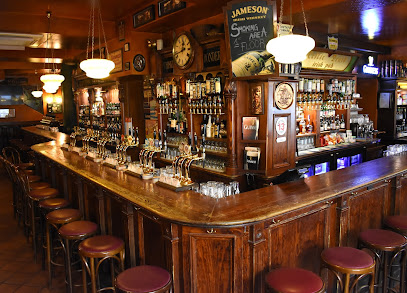
Black & white Bologna Vintage American bar
0.4 km
Discover the vintage charm of Black & White Bologna, a unique American bar in the heart of Bologna, offering delightful drinks and a nostalgic atmosphere.
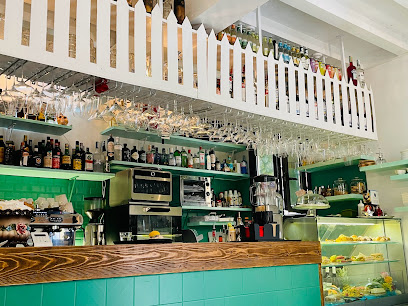
Donkey
0.5 km
Discover the vibrant nightlife of Bologna at Donkey, a stylish cocktail bar and nightclub offering exquisite drinks and lively entertainment.
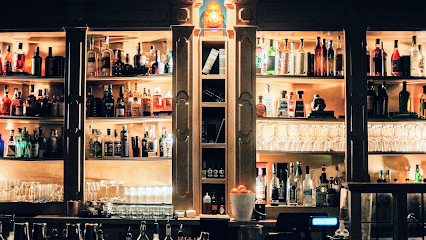
Brek Cocktail Bar
0.5 km
Experience Bologna's vibrant nightlife at Brek Cocktail Bar, where innovative cocktails meet a welcoming atmosphere in the heart of the city.
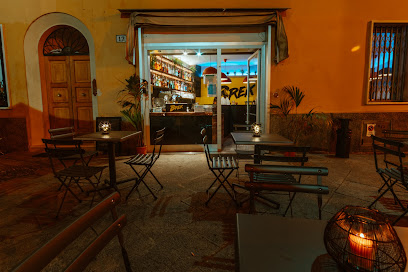
Cluricaune Irish Pub
0.6 km
Discover the vibrant atmosphere of Cluricaune Irish Pub in Bologna, where Irish culture meets Italian flair through hearty dishes and lively entertainment.
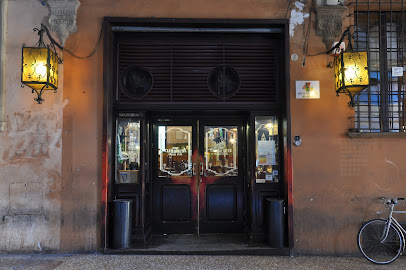
Caffè Ristretto
0.6 km
Discover the vibrant cocktail culture of Bologna at Caffè Ristretto, where innovative drinks meet a lively atmosphere.
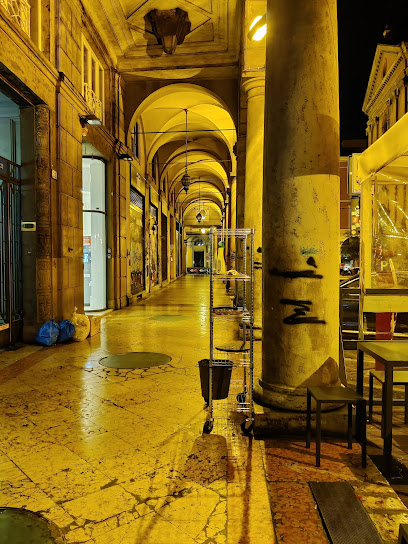
Lestofante
0.7 km
Experience the essence of Bologna at Lestofante, a cozy bar and Italian grocery store, perfect for wine lovers and cocktail enthusiasts alike.
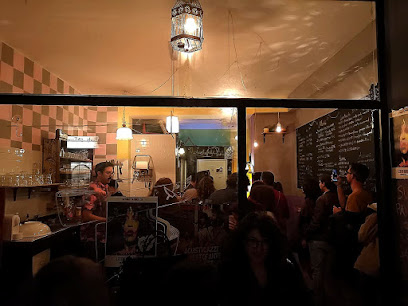
Fun Cool Oh!
0.7 km
Experience Bologna's nightlife at Fun Cool Oh!, a vibrant bar and pub offering a unique blend of drinks, music, and lively atmosphere.
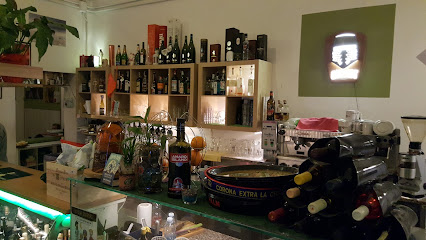
Empire English Pub
0.7 km
Experience the vibrant atmosphere and diverse culinary offerings at Empire English Pub in Bologna, a must-visit for every traveler.
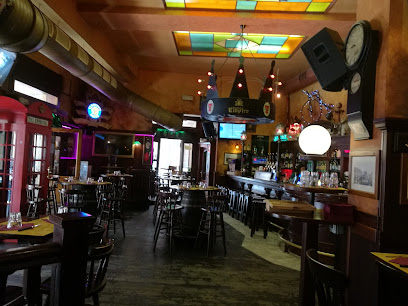
Bar Senza Nome
0.7 km
Experience Bologna's nightlife at Bar Senza Nome, a unique bar offering creative cocktails and a welcoming atmosphere for all.
Nightclubs & after hour spots

DomePtz
0.1 km
Experience the electric nightlife at DomePtz, Bologna's top night club, where every night is a celebration of music and dance.
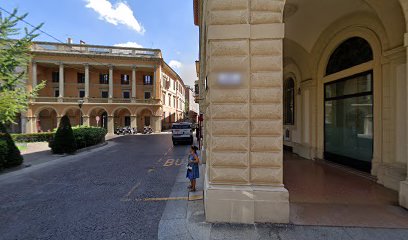
Qubò
0.3 km
Discover the vibrant nightlife of Bologna at Qubò, a premier disco club where music and dance come together to create unforgettable memories.
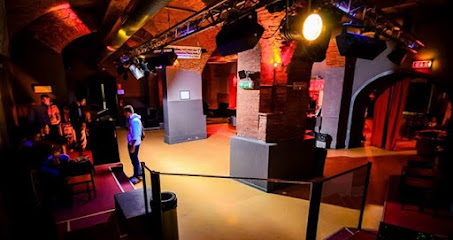
Ashfic
0.4 km
Unleash your spirit at Ashfic, Bologna's premier night club, where unforgettable nights of music and dancing await.
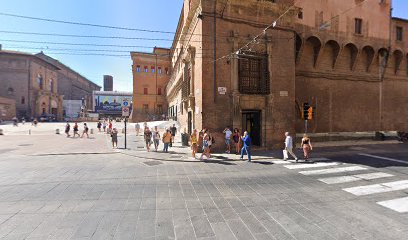
Soda Pops
0.4 km
Experience Bologna's vibrant nightlife at Soda Pops, where locals and travelers unite for unforgettable evenings filled with music, drinks, and fun.
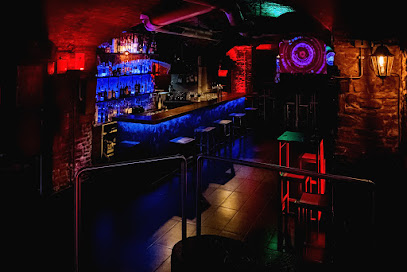
STUDIO 54
0.8 km
Dive into the heart of Bologna's nightlife at STUDIO 54, where music, dance, and unforgettable moments await.
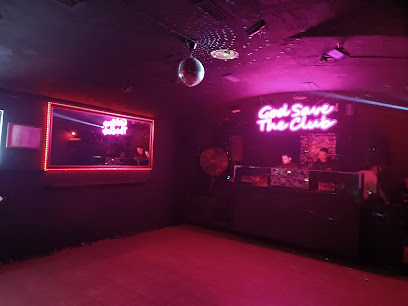
Freakout Club
1.6 km
Discover the vibrant nightlife of Bologna at Freakout Club, where unforgettable music and electric atmosphere await every night.
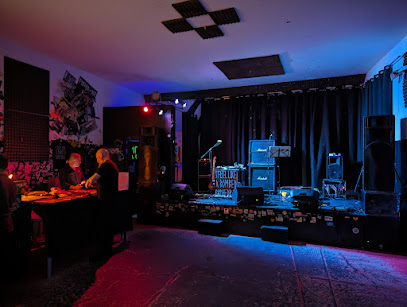
Fraouok club
1.8 km
Discover the electric nightlife of Bologna at Fraouok Club, where music and dance come alive in an unforgettable atmosphere.
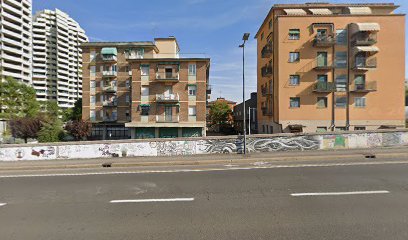
AmbisHome
2.4 km
Discover the heartbeat of Bologna's nightlife at AmbisHome, where music, dance, and vibrant energy combine for unforgettable nights.
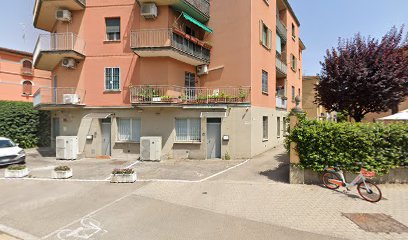
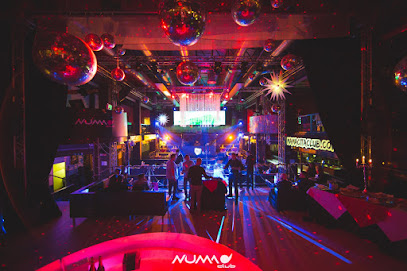
Numa Club Bologna
3.1 km
Experience the vibrant nightlife at Numa Club Bologna, where dancing, drinking, and dining come together in an unforgettable atmosphere.
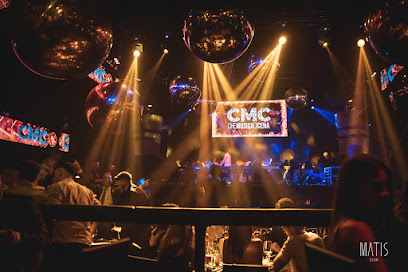
Matis Club
5.5 km
Discover Bologna's vibrant nightlife at Matis Club, a premier disco club offering dining, dancing, and unforgettable entertainment.
Viceversa
6.2 km
Dive into Bologna's nightlife at Viceversa, a vibrant night club offering an unforgettable experience with great music and lively atmosphere.

Lazzaretto autogestito
6.6 km
Discover the creative pulse of Bologna's nightlife at Lazzaretto Autogestito, a cultural hub for art, music, and unforgettable experiences.
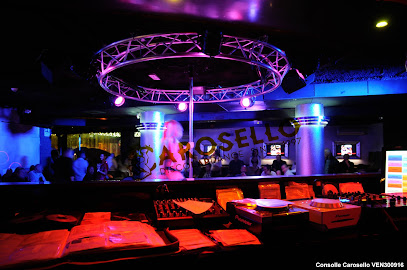
Carousel Sexy Disco
7.0 km
Discover the pulsating nightlife of Carousel Sexy Disco, where adult entertainment meets an electrifying disco atmosphere in Casalecchio di Reno.
Wanasa Modena Club
33.3 km
Discover Modena's nightlife at Wanasa Modena Club, where unforgettable parties and vibrant energy await every night.
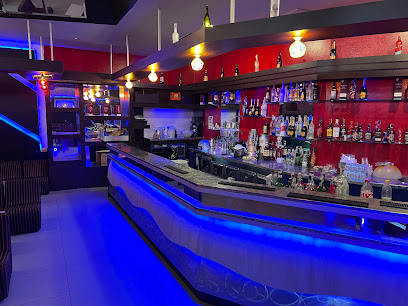
NightClub Big Bijou
35.8 km
Dive into the nightlife at Big Bijou Nightclub, Modena’s vibrant spot for dancing, music, and unforgettable nights.