

Badia A Settimo Travel Guide
Free Guide: Explore Badia A Settimo, a historic abbey near Florence showcasing Romanesque, Gothic, and Renaissance architecture and treasured artworks.


A brief summary of Badia A Settimo
Explore Badia A Settimo, a historic abbey near Florence showcasing Romanesque, Gothic, and Renaissance architecture and treasured artworks.
Nestled in Scandicci, near Florence, Badia A Settimo is an ancient abbey with a rich history dating back to 1004. Originally a Benedictine monastery, it later transitioned to the Cistercians. Its architecture showcases Romanesque, Gothic, and Renaissance styles, housing significant artworks and exuding a serene atmosphere.
Opening hours
- MonClosed
- Tue5:30 pm–6:30 pm
- Wed5:30 pm–6:30 pm
- Thu5:30 pm–6:30 pm
- Fri5:30 pm–6:30 pm
- Sat5:30 pm–7 pm
- Sun10 am–12 pm
Opening hours as listed on the venue’s Google Business Profile. Hours can change for services and special events, so check with the venue before you go.
- Address
- Via S. Lorenzo a Settimo, 15, 50018 Scandicci FI
- Phone
- Website
Getting there
Public Transport
Taxi
Walking
Discover more about Badia A Settimo
Overview
Badia A Settimo, also known as Abbazia dei Santi Salvatore e Lorenzo a Settimo, stands as a testament to Tuscany's rich religious and cultural heritage. Founded in 1004 as a Cluniac Benedictine abbey, it has witnessed centuries of Florentine history. The abbey is located in the Piana di Settimo, an area with a long history intimately connected to Florence.In 1236, Pope Gregory IX entrusted the monastery to the Cistercians, marking a new chapter in its history. The abbey's architecture reflects different periods, with Romanesque elements in the irregular decorations, Gothic influences in the rose window, and Renaissance touches in the portals. Inside, the basilica features three naves and glazed terracotta works by Buglioni. Two chapels, one dedicated to St. James with frescoes by the Maestro di Santa Cecilia (1300s) and the other to St. Quentin with frescoes by Giovanni da San Giovanni (1629), add to the artistic richness. Other artworks include the Martyrdom of St. Lawrence by Domenico Buti, medallions by Domenico Ghirlandaio, and a tabernacle by Giuliano Da Maiano.Badia A Settimo faced devastation during the siege of Florence in 1529-30. In 1783, the complex was divided, with monks exiled and parts sold to private individuals. Today, the restored section is open to the public on Sunday afternoons or by appointment. The abbey stands as a reminder of the area's historical and spiritual significance.
Evendo Review Centre
 Google
Guest reviews
Explore Badia A Settimo on the map
A handpicked selection of must-see spots near Badia A Settimo, mapped for you.
Get your free copy of our complete guide to Badia A Settimo, delivered straight to you.
Everything on this page, from opening hours and how to get there to Eve’s tips and the best time to go, in one PDF you can read offline, print or share.
Already have an account? Sign in
Your Badia A Settimo guide is ready.
We'll send it to · Not you? Sign out

Getting your guide ready…
We are putting together a fresh copy of the Badia A Settimo guide. This can take up to a minute.
This can take a few moments. If your browser asks, choose Allow so the download can start. You'll find the guide in your Downloads folder.
Nothing happened? Download it again
Sorry, the guide is taking longer than usual. Please try again in a minute, or get it by email instead.
Other nearby places you may find interesting
The closest places of the same kind, if this one is not quite what you had in mind.
-
-
-
-
-


Swipe for more places
More to explore near Badia A Settimo

 Best experiences near Badia A Settimo
 Best hotels near Badia A Settimo
 Best landmarks near Badia A Settimo
 Best attractions near Badia A Settimo
 Best shops near Badia A Settimo
 Best restaurants near Badia A Settimo
 Best bars near Badia A Settimo
Do you manage this location?
Take control to get all the benefits, like improved information, better appearance, and stronger visibility across AI-powered discovery.
Explore more
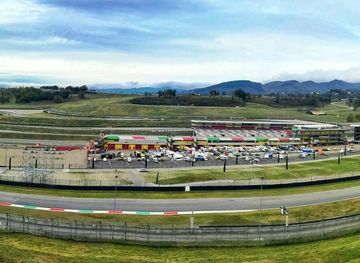
Explore more of Mugello
Discover Mugello, Tuscany’s hidden gem with stunning landscapes, rich history, and vibrant culture—a perfect blend for nature lovers, history buffs, and food enthusiasts.
Explore Mugello
Explore more of Italy
Discover Italy: A land of ancient history, artistic marvels, and culinary delights; where every corner reveals a new story and every meal is a celebration.
Explore Italy
