

Free Mugello Travel Guide & Mobile App
Explore Mugello with free travel guides. Discover regional history, expert tips, proposed trips, and audio guides on web or mobile app.


Explore Mugello in northern Tuscany for Medici villas, hill villages, Apennine roads, local food, walking trails and the landscapes north of Florence.
Read more about Mugello
When is the best time to visit Mugello?
Best: June–July, September · 26–30°C| Month | High (°C) | Rainfall (mm) |
|---|---|---|
| January | 9 | 50 |
| February | 10 | 45 |
| March | 14 | 55 |
| April | 17 | 65 |
| May | 22 | 70 |
| June (best) | 27 | 55 |
| July (best) | 30 | 35 |
| August | 31 | 55 |
| September (best) | 26 | 70 |
| October | 20 | 75 |
| November | 13 | 90 |
| December | 9 | 80 |
Getting to and around Mugello
How to get there
Transportation
Top city travel guides in Mugello
The cities of Mugello, and the easiest places to base yourself.

Swipe for more cities
Best attractions in Mugello
Mugello’s attractions are spread across a valley and its wooded mountain margins rather than concentrated in one historic city. Scarperia’s Palazzo dei Vicari and its knife-making heritage provide a strong introduction to the region’s Florentine past, while the Medici villas at Cafaggiolo and Trebbio reveal the dynasty’s relationship with rural estates and hunting landscapes; access to the villas should be checked in advance. Borgo San Lorenzo offers museums, ceramics and everyday town life, and Vicchio has cultural links with Giotto and Fra Angelico. Lake Bilancino, near Barberino, is the region’s principal waterside recreation area, with opportunities that depend on local conditions and regulations. Beyond the towns, walking and cycling routes follow the Sieve valley, chestnut woods and Apennine passes, while Firenzuola and the Passo del Giogo add stone architecture and wartime history. The Mugello Circuit near Scarperia introduces a modern motor-sport dimension, hosting major events at selected times. Together, these places create an itinerary of historic settlements, rural landscapes, outdoor activity and local culture rather than a conventional museum-to-monument circuit.
-
Science museum
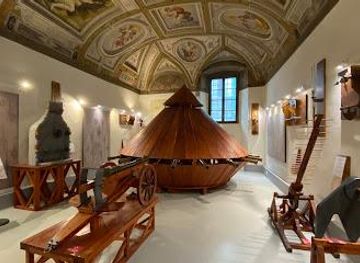
Leonardo Da Vinci Museum
Explore the innovative mind of a Renaissance genius through interactive exhibits and meticulously crafted models of his most groundbreaking inventions.
-
Tourist attraction
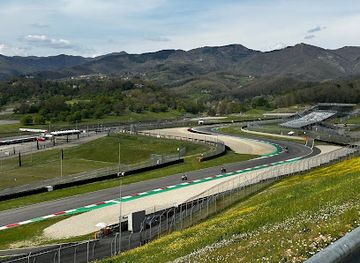
Mugello Circuit
Experience the thrill of motorsport at the Mugello Circuit, a legendary racetrack nestled in the heart of Tuscany.
-
Tourist attraction
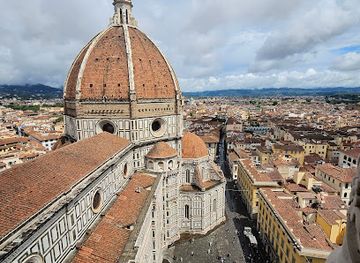
Brunelleschi's dome
Ascend Florence's iconic Duomo: witness Renaissance ingenuity, Vasari's frescoes, and unparalleled panoramic views of the city and Tuscan hills.
-
Tourist attraction
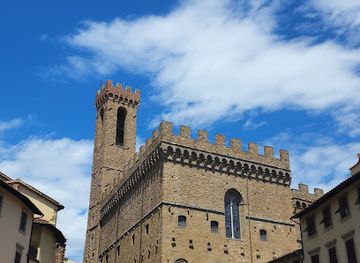
Museo Nazionale del Bargello
Discover Renaissance masterpieces at the Museo Nazionale del Bargello, Florence's premier sculpture museum in a historic palace and former prison.
Best landmarks in Mugello
The Palazzo dei Vicari in Scarperia is Mugello’s most recognisable historic building, a fortified Florentine residence whose towers, courtyard and decorated interiors express the town’s strategic role on the road towards the Apennines. The Medici villa at Trebbio, set above the Sieve valley, and the villa at Cafaggiolo near Barberino represent the family’s architectural and agricultural presence in the region, although neither should be assumed to offer unrestricted access. The parish church and civic fabric of the valley towns add smaller-scale landmarks, while the Casa di Giotto at Vespignano preserves the local association with one of Italy’s most influential painters. Lake Bilancino is a modern geographical landmark, its broad water surface contrasting with the wooded hills around it. Further north and east, the Passo della Futa and Passo del Giogo are important Apennine landmarks shaped by travel, military history and changing mountain scenery. The German military cemetery at the Futa Pass, in the Mugello mountain area, is a solemn Second World War memorial rather than a conventional sightseeing stop.
-
Plaza
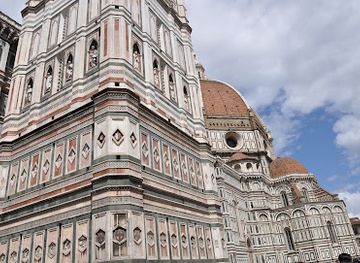
Piazza del Duomo
Explore the architectural wonders of Florence at the breathtaking Piazza del Duomo, a vibrant hub of art, culture, and history.
-
Bridge
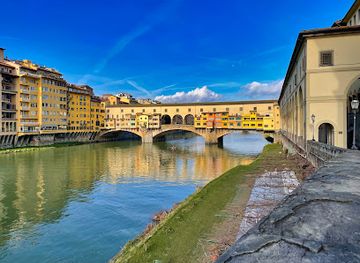
Ponte Vecchio
Discover the Ponte Vecchio, Florence's historic bridge, renowned for its unique shops and breathtaking views along the Arno River.
-
Plaza
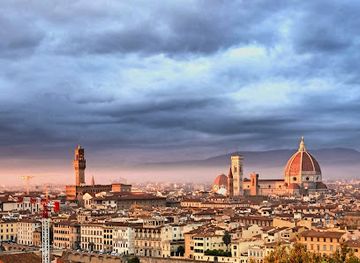
Piazzale Michelangelo
Experience breathtaking views of Florence at Piazzale Michelangelo, a beautiful plaza perfect for photography and relaxation amidst art and history.
-
Tourist attraction
Uffizi Galleries
Discover the Uffizi Galleries, a premier art museum in Florence, showcasing Renaissance masterpieces and rich cultural heritage in a stunning architectural setting.

Explore Mugello on the map
Plan your trip on one map. See where the top cities, national parks and sights are, and book hotels and experiences in a few clicks.
Best hotels in Mugello
Best restaurants in Mugello
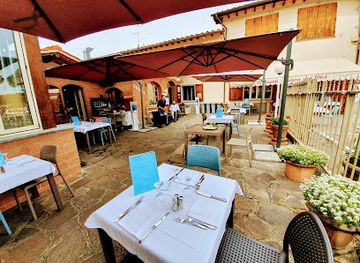
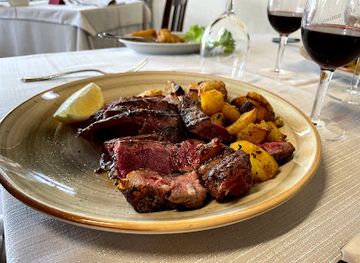
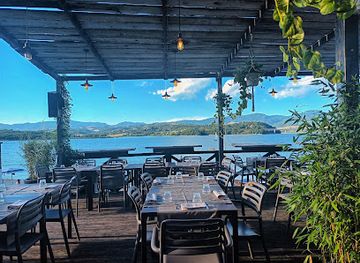
Mugello cooking is rooted in mountain agriculture, woodland produce and the hearty traditions of inland Tuscany. Mugello tortelli, generally made with a potato filling and served with ragù, butter and sage or other local sauces, is a regional staple found in trattorie and family-run restaurants. Menus also draw on chestnuts, especially in the northern valleys around Marradi and Firenzuola, as well as pecorino, beans, seasonal vegetables, mushrooms and game where available. Local bakeries and cafés sell Tuscan breads, schiacciata and simple pastries, while rural inns often offer substantial soups and grilled meats. Around Barberino and the Sieve valley, restaurants range from informal pizzerias and cafés to traditional trattorie; dining beside Lake Bilancino is more seasonal than the everyday food culture of the towns. Florence’s celebrated cuisine is easily encountered nearby, but Mugello is better understood through its potato tortelli, chestnut products and farm-based cooking.
-
Restaurant
Ristorante La Cavallina
Experience authentic Tuscan flavors at Ristorante La Cavallina in Barberino di Mugello - where tradition meets culinary excellence.
-
Italian
Ristorante Marisa
Experience the essence of Italian dining at Ristorante Marisa in Barberino di Mugello - where tradition meets flavor.
-
Coffee shop
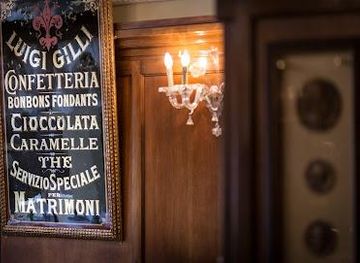
Caffè Gilli
Florence's most storied café since 1733, where Belle Époque elegance meets artisanal mastery.
-
Restaurant
Ristorante Cosimo De' Medici Srl
Discover authentic Tuscan flavors at Ristorante Cosimo De' Medici in Barberino di Mugello - where culinary tradition meets exceptional dining.
Best bars in Mugello
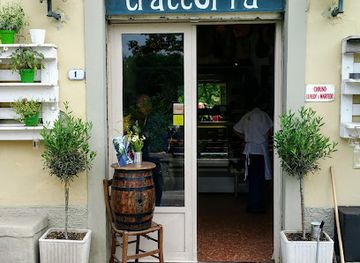
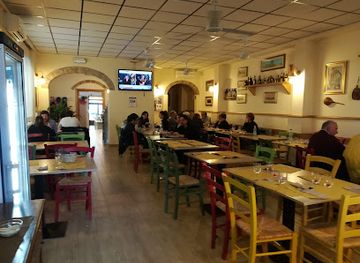
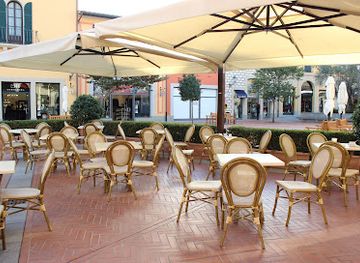
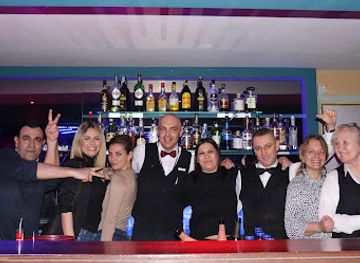
Mugello’s evening life is modest and locally oriented rather than built around a large club scene. Borgo San Lorenzo has the broadest choice of cafés, wine bars, aperitivo places and restaurants, with activity often centred on its central streets and piazzas. Barberino, Scarperia and Vicchio offer smaller selections of bars and dining venues, while villages and mountain communities tend to rely on traditional cafés, hotel bars, rural inns and occasional live music or seasonal festivals. The region’s nightlife is generally more about meeting friends over an aperitivo, enjoying a long dinner or attending a local cultural event than staying out until late. The Mugello Circuit can bring a busier atmosphere during major race weekends, but this is event-based rather than a permanent nightlife district. Visitors staying in the countryside should check return transport before dinner, as rural buses and taxis are limited compared with Florence.
-
Italian
La Casa del Prosciutto
Experience the authentic taste of Italy at La Casa del Prosciutto, where traditional flavors and warm hospitality come together in Vicchio.
-
Bar
Bahia Cafè
Experience the vibrant atmosphere of Bahia Cafè in Barberino di Mugello, where mouthwatering pizzas and outdoor adventures await every visitor.
-
Bar
Bar Pizzeria Valeri
Experience the authentic flavors of Tuscany at Bar Pizzeria Valeri, where delicious pizzas and homemade gelato await in Luco di Mugello.
-
Bar
Caffè Mediceo Outlet Barberino
Discover the essence of Italian café culture at Caffè Mediceo, located within Barberino Designer Outlet, where delightful pastries and coffee await.
Best nightclubs in Mugello
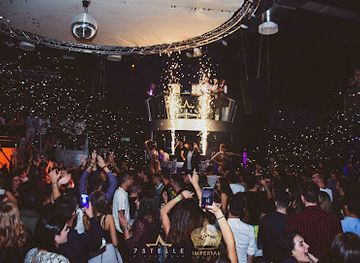
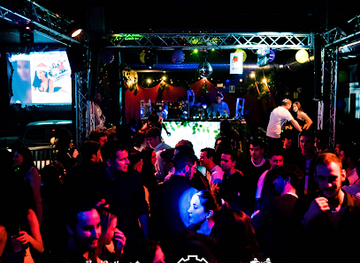
Mugello’s evening life is modest and locally oriented rather than built around a large club scene. Borgo San Lorenzo has the broadest choice of cafés, wine bars, aperitivo places and restaurants, with activity often centred on its central streets and piazzas. Barberino, Scarperia and Vicchio offer smaller selections of bars and dining venues, while villages and mountain communities tend to rely on traditional cafés, hotel bars, rural inns and occasional live music or seasonal festivals. The region’s nightlife is generally more about meeting friends over an aperitivo, enjoying a long dinner or attending a local cultural event than staying out until late. The Mugello Circuit can bring a busier atmosphere during major race weekends, but this is event-based rather than a permanent nightlife district. Visitors staying in the countryside should check return transport before dinner, as rural buses and taxis are limited compared with Florence.
-
Disco club
7 Stelle
Dance the night away at 7 Stelle, the ultimate disco club in Barberino di Mugello, where vibrant music and lively atmosphere await.
-
Night club
No Limit Night Club
Discover the electrifying nightlife at No Limit Night Club in Calenzano, where unforgettable beats and vibrant energy await every night.
-
Night club
32 CLUB
Discover the vibrant nightlife at 32 CLUB in Borgo San Lorenzo, where expertly crafted cocktails and a lively atmosphere await.
-
Night club
Officina Ikebana
Discover the vibrant nightlife at Officina Ikebana, a premier nightclub in San Piero a Sieve, offering unforgettable music and dance experiences.
Best shops in Mugello
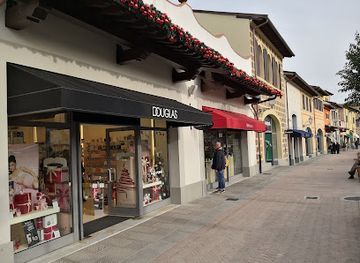
Shopping in Mugello is concentrated in market towns rather than large retail districts. Borgo San Lorenzo has the widest everyday choice, including food shops, cafés, practical stores and businesses associated with its long ceramic tradition. Scarperia is known for the cultural heritage of traditional knife-making, and specialist workshops or museum-related displays provide a more meaningful souvenir than generic Tuscan merchandise. In the smaller towns, look for regional food products such as chestnut flour and sweets, extra-virgin olive oil, pecorino, cured meats and packaged versions of local specialities. Weekly markets are useful for produce, clothing and household items, though days and locations should be confirmed locally. Barberino has modern retail facilities as well as access to local food shopping, while village shops and seasonal stalls become more important in the mountain districts. Artisanal ceramics, wooden objects, rural textiles and locally made preserves make practical purchases, but availability varies considerably outside the main settlements.
-
Outlet mall
Outlet Barberino
Discover unbeatable deals and a delightful shopping experience in the heart of Tuscany at Outlet Barberino, your ultimate outlet mall destination.
-
Shopping mall
Centro Commerciale Mugello
Discover a shopping haven at Centro Commerciale Mugello in Borgo San Lorenzo, where fashion, food, and fun come together for an unforgettable experience.
-
 Clothing store
Polo Ralph Lauren Outlet Store Barberino
Discover luxury fashion at affordable prices at Polo Ralph Lauren Outlet Store Barberino, your premier shopping destination in Tuscany.
-
Sporting goods store
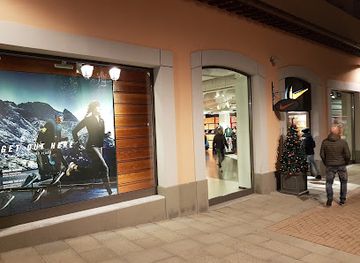
Nike Factory Store Barberino
Explore the Nike Factory Store in Barberino for unbeatable deals on sportswear and footwear, set against the stunning backdrop of Tuscany.
Get your free copy of our complete guide to Mugello, delivered straight to you.
Everything on this page, from attractions and restaurants to essentials and local phrases, in one PDF you can read offline, print or share.
Already have an account? Sign in
Your Mugello guide is ready.
We'll send it to · Not you? Sign out

Getting your guide ready…
We are putting together a fresh copy of the Mugello guide. This can take up to a minute.
This can take a few moments. If your browser asks, choose Allow so the download can start. You'll find the guide in your Downloads folder.
Nothing happened? Download it again
Sorry, the guide is taking longer than usual. Please try again in a minute, or get it by email instead.
Mugello essentials
Currency and Payment
Safety
Emergency Situations
Do's and Don'ts
Local Tips
From Eve
Local phrases worth knowing
You don't need to get them perfect. A few words go a long way, and locals appreciate the effort.
Basics
| English | Local | Say it |
|---|---|---|
| Hello | Ciao | [chow] |
| Goodbye | Arrivederci | [ah-ree-vay-der-chee] |
| Yes | Sì | [see] |
| No | No | [noh] |
| Please/You're welcome | Per favore/Prego | [per fah-vo-ray/preh-go] |
| Thank you | Grazie | [grah-tsee-eh] |
| Excuse me/Sorry | Scusa | [skoo-zah] |
| How are you? | Come stai? | [koh-meh stah-ee] |
| Fine. And you? | Bene. E tu? | [beh-neh. eh too] |
| Do you speak English? | Parli inglese? | [par-lee een-glay-zeh] |
| I don't understand | Non capisco | [non kah-pees-koh] |
Eating & Drinking
| English | Local | Say it |
|---|---|---|
| I'd like to see the menu, please | Vorrei vedere il menu, per favore | [vor-ray veh-deh-ray eel meh-noo, per fah-vo-ray] |
| I don't eat meat | Non mangio carne | [non man-joh kar-neh] |
| Cheers! | Salute! | [sah-loo-tay] |
| I would like to pay, please | Vorrei pagare, per favore | [vor-ray pah-gah-ray, per fah-vo-ray] |
Emergencies
| English | Local | Say it |
|---|---|---|
| Help! | Aiuto! | [ah-yoo-toh] |
| Go away! | Vattene via! | [va-teh-neh vee-ah] |
| Call the Police! | Chiama la polizia! | [kee-ah-mah lah poh-lee-tsee-ah] |
| Call a doctor! | Chiama un dottore! | [kee-ah-mah oon doh-tor-eh] |
| I'm lost | Mi sono perso | [mee soh-noh pear-soh] |
| I'm ill | Sono malato | [soh-noh mah-lah-toh] |
Shopping
| English | Local | Say it |
|---|---|---|
| I'd like to buy... | Vorrei comprare... | [vor-ray com-prah-ray] |
| I'm just looking | Sto solo guardando | [sto soh-loh gwahr-dahn-doh] |
| How much is it? | Quanto costa? | [kwan-toh koh-stah] |
| That's too expensive | È troppo caro | [eh troh-poh kah-roh] |
| Can you lower the price? | Puoi abbassare il prezzo? | [pwoy ah-bah-sah-ray eel pret-zoh] |
Time & Numbers
| English | Local | Say it |
|---|---|---|
| What time is it? | Che ore sono? | [keh oh-ray soh-noh] |
| It's one o'clock | È l'una | [eh loo-nah] |
| Half past (10) | Dieci e mezza | [dee-eh-chee eh met-zah] |
| Morning | Mattina | [maht-tee-nah] |
| Afternoon | Pomeriggio | [poh-meh-ree-joh] |
| Evening | Sera | [seh-rah] |
| Yesterday | Ieri | [yeh-ree] |
| Today | Oggi | [ohj-ee] |
| Tomorrow | Domani | [doh-mah-nee] |
| 1 | Uno | [oo-noh] |
| 2 | Due | [doo-eh] |
| 3 | Tre | [treh] |
| 4 | Quattro | [kwah-troh] |
| 5 | Cinque | [cheen-kweh] |
| 6 | Sei | [seh-ee] |
| 7 | Sette | [seht-teh] |
| 8 | Otto | [oht-toh] |
| 9 | Nove | [noh-veh] |
| 10 | Dieci | [dee-eh-chee] |
Transport & Directions
| English | Local | Say it |
|---|---|---|
| Where's a/the...? | Dove si trova...? | [doh-veh see troh-vah] |
| What's the address? | Qual è l'indirizzo? | [kwahl eh leen-dee-reet-soh] |
| Can you show me (on the map)? | Puoi mostrarmi (sulla mappa)? | [pwoy mohs-trar-mee (soo-lah mahp-pah)] |
| When's the next (bus)? | Quando passa il prossimo (autobus)? | [kwan-doh pah-sah eel prohs-see-mo (ow-toh-boos)] |
| A ticket (to ....) | Un biglietto (per ....) | [oon bee-lyet-toh (per ....)] |
History of Mugello
Etruscan and Roman Mugello
Mugello was inhabited before Roman rule, with Etruscan communities active in the wider Sieve valley and neighbouring Apennine foothills. Roman control brought roads, agricultural organisation and settlement patterns that connected the basin with Florentine territory and routes across the mountains. Archaeological evidence is less visually dominant than the later medieval and Renaissance heritage, but the Roman period established the long-standing importance of communication through the valley. The region’s position between Florence and the northern Apennines continued to give it strategic and economic significance in later centuries.
Medieval Castles and Florentine Expansion
During the Middle Ages, Mugello was divided among local lords, religious institutions and fortified settlements. Florence gradually extended its authority northwards from the late medieval period, building or controlling strongholds along routes through the valley. Scarperia, founded by Florence in 1306 as a planned defensive settlement, became one of the clearest expressions of this expansion. Its strategic position helped Florence supervise movement towards the mountain passes, while the surrounding communities remained closely tied to agriculture, forestry and trans-Apennine trade.
The Medici Villas and Renaissance Landscape
The Medici family developed Mugello as both a productive rural territory and a retreat from Florence. The villas at Cafaggiolo and Trebbio, together with estates and hunting landscapes, demonstrate how the family combined agricultural management, political authority and Renaissance patronage. Cafaggiolo is associated with the Medici court and with the early development of maiolica production, while Trebbio occupies a commanding position above the Sieve valley. Their relationship with the countryside helped shape the estate landscapes, roads and settlements that remain part of Mugello’s cultural identity.
Giotto, Fra Angelico and Tuscan Artistic Culture
Mugello has strong associations with two major figures of Italian art. Giotto is traditionally linked with Vespignano near Vicchio, where the Casa di Giotto commemorates the area’s connection with the painter, while Fra Angelico was born in the Vicchio area and is remembered in the local cultural landscape. These associations reflect the region’s participation in the artistic world of medieval and Renaissance Tuscany, even though the most celebrated works of both artists are found elsewhere. Local churches, museums and civic collections preserve this wider historical connection.
Roads, Passes and Industrial Change
For centuries, journeys across Mugello depended on routes through the Futa, Giogo and other Apennine passes. Improved roads during the period of the Grand Duchy of Tuscany strengthened links between Florence, the valley towns and northern Italy. The railway reached Mugello in the nineteenth century, reinforcing Borgo San Lorenzo as a regional centre and supporting the movement of people and goods. Agriculture remained important, but ceramics, metalworking, forestry and small manufacturing also contributed to the economic life of the towns.
The Gothic Line and the Second World War
In 1944, the Apennine territory around Mugello became part of the German defensive system known as the Gothic Line, intended to slow the Allied advance through Italy. Fighting, reprisals and displacement affected mountain communities, roads and villages, while the passes became strategically important once again. Sites around the Passo del Giogo and the wider Firenzuola area retain memorial and interpretive links to this period. The wartime landscape is a reminder that Mugello’s apparently peaceful hills have also been shaped by twentieth-century conflict.
Mugello in Contemporary Tuscany
After the Second World War, improved roads and rail connections brought Mugello closer to Florence, while mechanisation and rural depopulation altered many upland communities. Tourism developed around walking, cycling, lakeside recreation, heritage and motor sport, without replacing the agricultural character of the valley. The Mugello Circuit at Scarperia, opened in the twentieth century and now associated with international motorcycle racing, represents a modern strand of the region’s identity. Today, traditional food, woodland management and small-scale rural life coexist with day visitors and outdoor tourism.
Mugello in Photos
Browse through our photo collection highlighting the charm and character of the destination.
Neighbouring regions of Mugello
The closest regions to Mugello, if you have time for more than one.
-

-

-

-

-


Swipe for more regions
Explore more

Explore more of Italy
Discover Italy: A land of ancient history, artistic marvels, and culinary delights; where every corner reveals a new story and every meal is a celebration.
Explore Italy