

Free Savanna-la-Mar Travel Guide & Mobile App
Plan your Savanna-la-Mar trip with Evendo. Get free guides to top attractions, restaurants, hotels, and bars. Web access or download the mobile app.


Savanna-la-Mar reveals western Jamaica through coastal history, Fort Charlotte, local markets, parish life and easy access to beaches and wetlands.
A Port Town on Jamaica’s Western Plain
Savanna-la-Mar, widely known locally as Sav-la-Mar, is the administrative capital of Westmoreland parish on Jamaica’s south-western coast. Its name refers to the open savannah beside the sea, a fitting description of a town shaped by broad lowlands, warm coastal air and the agricultural landscape inland. Savanna-la-Mar is not a resort centre in the manner of Montego Bay or Negril; its character is more firmly rooted in everyday Jamaican life, with government offices, schools, churches, small shops, market activity and neighbourhood streets gathered around the town centre.Read more about Savanna-la-Mar
History, Community and the Coast
Exploring Western Jamaica
When is the best time to visit Savanna-la-Mar?
Best: May–June, October · 31–32°C| Month | High (°C) | Rainfall (mm) |
|---|---|---|
| January | 31 | 57 |
| February | 31 | 40 |
| March | 31 | 34 |
| April | 31 | 24 |
| May (best) | 31 | 18 |
| June (best) | 32 | 20 |
| July | 32 | 22 |
| August | 32 | 23 |
| September | 32 | 22 |
| October (best) | 31 | 23 |
| November | 31 | 26 |
| December | 31 | 40 |
Getting to and around Savanna-la-Mar
How to get there
Transportation
Best attractions in Savanna-la-Mar
Savanna-la-Mar’s attractions are modest in scale but closely connected to Westmoreland’s history and landscape. Fort Charlotte, or what remains of it, stands at the coast as a weathered reminder of the town’s eighteenth-century role as a defended port; its exposed setting also illustrates the force of storms and erosion. St George’s Anglican Church provides a quieter encounter with the religious institutions of the colonial and post-emancipation town, while the central market offers a vivid view of present-day commerce through produce, conversation and everyday local trade. The town’s streets and civic centre are best read as a living parish landscape rather than a sequence of grand monuments. Outside the built-up area, the Great Morass reveals the wetlands and open lowlands that characterise western Jamaica, although it requires local transport and suitable planning. Savanna-la-Mar also works as a base for exploring the wider south-western coast, including Bluefields and beaches beyond the town itself.
-
Tourist attraction
Jamwest Motorsports & Adventure Park (Home of Jamwest Speedway)
Discover the thrill of motorsports and adventure in Jamaica's scenic paradise at Jamwest Motorsports & Adventure Park.
32 min drive · 12 km from city centre
-
Beach
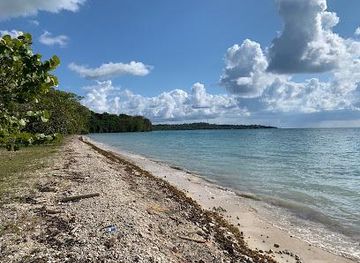
Bluefields Beach
Discover the serene beauty of Bluefields Beach, a picturesque destination in Jamaica known for its golden sands and turquoise waters.
32 min drive · 12 km from city centre
-
Tourist attraction
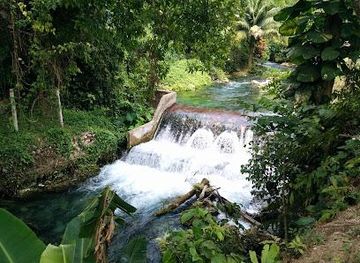
Roaring River and Cave
Experience the breathtaking beauty of Roaring River and Cave in Jamaica, where adventure meets tranquility amidst stunning natural landscapes.
31 min drive · 11 km from city centre
-
Tourist attraction
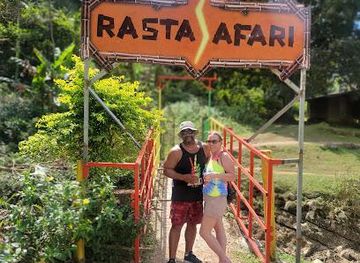
RastaSafari Experience
Explore the vibrant culture and stunning landscapes of Jamaica at the RastaSafari Experience in Roaring River, a must-visit for every traveler.
32 min drive · 12 km from city centre

Best landmarks in Savanna-la-Mar
Fort Charlotte is Savanna-la-Mar’s most distinctive historic landmark, an eighteenth-century coastal fortification built when the harbour formed part of Jamaica’s British defence network. Its surviving remains are less a complete military monument than a fragmentary record of the town’s maritime and plantation-era past, made especially poignant by exposure to hurricanes and erosion. St George’s Anglican Church represents the established church presence that helped structure colonial and post-emancipation civic life, while the town’s market and public buildings express the continuing role of Savanna-la-Mar as Westmoreland’s administrative centre. The wider coastal plain and Great Morass are landscape landmarks rather than formal monuments: they explain the town’s name, agricultural setting and vulnerability to water and storms. Together, these places connect military history, religion, commerce and environment without suggesting that Savanna-la-Mar possesses the monumental architectural concentration of Jamaica’s larger historic centres.
-
Supermarket
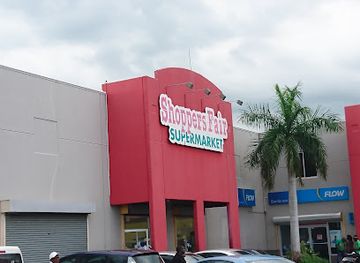
Shopper's Fair
Experience local flavors and everyday essentials at Shopper's Fair, your go-to supermarket in the heart of Savanna-la-Mar, Jamaica.
9 min walk · 0.7 km from city centre
-
Variety store
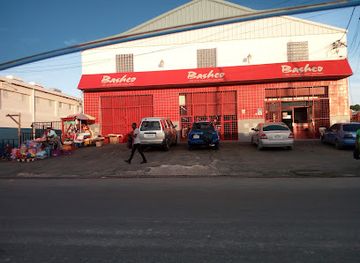
Bashco
Experience local Jamaican culture and find a wide variety of goods at Bashco, your one-stop shop in Savanna-la-Mar.
9 min walk · 0.7 km from city centre
-
Tourist attraction
Roaring River and Cave
Discover Jamaica's hidden gem: Roaring River and Cave offers history, adventure, and natural beauty in the heart of Westmoreland.
31 min drive · 11 km from city centre
-
Supermarket
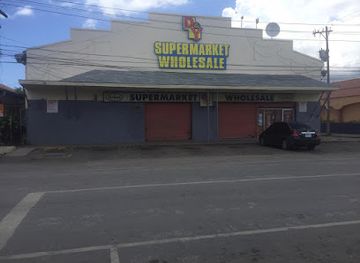
D&Y Supermarket
Experience local flavors and everyday essentials at D&Y Supermarket in Savanna-la-Mar, Jamaica.
12 min walk · 0.9 km from city centre
Explore Savanna-la-Mar on the map
Plan your Savanna-la-Mar trip on one map. See where the top attractions, landmarks, restaurants, bars and hotels are, find what's near where you're staying, and book hotels and experiences in a few clicks.
Best hotels in Savanna-la-Mar
Best restaurants in Savanna-la-Mar
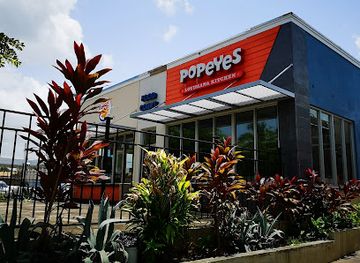
Eating in Savanna-la-Mar is centred on Jamaican home-style cooking, modest restaurants, cookshops, bakeries and roadside vendors rather than a concentrated fine-dining district. Menus commonly draw on rice and peas, jerk chicken or pork, curried goat, stewed meats, fried fish, bammy, festival and seasonal vegetables, with flavours shaped by African, European, Indian and Chinese influences that have become part of Jamaican food culture. Patties and other quick meals are useful for travellers moving through the town, while the market and surrounding stalls reveal the importance of locally grown produce and seafood. Westmoreland’s agricultural hinterland also supports fresh fruit, root crops and sugar-related industries. Dining customs are informal, but service can follow a relaxed pace; ask what is available that day, especially at smaller establishments, and carry Jamaican dollars for places that do not process cards.
-
Fast Food
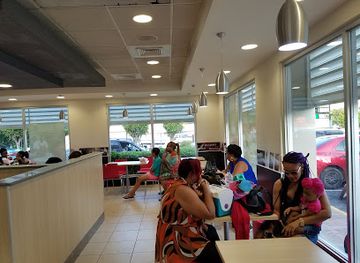
KFC Savanna la Mar
Experience delicious fast food at KFC Savanna la Mar, where Jamaican flavors meet global favorites in a vibrant setting.
5 min walk · 0.4 km from city centre
-
Fast Food
Burger King
Experience delicious fast food flavors at Burger King in Savanna la Mar – where taste meets convenience.
4 min walk · 0.3 km from city centre
-
Fast Food
Juici Patties
Experience the authentic taste of Jamaica at Juici Patties, where every bite tells a story of flavor and tradition.
8 min walk · 0.6 km from city centre
-
Restaurant
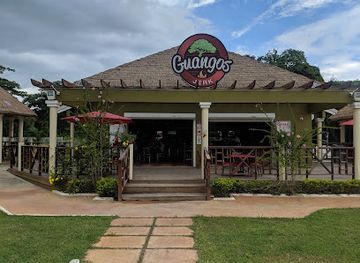
Guango's Jerk
Discover authentic Jamaican flavors at Guango's Jerk in Savanna la Mar - a culinary delight for every tourist seeking true island cuisine.
14 min walk · 1.2 km from city centre
Best bars in Savanna-la-Mar
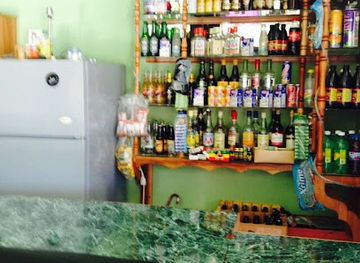
Savanna-la-Mar’s evening scene is local and comparatively restrained, revolving around neighbourhood bars, rum shops, sports viewing, music and informal conversation rather than large nightclub complexes. Reggae, dancehall and Jamaican popular music are part of the wider soundscape, while occasional community events and live performances provide sociable alternatives to a conventional club night. The main commercial area may remain active after working hours, but activity thins out away from the centre and not every venue operates on a predictable schedule. Visitors staying in town should ask trusted local contacts or accommodation staff about current entertainment and arrange their return transport before going out. For a more tourism-oriented nightlife, Negril is the principal regional alternative, though it is a separate destination and should not be confused with Savanna-la-Mar’s quieter parish-town atmosphere.
-
Sports bar
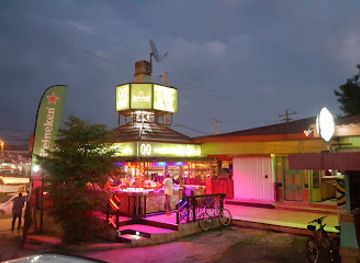
QQ Sports Bar And Grill
Experience the vibrant atmosphere and delicious cuisine at QQ Sports Bar And Grill, Savanna la Mar's top destination for sports and relaxation.
8 min walk · 0.6 km from city centre
-
Bar
Daisy's Bar
Daisy's Bar in Savanna la Mar offers a vibrant tropical atmosphere with refreshing drinks, local flavors, and live entertainment for an unforgettable experience.
10 min drive · 3.2 km from city centre
-
Bar
Mission Bar
Discover the vibrant nightlife of Savanna la Mar at Mission Bar, where refreshing cocktails and lively music create unforgettable moments.
14 min walk · 1.1 km from city centre
-
Grill
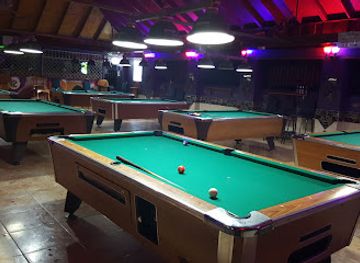
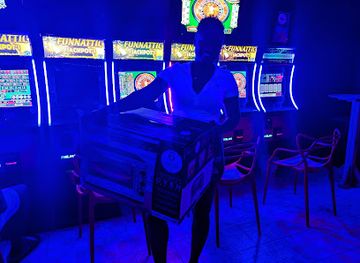
QQ Gaming Lounge
Discover the vibrant QQ Gaming Lounge in Savanna la Mar, where flavorful grilled dishes meet an exciting gaming atmosphere.
7 min walk · 0.6 km from city centre
Best nightclubs in Savanna-la-Mar
Savanna-la-Mar’s evening scene is local and comparatively restrained, revolving around neighbourhood bars, rum shops, sports viewing, music and informal conversation rather than large nightclub complexes. Reggae, dancehall and Jamaican popular music are part of the wider soundscape, while occasional community events and live performances provide sociable alternatives to a conventional club night. The main commercial area may remain active after working hours, but activity thins out away from the centre and not every venue operates on a predictable schedule. Visitors staying in town should ask trusted local contacts or accommodation staff about current entertainment and arrange their return transport before going out. For a more tourism-oriented nightlife, Negril is the principal regional alternative, though it is a separate destination and should not be confused with Savanna-la-Mar’s quieter parish-town atmosphere.
-
Sports bar
QQ Sports Bar And Grill
Discover QQ Sports Bar And Grill in Savanna la Mar - the ultimate destination for sports lovers and casual diners, blending great food with an electrifying atmosphere.
8 min walk · 0.6 km from city centre
-
Bar
Mission Bar
Discover the lively atmosphere of Mission Bar in Savanna la Mar, where great drinks and local music unite for an unforgettable experience.
14 min walk · 1.1 km from city centre
-
Bar
Tipsy Bar & Games
Experience vibrant nightlife and playful entertainment at Tipsy Bar & Games, Savanna la Mar's top destination for drinks and fun.
7 min drive · 2.2 km from city centre
-
Bar
Bakkpage Sports Bar
Immerse yourself in the vibrant atmosphere of Bakkpage Sports Bar in Savanna la Mar, a must-visit for sports fans and food lovers alike.
8 min walk · 0.6 km from city centre

Best shops in Savanna-la-Mar
Shopping in Savanna-la-Mar is practical, local and closely tied to the town’s role as a parish service centre. The central market and surrounding commercial streets are the best places to encounter fruit, vegetables, provisions, household goods and everyday Jamaican trade, while small shops and bakeries serve local residents rather than a dedicated souvenir market. Visitors may find Jamaican food products, spices, snacks, craft items and locally made goods, but stock varies and the town is not primarily a handicraft-shopping destination. Bargaining should be courteous and limited to settings where it is customary, especially in open-market transactions; fixed-price shops generally operate differently. For a broader selection of tourist-oriented gifts, galleries and beachwear, the resort centres of Negril and Montego Bay offer more specialised retail, but shopping there reflects a different commercial environment from Savanna-la-Mar’s community-based trade.
-
Variety store
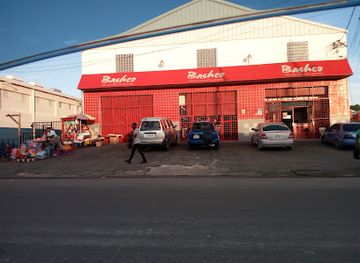
Bashco
Discover Bashco in Savanna la Mar for an extensive variety of local goods, souvenirs, and essentials to enhance your Jamaican experience.
9 min walk · 0.7 km from city centre
-
Beauty supply store
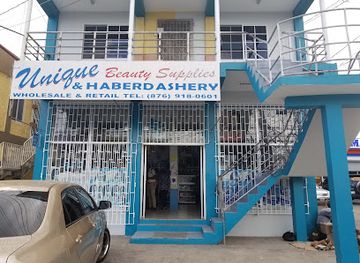
Unique Beauty Supplies and Haberdashery
Unique Beauty Supplies and Haberdashery in Savanna la Mar offers a vibrant selection of beauty products and accessories for all your needs.
3 min walk · 0.2 km from city centre
-
Shopping mall
Georges Mall
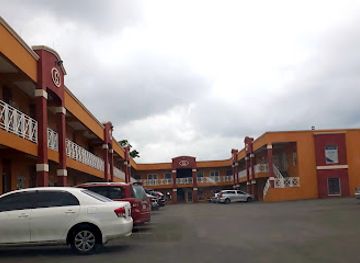
Discover the vibrant shopping and dining experience at Georges Mall in Savanna la Mar, where local culture meets modern retail.
1 min walk · 0.1 km from city centre
-
Clothing store
Sinclair's Bargain Center
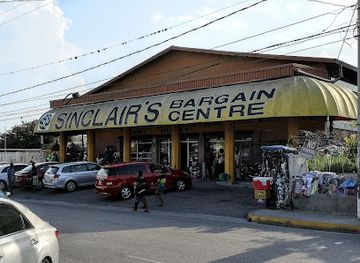
Explore Sinclair's Bargain Center in Savanna la Mar for stylish clothing at unbeatable prices, a must-visit for savvy shoppers in Jamaica.
6 min walk · 0.5 km from city centre
Get your free copy of our complete guide to Savanna-la-Mar, delivered straight to you.
Everything on this page, from attractions and restaurants to essentials and local phrases, in one PDF you can read offline, print or share.
Already have an account? Sign in
Your Savanna-la-Mar guide is ready.
We'll send it to · Not you? Sign out

Getting your guide ready…
We are putting together a fresh copy of the Savanna-la-Mar guide. This can take up to a minute.
This can take a few moments. If your browser asks, choose Allow so the download can start. You'll find the guide in your Downloads folder.
Nothing happened? Download it again
Sorry, the guide is taking longer than usual. Please try again in a minute, or get it by email instead.
Savanna-la-Mar essentials
Currency and Payment
Safety
Emergency Situations
Do's and Don'ts
Local Tips
From Eve
Local phrases worth knowing
You don't need to get them perfect. A few words go a long way, and locals appreciate the effort.
Basics
| English | Local | Say it |
|---|---|---|
| Hello | Wah gwaan | [Waah gwaan] |
| Goodbye | Likkle more | [Likkle moa] |
| Yes | Ya man | [Ya man] |
| No | Nuh uh | [Noo uh] |
| Please/You're welcome | Preez/No problem | [Preez/No problem] |
| Thank you | Tank yuh | [Tank yuh] |
| Excuse me/Sorry | Sarry | [Sarry] |
| How are you? | Wah gwaan? | [Waah gwaan] |
| Fine. And you? | Mi good. An yuh? | [Mee good. An yuh] |
| Do you speak English? | Yu chat English? | [Yoo chat English] |
| I don't understand | Mi nuh ondastan | [Mee noo on-das-tan] |
Eating & Drinking
| English | Local | Say it |
|---|---|---|
| I'd like to see the menu, please | Mi wud like si di menu, chru | [Mee wood like see dee menu, chroo] |
| I don't eat meat | Mi nuh nyam meat | [Mee noo nyam meat] |
| Cheers! | Cheers! | [Cheers!] |
| I would like to pay, please | Mi wud like fi pay, chru | [Mee wood like fee pay, chroo] |
Emergencies
| English | Local | Say it |
|---|---|---|
| Help! | Help! | [Help!] |
| Go away! | Go weh! | [Go way!] |
| Call the Police! | Call di Police! | [Call dee Police!] |
| Call a doctor! | Call a dokta! | [Call ah dok-ta] |
| I'm lost | Mi lost | [Mee lost] |
| I'm ill | Mi sick | [Mee sick] |
Shopping
| English | Local | Say it |
|---|---|---|
| I'd like to buy... | Mi wud like buy... | [Mee wood like buy...] |
| I'm just looking | Mi jus a look | [Mee jus a look] |
| How much is it? | A wah price dat? | [Ah wah price dat] |
| That's too expensive | Dat too much | [Dat too much] |
| Can you lower the price? | Yuh can drop di price? | [Yoo can drop dee price] |
Time & Numbers
| English | Local | Say it |
|---|---|---|
| What time is it? | A wah time dis? | [Ah wah time dis] |
| It's one o'clock | A one a clock | [Ah one a clock] |
| Half past (10) | Half ten | [Half ten] |
| Morning | Mawnin | [Mawnin] |
| Afternoon | Aftanoon | [Aftanoon] |
| Evening | Evenin | [Evenin] |
| Yesterday | Yestadeh | [Yes-ta-day] |
| Today | Today | [Today] |
| Tomorrow | Tamara | [Ta-ma-ra] |
| 1 | One | [One] |
| 2 | Tu | [Too] |
| 3 | Chri | [Chree] |
| 4 | Fo | [Fo] |
| 5 | Faiv | [Fai-v] |
| 6 | Six | [Siks] |
| 7 | Seven | [Sev-en] |
| 8 | Eit | [Eit] |
| 9 | Nain | [Nain] |
| 10 | Ten | [Ten] |
Transport & Directions
| English | Local | Say it |
|---|---|---|
| Where's a/the...? | Weh di... | [Way dee] |
| What's the address? | Wah di address deh? | [Wa dee address deh] |
| Can you show me (on the map)? | Yuh can show mi pan di map? | [Yoo can show mee pan dee map] |
| When's the next (bus)? | When di nex (bus)? | [When dee nex (bus)] |
| A ticket (to ....) | A tikkit (to ....) | [Ah tick-it (to ....)] |
History of Savanna-la-Mar
Before the Colonial Town
The land around present-day Savanna-la-Mar formed part of the wider landscape inhabited by Jamaica’s Taíno people before Spanish colonisation. Coastal plains, wetlands and inland routes supported movement, fishing, cultivation and exchange, although the surviving written record is largely shaped by later European accounts. Spanish rule began after 1494, followed by the English conquest of Jamaica in 1655. Under English and then British control, the south-western lowlands were progressively incorporated into a plantation economy based on enslaved African labour. The physical setting that later made Savanna-la-Mar a useful port town—an open coastal plain with access to productive agricultural districts—also made it part of the colonial system that transformed Jamaica’s population, landholding and economy.
The Rise of a Port Settlement
Savanna-la-Mar developed during the eighteenth century as the principal town and port of Westmoreland, serving plantations and settlements across the parish. Sugar, rum and other agricultural goods moved through the harbour, while imported supplies and administrative services came in the opposite direction. The town’s growth was tied to the coercive plantation economy and to the presence of enslaved Africans, whose labour created much of the wealth on which colonial Westmoreland depended. British military authorities also regarded the harbour as strategically useful, leading to the construction of Fort Charlotte in the eighteenth century. The fort was intended to guard the anchorage, although its exposed position and the force of the sea would later limit its survival.
Emancipation and Parish Society
The abolition of the British slave trade in 1807 and emancipation in the 1830s transformed Savanna-la-Mar and the surrounding plantations. Formerly enslaved people sought greater control over work, family life, land and worship, while estates adjusted to the end of forced labour through new employment arrangements and imported contract labour. Churches, schools, markets and small settlements became increasingly important to the emerging social order. The town’s civic and religious institutions, including St George’s Anglican Church, belonged to this wider development of colonial parish society. Although economic inequality remained profound, the post-emancipation period helped establish the African-Jamaican community life, independent religious activity and local commerce that continue to shape Westmoreland.
The Sea and the Changing Town
Savanna-la-Mar has repeatedly been affected by the hazards of its coastal location. The town was badly damaged by a hurricane in 1748, and later storms and coastal forces continued to threaten buildings and harbour infrastructure. Fort Charlotte, already vulnerable because of its position at the water’s edge, gradually lost much of its original fabric. These events influenced the town’s development and helped reinforce the importance of inland roads, local commerce and administrative functions alongside maritime trade. During the nineteenth and twentieth centuries, Savanna-la-Mar remained the centre of Westmoreland’s public life, even as the port became less dominant and the parish economy diversified beyond the older plantation system.
Modern Westmoreland Capital
In independent Jamaica, achieved in 1962, Savanna-la-Mar continued as Westmoreland’s administrative capital and a service centre for the surrounding agricultural communities. Sugar production remains important to the parish, alongside farming, commerce, public services and tourism linked to the western coast. The town’s present identity therefore combines inherited colonial buildings and institutions with the social, cultural and economic influence of the majority African-Jamaican population. Its proximity to Negril and the south-western beaches brings visitors into the wider region, but Savanna-la-Mar itself remains principally a working parish town. That distinction is historically significant: its streets reveal the continuities of local government, trade, worship and community life rather than a landscape created primarily for holiday tourism.
Cities near Savanna-la-Mar
The closest cities to Savanna-la-Mar, if you have time for more than one stop.
-
-

-

-

-


Swipe for more cities
Explore more
Explore more of Jamaica
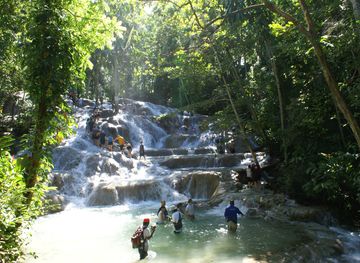
Discover Jamaica: A Caribbean paradise with stunning beaches, rich culture, and thrilling adventures. Experience the island's vibrant music, delicious cuisine, and warm hospitality.
Explore Jamaica